Privacy Scans: Shielding Law Enforcement from Digital Risks
Discover how privacy scanning tools empower law enforcement professionals to safeguard their personal data from online threats and enhance personal security.
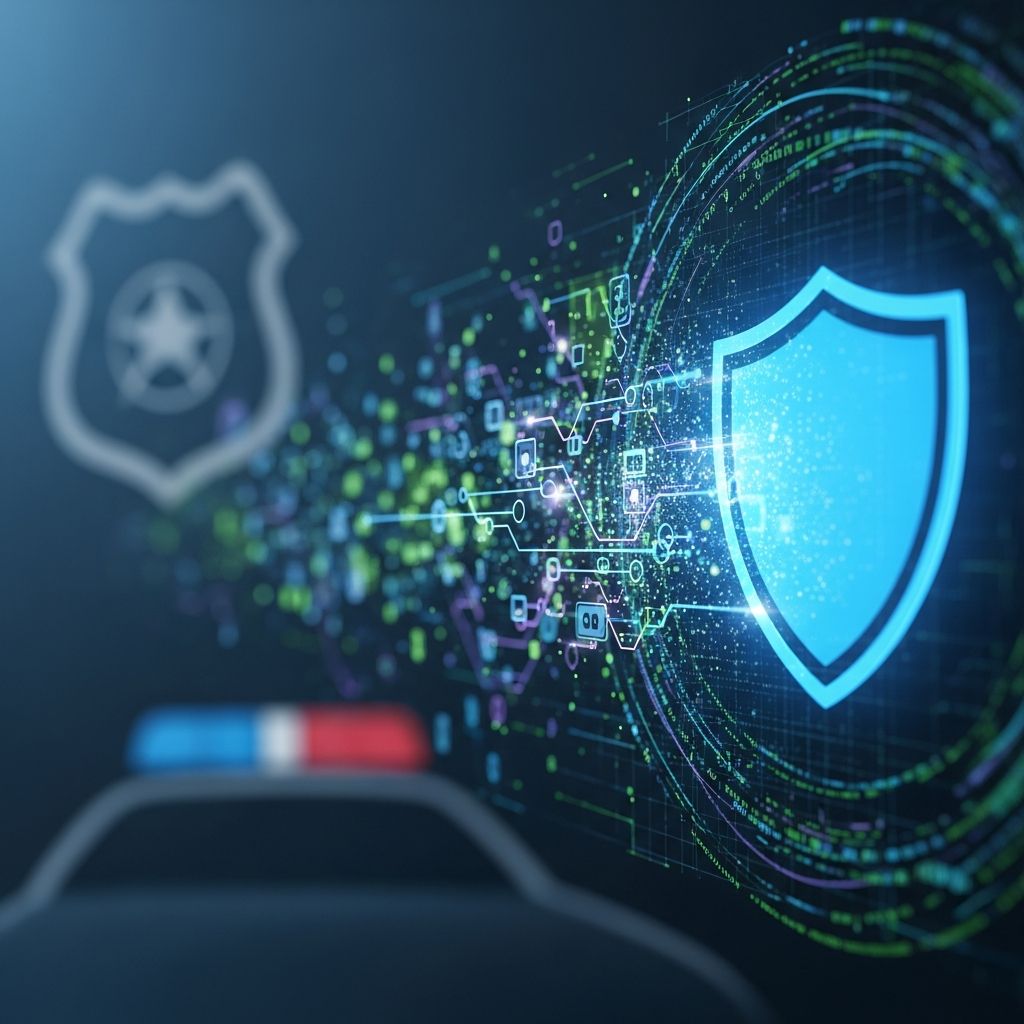
In an era where personal information is just a search away, professionals in law enforcement face unique challenges in maintaining their privacy. Privacy scans serve as a critical tool, systematically searching public databases and people-finder sites to uncover and mitigate exposed personal details. These scans empower officers, detectives, judges, and related personnel to reclaim control over their digital footprints, significantly reducing vulnerabilities to targeted threats.
The Unique Vulnerabilities of Public Safety Professionals
Individuals working in law enforcement, corrections, probation, or the judiciary often become targets due to the nature of their roles. Criminals may seek revenge by locating home addresses, phone numbers, or family members’ details. According to federal guidelines on officer safety, public exposure of such information heightens risks of harassment, stalking, or physical harm.
Consider the daily realities: a patrol officer’s residence listed on a directory site could invite vandalism, while a judge’s email address might lead to incessant threats. These exposures aren’t accidental; people-finder sites aggregate data from public records, social media, and commercial sources, making it freely available to anyone.
- Heightened Retaliation Risks: Offenders released on parole might track down supervising officers.
- Family Endangerment: Relatives’ names and locations become leverage points.
- Professional Compromise: Leaked contact info disrupts work-life balance and safety protocols.
Statistics from the U.S. Department of Justice underscore that over 60% of officers report concerns about personal data online, correlating with increased safety incidents. Privacy scans address this by providing actionable intelligence on what’s public.
Understanding Privacy Scanning Technology
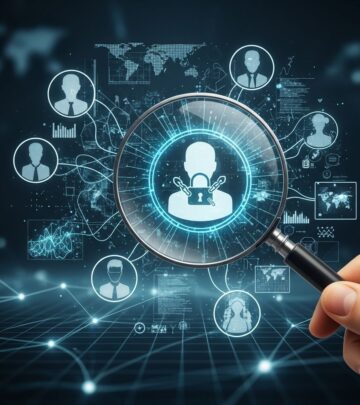
A privacy scan is an automated process that queries hundreds of data broker and people-search websites for an individual’s information. It compiles a report detailing exposed elements like addresses, phones, emails, and relatives, often with direct links to the offending sites.
Unlike manual searches, which miss obscure aggregators, these tools use proprietary algorithms to cover niche platforms. For instance, services scan for variations in name spellings, outdated records, and cross-referenced data points. Users receive a dashboard view, prioritizing high-risk exposures.
| Data Type | Common Exposure Sites | Risk Level |
|---|---|---|
| Home Address | Whitepages, Spokeo | High |
| Phone Number | TrueCaller, Intelius | Medium-High |
| Email Address | BeenVerified | Medium |
| Relatives & Ages | FamilyTreeNow | High |
Post-scan, options include DIY removal requests or automated suppression by the service. Recurring scans ensure new data doesn’t reappear, as brokers often repopulate records.
Real-World Applications for Law Enforcement
For a detective investigating organized crime, discovering their family’s school district online could be catastrophic. Privacy scans have enabled thousands of such professionals to delist info, with removal rates exceeding 80% on major sites within weeks.
Agencies increasingly recommend these tools in safety briefings. A probation officer, for example, used a scan to remove 47 instances of personal data across 12 sites, preventing potential tailing by supervisees. Judges handling high-profile cases benefit similarly, protecting court appearances and residences from public catalogs.
Beyond individuals, departments can implement group scans for teams in sensitive units like gangs or narcotics, fostering a culture of proactive defense.
Broader Implications: Balancing Privacy and Public Access
While privacy scans protect individuals, they intersect with legal frameworks governing data access. The Stored Communications Act allows law enforcement to subpoena subscriber info but requires warrants for content. Conversely, privacy tools help citizens shield non-public data from overreach.
Debates around client-side scanning highlight tensions; technologies scanning devices for CSAM raise Fourth Amendment questions, yet voluntary privacy scans empower users without surveillance. Law enforcement pros must navigate this, using scans to fortify personal barriers while upholding investigative powers.
Step-by-Step Guide to Conducting Your First Privacy Scan
- Choose a Reputable Service: Opt for those offering free initial scans with transparent methodologies.
- Input Accurate Details: Provide full name, variants, and known addresses for comprehensive results.
- Review the Report: Categorize findings by urgency—addresses first, then contacts.
- Initiate Removals: Follow site-specific opt-out forms or use service-assisted takedowns.
- Schedule Monitoring: Set monthly re-scans to catch reappearances.
- Combine with Best Practices: Update privacy settings on social media and use VPNs.
This process typically takes 30-60 minutes initially, with ongoing maintenance under 10 minutes monthly.
Complementary Strategies for Ironclad Protection
Privacy scans are most effective alongside holistic habits:
- Document Shredding: Destroy mail with sensitive info using cross-cut shredders.
- Credit Monitoring: Alerts flag unauthorized inquiries signaling breaches.
- Secure Communications: Employ end-to-end encrypted apps for personal use.
- Home Security Upgrades: Install cameras and silent alarms not listed publicly.
- Family Education: Teach relatives to limit online sharing.
Table of Integrated Tools:
| Strategy | Tool/Example | Benefit |
|---|---|---|
| Scan + Monitoring | Experian Privacy Scan | Automated detection/removal |
| Credit Watch | AnnualCreditReport.gov | Fraud early warning |
| Data Broker Opt-Out | OptOutPrescreen.com | Prevents marketing lists |
Legal and Ethical Considerations
Removing data from public sites doesn’t violate laws, as most states mandate opt-out options. However, complete erasure from all records is impossible due to archival copies. Ethically, law enforcement must ensure scans don’t inadvertently expose operational details.
Federal resources like the FBI’s officer safety portal endorse privacy hygiene, aligning scans with duty-to-protect standards.
FAQs: Privacy Scans for Law Enforcement
Q: Is a free privacy scan sufficient?
A: Yes for starters; it identifies exposures. Upgrade for automated removals and monitoring.
Q: How long does data removal take?
A: 24-72 hours per site, full coverage in 1-4 weeks.
Q: Can scans protect against all threats?
A: No, but they eliminate a major vector. Pair with physical security.
Q: Are scans legal for government employees?
A: Absolutely; many agencies encourage them.
Q: What if data reappears?
A: Recurring scans catch it; persistence is key.
Empowering the Frontlines: The Path Forward
As digital threats evolve, privacy scans stand as a frontline defense for law enforcement. By systematically purging public exposures, professionals can focus on their missions without constant personal worry. Start with a free scan today to assess your digital exposure and take decisive steps toward safer horizons.
References
- How Privacy Scans Can Help Those in Law Enforcement — Experian. 2023-10-15. https://www.experian.com/blogs/ask-experian/how-personal-privacy-scan-can-help-law-enforcement/
- You Are Being Scanned: Point-Counterpoint on Client-Side Scanning — Judicature, Duke University. 2023-01-01. https://judicature.duke.edu/articles/you-are-being-scanned/
- How Cops Can Get Your Private Online Data — Electronic Frontier Foundation. 2025-06-01. https://www.eff.org/deeplinks/2025/06/how-cops-can-get-your-private-online-data
- Officer Safety and Wellness — U.S. Department of Justice. 2024-05-20. https://www.justice.gov/doj/officer-safety
Similar Articles








Read full bio of Sneha Tete