Privacy Checkup After Data Breach: 4-Step Recovery Timeline
Discover essential steps to scan and secure your privacy following a data breach for comprehensive personal protection.
Privacy Checkup After Data Breach
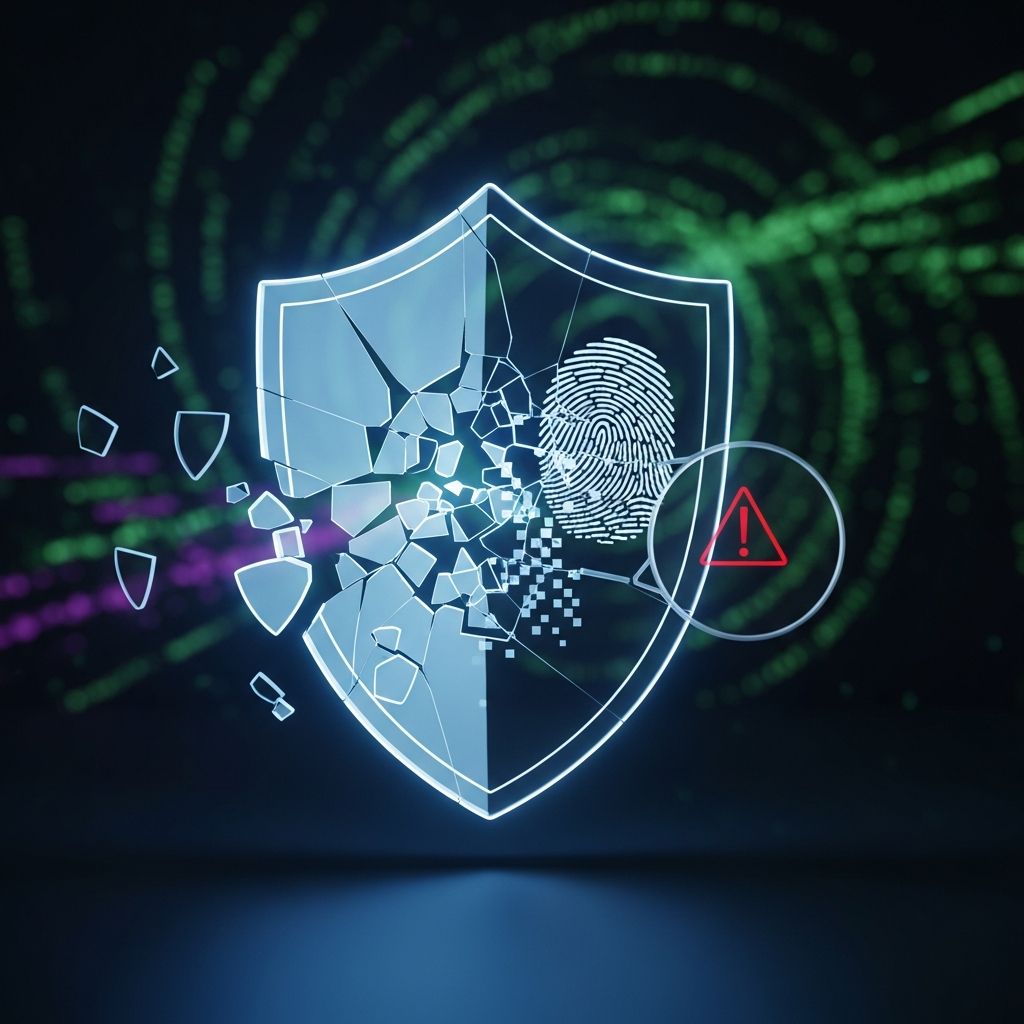
Experiencing a data breach puts personal information at risk of misuse, making a systematic privacy checkup essential to detect and mitigate potential threats early. This process involves reviewing financial accounts, credit profiles, and online presence to identify unauthorized activities and implement protective measures promptly.
Understanding the Impact of Data Breaches
Data breaches expose sensitive details like Social Security numbers, bank details, and email addresses, often leading to identity theft or financial fraud. According to federal guidelines, businesses and individuals must act quickly to contain damage and notify affected parties. The scope of exposure determines the urgency; for instance, breaches involving personal identifiers require immediate monitoring to prevent fraudulent accounts or transactions.
Recent reports highlight rising breach incidents, emphasizing the need for proactive scans. Organizations recommend assessing compromised data types first to prioritize actions, such as focusing on financial info if accounts are targeted.
Initial Steps: Containing and Assessing Risks
Begin by isolating affected systems if you’re managing a personal or business breach. Disconnect compromised devices from networks and change all passwords to strong, unique ones. For individuals, review recent account activity across banks, credit cards, and email services for suspicious logins or charges.
- Change passwords on all accounts, using a password manager for complexity.
- Enable two-factor authentication (2FA) wherever possible to add security layers.
- Scan devices with reputable antivirus software to remove potential malware.
Forensic analysis helps determine breach extent; consult experts if needed to trace unauthorized access points. Document every action taken, including timestamps and changes, for potential legal or insurance purposes.
Running a Comprehensive Credit and Financial Scan
A core element of privacy scanning post-breach is checking credit reports from major bureaus: Equifax, Experian, and TransUnion. These reports reveal new accounts or inquiries linked to your identity without consent. Federal law allows free weekly reports via AnnualCreditReport.com, ideal for ongoing monitoring.
| Credit Bureau | Free Report Access | Key Monitoring Features |
|---|---|---|
| Equifax | AnnualCreditReport.com | Fraud alerts, credit locks |
| Experian | AnnualCreditReport.com | Identity protection services |
| TransUnion | AnnualCreditReport.com | Credit score tracking |
Look for discrepancies like unfamiliar addresses, loans, or hard inquiries. Place a fraud alert, which requires creditors to verify identity before opening new accounts, lasting one year or extendable to seven. For stronger protection, initiate a credit freeze, blocking access to your report entirely until lifted—a free service available to all consumers.
Monitoring Bank and Investment Accounts
Examine statements from banks, credit cards, retirement accounts, and payment apps like PayPal or Venmo. Set up transaction alerts for real-time notifications of activity. If fraud is detected, report it immediately to the institution to dispute charges and close compromised accounts.
- Review 12-24 months of statements for patterns.
- Contact issuers to flag and remove unauthorized transactions.
- Consider temporary account freezes if high-risk exposure occurred.
Businesses handling breaches should notify financial regulators if consumer data is involved, aiding broader protection efforts.
Securing Online Accounts and Email
Breaches often include email credentials, enabling phishing or account takeovers. Update security questions and enable 2FA on social media, shopping sites, and streaming services. Use tools like Have I Been Pwned to check if your email appears in known breaches.
Monitor for phishing attempts post-breach, as attackers exploit stolen data. Avoid clicking suspicious links and verify sender authenticity.
Leveraging Identity Protection Services
Enroll in credit and identity monitoring services for automated scans of dark web mentions, SSN usage, and public records. These detect synthetic identity fraud where thieves combine real and fake data. Services often include insurance for recovery costs and dedicated restoration support.
Government resources like IdentityTheft.gov provide personalized recovery plans, generating reports for law enforcement via the Consumer Sentinel Network.
Long-Term Prevention Strategies
Post-scan, fortify defenses with phishing-resistant authentication, regular vulnerability patches, and employee training for businesses. Individuals benefit from VPNs for public Wi-Fi, unique passwords per site, and periodic privacy audits.
- Implement endpoint detection for continuous threat monitoring.
- Conduct annual security audits and tabletop exercises.
- Backup data securely and test restores regularly.
Legal and Notification Obligations
Determine if state or federal laws mandate notifications. Engage legal counsel early for guidance on disclosures to affected parties, regulators, or media. Preserve evidence like logs without altering systems.
Post-Breach Recovery Timeline
A structured timeline ensures thorough recovery:
- Hour 1-24: Contain, notify internal team, initial assessment.
- Day 1-7: Full forensics, credit scans, fraud alerts/freezes.
- Week 2-4: Remediate vulnerabilities, restore systems, notify stakeholders.
- Month 1-3: Monitor continuously, review lessons, enhance policies.
FAQs
What should I do first after learning of a breach involving my data?
Freeze your credit reports and place fraud alerts immediately to prevent new account openings, then scan financial statements for anomalies.
How long does a credit freeze last?
Indefinitely until you lift it, providing ongoing protection without expiration.
Are identity protection services worth it post-breach?
Yes, they offer dark web monitoring and recovery assistance, reducing manual effort.
Who do I report identity theft to?
Use IdentityTheft.gov for a recovery plan and to file with the FTC’s Consumer Sentinel Network.
How can businesses prepare for breaches?
Develop incident response plans, train teams, and conduct regular drills.
References
- Cyber Breach Recovery Timeline: Effective Remediation — Alvaka. 2023. https://www.alvaka.net/crafting-a-cyber-breach-recovery-timeline-for-resilience/
- What to Do After a Data Breach: Data Breach Management Guide — IDIQ. 2024. https://www.idiq.com/articles/data-breach-management-guide
- Identity Theft Awareness Week 2026: Before and After a Breach — Grassi Advisors. 2026-01-29. https://www.grassiadvisors.com/blog/what-to-do-before-a-breach-and-after-one-occurs-identity-theft-awareness-week-2026/
- 5 Critical Steps to Take in the First 24 Hours After a Data Breach — UnityIT. 2024. https://www.unityit.com/cyber-attack-recovery-plan-for-business/
- Data Breach Response: A Guide for Business — Federal Trade Commission (FTC). 2023-09-21. https://www.ftc.gov/business-guidance/resources/data-breach-response-guide-business
- FBI Urges Organizations to Take 10 Actions to Improve Cyber Resilience — HIPAA Journal. 2026. https://www.hipaajournal.com/fbi-operation-winter-shield-cybersecurity/
Similar Articles






Read full bio of medha deb