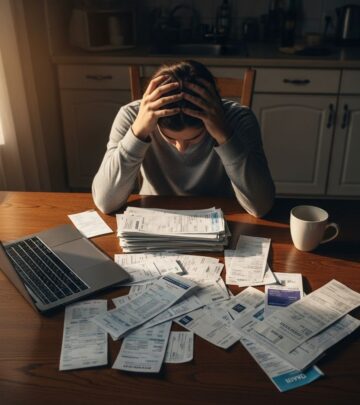
How to Prioritize Your Bills in a Financial Crunch
Master bill prioritization strategies to manage finances during tough times and protect your credit score.
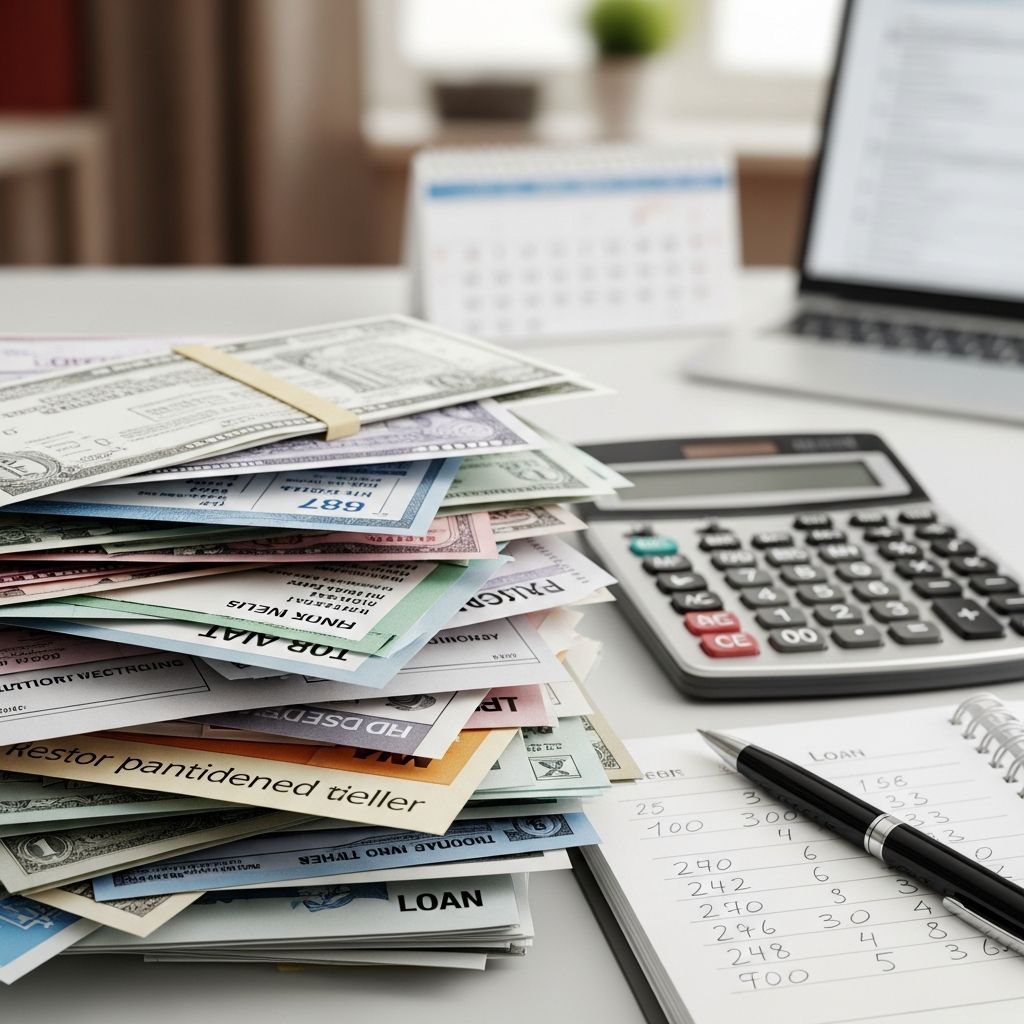
When your income doesn’t stretch far enough to cover all your bills, making tough decisions about which payments to prioritize becomes essential. Financial hardship can strike anyone—whether through job loss, unexpected medical expenses, or economic downturns—and knowing which bills demand immediate attention can mean the difference between maintaining stability and facing serious consequences.
Some bills matter more than others when cash flow is constrained. Certain payments like housing, utilities, or transportation can result in immediate and severe consequences if missed, including eviction, foreclosure, utility shutoffs, or loss of employment. Others may offer more flexibility or negotiation opportunities in the short term. Understanding this hierarchy allows you to make strategic decisions that protect your essential needs while minimizing damage to your credit score and financial future.
The Priority Order for Bill Payments
When you’re facing a financial crunch, the order in which you pay your bills matters significantly. Here’s the recommended priority sequence based on the consequences of non-payment and essential need:
1. Housing Payments
Your housing payment—whether mortgage or rent—should always top your priority list. Missing housing payments can lead to foreclosure or eviction, which destroys your credit, makes finding future housing difficult, and can take months or years to recover from financially. Eviction also becomes part of your rental history, making it harder to qualify for new apartments. Additionally, the costs associated with losing your home extend far beyond the immediate payment, including legal fees, moving expenses, and difficulty securing new housing at reasonable rates.
2. Utilities
Electricity, gas, water, and internet services rank second because these are essential for basic living and maintaining employment. Without utilities, you cannot safely stay in your home, cook food, or heat water for hygiene. Additionally, if you work from home or need internet to search for employment, losing these services directly impacts your ability to earn income.
3. Insurance Premiums
Health, auto, and home insurance must be paid to protect yourself from catastrophic financial losses. Auto insurance is particularly critical because driving without it is illegal in most states, and an accident without coverage could result in liability claims that devastate your finances. Health insurance helps prevent medical bills from accumulating, and home insurance protects your largest asset.
4. Living Essentials
Food, medications, and childcare expenses are fundamental to survival and functioning. Without these essentials, your health deteriorates and your ability to work is compromised. If you have dependents, childcare is necessary to maintain employment.
5. Transportation
Car payments and gas are essential if you depend on a vehicle for work. Losing your car through repossession eliminates your transportation to employment, making it difficult to earn income and potentially extending your financial crisis. Public transportation passes should also be considered in this category if they’re your primary means of getting to work.
6. Child Support and Court-Ordered Obligations
Court-ordered payments carry legal consequences for non-compliance, including potential jail time. These payments must be prioritized to avoid legal action and additional financial penalties.
7. Income Taxes
Tax obligations cannot be ignored without serious legal and financial consequences. The IRS has significant enforcement powers, including wage garnishment and asset seizure. Prioritizing tax payments helps you avoid these additional complications.
8. Unsecured Debts
Credit cards, personal loans, and medical bills fall into the lowest priority category. While these debts are important long-term, they’re unsecured, meaning creditors cannot repossess physical assets. These typically offer more flexibility for negotiation and payment arrangements compared to secured debts.
Understanding the Consequences of Non-Payment
Before deciding which bills to let slide temporarily, understand what happens when you miss each type of payment. Secured debts—those backed by collateral like your home or car—pose the greatest risk because lenders can repossess assets. Missing a mortgage payment typically triggers foreclosure proceedings after 120 days of non-payment. Auto loan defaults can lead to repossession within 60-90 days. These actions have long-lasting impacts on your credit and financial options.
Utility companies typically allow 30-60 days before shutoff, but this varies by location and service type. Many utilities now offer hardship programs or budget plans specifically designed for customers facing financial difficulties. Contact your utility provider immediately when you anticipate missing a payment—most companies would rather work with you than shut off service.
Credit card companies and unsecured lenders generally report late payments to credit bureaus after 30 days, though they may not take aggressive collection action for several months. This gives you more negotiating room with these creditors.
Strategies to Manage Your Bills During Financial Hardship
Contact Your Creditors Proactively
One of the most important steps is reaching out to creditors before you miss a payment. Creditors are often willing to work with customers who communicate proactively about their situations. Many have hardship programs, temporary payment reductions, or deferrals available—you just need to ask. When contacting creditors, be prepared to explain your situation, provide an estimate of how long you expect the financial hardship to last, and propose a realistic payment plan you can afford.
The more information and documentation you provide, the better creditors can tailor solutions to your circumstances. If your hardship is temporary, creditors may be willing to temporarily reduce payments knowing you’ll resume normal payments soon. Some may freeze interest charges or waive late fees during your hardship period.
Review and Adjust Your Due Dates
If many of your bills have due dates clustered together each month, you create cash flow bottlenecks that make it impossible to pay everything on time. Many service providers—including credit card companies, utilities, phone companies, and subscription services—allow customers to request different due dates. By spreading your due dates throughout the month, you can better align payments with when you receive income.
Contact each creditor to request a new due date that corresponds with your paycheck schedule. Keep in mind that changes typically take one billing cycle to implement, so this strategy works best when planned in advance, not as an emergency response.
Look for Ways to Lower Your Bills
During financial hardship, finding permanent cost reductions can free up money to pay priority bills. Review your loan interest rates—if you have high-interest debt like credit cards or auto loans with unfavorable rates, refinancing to lower rates can significantly reduce monthly payments. Personal loans with better terms might consolidate multiple high-interest debts.
Examine your subscriptions and discretionary services. Cutting premium cable channels, reducing internet speed tiers, or eliminating subscription services you don’t absolutely need can recover several hundred dollars monthly. Many people find that reducing to streaming services saves more than eliminating cable entirely.
Shop your insurance policies annually. Insurance companies offer discounts for bundling, good driving records, home security systems, and other factors. Moving to a competitor can sometimes cut premiums by 15-25%. Contact your current providers to get quotes from competitors and ask your existing provider to match or beat these prices.
Reduce non-bill expenses through meal planning and careful grocery shopping. Eating out frequently is one of the largest discretionary expenses for most households. Planning meals, shopping with a list, and using curbside pickup services helps you stick to your budget and avoid impulse purchases. Many stores now offer fee-free curbside pickup, making it easier to maintain spending discipline.
Consider Borrowing as a Last Resort
If you’ve cut expenses to the minimum, negotiated with creditors, and still can’t cover essential bills, borrowing may become necessary. The hierarchy of borrowing options is important: borrow from family or friends first if possible, then consider personal loans, then retirement account loans as a last resort.
If borrowing from loved ones, be transparent about your situation and create a written repayment plan. This prevents misunderstandings and protects relationships.
Personal loans from banks or credit unions should be considered only if you’re confident about your income recovery timeline. These loans have fixed terms and interest rates, making payments predictable.
Borrowing from retirement accounts like 401(k)s or IRAs should be your last option because these withdrawals trigger tax implications and may incur penalties. However, during genuine hardship, retirement account loans can be preferable to high-interest credit cards because they don’t affect credit scores and typically have lower interest rates.
Create an Action Plan
Transform your bill prioritization strategy into an actionable plan by listing all income sources and monthly expenses. Use a budgeting spreadsheet to calculate exactly how much you have available for debt payments after covering essentials. This realistic assessment shows whether your situation is temporarily tight or structurally unsustainable.
With this information, you can decide which bills to pay this month, which to negotiate, which to defer if possible, and whether you need to pursue additional income or borrowing. Document all conversations with creditors, noting agreements made, any fee waivers granted, and new payment terms negotiated. This documentation protects you if disputes arise later.
Frequently Asked Questions
Q: What happens to my credit score if I miss a payment?
A: Credit bureaus typically receive notification of late payments after 30 days of non-payment. A single late payment can reduce your credit score by 50-100 points or more, depending on your current score and credit history. The impact is most severe for recent late payments and gradually diminishes over time, but late payments remain on your credit report for seven years.
Q: Should I pay credit card minimums or save for my mortgage?
A: Always prioritize your mortgage or rent over credit card minimum payments. Losing your housing has more severe consequences than credit card debt. However, communicate with both creditors about your situation—your mortgage lender may offer payment deferrals while credit card companies may freeze accounts temporarily.
Q: Can creditors still collect if I’m experiencing financial hardship?
A: Yes, creditors can pursue collection actions even during hardship. However, many creditors have formal hardship programs specifically designed for customers facing financial difficulties. Contact them proactively to explore these options before they pursue aggressive collection tactics.
Q: What if I can’t pay any of my bills?
A: Contact local assistance programs through 211.org or your local government. Many communities offer emergency assistance for utilities, food, childcare, and other essentials. Nonprofits, churches, and community organizations often provide emergency financial assistance as well. Bankruptcy should only be considered after exhausting all other options, as it carries long-term credit consequences.
Q: Should I use my emergency fund to pay bills?
A: If you’ve exhausted other options like creditor negotiations, expense reductions, and side income, using emergency savings prevents even greater financial damage from missed essential payments. However, try to preserve some emergency funds for unexpected expenses that arise during your hardship period.
Q: How long can I sustain paying only priority bills?
A: This is temporary crisis management, not a long-term solution. Focus your efforts on restoring income through additional work, job searching, or benefits applications. Simultaneously, work on negotiating longer-term payment plans with creditors rather than simply not paying non-priority bills.
References
- Paying Bills During a Financial Crisis — Orange County’s Credit Union. 2024. https://www.orangecountyscu.org/stories/paying-bills-during-a-financial-crisis/
- Which bills should I pay first in a financial crisis? — Michigan State University Extension. 2024. https://www.canr.msu.edu/news/which-bills-should-i-pay-first-in-a-financial-crisis
- Behind on Bills: Create an Action Plan — Consumer Financial Protection Bureau. 2024. https://www.consumerfinance.gov/
- 40% of Americans Are Struggling to Pay Their Bills — Money Magazine. 2024. https://money.com/difficulty-paying-bills-census/
- The Average American Is in Credit Card Debt — Money Magazine. 2024. https://money.com/average-american-credit-card-debt/
Similar Articles








Read full bio of Sneha Tete