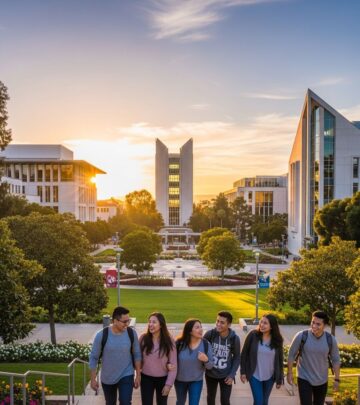
Princeton University: Elite Education Meets Affordability
Discover why Princeton University ranks among America's best colleges with exceptional academics and generous financial aid.
Princeton University: Excellence in Education and Affordability
Princeton University stands as one of the most prestigious and sought-after institutions in the United States, consistently ranking among the nation’s best colleges. While the university’s reputation for academic excellence is well-established, what many prospective students discover is that Princeton combines its elite status with remarkable financial accessibility. This unique combination has made Princeton a standout choice for students seeking world-class education without overwhelming student debt.
Academic Excellence and World-Class Faculty
Princeton’s commitment to academic excellence is evident in its distinguished faculty and rigorous curriculum. The university provides undergraduates with access to some of the country’s most renowned intellectual figures, creating an environment where students can learn directly from leaders in their fields. Notable faculty members include Angus Deaton, a Nobel Prize winner in economics (2015), and Joyce Carol Oates, an acclaimed novelist and professor. This level of faculty distinction ensures that students benefit from instruction by experts at the forefront of their disciplines.
The university’s academic environment is further strengthened by its commitment to maintaining low student-faculty ratios, allowing for personalized attention and mentorship. Students have access to extensive research opportunities and can engage in intellectual pursuits across a wide range of disciplines, from the sciences and engineering to the humanities and social sciences.
Financial Aid and Affordability
One of Princeton’s most significant advantages is its financial aid program, which makes elite education accessible to students from diverse economic backgrounds. The university operates on a need-blind admissions policy and meets 100% of demonstrated financial need for all admitted students.
Key Financial Aid Facts
– 60% of students qualify for financial aid from Princeton- Families earning less than $100,000 annually receive a free ride with no tuition or fees- Families earning less than $250,000 generally receive some form of financial aid- More than 80% of students graduate without any student debt- Estimated price with average grant: $19,700 annually
This financial accessibility is a game-changer for students who might otherwise feel excluded from Ivy League education. By ensuring that financial circumstances do not prevent talented students from attending, Princeton has created a more economically diverse student body compared to its peer institutions.
Outstanding Career Outcomes
Princeton graduates enjoy exceptional career prospects and strong earning potential. Early-career graduates earn a median salary of approximately $95,690 to $110,000+ per year, according to the College Scorecard and Money’s rankings. This strong financial performance reflects both the quality of education students receive and the strong reputation that a Princeton degree carries in the job market.
The combination of world-class education and prestigious alumni networks positions Princeton graduates for success across virtually every professional field. Employers actively seek out Princeton graduates, recognizing the rigorous academic preparation and intellectual caliber associated with the degree.
Campus Life and Community
Physical Campus
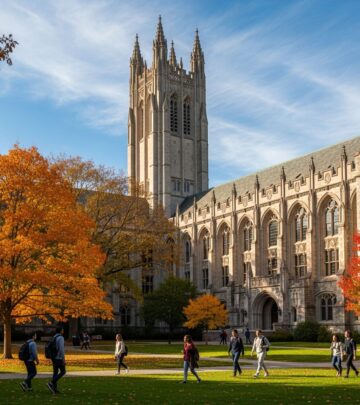
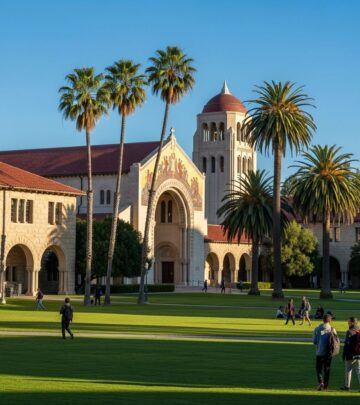
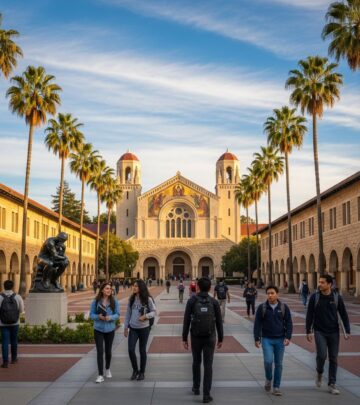
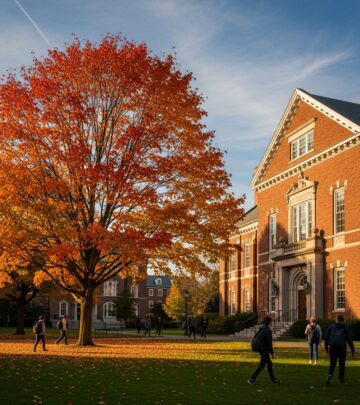
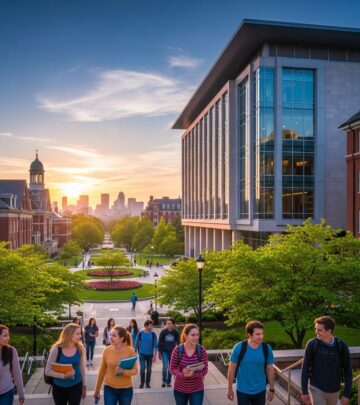
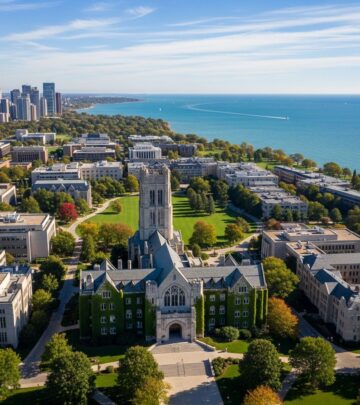
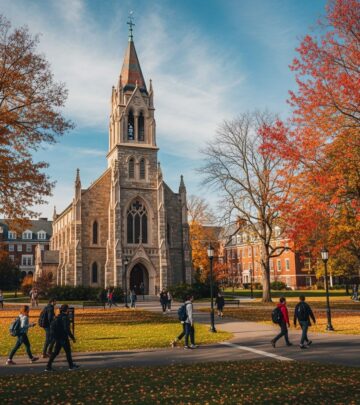
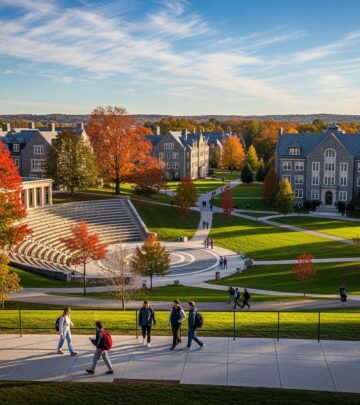
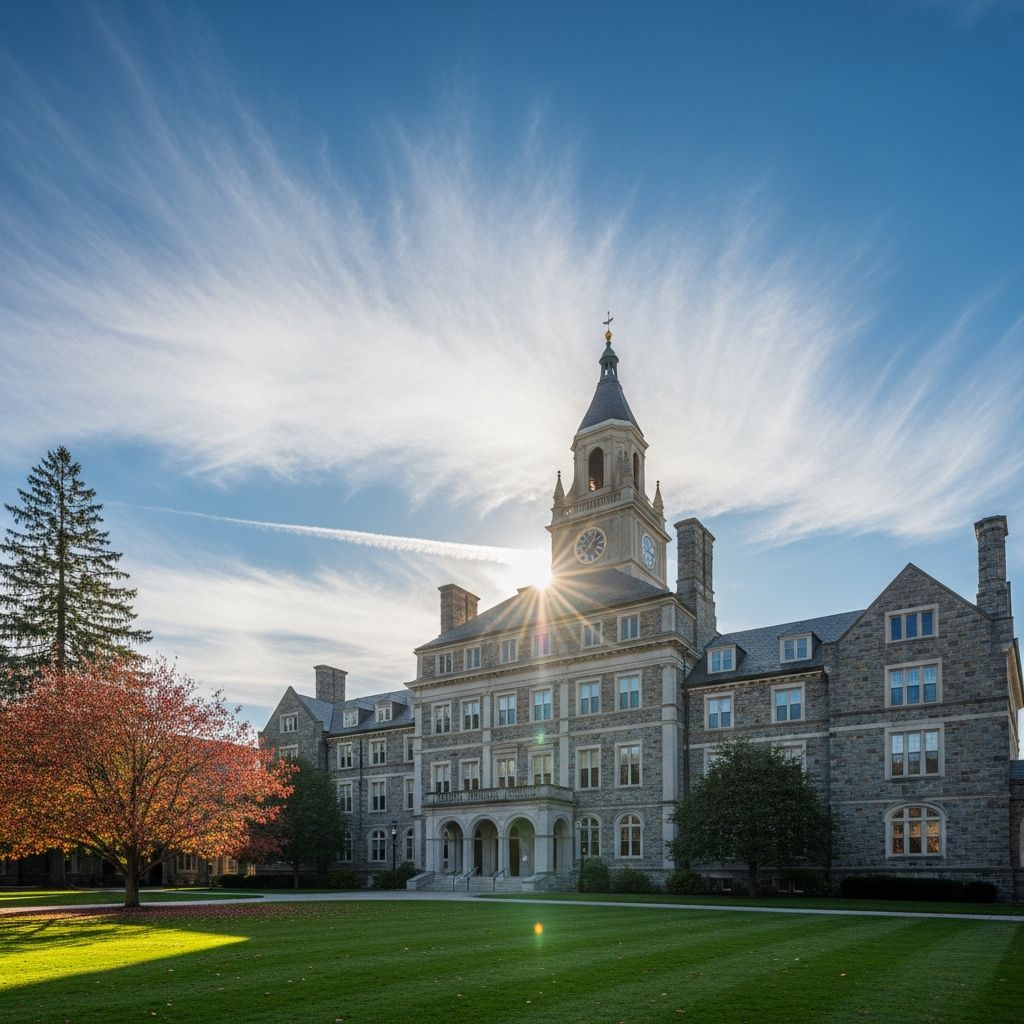
Princeton’s campus is renowned for its beauty and distinctive character. The university features a park-like setting with ivy-covered Gothic-style buildings that create an aesthetically inspiring environment for learning. The campus design reflects the university’s historical heritage while providing modern facilities and resources for student success. This beautiful setting contributes to the overall student experience and has made Princeton’s campus one of the country’s most visually distinctive institutions.
Social Life and Student Organizations
While Greek life plays a minimal role at Princeton, the university has developed unique social structures that define student life. Most juniors and seniors belong to exclusive “eating clubs,” which serve as social and dining centers for upperclassmen. Some of these clubs operate through a selective admissions process, adding to their prestige and allure.
Beyond eating clubs, Princeton offers a vibrant array of student organizations, clubs, and activities that cater to diverse interests. Students can engage in academic clubs, cultural organizations, service groups, and recreational activities that foster community and belonging.
Athletics
Princeton Athletics competes in NCAA Division I, with the Tigers participating in various intercollegiate sports. While sports events typically draw smaller crowds compared to larger state universities, the university maintains a strong athletic tradition. One particularly notable tradition occurs when the football team defeats both Yale and Harvard—the university holds a ceremonial bonfire on Cannon Green, celebrating this rare achievement and honoring Princeton’s rivalry history with these prestigious opponents.
Graduation Rates and Student Success
Princeton boasts an exceptional graduation rate of 96-98%, significantly higher than the national average. This high graduation rate reflects the university’s commitment to student success, comprehensive support services, and the dedication of its student body. Combined with the financial aid that prevents students from leaving due to economic hardship, this graduation rate demonstrates Princeton’s effectiveness in supporting students from enrollment through degree completion.
Ranking and Recognition
Princeton’s standing among America’s best colleges is based on comprehensive evaluation of multiple factors: These include graduation rates, net prices, financial aid availability, student outcomes, and overall return on investment. The university consistently ranks as the second-highest Ivy League school in Money’s Best Colleges rankings, following only MIT among selective institutions in the Northeast. This sustained excellence across multiple ranking methodologies confirms Princeton’s position as a leader in higher education.
Admission and Selectivity
Princeton maintains one of the most selective admission processes in the country, reflecting the high demand for admission and the university’s commitment to enrolling the most accomplished students. The application process is highly competitive, with the university seeking students who demonstrate exceptional academic achievement, intellectual curiosity, and potential for contribution to the Princeton community.
Comparison with Peer Institutions
| Institution | Location | Estimated Price with Aid | Graduation Rate | Early Career Earnings |
|---|---|---|---|---|
| Princeton University | Princeton, NJ | $19,700 | 96% | $95,690 |
| Yale University | New Haven, CT | $18,500 | 97% | $88,660 |
| Harvard University | Cambridge, MA | $19,000 | 98% | $84,920 |
| MIT | Boston, MA | $21,100 | 94% | $111,220 |
Why Choose Princeton?
Princeton University offers a compelling combination of benefits that distinguish it from other institutions. Students receive an elite education from world-renowned faculty, graduate with strong earning potential, and do so with minimal financial burden. The beautiful campus provides an inspiring setting for intellectual growth, while the residential community fosters meaningful relationships and personal development.
Frequently Asked Questions
Q: What is Princeton University’s acceptance rate?
A: Princeton maintains one of the most selective admission rates among U.S. universities, typically accepting less than 5% of applicants, making it one of the most competitive schools in the nation.
Q: How much does it cost to attend Princeton University?
A: The estimated price with average financial aid is approximately $19,700 annually. However, actual costs vary significantly based on individual family circumstances, with 60% of students receiving some financial aid and many paying substantially less.
Q: Does Princeton offer need-blind admissions?
A: Yes, Princeton practices need-blind admissions and meets 100% of demonstrated financial need for all admitted students, ensuring that financial circumstances do not impact admission decisions.
Q: What percentage of Princeton students graduate without debt?
A: More than 80% of Princeton students graduate without any student debt, thanks to the university’s generous grant-based financial aid program.
Q: What is the campus like at Princeton?
A: Princeton features a beautiful, park-like campus with ivy-covered Gothic-style buildings that have made it one of the country’s most visually distinctive and aesthetically inspiring college campuses.
Q: Are there fraternities and sororities at Princeton?
A: Greek life is minimal at Princeton. Instead, most juniors and seniors are part of exclusive eating clubs that serve similar social functions to Greek organizations.
Q: What are the career prospects for Princeton graduates?
A: Princeton graduates enjoy exceptional career outcomes with early-career median salaries ranging from $95,690 to over $110,000 annually, reflecting strong employer demand for Princeton-educated professionals.
References
- Princeton University Complete Profile | Best College 2023 — Money Magazine. June 25, 2025. https://money.com/best-colleges-2023/profile/princeton-university/
Similar Articles








Read full bio of medha deb