Price Ceiling: Definition, Examples & Economic Effects
Understanding government price ceilings: How maximum price limits affect markets, consumers, and suppliers.
What Is a Price Ceiling?
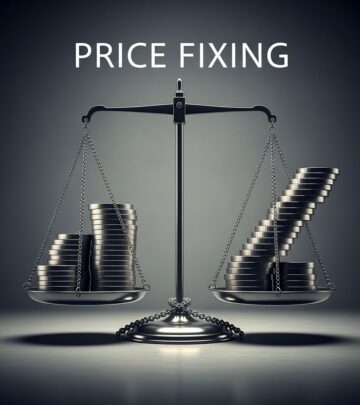
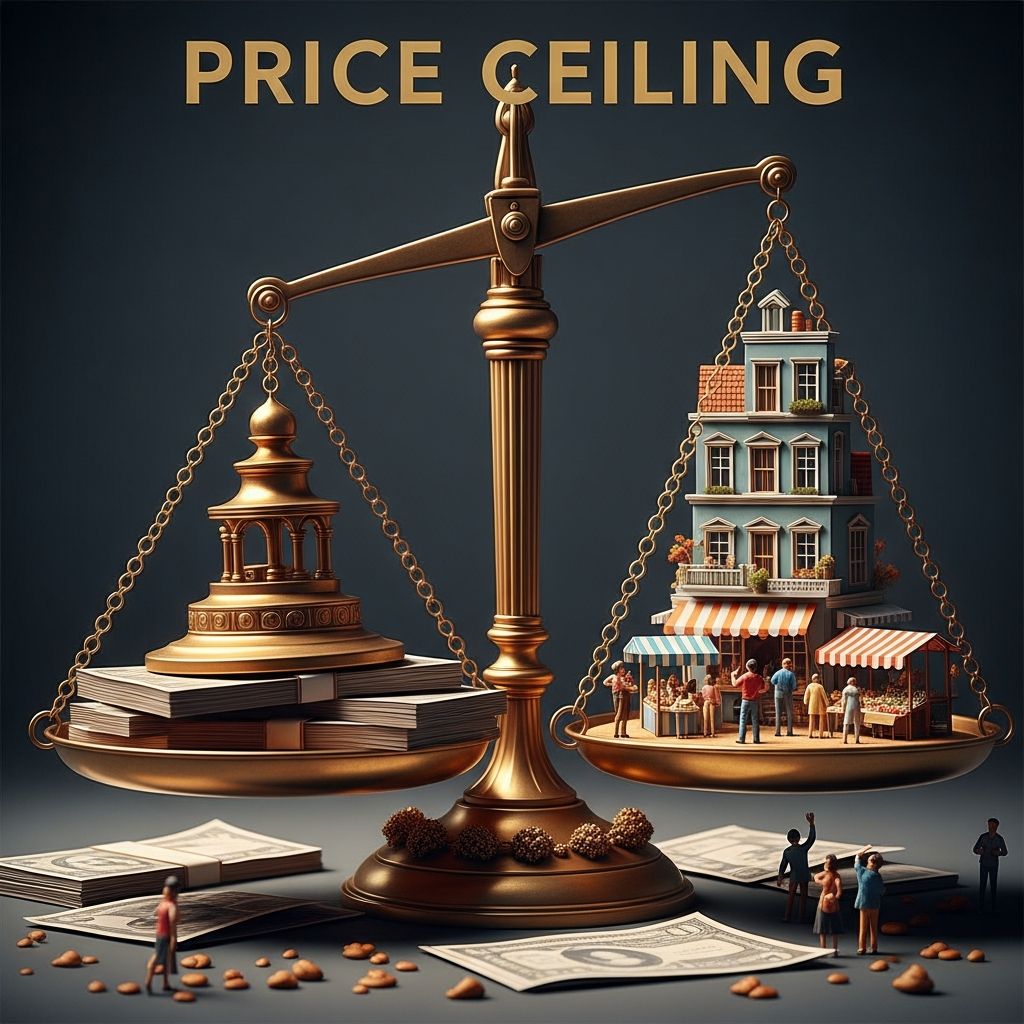
A price ceiling is a government-imposed legal maximum price that sellers cannot legally exceed when charging for a good or service. It represents a form of price control implemented by governmental or regulatory bodies to protect consumers from what policymakers consider excessively high prices, particularly for essential goods and services. The fundamental purpose of establishing a price ceiling is to ensure affordability and accessibility, especially during times of economic crisis, inflation, or when rapid demand surges create market instability.
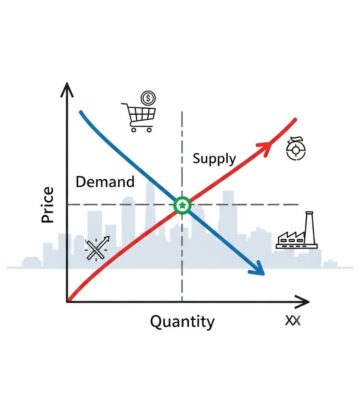
For a price ceiling to be effective in influencing market behavior, it must be set below the natural equilibrium price—the price point where the quantity of goods suppliers are willing to provide exactly matches the quantity consumers want to purchase. If a price ceiling is set at or above the equilibrium price, it becomes non-binding and has virtually no effect on market transactions, as market prices naturally remain below the ceiling anyway.
How Price Ceilings Work
Understanding the mechanics of price ceilings requires examining how they interact with fundamental economic principles of supply and demand. When governments implement an effective price ceiling below market equilibrium, several immediate consequences occur in the marketplace.
The Binding Price Ceiling Effect
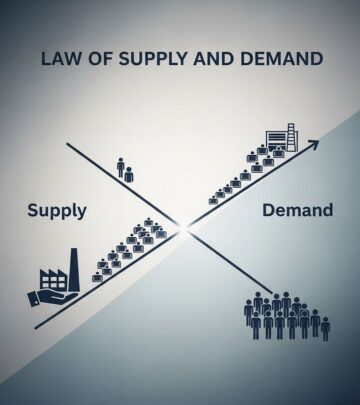
When a price ceiling is set below equilibrium, it becomes “binding,” meaning it directly constrains market activity. At the artificially lower price mandated by the ceiling, the quantity of goods consumers demand increases significantly while the quantity suppliers are willing to produce decreases. This divergence creates what economists call excess demand—a situation where consumers want to purchase more of the good than suppliers are willing to provide at that price.
Supply and Demand Imbalance
The natural consequence of this supply-demand mismatch is the emergence of shortages. Producers, facing reduced profit margins or potential losses when forced to sell below their cost of production, reduce output or exit the market entirely. Simultaneously, consumers, attracted by the artificially low prices, increase their purchase attempts. The result is empty shelves, long waiting lines, and rationing mechanisms emerging to allocate the limited supply among competing consumers.
Real-World Examples of Price Ceilings
Rent Control
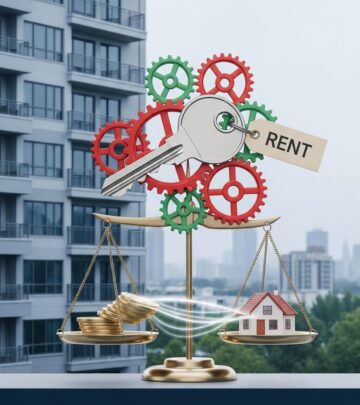
Perhaps the most prominent and enduring example of price ceilings in the United States is rent control. After World War II, returning soldiers created massive demand for housing as they established families. Landlords, responding to this surge in demand, significantly increased rents. In response, governments in major cities like New York implemented rent control measures, establishing maximum legal rents that landlords could charge tenants. These regulations typically include provisions limiting annual rent increases as well. While rent control aims to protect tenants from displacement due to skyrocketing housing costs, critics argue it discourages new housing construction and building maintenance, ultimately reducing the housing supply available to renters.
Gasoline Price Caps
During periods of energy crisis or rapid fuel price increases, governments have imposed temporary price ceilings on gasoline. These caps prevent gas stations from charging prices above specified levels, intended to keep fuel affordable for consumers. However, such controls often lead to long lines at gas pumps, rationing schemes, and shortages as suppliers reduce distribution when margins shrink.
Healthcare and Insurance Reimbursement
Health insurance companies frequently establish price ceilings on reimbursement rates for medical services. These maximum reimbursement limits cap how much insurers will pay doctors or reimburse patients for specific procedures or treatments. While these ceilings aim to control healthcare costs and keep insurance premiums manageable, they can discourage medical professionals from providing certain services or accepting insurance patients.
Essential Goods During Emergencies
During natural disasters, pandemics, or other emergencies, governments may impose price ceilings on essential items like food, water, fuel, and medicines. These controls prevent price gouging and ensure vulnerable populations can afford necessities, though they may also create temporary shortages if supply chains are disrupted.
Key Characteristics of Price Ceilings
Price ceilings possess several defining characteristics that distinguish them from other economic policies:
Legal Enforceability
Price ceilings are legally binding restrictions. Sellers who violate them face penalties, fines, or prosecution. This mandatory nature differentiates them from voluntary pricing recommendations or guidelines.
Below-Equilibrium Setting
To achieve their intended effect, price ceilings must be established below the market equilibrium price. Otherwise, they have no practical impact on market transactions since prices would naturally settle below the non-binding ceiling anyway.
Shortage Creation
Effective price ceilings typically generate shortages. As suppliers face reduced profitability and consumers face artificially low prices, quantity demanded exceeds quantity supplied, creating persistent excess demand.
Consumer Protection Intent
The fundamental motivation behind price ceilings is protecting consumers, particularly lower-income individuals, from unaffordable prices for essential goods and services.
Economic Consequences of Price Ceilings
Deadweight Loss
One of the most significant economic consequences of effective price ceilings is the creation of deadweight loss—a measure of economic inefficiency. Deadweight loss represents the loss of economic efficiency when market equilibrium is not achieved. In price ceiling situations, the total economic surplus (the sum of consumer and producer surplus) decreases, indicating that resources are not allocated efficiently. Some potential gains to consumers and producers are simply destroyed through this market distortion.
Producer Surplus Reduction
Producers experience substantial reductions in surplus when price ceilings take effect. The lower mandated prices mean reduced revenue even if sales volume remains constant. Many producers may decide that producing at ceiling prices doesn’t justify their costs, leading them to reduce output, switch to other products, or exit the market entirely.
Quality Degradation
Faced with price constraints that reduce profit margins, producers often respond by cutting costs to maintain viability. This frequently means reducing product quality, using cheaper materials, providing fewer features, or delivering inferior service. What consumers gain in affordability, they may lose in quality.
Market Inefficiency and Allocation Problems
Price ceilings prevent prices from functioning as efficient allocation mechanisms. Normally, prices signal to producers what consumers value and in what quantities. Artificially suppressed prices distort these signals, leading to inefficient resource allocation. Goods may go to those willing to wait in lines rather than those who value them most.
Black Markets and Illegal Transactions
When legal supply cannot meet demand at ceiling prices, illegal markets often emerge. Consumers desperate for goods may purchase from unauthorized sellers at prices exceeding the legal ceiling. This underground economic activity escapes taxation, regulation, and consumer protection, creating additional social problems while undermining the ceiling’s original intent.
Price Ceilings vs. Price Floors
| Aspect | Price Ceiling | Price Floor |
|---|---|---|
| Definition | Maximum legal price for a good or service | Minimum legal price for a good or service |
| Primary Goal | Consumer protection; ensure affordability | Producer protection; ensure fair compensation |
| Set Relative to Equilibrium | Below equilibrium price | Above equilibrium price |
| Creates | Shortages (excess demand) | Surpluses (excess supply) |
| Common Examples | Rent control, gasoline caps | Minimum wage, agricultural price supports |
| Beneficiary | Consumers (in theory) | Producers/workers (in theory) |
Effectiveness and Challenges of Price Ceilings
When Price Ceilings Are Ineffective
A price ceiling set at or above the market equilibrium price is non-binding and ineffective. It does not change market participants’ behavior because natural market prices already settle below the ceiling. No shortages develop, no deadweight loss occurs, and markets function as though the ceiling does not exist. Such ceilings typically reflect political posturing rather than genuine price control.
Implementation Challenges
Determining the appropriate ceiling price presents significant challenges. Set too high, ceilings fail to achieve their protective intent. Set too low, they create severe shortages and producer losses. Additionally, maintaining effective price ceilings requires constant monitoring and enforcement to prevent black market activity and ensure compliance across diverse markets.
Unintended Negative Consequences
While intended to help consumers, effective price ceilings frequently generate unintended negative effects. Reduced producer incentives discourage innovation, investment, and market entry. Quality declines harm consumers despite lower nominal prices. Rationing by waiting time or bureaucratic processes may create inefficiencies and corruption. The most vulnerable consumers—those least able to navigate waiting lines or black markets—may ultimately suffer most under price controls.
Policy Debates Surrounding Price Ceilings
Economists and policymakers actively debate the merits and drawbacks of price ceilings. Supporters argue they protect vulnerable populations from price gouging and ensure access to essential goods during crises. Critics contend that price ceilings create more problems than they solve, generating shortages, reducing quality, encouraging illegal markets, and ultimately harming the populations they intend to help.
This ongoing debate reflects fundamental disagreements about government’s role in markets. Proponents favor direct intervention to address immediate affordability concerns, while opponents prefer allowing market mechanisms to equilibrate prices and quantities naturally over time.
Activities and Applications Related to Price Ceilings
Price ceilings generate numerous activities and responses across the economy:
Governments establish maximum prices for essential goods during crises or periods of high inflation. Businesses must adjust pricing strategies and operational practices to comply with legal limits. Producers may reduce supply, modify product specifications, or exit markets when profitability disappears. Consumers experience both benefits (lower nominal prices) and costs (potential shortages, reduced quality, waiting lines). Black markets emerge to serve excess demand at prices above the ceiling. Rationing mechanisms develop—whether through queuing, lottery systems, or bureaucratic allocation. Policy advocates debate effectiveness and propose alternative approaches like subsidies or temporary production increases.
Frequently Asked Questions
Q: What is the primary purpose of implementing a price ceiling?
A: The primary purpose is to protect consumers from excessively high prices for essential goods and services, particularly during emergencies, economic crises, or periods of rapid price inflation. Price ceilings aim to ensure affordability and accessibility for vulnerable populations.
Q: Why must a price ceiling be set below equilibrium to be effective?
A: If set at or above the equilibrium price, a price ceiling becomes non-binding because market prices naturally settle below that level anyway. The ceiling must be below equilibrium to actually constrain prices and create the intended effect of lowering prices below what the market would otherwise produce.
Q: What is deadweight loss in the context of price ceilings?
A: Deadweight loss represents the reduction in total economic surplus (consumer plus producer surplus) resulting from the market inefficiency created by price ceilings. It measures the economic value lost due to resources not being allocated to their highest-value uses.
Q: How do price ceilings lead to product shortages?
A: When prices are artificially suppressed below equilibrium, producers face reduced profitability and may reduce production or exit the market entirely. Simultaneously, consumers, attracted by lower prices, increase purchases. This creates excess demand—quantity demanded exceeds quantity supplied—resulting in shortages.
Q: What role do black markets play when price ceilings are implemented?
A: Black markets emerge when legal supply cannot satisfy demand at ceiling prices. Consumers seeking unavailable goods may purchase from illegal sellers at prices above the legal ceiling. These unlicensed markets escape regulation and taxation while undermining the ceiling’s original consumer protection intent.
Q: How do price ceilings differ from price floors?
A: Price ceilings set maximum prices to protect consumers, while price floors set minimum prices to protect producers. Ceilings set below equilibrium create shortages; floors set above equilibrium create surpluses. Minimum wage laws exemplify price floors, while rent control exemplifies price ceilings.
Q: Can price ceilings cause quality degradation?
A: Yes. When price ceilings reduce profit margins significantly, producers often respond by cutting costs through cheaper materials, reduced features, lower service standards, or diminished durability. Consumers may pay lower prices but receive inferior quality products.
Q: Are there situations where price ceilings are ineffective?
A: Yes. Price ceilings are ineffective when set at or above the market equilibrium price. Since market prices naturally settle below such ceilings anyway, they have no practical effect on market transactions or participant behavior.
References
- Price Ceiling: Definition, Examples & Economic Effects — Investopedia. https://www.investopedia.com/terms/p/price-ceiling.asp
- Microeconomic Policy: Price Ceilings and Price Floors — U.S. Federal Reserve Educational Resources. https://www.federalreservehistory.org/
- Price Control and Market Distortions — OECD Economic Outlook. https://www.oecd.org/
- Principles of Economics: Supply, Demand, and Government Intervention — MIT OpenCourseWare. https://ocw.mit.edu/
- Price Regulation and Consumer Protection Policy — World Bank Development Economics Research Group. https://www.worldbank.org/
Similar Articles








Read full bio of medha deb