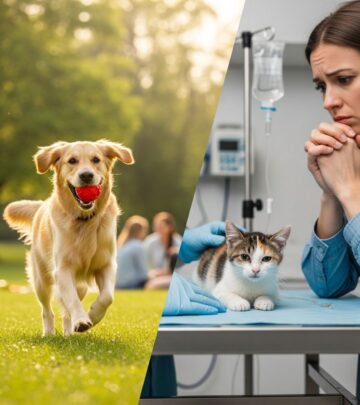
Should You Add Preventive Care to Pet Insurance?
Learn how preventive care add-ons work, what they cover, and when they can save you money on your pet’s routine vet bills.

Preventive Care Add-Ons: A Complete Pet Insurance Guide
Preventive care add-ons are optional benefits you can attach to a standard pet insurance policy to help pay for routine and wellness services like checkups, vaccines, and screening tests. Instead of only getting help when your pet is sick or injured, preventive coverage gives you partial reimbursement for the ongoing care that keeps them healthy in the first place.
This guide explains how these add-ons work, what they cover, how they differ from regular pet insurance, and how to decide whether they make financial and medical sense for your pet.
What Is Preventive Care in Pet Insurance?
Preventive care (also called wellness or routine care) refers to veterinary services designed to prevent disease, catch issues early, and maintain your pet’s long-term health.
Common examples include:
- Annual or biannual wellness exams
- Core and lifestyle vaccines (e.g., rabies, distemper, parvovirus, feline viral vaccines)
- Parasite prevention and screening (fleas, ticks, heartworm, intestinal worms)
- Basic diagnostic screening such as fecal tests or blood tests
- Spay/neuter surgery and microchipping in some plans
- Routine dental cleanings to prevent periodontal disease
Most standard pet insurance policies cover unexpected accidents and illnesses, not these predictable wellness services. Preventive care add-ons close that gap.
How Preventive Care Add-Ons Work
Preventive care add-ons are attached to a base accident-and-illness plan for an extra monthly fee. They typically use a benefit schedule, which lists each covered service and the maximum amount you can be reimbursed for every policy year.
Key Features of Preventive Add-Ons
- Optional add-on: You must first buy a core pet insurance policy; preventive care is not usually sold as a stand-alone policy.
- Fixed annual limits: Each wellness service has a capped reimbursement amount per year (for example, up to a set amount for vaccines or dental cleaning).
- No deductible in many plans: Many wellness add-ons do not require you to meet your accident/illness deductible before you can claim routine benefits.
- No or minimal waiting period: Some insurers make wellness benefits available immediately or with very short waiting periods compared with major medical coverage.
- Licensed vet requirement: Services usually must be provided by a licensed veterinarian to qualify for reimbursement.
Typical Coverage Limits: Example Table
The precise amounts vary by company, but many insurers offer tiered preventive options (for example, a basic and a more generous plan) with set totals. Here is a simplified example modelled on typical market offerings:
| Service Category | Basic Preventive Plan (Example) | Enhanced Preventive Plan (Example) |
|---|---|---|
| Annual wellness exam | Reimburse up to $50/year | Reimburse up to $75/year |
| Vaccinations & parasite prevention | Up to $75/year combined | Up to $100/year combined |
| Spay/neuter or dental cleaning | Up to $100/year | Up to $150/year |
| Health screening tests | Up to $65/year | Up to $100/year |
| Microchip/behavior training/health certificate | Up to $60/year | Up to $120/year |
| Deworming | Up to $15/year | Up to $30/year |
| Total annual preventive benefit | Up to $365/year | Up to $575/year |
These figures are illustrative and based on common preventive benefit levels described by major insurers. Always check the detailed benefit schedule for your own policy.
What Preventive Care Add-Ons Commonly Cover
While each company defines its own list, many preventive care riders include similar core categories.
1. Wellness Exams
Wellness exams are comprehensive checkups that allow a veterinarian to assess your pet’s overall health, weight, behavior, dental status, and risk factors. Annual or twice-yearly exams are recommended by veterinary associations because they make it easier to detect disease early.
- Physical exam from nose to tail
- Review of medical history and lifestyle (indoor/outdoor, travel, diet, behavior)
- Discussion of vaccines, parasite control, nutrition, and weight management
2. Vaccinations
Vaccines protect pets from serious infectious diseases such as rabies, distemper, parvovirus, and feline panleukopenia. Many wellness add-ons reimburse for basic core vaccines and sometimes lifestyle vaccines (for example, Lyme or Bordetella) up to an annual maximum.
- Core vaccines (e.g., rabies, distemper/parvo combinations, FVRCP in cats)
- Optional or regional vaccines (e.g., Lyme, Bordetella, feline leukemia) where medically indicated
3. Parasite Prevention and Screening
Preventive care packages frequently cover either medications, testing, or both.
- Flea and tick prevention medications
- Heartworm prevention and annual heartworm blood test
- Fecal exams to check for intestinal worms
- Deworming treatments
Heartworm disease, for example, can be life-threatening for dogs and is present in many regions; U.S. health authorities and veterinary groups strongly support year-round prevention as a standard of care.
4. Routine Dental Care
Dental disease is one of the most common conditions in dogs and cats, and poor oral health is linked to pain, tooth loss, and in some cases systemic disease. Many accident-and-illness policies cover treatment for dental illness but not prophylactic dental cleanings. Those cleanings are often included only under wellness or preventive add-ons.
- Professional dental cleaning under anesthesia
- Polishing and dental X-rays in some plans
5. Spay/Neuter and Microchipping
Some preventive plans reimburse part of the cost of spay or neuter surgery and microchipping, particularly in puppy and kitten packages.
- One-time contribution toward spay/neuter
- Microchipping fee or registration reimbursement
6. Additional Routine Services
Depending on the insurer and tier, preventive care riders may also include:
- Routine bloodwork and urinalysis
- Health certificates for travel
- Behavior training allowance (limited)
- Certain wellness consults (for example, nutrition counseling)
Preventive Care vs. Core Pet Insurance
Preventive care plans and traditional pet insurance serve different—but complementary—roles.
| Feature | Preventive Care Add-On | Standard Pet Insurance (Accident & Illness) |
|---|---|---|
| Primary focus | Routine and wellness services | Unexpected accidents, injuries, and illnesses |
| Examples of covered care | Exams, vaccines, dental cleaning, parasite prevention | Hospitalization, surgery, diagnostics, cancer care, emergency treatment |
| Cost structure | Small flat add-on fee; fixed reimbursement amounts per service | Monthly premium plus deductible and coinsurance; percentage reimbursement of covered bills |
| Risk type | Predictable expenses you can plan for | Financially catastrophic or unpredictable expenses |
| Standalone availability | Usually must be paired with a base policy | Sold as the main product |
Costs and Potential Savings
Preventive add-ons trade higher predictability for limited upside savings. You pay an extra monthly fee—in exchange, the insurer helps cover certain routine services up to set maximums annually.
How Insurers Set Value
- Premium vs. maximum benefit: If you pay, for example, $20 a month ($240 a year) for a preventive plan with a $365 annual benefit cap, the theoretical maximum value is $365, but you will only reach that if you use every eligible service.
- Use-it-or-lose-it structure: With benefit schedules, unused services still cost you in premiums, which is why using all your eligible benefits is key to maximizing value.
- No deductible on wellness: Because many wellness riders have no deductible, the break-even point is easier to calculate than for traditional medical coverage.
When Preventive Add-Ons Might Save You Money
Preventive care coverage has the greatest chance of being cost-effective when:
- You reliably schedule all recommended routine care every year
- Your pet is young and needs high-cost preventive services like spay/neuter and initial vaccine series
- Your chosen plan reimburses generously for services you would pay for anyway (e.g., annual exam, vaccines, bloodwork, dental cleanings)
- You value budgeting a steady monthly cost over unpredictable large invoices
When It May Not Be Necessary
On the other hand, preventive care riders may not be a must-have if:
- You are highly price-sensitive and need to prioritize core accident-and-illness coverage first
- Your pet already had major one-time preventive procedures such as spay/neuter
- You prefer to pay for routine care out of pocket and use insurance primarily for high-cost, unexpected events
Health Benefits of Preventive Care for Pets
From a medical standpoint, preventive care is strongly supported by veterinary and public-health organizations because it reduces disease burden and can decrease long-term costs.
- Early detection: Regular exams and screening tests catch chronic conditions, dental disease, and organ dysfunction before they become advanced and costly to treat.
- Infectious disease control: Vaccination and parasite prevention programs lower the risk of serious illnesses in pets and reduce zoonotic disease risks to humans.
- Better quality of life: Ongoing dental care, weight management, and behavior support all contribute to longer, more comfortable lives for dogs and cats.
How to Decide If a Preventive Care Add-On Is Right for You
Choosing whether to add preventive care involves both financial calculations and personal preferences.
1. List the Preventive Care You Already Use
Start by outlining what your pet typically needs in a year:
- Number of wellness visits
- Vaccines, tests, and refills for parasite preventives
- Routine bloodwork and fecal exams
- Dental cleanings and any planned procedures such as microchipping or spay/neuter
2. Compare Annual Costs With and Without an Add-On
Next, compare estimated out-of-pocket costs to the total maximum reimbursement from the add-on minus the extra premium:
- Ask your vet for price estimates for each service.
- Check the insurer’s benefit schedule to see the maximum the plan will pay for each category.
- Factor in the yearly cost of the add-on itself.
If you would comfortably use most included services and the reimbursable total exceeds your premiums, the plan may offer good value.
3. Consider Your Budgeting Style
- If you prefer predictable monthly expenses and avoid surprise bills, you may appreciate the structure of wellness coverage.
- If you are comfortable setting aside savings specifically for routine vet care, paying out of pocket might be simpler.
4. Read the Fine Print Carefully
Before adding any wellness rider, review the policy documents for:
- Eligibility limits: Breed, age, or pre-existing condition restrictions for certain services
- Service caps: Maximum reimbursement amounts and how often you can claim them (e.g., once per year for a dental cleaning)
- Exclusions: Grooming, cosmetic procedures, and non-medical services are typically not covered
Frequently Asked Questions (FAQs)
Q: Does pet insurance automatically include preventive care?
A: No. Most standard accident-and-illness policies cover only unexpected injuries and illnesses, not routine exams, vaccines, or parasite prevention. Preventive care is usually available only as an optional add-on or separate wellness plan.
Q: What is the difference between a wellness plan and a preventive care add-on?
A: The terms are often used interchangeably. Some providers sell stand-alone wellness plans that only cover routine care, while others offer preventive care as a rider attached to a full pet insurance policy. In both cases, coverage usually follows a fixed benefit schedule for specific services.
Q: Are preventive care add-ons worth it?
A: They can be valuable if you consistently use most of the covered services each year and your reimbursement totals exceed the added premium. They are less useful if you skip routine care or prefer to pay for predictable expenses yourself while relying on insurance mainly for large, unexpected veterinary bills.
Q: Do preventive care plans have deductibles?
A: Many wellness or preventive care riders are not subject to the same deductible as accident-and-illness coverage, meaning you can be reimbursed up to the scheduled amount for each service without first meeting a deductible threshold.
Q: What preventive services are usually not covered?
A: Coverage varies, but grooming, cosmetic procedures, and elective services not deemed medically necessary are generally excluded. Some lower-tier plans may also omit spay/neuter, microchipping, or certain screening tests, so it is important to verify what is and is not listed in the benefit schedule.
References
- Preventive Care Coverage — ASPCA Pet Health Insurance. 2023-10-10. https://www.aspcapetinsurance.com/research-and-compare/pet-insurance-basics/preventive-care/
- Preventive Care – Pet Wellness Plan — MetLife Pet Insurance. 2024-04-02. https://www.metlifepetinsurance.com/preventive-care/
- Pet Insurance Add-Ons and Riders: Are They Worth the Cost? — Bankrate. 2024-01-05. https://www.bankrate.com/insurance/pet-insurance/pet-insurance-add-ons-and-riders/
- Pet Wellness Insurance: Is an Add-On for Preventive Care Worth It? — Rover. 2023-07-18. https://www.rover.com/blog/pet-wellness-insurance/
- The Differences Between Pet Insurance and Preventive Care — Pumpkin Pet Insurance. 2023-09-12. https://www.pumpkin.care/post/pet-insurance-preventive-care
- What Is a Preventive Care Package for Pets? — Banfield Pet Hospital. 2023-03-20. https://www.banfield.com/products/optimum-wellness-plan/what-is-a-preventive-care-package
- Routine Care/Wellness Add-Ons — Pawlicy Advisor. 2022-11-01. https://www.pawlicy.com/dictionary/routine-care-wellness-add-on/
- What Is Preventive Care for Dogs and Cats? — Fetch Pet Insurance. 2023-06-08. https://www.fetchpet.com/faqs/what-is-preventive-care-for-animals
Similar Articles








Read full bio of Sneha Tete