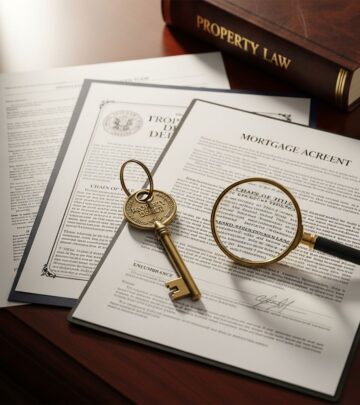
Property Fraud: 6 Steps To Stop Title Theft
Essential strategies to shield your home and financial future from sophisticated real estate scams and identity exploitation.

Property fraud theft, a form of identity theft targeting real estate assets, endangers homeowners by allowing criminals to forge documents and seize control of valuable properties. This guide outlines practical defenses, early detection techniques, and recovery actions to secure your most significant investment.
Understanding the Growing Threat of Property Fraud
Real estate transactions involve high-value assets often exceeding hundreds of thousands of dollars, making homes prime targets for fraudsters. Criminals exploit personal information to file fake deeds, secure unauthorized loans, or sell properties without owners’ knowledge. With digital transactions rising, vulnerabilities have increased, as noted in industry analyses where over 25% of deals face fraud risks.
Fraudsters use stolen identities to impersonate owners, accessing public records to alter titles. Common tactics include deed forgery, home equity line of credit (HELOC) scams, and synthetic identities created with fabricated data. The U.S. faces billions in annual losses from such schemes, underscoring the urgency for proactive measures.
Core Digital Security Measures for Homeowners
Fortifying online protections forms the foundation of defense against property fraud. Begin by ensuring all devices run the most current antivirus and anti-malware software to block unauthorized access to sensitive files.
- Password Optimization: Craft complex passwords combining uppercase, lowercase letters, numbers, and symbols. Avoid reusing credentials across sites; employ password managers for generation and storage.
- Multifactor Authentication (MFA): Activate MFA on financial, email, and real estate portals. This adds layers like SMS codes or app approvals, thwarting 99% of account takeover attempts.
- Encryption Practices: Transmit documents via encrypted channels, avoiding public Wi-Fi for transactions involving personal or financial details.
These steps minimize data breaches, the primary entry point for fraudsters targeting property records.
Proactive Credit and Property Monitoring
Regular vigilance over financial and property records detects anomalies early. Access free weekly credit reports from major bureaus to spot unauthorized loans or inquiries.
| Monitoring Tool | Description | Benefits |
|---|---|---|
| Credit Report Reviews | Check for unknown accounts like HELOCs | Free alerts on changes; prevents loan fraud |
| Property Record Alerts | County clerk notifications for deed filings | Instant emails on changes; free in many areas |
| Google Alerts | Track your address online | Catches unauthorized listings quickly |
| Credit Freezes | Block new account openings | Stronger than fraud alerts; reversible |
Enroll in local property fraud alert systems by searching “[Your County] Property Fraud Alert.” For absentee owners, schedule monthly manual checks of public records. Services like credit monitoring notify of suspicious activity, allowing swift intervention.
Advanced Identity Verification in Transactions
During buying or selling, demand rigorous identity checks. Real estate professionals should verify parties via government-issued IDs, SSNs, and biometric tools.
- Knowledge-Based Authentication: Quizzes using public records confirm legitimate knowledge.
- Biometric Scans: Facial recognition or fingerprints match against documents, countering deepfakes.
- Business Vetting: Confirm licenses and screen against watchlists for compliance.
Technologies like AI-driven ID analysis support over 6,500 document types, issuing confidence scores to flag risks. Integrate these with KYC protocols to secure deals.
Title Insurance and Specialized Protections
Title insurance safeguards against forged claims post-purchase. Lenders often require it; owners can add policies covering legal fees for disputes.
Monitoring services like those from title lock companies scan records nationwide, alerting to filings in your name. While not insurance, they provide rapid response support.
Recognizing and Evading Common Scams
Stay informed via FTC, BBB, and state AG alerts on evolving tactics. Watch for:
- Phishing emails mimicking lenders requesting urgent document uploads.
- Unsolicited offers to “help” with title issues.
- Fake wire transfer demands during closings.
Verify all communications independently. Shred documents with PII before disposal, and opt into do-not-call lists to curb data harvesting.
Immediate Response if Fraud Occurs
Act fast upon suspicion:
- Notify Lenders: Report fraudulent loans immediately.
- Update Credentials: Change passwords across accounts.
- Impose Credit Freeze: Contact all three bureaus separately.
- File Police Report: Essential for creditor disputes and investigations.
- Place Fraud Alert: Flags reports for one year.
- Dispute Errors: Challenge false records with bureaus.
These coordinated steps limit damage and aid recovery.
Industry Best Practices for Real Estate Pros
Agents and firms must prioritize cybersecurity:
- Encrypt client data transfers.
- Use secure portals for documents.
- Conduct regular staff training on threats.
Adopt no-code verification APIs for seamless integration, reducing fraud exposure.
Frequently Asked Questions
What is the difference between a credit freeze and fraud alert?
A fraud alert prompts verification for new accounts, while a freeze blocks access entirely until lifted.
Is title insurance mandatory for homeowners?
Lender policies protect the loan; owner policies are optional but recommended for long-term defense.
How often should I check property records?
Monthly for owners, or rely on automated alerts from county offices.
Can I prevent deed theft entirely?
No method is foolproof, but layered protections significantly reduce risks.
What if I rent out my property?
Absentee owners face higher risks; double down on monitoring and PII security.
Long-Term Strategies for Asset Protection
Beyond immediate tactics, cultivate habits like annual security audits and staying abreast of regulatory updates. Collaborate with title companies for thorough searches pre-purchase. Educate family on risks to prevent inadvertent data leaks.
In a digital era, where synthetic identities and AI deepenfakes challenge traditional safeguards, blending technology with vigilance ensures resilience. Homeowners investing in these measures not only protect equity but preserve peace of mind.
References
- How to Avoid Real Estate Identity Theft — Experian. 2023-10-01. https://www.experian.com/blogs/ask-experian/how-to-avoid-real-estate-identity-theft/
- How Authenticate® Combats Identity Theft and Fraud — Authenticate. 2024-05-15. https://authenticate.com/resources/blog/securing-real-estate-industry-identity-theft
- Safeguarding Real Estate: The Importance of Identity Verification — Thomson Reuters Legal Solutions. 2024-02-20. https://legal.thomsonreuters.com/blog/safeguarding-real-estate-the-importance-of-identity-verification/
- 3 Practical Tips You Can Take to Reduce the Risk of Home Title Theft — U.S. Army Fort Bliss. 2023-11-10. https://home.army.mil/bliss/about/news/3-practical-tips-you-can-take-reduce-risk-home-title-theft
- Understanding & Protecting Yourself From Title Fraud — National Association of Realtors. 2024-01-05. https://www.nar.realtor/the-facts/consumer-guide-understanding-protecting-yourself-from-title-fraud
Similar Articles








Read full bio of medha deb