Preventing Credit Card Closures: Expert Tips To Preserve Credit
Discover proven strategies to keep your credit cards active and protect your financial health from unexpected cancellations.
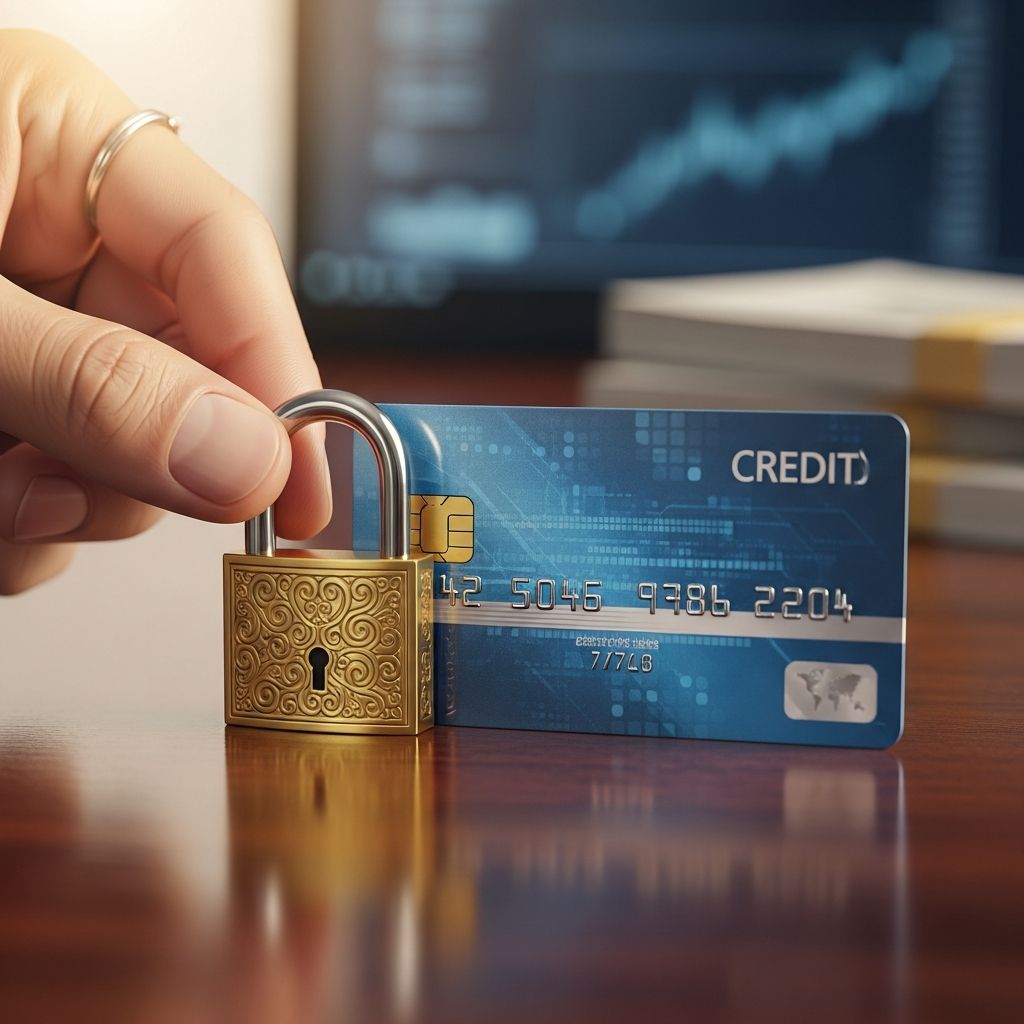
Preventing Credit Card Closures
Credit card issuers can close accounts unexpectedly due to prolonged inactivity or payment issues, potentially harming your credit profile. Proactive habits like consistent usage and prompt payments help maintain open accounts and support long-term financial stability.
Understanding Why Issuers Close Accounts
Credit card companies monitor account activity closely to assess risk and profitability. Accounts dormant for 6 to 12 months often face closure without prior notice, as issuers view them as unprofitable or risky. Similarly, repeated late payments or delinquencies trigger shutdowns to mitigate losses. These actions reduce your total available credit, which can elevate your credit utilization ratio—a key factor in credit scoring models—and shorten the average age of your accounts, further impacting scores.
Inactivity doesn’t just risk closure; it signals to issuers that the card may no longer be needed, prompting them to reclaim unused credit lines. Payment lapses compound this by damaging your payment history, which constitutes about 35% of FICO scores. Early intervention through regular engagement prevents these pitfalls.
Establishing Routine Usage Patterns
To signal ongoing need, integrate low-stakes transactions into your routine. Small, frequent purchases demonstrate activity without straining finances or utilization ratios.
- Monthly Essentials: Charge minor expenses like coffee, gas, or groceries, then pay off immediately to keep balances low.
- Category Designation: Assign specific cards for periodic needs, such as pet supplies or streaming services, ensuring balanced usage across your portfolio.
- Low Utilization Focus: Aim for charges under 10% of the limit to positively influence scores while proving activity.
This approach keeps issuers satisfied and bolsters your credit health. Data shows active accounts with low utilization often receive limit increases, enhancing financial flexibility.
Leveraging Automatic Payments for Reliability
Automation eliminates human error, ensuring bills clear on schedule. Set up autopay for the full statement balance or minimum via your bank’s app or issuer portal.
| Payment Type | Benefits | Best For |
|---|---|---|
| Full Balance Autopay | Avoids interest; builds perfect history | Disciplined spenders |
| Minimum Payment Autopay | Prevents fees; buys time for full payoff | Variable cash flow |
| Recurring Charges | Proves activity; covers small bills | Inactive cards |
Distribute subscriptions across cards—Netflix on one, Spotify on another—to activate dormant accounts. Monitor bank balances to avoid overdrafts, and review statements monthly for accuracy. Consistent autopay fosters a robust payment record, shielding against closures from oversight.
Communicating Proactively with Your Issuer
Direct dialogue often resolves emerging issues before they escalate. Contact customer service if inactivity looms or fees burden viability.
- Dial the number on your card’s back or app.
- Express intent to retain the account and request alternatives like product switches to no-fee options.
- Inquire about hardship programs for temporary setbacks, which may pause fees or adjust terms.
Issuers prefer retaining customers; many offer downgrades preserving credit history and limits. This maintains utilization ratios and account age benefits. For store-specific cards with limited utility, negotiate broader acceptance or closure alternatives.
Navigating Payment Challenges Effectively
Timeliness trumps all for account longevity. Late payments after 30 days report negatively, accumulating damage with each cycle until potential closure. If facing hurdles:
- Prioritize minimums on all cards.
- Negotiate extensions or plans promptly.
- Use balance transfers to consolidate if multiple delinquencies exist.
Paying in full avoids interest (often 20%+ APR) and fortifies scores. Early payments before statement dates report zero balances, optimizing utilization.
Impacts of Closure on Your Credit Profile
Closures ripple through key score components:
- Utilization Spike: Losing limits with unchanged debt raises ratios above 30%, a score drag.
- Account Age Drop: Oldest accounts anchor averages; closures shorten this metric.
- Payment History: Positive closures linger 10 years, but delinquencies persist 7 years.
Issuer-closed accounts may not notify, blindsiding scores. Proactive management averts this; closed-in-good-standing accounts minimize harm.
Strategic Alternatives to Full Cancellation
Before severing ties, explore retention:
- Product Change: Switch to fee-free or rewards-aligned variants, retaining history.
- Limit Preservation: Request holds on credit lines during transitions.
- Recurring Shift: Update billers to new cards pre-closure.
Written confirmations safeguard records. Online chats or secure messages expedite for issuers like Citi.
Building a Resilient Credit Portfolio
Diversify usage: Rotate cards quarterly, track via apps like Mint. Aim for 3-5 open accounts balancing age, limits, and activity. Annual reviews assess fees versus benefits—high-fee cards warrant swaps if unused.
Monitor reports free weekly at AnnualCreditReport.com. Dispute errors promptly. Low utilization (under 10%) and 100% on-time payments propel scores upward, unlocking better rates.
Common Pitfalls and How to Sidestep Them
- Overlooking Dormancy: Set calendar reminders for quarterly swipes.
- Auto-Ignore Statements: Scan for fraud; verify autopay.
- Rush Closures: Pay down debts first; redeem rewards.
- Store Cards Trap: Limit to needs; product-change if obsolete.
Avoid mass closures post-debt payoff; gradual reduction preserves metrics.
Frequently Asked Questions
How long before a card closes from inactivity?
Typically 6-12 months, varying by issuer. Use monthly to stay safe.
Does closure hurt my score?
Yes, via utilization and age impacts, especially oldest accounts.
Can I reopen a closed card?
Swift contact may reinstate; otherwise, reapply as new.
Should I close unused high-fee cards?
Prefer downgrade to retain benefits.
How to check account status?
Review statements, app alerts, and credit reports regularly.
Long-Term Financial Wellness Tips
Integrate cards into budgets wisely. Rewards maximization justifies multiples, but cap at manageable levels. Emergency funds reduce reliance on high-interest debt. Consult non-profits like NFCC for personalized guidance amid struggles.
Sustained vigilance yields elite scores (800+), premium approvals, and savings. Your credit portfolio is an asset—nurture it deliberately.
References
- How to Avoid Credit Card Cancellation — Experian. 2023-10-01. https://www.experian.com/blogs/ask-experian/how-to-avoid-credit-card-cancellation/
- What to Know If Your Credit Card Is Closed Due to Inactivity — NerdWallet. 2024-05-15. https://www.nerdwallet.com/credit-cards/learn/credit-card-cancelled-due-inactivity
- Does it hurt my credit to close a credit card? — Consumer Financial Protection Bureau. 2023-11-20. https://www.consumerfinance.gov/ask-cfpb/does-it-hurt-my-credit-to-close-a-credit-card-en-1231/
- How to close a credit card without hurting your credit score — LendingClub. 2024-02-10. https://www.lendingclub.com/resource-center/personal-finance/how-to-cancel-a-credit-card-without-hurting-your-credit-score
- Everything you need to know about cancelling a credit card — The Points Guy. 2024-08-05. https://thepointsguy.com/credit-cards/how-cancel-credit-card/
Similar Articles








Read full bio of medha deb