Prescription Drugs for Less: 5 Simple Ways to Save Money
Discover proven strategies to drastically cut your prescription drug costs without sacrificing quality or coverage.
Prescription drug prices continue to rise, putting a strain on household budgets across America. With millions relying on medications for chronic conditions, finding ways to reduce costs is essential. Fortunately, there are straightforward strategies to lower your expenses without compromising health. This article explores five proven methods, drawing from expert advice and real-world examples to help you save hundreds annually.
1. Check for Generic Equivalents
One of the most effective ways to save on prescriptions is switching to generic versions of brand-name drugs. Generics contain the same active ingredients as their brand-name counterparts but cost significantly less—often 80-85% cheaper. The U.S. Food and Drug Administration (FDA) ensures generics meet identical standards for safety, efficacy, and quality.
For instance, a popular cholesterol drug like Lipitor might cost $300 for a month’s supply, while its generic atorvastatin is available for under $20 at many pharmacies. Always ask your doctor or pharmacist if a generic is available or suitable for your prescription. In many cases, they can substitute without needing a new script.
- Tip: Look for generics even for older brand drugs; prices drop dramatically after patents expire.
- Savings potential: Up to 80% off retail prices.
Pharmacists report that patients who inquire about generics often walk away with substantial savings. If your insurance requires prior authorization for generics, discuss alternatives with your provider.
2. Ask About Prescription Assistance Programs
Pharmaceutical companies and nonprofits offer patient assistance programs (PAPs) that provide free or heavily discounted medications to those who qualify based on income. These programs are particularly helpful for uninsured individuals or those with high deductibles.
Organizations like the Partnership for Prescription Assistance connect patients to over 475 programs covering 1,800+ medications. Eligibility typically requires proof of income below 400% of the federal poverty level. Applications can be completed online or through your doctor’s office.
| Program Example | Eligibility | Benefits |
|---|---|---|
| NeedyMeds | Low-income, uninsured | Free meds, copay help |
| RxAssist | Various income levels | Database of 600+ programs |
| Manufacturer PAPs (e.g., Pfizer RxPathways) | Income-based | Free supply for a year |
Start by visiting official sites or calling 1-888-4PPA-NOW. Success stories abound: one patient saved $1,200 yearly on diabetes meds through a simple application.
3. Look for Coupons or Rebates
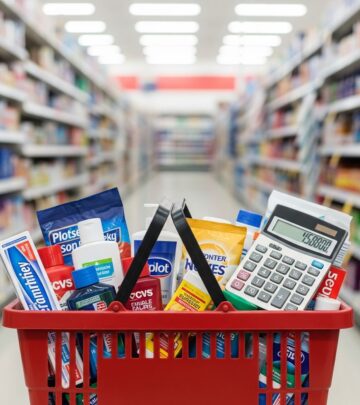
Digital coupons and manufacturer rebates can slash drug prices dramatically. Websites like GoodRx and SingleCare offer printable or app-based coupons redeemable at major chains like CVS, Walgreens, and Walmart. These discounts apply even if you have insurance—and sometimes beat copays.
SingleCare, for example, provides savings on over 10,000 drugs, up to 80% off cash prices. Search your medication, select a pharmacy, and present the coupon at checkout. Rebates from manufacturers, often found on brand websites, reimburse part of the cost after purchase.
- Pro tip: Compare prices across pharmacies using apps; the same drug can vary by $100+.
- Compare this: A 30-day supply of generic might cost $45 with GoodRx vs. $150 without.
Users report average savings of 70-80%. Always check expiration dates and terms, as some exclude insurance use.
4. Ask About Pharmacy Discount Programs
Many pharmacies offer in-house discount cards free to the public, bypassing insurance for lower cash prices. Programs like Walmart’s $4 generic list or Publix’s free antibiotics make routine meds affordable.
Discount cards from GoodRx, SingleCare, or RxSaver are universal—no sign-up fees or income requirements. They’re ideal for high-copay tiers on brand drugs. Notably, even insured patients sometimes pay less out-of-pocket without billing insurance.
Chain-specific perks include:
- Walgreens Prescription Savings Club: $20/year membership for discounts.
- Kroger Rx Savings Club: Family plans under $100/year.
- Costco Membership: Low prices on 90-day supplies.
For 90-day mail-order options, savings amplify—often 20-30% more than 30-day fills. Pharmacists are trained to guide you; just ask.
5. Shop Around and Consider Mail-Order or Online Pharmacies
Prices fluctuate wildly between pharmacies, so comparison shopping is key. Use tools like GoodRx to find the lowest local price, or opt for mail-order services for chronic meds.
Online pharmacies like HealthWarehouse or Cost Plus Drugs offer competitive rates with home delivery. For insured patients, check mail-order through Express Scripts or OptumRx for 90-day supplies at reduced copays. Uninsured? Discount cards often yield better deals than cash prices.
Key factors to compare:
- Drug tiers (generics lowest).
- Location convenience vs. savings.
- 90-day vs. 30-day supply.
Real example: A blood pressure med costs $12 at one pharmacy, $89 at another. Online comparisons highlight features like free shipping pros and hidden fees cons.
Additional Tips for Maximum Savings
Beyond the core five, consider these boosters:
- Pill splitting: Ask for higher-dose pills to split (e.g., 20mg to two 10mg), halving costs—if approved by your doctor.
- Therapeutic alternatives: Discuss similar drugs in the same class.
- Timing purchases: Avoid peak seasons; stock up during low-price promotions.
- Insurance review: Appeal high copays or switch plans during open enrollment.
Combining methods—like generics + coupons + 90-day supply—can cut costs by 90%. Track savings with apps for motivation.
Frequently Asked Questions (FAQs)
Q: Can I use discount cards with insurance?
A: Yes, but often you must pay cash and forgo insurance billing for the discount to apply. Compare both options at the pharmacy.
Q: Are generic drugs as effective as brand-name ones?
A: Yes, per FDA standards; they must be bioequivalent with the same results.
Q: How do I qualify for assistance programs?
A: Typically income under 400% FPL; provide tax returns or pay stubs. Many approve quickly.
Q: What’s the best way to compare prices?
A: Use GoodRx or SingleCare apps for real-time quotes across 60,000+ pharmacies.
Q: Is mail-order safe and cheaper?
A: Yes, from accredited pharmacies; 90-day supplies save time and money.
Implementing these strategies empowers you to take control of medication costs. Consult your healthcare provider before changes, and start saving today.
References
- 7 ways to save money on prescription drugs — SFGATE. 2023-05-15. https://www.sfgate.com/news/article/7-ways-to-save-money-on-prescription-drugs-18205577.php
- A quick, easy, legit way to cut prescription drug costs — Michigan’s Thumb. 2024-08-20. https://www.michigansthumb.com/opinion/article/quick-easy-legit-way-cut-prescription-drug-costs-19590263.php
- My prescription costs what?! Pharmacists offer tips — CT Post. 2023-11-10. https://www.ctpost.com/news/article/my-prescription-costs-what-pharmacists-offer-21245429.php
- How to Save on Health Care Costs — The Penny Hoarder. 2024-02-14. https://www.thepennyhoarder.com/save-money/beat-health-care-costs/
- Prescription Drugs for Less: 5 Simple Ways to Save Money — The Penny Hoarder. 2023-02-14. https://www.thepennyhoarder.com/save-money/prescription-drugs-save-money/
Similar Articles








Read full bio of Sneha Tete