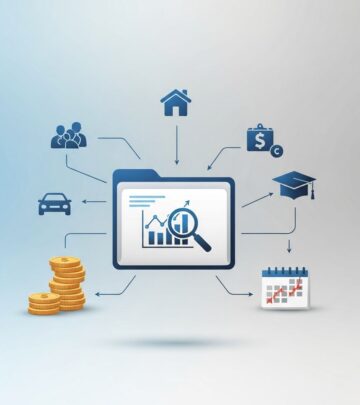
Prepare Your Financial Profile for Credit Evaluation
Essential steps to strengthen your creditworthiness before seeking new credit opportunities

When you anticipate applying for credit—whether it’s a mortgage, auto loan, or credit card—taking time to prepare beforehand can significantly influence the outcome of your application. Lenders evaluate your creditworthiness using multiple criteria, and understanding what they examine allows you to position yourself strategically. This comprehensive guide walks through the essential preparation steps to ensure your financial profile presents the strongest possible case for approval and favorable lending terms.
Understanding Your Starting Point: Credit Score Assessment
Your credit score serves as a numerical summary of your creditworthiness, condensing years of financial behavior into a three-digit number that lenders use as a quick reference point. Before pursuing new credit, obtaining your current score provides a baseline understanding of your credit position. This measurement indicates whether you might qualify for premium offers or whether you should focus on improving your profile first.
Multiple scoring models exist in the lending industry, each weighing factors slightly differently. However, the most widely recognized by lenders is the FICO Score, which ranges from 300 to 850. You can access your FICO Score through various channels without cost. Many credit card issuers and financial institutions provide complimentary access to scores for their customers. Additionally, nonprofit credit counseling agencies frequently obtain your score at no charge.
The timing of your score review matters considerably. Checking your score three to six months before you plan to apply for credit provides a valuable planning window. This advance notice allows you to identify areas requiring attention and implement improvements before lenders conduct their evaluation. The difference between a mediocre score and a strong score can translate into thousands of dollars in interest savings over the life of a loan.
Examining Your Credit Report: The Detailed Picture
While your credit score offers a summary, your credit report provides the detailed narrative behind that number. Each of the three major credit bureaus—Experian, TransUnion, and Equifax—maintains an individual credit report on you. These reports contain your payment history, outstanding balances, account types, and other financial information that creditors use to assess risk.
You have the legal right to obtain a free copy of your credit report from each bureau annually. You can access these reports through AnnualCreditReport.com. The Consumer Finance Protection Bureau recommends reviewing your reports carefully rather than simply ordering them, as errors frequently occur and only you are positioned to identify inaccuracies that might damage your creditworthiness.
What to Examine in Your Credit Report
Effective credit report review requires systematic attention to multiple sections. Your report typically includes several distinct categories of information:
- Personal Identification Information: Verify that your name, Social Security number, current address, phone number, previous addresses, marital status, and employment history are accurate. Incorrect personal data can create confusion and may prevent accurate reporting of your financial activity.
- Public Records: Check whether any bankruptcy filings, tax liens, or court judgments appear in your report. These negative public records significantly impact lender decisions and should only appear if they genuinely relate to you.
- Credit Accounts Section: Review each account listed, confirming that you recognize each account and that the information reflects reality. Verify that closed accounts display as “closed by consumer” rather than by the creditor, which carries different implications.
- Payment History and Balances: Examine whether payments are reported accurately, looking specifically for any late or missed payments marked incorrectly. Ensure that current balances match your records and that credit limits are correctly reflected.
- Inquiries: Note which companies have requested your credit report recently. Too many inquiries in a short period can negatively impact your score.
Identifying and Addressing Errors
Credit report errors occur with surprising frequency. Common mistakes include accounts you don’t recognize, payments marked as late when you paid on time, duplicate listings of the same account, and incorrect balances or credit limits. These errors can artificially suppress your credit score and create barriers to approval.
The Consumer Finance Protection Bureau provides a structured approach to disputing inaccurate information. Document the specific account number and item you believe is incorrect, explain concisely why you question its accuracy, and include supporting documentation such as bills or cleared checks demonstrating on-time payment. Keep a copy of your correspondence and consider using certified mail with return receipt to document your submission. Remember that credit bureaus typically process disputes within 30 to 45 days, and corrections can sometimes require up to 60 days to appear across all bureaus.
Evaluating Your Credit Utilization Rate
Credit utilization—the percentage of your available credit that you’re currently using—comprises 30 percent of your FICO Score calculation, making it the second-most influential factor. If you maintain a credit card with a $10,000 credit limit and carry a $5,000 balance, your utilization rate is 50%. Financial experts generally recommend keeping utilization below 30 percent to optimize your score.
If you’re planning to apply for credit in the near future, reducing your credit card balances before the application can meaningfully improve your score. This isn’t necessarily about eliminating debt permanently—rather, it’s about timing your reduction to coincide with when lenders perform their evaluation. Even paying down balances a few weeks before your application can result in a more favorable assessment since credit card companies report balances monthly rather than daily.
Establishing Payment Reliability
Your payment history represents the largest component of your credit score, accounting for 35 percent of the FICO Score calculation. Lenders want evidence that you consistently meet your obligations. If you have a history of late payments, taking immediate action to catch up improves your profile before credit inquiries occur.
Moving forward, consider establishing automatic payments for at least the minimum required amount on revolving accounts like credit cards. For installment loans such as mortgages or auto loans, automatic payments ensure you never miss a deadline. This systematic approach eliminates the possibility of human error, such as forgetting a payment date or misplacing a bill.
Debt Reduction Strategy
Beyond utilization rate, the absolute amount of debt you carry influences lender perception. Creditors evaluate your debt-to-income ratio, comparing your total monthly debt obligations against your monthly income. A lower ratio signals that you have sufficient income to comfortably absorb an additional loan payment.
If you can eliminate specific debts before applying for credit, this strengthens your profile substantially. Paying off small accounts entirely removes them from consideration entirely, while paying down larger balances reduces your overall debt load. This approach also frees up monthly cash flow that lenders consider when evaluating your capacity to repay new credit.
Selecting the Appropriate Credit Product
Before initiating applications, determine what type of credit actually serves your needs. Different products—credit cards, personal loans, auto loans, mortgages—have distinct purposes and qualification criteria. Pursuing the wrong product type might result in denial or approval with unfavorable terms.
Understanding the distinction between revolving credit (credit cards, lines of credit) and installment credit (car loans, mortgages, personal installment loans) helps you make strategic choices. Lenders evaluate mix of credit types as part of your score, so having both revolving and installment accounts demonstrates your ability to manage various credit formats.
Comparing Offers Before Committing
Once you’ve strengthened your profile and are ready to proceed, resist the urge to apply immediately with the first lender you encounter. Different financial institutions offer substantially different terms even for applicants with similar credit profiles. Key comparison factors include:
- Interest Rates: Even small differences in interest rates compound significantly over multi-year loan terms. A difference of 0.5 percent can mean hundreds or thousands in additional costs.
- Annual Fees: Credit cards frequently charge annual fees that may or may not provide corresponding benefits. Evaluate whether the card’s rewards, protections, or features justify any fee structure.
- Monthly Payment Requirements: Understand exactly what your monthly obligation will be for installment loans. For revolving accounts, clarify the minimum payment calculation and whether you’re charged interest on purchases immediately or after a grace period.
- Prepayment Penalties: Some loans penalize you for paying off the balance early. Confirm whether you can accelerate repayment without incurring additional charges.
Addressing Existing Problems
If your credit profile includes problematic items, consider your strategy for addressing them before applications. Collections accounts represent major barriers to approval; contacting collection agencies to negotiate a settlement or payment plan might be worthwhile. Similarly, if you have accounts currently past due, bringing them current dramatically improves your credit standing.
For older negative information, understand the credit reporting timeline. Most negative items disappear from your report after seven years, while public records like bankruptcy remain longer. If problematic items are approaching their removal date, it might make sense to wait for them to drop off naturally rather than apply while they’re still visible.
Documentation and Record Organization
Before you apply for credit, organize your financial documentation. Lenders typically request recent pay stubs, tax returns, bank statements, and verification of employment. Having these items readily available accelerates the application process and demonstrates financial organization and transparency.
Create a secure filing system for all credit-related documents, including your credit reports and any correspondence with credit bureaus. This documentation proves valuable if you need to dispute information later and provides a historical record of your credit management.
Timing Your Application Strategy
Multiple credit inquiries in a short period can temporarily reduce your score, as lenders interpret numerous inquiries as signal that you’re desperately seeking credit. However, inquiries related to the same type of credit within a short window (typically 14-45 days, depending on the scoring model) often count as a single inquiry. This means you can comparison shop for auto loans or mortgages without excessive score damage if you complete applications within this timeframe.
Avoid applying for multiple different credit types simultaneously. If you’re seeking a mortgage, delay credit card applications. This strategy prevents the appearance of overextending yourself financially.
Final Preparation Checklist
| Preparation Element | Target Timeline | Expected Benefit |
|---|---|---|
| Check credit score | 3-6 months before application | Identify current standing and improvement opportunities |
| Review all three credit reports | 3-6 months before application | Identify and dispute errors that suppress your score |
| Reduce credit card balances | 1-2 months before application | Lower utilization rate and improve score |
| Catch up on past-due accounts | 2-3 months before application | Eliminate active delinquencies |
| Organize financial documentation | 2-4 weeks before application | Accelerate application and approval process |
| Compare lender offers | 1-2 weeks before application | Secure terms most favorable to your situation |
Frequently Asked Questions
How far in advance should I check my credit score before applying?
Three to six months is the optimal window. This timeframe allows sufficient time to address any issues and demonstrate improvement before lenders evaluate your application.
Can I dispute errors on my credit report myself?
Yes, you can dispute errors directly with the credit bureau by submitting a written letter explaining the inaccuracy and providing supporting documentation. Credit bureaus must investigate disputes within 30 to 45 days.
What credit utilization rate should I target?
Financial experts recommend maintaining utilization below 30 percent for optimal credit score impact, though lower is generally better.
How long do negative items remain on my credit report?
Most negative information remains for seven years from the date of the first delinquency, though some items like bankruptcy may remain longer.
References
- Follow This Checklist Before You Apply for Credit — Experian. https://www.experian.com/blogs/ask-experian/checklist-before-you-apply-for-credit/
- 5 Things to Put on Your End-of-Year Credit Checklist — myFICO. https://www.myfico.com/credit-education/blog/end-of-year-credit-checklist
- Credit Report Review Checklist — Consumer Finance Protection Bureau. 2017-01. https://files.consumerfinance.gov/f/documents/201701_cfpb_credit-report-review-checklist.pdf
- Credit Score Checklist: Steps to Assist in Boosting Yours — Centier Bank. https://www.centier.com/resources/articles/article-details/the-ultimate-credit-score-checklist
- Checklist: Things to Look for in Your Credit Report — Nolo. https://www.nolo.com/legal-encyclopedia/checklist-things-look-your-credit-report.html
- Credit Report Review Checklist — 1st United Credit Union. https://www.1stunitedcu.org/assets/files/tf7pay1n
- Credit Report Review Checklist Tool — Consumer Finance Protection Bureau. 2015-08. https://files.consumerfinance.gov/f/201508_cfpb_credit-report-checklist-tool.pdf
Similar Articles








Read full bio of medha deb