Prepaid vs Contract Cell Phone Plans: Which Is Right for You?
Compare prepaid and contract cell phone plans to find the best option for your needs and budget.
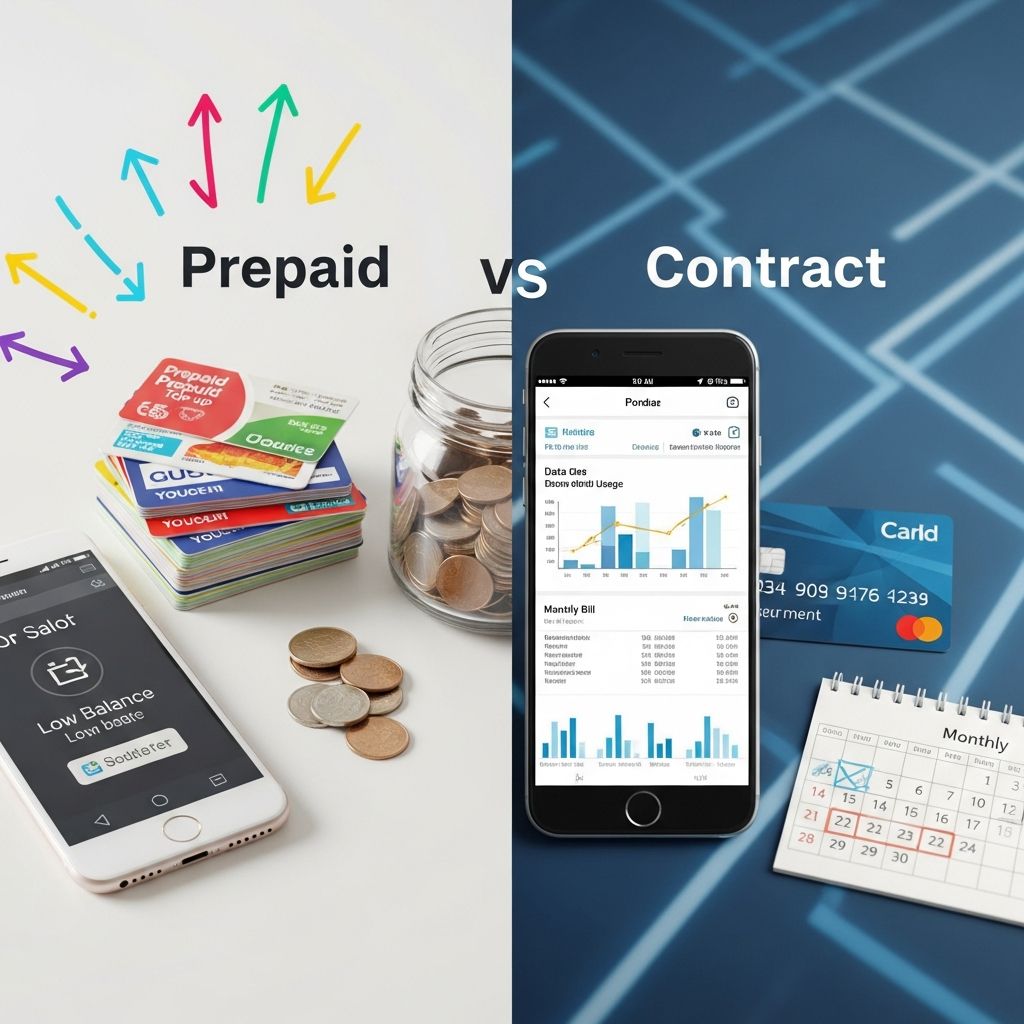
Choosing a cell phone plan can be overwhelming with so many options available from major carriers and smaller providers. Two primary categories dominate the market: prepaid plans and contract-based plans. Understanding the differences between these options is essential for selecting a plan that aligns with your budget, usage patterns, and lifestyle needs. This comprehensive guide will help you navigate the complexities of prepaid versus contract cell phone plans and determine which option best suits your situation.
Understanding Prepaid Cell Phone Plans
Prepaid cell phone plans operate on a straightforward principle: you pay for service before using it. Unlike traditional contract plans where you receive a bill after using your phone, prepaid plans require you to purchase minutes, data, or service packages upfront. This model has become increasingly popular over the past decade as carriers have expanded their prepaid offerings to compete with major network providers.
Prepaid plans come in various forms, including pay-as-you-go options where you purchase individual minutes or data bundles, monthly plans with set allowances for talk, text, and data, and annual plans that offer discounted rates for committing to a full year of service. The flexibility of prepaid options makes them attractive to diverse customer segments, from budget-conscious users to travelers and those seeking temporary phone service.
Advantages of Prepaid Plans
No Long-Term Contracts: One of the most appealing aspects of prepaid plans is the absence of binding contracts. You maintain complete freedom to switch providers or change your plan without facing early termination fees or other penalties. This flexibility is invaluable for those uncertain about their long-term phone needs.
Lower Overall Costs: Prepaid plans typically offer significantly lower monthly rates compared to contract-based plans. Many carriers provide discounts when you prepay for an annual subscription or purchase multiple months upfront. For example, T-Mobile Prepaid’s Unlimited Plus plan costs $60 monthly with AutoPay, and Mint Mobile offers plans starting at $20 per month for those who commit to annual payments.
Budget Control: Prepaid plans force you to be intentional about your spending. Once your prepaid balance or monthly allotment is exhausted, you must actively purchase more service, preventing unexpected bill surprises. This built-in spending cap helps users avoid overages and manage their budgets effectively.
No Credit Check Required: Most prepaid carriers don’t require credit checks or credit history, making them accessible to individuals with poor credit scores, young adults building credit histories, or anyone who prefers to avoid credit inquiries.
Ideal for Low Usage: If you rarely use your phone or only need occasional service, prepaid plans allow you to pay only for what you use, making them substantially more economical than contract plans with unlimited offerings.
Disadvantages of Prepaid Plans
Higher Per-Minute Costs: While monthly rates are lower, the actual cost per minute of talk time or data usage can be higher on prepaid plans compared to contract plans, especially for heavy users purchasing pay-as-you-go minutes.
Limited Device Selection: Prepaid carriers often offer fewer device options than major carriers, and you typically cannot purchase subsidized phones. You must buy devices at full price, which increases upfront costs significantly.
Network Quality and Coverage: Many prepaid carriers operate as Mobile Virtual Network Operators (MVNOs), leasing network infrastructure from major carriers rather than maintaining their own networks. This can result in lower priority during congested periods and potentially slower data speeds.
Customer Service Limitations: Prepaid carriers generally offer more limited customer service options compared to major carriers, with fewer physical retail locations and potentially longer wait times for support.
Understanding Contract Cell Phone Plans
Contract-based plans, also known as postpaid plans, operate under a traditional billing model where you use service throughout the month and receive an invoice afterward. These plans typically involve a binding agreement with a carrier for a specific term, usually 24 or 36 months, during which you commit to maintaining the plan or face early termination fees.
Major carriers like Verizon, AT&T, and T-Mobile offer contract plans that often include device subsidies, allowing customers to purchase new smartphones at reduced prices. While contract plans have become less common than they were a decade ago, they remain popular among those seeking premium devices and comprehensive coverage from established carriers.
Advantages of Contract Plans
Device Subsidies: Contract plans often include significant discounts on smartphones, allowing you to purchase flagship devices at substantially reduced prices. This benefit can save hundreds of dollars on device costs, though you’re locked into the carrier for the contract term.
Unlimited Options: Major carriers offer unlimited talk, text, and data plans, with pricing starting around $60-75 monthly for individual lines. These plans provide peace of mind for heavy users who don’t want to worry about overages.
Premium Network Quality: Contract plans from major carriers typically provide access to the best network infrastructure, fastest data speeds, and most comprehensive coverage areas. These carriers invest heavily in network expansion and maintenance.
Extensive Device Selection: Major carriers offer the widest array of smartphone options, from budget-friendly devices to the latest flagship models from manufacturers like Apple, Samsung, and Google.
Comprehensive Customer Service: Carriers with contract plans maintain extensive customer service infrastructure, including retail locations, phone support, and online assistance options.
Disadvantages of Contract Plans
Higher Monthly Costs: Contract plans generally carry higher monthly rates than prepaid alternatives. The average unlimited plan from major carriers costs between $65-75 monthly, compared to prepaid plans that can cost as little as $20-25 monthly for similar data allowances.
Long-Term Commitment: Binding contracts lock you into a carrier for extended periods. Canceling early results in significant early termination fees, typically ranging from $100-300 depending on the remaining contract duration.
Credit Requirements: Contract plans require credit checks and approval, making them inaccessible to those with poor credit histories or no established credit.
Less Flexibility: Contract plans offer limited flexibility to change carriers or modify your service without penalties. You’re essentially locked in until your contract term expires.
Comparing Major Prepaid Carriers
The prepaid market offers numerous options from major carriers and independent MVNOs. Understanding the key players helps you make an informed decision based on network quality, pricing, and coverage.
T-Mobile Prepaid: T-Mobile’s prepaid offering includes the Unlimited Plus plan at $60 monthly with AutoPay, featuring 5G coverage with 50GB of premium data, unlimited international texting, and a 5-year price guarantee. This plan represents an excellent value for those on T-Mobile’s network seeking unlimited service with price protection.
Mint Mobile: Operating on T-Mobile’s network, Mint Mobile offers competitive pricing starting at $20 monthly with annual payment commitment. The 15GB plan provides substantial data for average users without committing to unlimited data. Mint Mobile appeals to budget-conscious customers willing to pay annually for lower rates.
AT&T Prepaid: AT&T provides prepaid unlimited plans starting at $25 monthly for a single line, with the option to pay $240 upfront for 12 months of unlimited service at $20 monthly. This option competes directly with Mint Mobile’s pricing while offering AT&T’s larger network infrastructure.
Verizon Prepaid: Verizon’s prepaid plans include unlimited options starting at $60 monthly, with loyalty discounts for qualified customers. While priced higher than some competitors, Verizon offers access to the nation’s largest network.
Cricket Wireless: Operating on AT&T’s network, Cricket provides unlimited plans for $60 monthly, making it an accessible option for those seeking unlimited service at moderate pricing.
Comparing Major Contract Carriers
The three major carriers dominate the contract plan market, each offering distinct advantages and network coverage characteristics.
Verizon: Offering the most extensive nationwide coverage, Verizon maintains the largest network footprint. Contract plans include unlimited options with device financing available. Verizon typically commands premium pricing due to network quality and reliability.
AT&T: AT&T provides nationwide coverage comparable to Verizon with competitive device offerings and contract plans. Device financing and early upgrade options are standard features.
T-Mobile: With aggressive pricing strategies, T-Mobile offers competitive contract plans with unlimited talk, text, and data at rates often lower than Verizon and AT&T. T-Mobile distinguishes itself through innovative features and price transparency.
Key Factors to Consider When Choosing
Selecting between prepaid and contract plans requires evaluating your specific needs and circumstances.
Usage Patterns: Light users with minimal talk, text, and data requirements benefit from prepaid plans’ cost structure. Heavy users seeking unlimited service find better value in contract plans with unlimited offerings.
Budget Flexibility: Prepaid plans suit those with tight budgets and spending discipline. Contract plans work better for those seeking predictable monthly expenses and can handle higher monthly rates.
Device Needs: Requiring the latest devices with minimal upfront costs? Contract subsidies offer advantages. Comfortable purchasing devices full-price? Prepaid provides freedom without device restrictions.
Coverage Requirements: Check network maps from major carriers to ensure adequate coverage in your area. Contract carriers typically offer superior coverage in rural regions, while prepaid options may vary depending on underlying network infrastructure.
Credit Situation: Poor or no credit history? Prepaid plans remain accessible. Excellent credit? Both options are available, and contract plans may offer additional benefits.
Cost Comparison Table
To better understand pricing differences, consider this comparison of popular prepaid and contract plans:
| Plan Type | Carrier | Data Allowance | Monthly Cost | Annual Cost |
|---|---|---|---|---|
| Prepaid | Mint Mobile | 15GB | $20-24 | $240 |
| Prepaid | T-Mobile Prepaid | Unlimited | $60 | $720 |
| Prepaid | AT&T Prepaid | Unlimited | $25 | $300 |
| Contract | Verizon | Unlimited | $70+ | $840+ |
| Contract | AT&T | Unlimited | $65+ | $780+ |
| Contract | T-Mobile | Unlimited | $60+ | $720+ |
Frequently Asked Questions
Q: Can I switch from a contract plan to a prepaid plan?
A: Yes, but early termination fees apply if you’re still under contract. Wait until your contract expires to switch without penalties, or pay the early termination fee (typically $100-300) to leave early.
Q: Do prepaid plans have data limits?
A: Most prepaid plans include specific data allowances, though unlimited data options are increasingly available. Check individual plan details for precise data limits and any potential throttling after high usage.
Q: Are prepaid plans suitable for families?
A: Yes, family prepaid plans are available from major carriers. These allow multiple lines at discounted rates compared to individual plans, though typically at higher costs than single-line prepaid options.
Q: What happens to my number if I switch carriers?
A: You can keep your phone number through number portability (porting). Contact your new carrier to initiate the process, and your number transfers to your new account.
Q: Is international coverage available on prepaid plans?
A: Many prepaid carriers offer international coverage and roaming options. T-Mobile Prepaid, for example, includes unlimited international texting to 215+ countries from the U.S. Review specific carrier offerings for international capabilities.
Q: Can I upgrade my phone mid-contract on a contract plan?
A: Most carriers allow upgrades after specific periods (typically 24 months) or offer early upgrade programs for qualified customers. Check your carrier’s upgrade policy for details.
Q: Do prepaid plans include roaming charges?
A: Roaming policies vary by carrier. Some prepaid plans include domestic roaming, while international roaming typically incurs additional charges. Review your carrier’s roaming policy before traveling.
Q: Which option is better for seniors?
A: Prepaid plans may suit seniors with light usage needs, while contract plans offer better value for those with higher usage. Some carriers offer specialized plans designed specifically for seniors.
Making Your Decision
The choice between prepaid and contract cell phone plans ultimately depends on your individual circumstances, priorities, and preferences. Prepaid plans excel for budget-conscious consumers, those seeking flexibility without long-term commitments, individuals with credit challenges, and light users. Contract plans benefit those requiring the latest devices with subsidies, heavy users seeking unlimited service, those prioritizing premium network quality, and customers desiring extensive retail support.
Before committing to any plan, evaluate your current usage patterns, budget constraints, credit situation, and coverage requirements. Most carriers provide detailed plan comparisons and coverage maps online to facilitate informed decision-making. Testing coverage in your area through trial periods or visiting retail locations can provide valuable insights before making a final selection.
The telecommunications landscape continues evolving, with both prepaid and contract options becoming increasingly competitive. By understanding the fundamental differences and carefully assessing your needs, you can select a cell phone plan that maximizes value while providing the service quality and flexibility you require.
References
- Compare Prepaid Phone Plans — PrepaidCompare. 2025-11-29. https://prepaidcompare.net
- Compare Our Best Prepaid Phone Plans — T-Mobile Prepaid. 2025. https://prepaid.t-mobile.com/prepaid-plans
- The best prepaid phone plans in 2025 — Tom’s Guide. 2025. https://www.tomsguide.com/best-picks/best-prepaid-phone-plans
- Our Best Prepaid Cell Phone Deals (No Contract) — AT&T. 2025. https://www.att.com/prepaid/deals/
- Best Prepaid Plans, Phones & Mobile Hotspots — Verizon. 2025. https://www.verizon.com/prepaid/
Similar Articles








Read full bio of medha deb