Prepaid Cards: Essential Guide To Uses, Fees, And Security
Discover how prepaid cards work, their benefits for budgeting, security features, and comparisons to traditional cards for smarter money management.
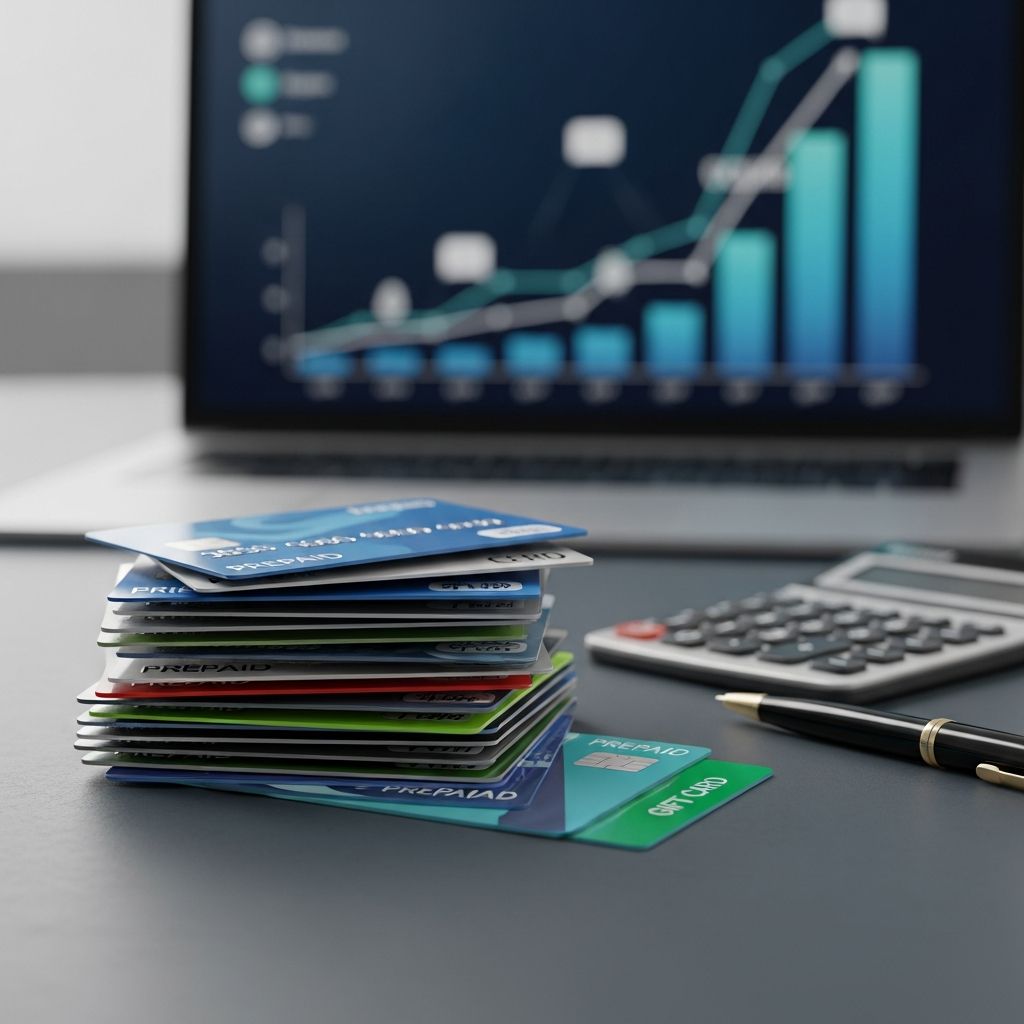
Prepaid cards function as reloadable payment tools where users deposit funds in advance, restricting spending to the available balance and eliminating debt risk.
Understanding the Basics of Prepaid Cards
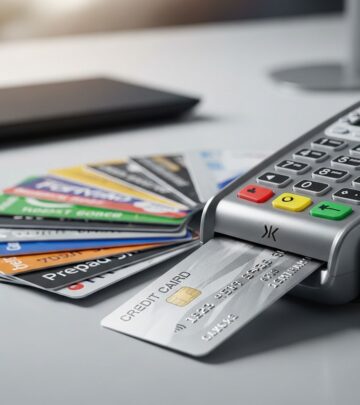
These cards resemble traditional debit or credit cards in appearance, featuring logos from networks like Visa or Mastercard, a card number, chip technology, and security codes. However, unlike credit cards that extend borrowed funds or debit cards linked to bank accounts, prepaid cards operate solely on pre-loaded money. Users purchase or activate the card, add funds through various methods, and spend only up to that amount until reloading occurs.
This model appeals to diverse users, including those without bank accounts, younger individuals, or anyone prioritizing spending limits. Funds can typically be added via cash at retail locations, bank transfers, direct deposit, or online top-ups, ensuring flexibility.
How to Load and Activate Your Prepaid Card
Activation usually involves a simple online registration or phone call, often requiring personal details for fraud protection. Loading options include:
- Cash deposits at participating stores for immediate availability.
- Bank transfers for automated recurring loads.
- Direct deposit of paychecks or government benefits.
- Online or app-based top-ups linked to digital wallets.
Many providers offer physical, virtual, or multi-currency versions, with real-time balance updates via apps or texts.
Everyday Uses and Acceptance
Prepaid cards integrate seamlessly into daily transactions, accepted at millions of locations worldwide displaying Visa, Mastercard, or similar logos. Common applications include:
- Online shopping on e-commerce platforms without exposing bank details.
- In-store purchases via swipe, tap, or contactless payment.
- Bill payments for utilities, subscriptions, or rent where applicable.
- Travel expenses, including gas, hotels, and international use with favorable exchange rates from some providers.
For businesses, they enable employee expense management, such as fuel for fleets or travel reimbursements, with simplified tracking.
Key Advantages for Personal and Business Use
Prepaid cards excel in promoting financial discipline and accessibility. Primary benefits include:
- Budget enforcement: Spending caps prevent overspending, aiding cash flow monitoring.
- No overdraft or debt: Zero risk of fees from insufficient funds or interest accrual.
- Bank account independence: Ideal for unbanked individuals or quick setups without credit checks.
- Enhanced security: PINs, fraud alerts, and loss limits protect against theft better than cash.
- Convenience perks: Digital wallet compatibility, cashback options, and purchase protections on select cards.
| Feature | Benefit | Example Use Case |
|---|---|---|
| Reloadable Balance | Allows repeated use without new cards | Monthly grocery budgeting |
| No Credit Check | Instant access for all | Teens or new immigrants |
| Fraud Monitoring | Real-time alerts | Travel security |
| Global Acceptance | Works like major cards | International shopping |
Businesses gain from controlled spending, easier reconciliation, and employee flexibility without personal liability.
Potential Drawbacks and Hidden Costs
Despite strengths, prepaid cards have limitations. Users should scrutinize fee structures:
- Activation fees: One-time charges upon purchase.
- Monthly maintenance: Recurring costs, sometimes $5–10.
- Reload fees: Per-transaction charges at certain locations.
- Inactivity penalties: For dormant cards.
- ATM withdrawals: High surcharges plus operator fees.
Other cons include no interest earnings, limited customer service, and no credit-building impact. Maximum loads often cap at $10,000–15,000 annually, per federal rules.
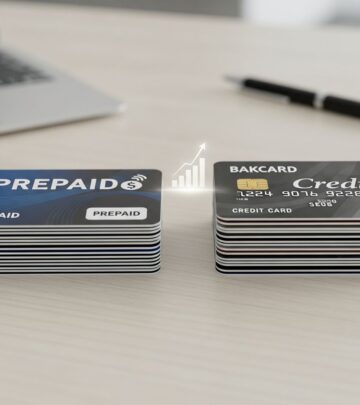
Prepaid vs. Debit vs. Credit: A Clear Comparison
Choosing the right card type depends on financial goals. Here’s a breakdown:
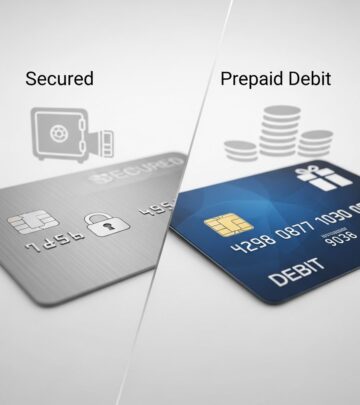
| Card Type | Funding Source | Credit Impact | Risk Level | Best For |
|---|---|---|---|---|
| Prepaid | Pre-loaded funds | None | Low (balance only) | Budgeting, unbanked users |
| Debit | Bank account | Indirect (via payments) | Medium (overdraft possible) | Daily banking access |
| Credit | Borrowed line | Builds history | High (debt/interest) | Rewards, credit building |
Prepaid avoids debt unlike credit cards and overdrafts unlike some debit options, but lacks rewards or interest.
Ideal Scenarios for Adopting Prepaid Cards
These cards shine in specific situations:
- Teen allowances: Parents load set amounts for controlled spending.
- Travel safety: Limits loss exposure abroad.
- Expense tracking: Businesses monitor departmental spends.
- Financial recovery: Helps those rebuilding habits post-debt.
- Gifting: Versatile alternatives to store-specific gift cards.
According to the Consumer Financial Protection Bureau, selecting cards with transparent fees maximizes value.
Security Measures and Fraud Prevention
Modern prepaid cards incorporate advanced protections:
- PIN and biometric authentication.
- 24/7 fraud detection with instant notifications.
- Zero-liability policies for unauthorized use post-report.
- Lock/unlock features via apps.
Visa emphasizes quick recovery if cards are lost, partnering with issuers for fund safeguards.
Tips for Maximizing Prepaid Card Value
To optimize usage:
- Compare fees across providers using tools from CFPB.
- Opt for direct deposit to waive monthly charges.
- Track balances via apps for real-time insights.
- Choose multi-currency options for international needs.
- Avoid high-fee reload methods like convenience store cash.
Regular reviews ensure alignment with evolving financial needs.
Frequently Asked Questions (FAQs)
Do prepaid cards build credit?
No, they do not report to credit bureaus, unlike secured credit cards.
Can I use a prepaid card internationally?
Yes, most are accepted globally via major networks, though check foreign transaction fees.
Are there federal protections for prepaid cards?
Yes, including error resolution and fraud liability limits under Regulation E.
How do I choose the best prepaid card?
Evaluate fees, reload options, and features against your usage via comparison sites.
Can businesses issue prepaid cards to employees?
Absolutely, for controlled expense management and simplified accounting.
References
- What Is A Prepaid Card | RiteCheck — RiteCheck. 2023. https://www.ritecheck.com/what-is-a-prepaid-card-and-how-does-it-work/
- How do prepaid debit cards work? — Amnis Treasury. 2023. https://amnistreasury.com/blog/how-do-prepaid-debit-cards-work/
- What is a prepaid card and how does it work? — ZEN.COM. 2023. https://www.zen.com/blog/guides/what-is-a-prepaid-card-and-how-does-it-work/
- What is a Prepaid Credit Card? — Discover. 2023. https://www.discover.com/credit-cards/card-smarts/what-is-a-prepaid-card/
- The Benefits of Prepaid Cards for Businesses and Consumers — Worldpay. 2023. https://www.worldpay.com/en/insights/articles/the-benefits-of-prepaid-cards-for-businesses-and-consumers
- What Is a Prepaid Card and How Does It Work? — Capital One. 2023. https://www.capitalone.com/learn-grow/money-management/how-do-prepaid-debit-cards-work/
- Choose the Right Card for Your Situation — Consumer Financial Protection Bureau. 2023. https://www.consumerfinance.gov/consumer-tools/prepaid-cards/choose-the-right-card/
- Visa Prepaid Cards — Visa. 2023. https://www.visa.com/en-us/personal/cards/prepaid
Similar Articles








Read full bio of Sneha Tete