Prepaid Cards And Credit Building: 5 Steps To Build Credit
Discover why prepaid cards won't boost your credit score and explore proven strategies to establish strong credit history effectively.

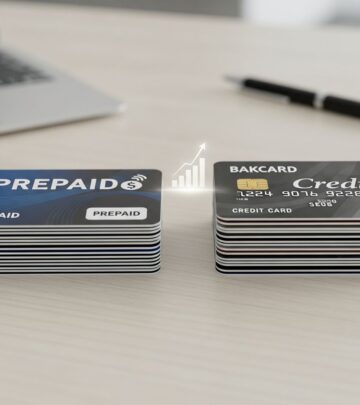
Many individuals seeking to establish or improve their credit history turn to prepaid cards as a simple entry point into the world of plastic payments. However, these tools function more like digital cash than true credit products, limiting their role in credit development. This comprehensive guide delves into the mechanics of prepaid cards, their impact—or lack thereof—on credit scores, and practical alternatives for genuine credit building.
Understanding the Basics of Prepaid Cards
Prepaid cards, often resembling traditional credit cards in appearance, require users to load funds upfront before any spending occurs. Once loaded, the card’s balance dictates spending limits, functioning similarly to a debit card tied to a personal bank account but without the need for one. These cards come in reloadable and non-reloadable varieties, with the former allowing repeated fund additions and the latter, akin to gift cards, becoming unusable after depletion.
Unlike credit cards that extend borrowing power, prepaid options prevent overspending by design. This feature appeals to those managing budgets strictly or avoiding debt accumulation. Available at retail outlets or online, they demand no credit verification, making them accessible to anyone with cash or funds to deposit.
Why Prepaid Cards Do Not Contribute to Credit Scores
The core reason prepaid cards fail to influence credit scores lies in their non-credit nature. Credit scoring models, such as FICO and VantageScore, rely on data from accounts involving borrowed funds, where repayment behavior demonstrates reliability. Prepaid cards involve no lending; users spend pre-deposited money, generating no reportable activity for bureaus like Experian, TransUnion, or Equifax.
Issuers do not transmit usage details to these agencies because no credit risk exists. Consequently, neither positive habits like consistent reloading nor negative ones like exhausting balances appear on credit reports. This neutrality means prepaid cards neither boost nor harm scores, positioning them as neutral tools for transactions rather than credit tools.
| Feature | Prepaid Cards | Credit Cards |
|---|---|---|
| Borrowing | No borrowing; spend loaded funds only | Borrow up to limit, repay later |
| Credit Bureau Reporting | Not reported | Reported monthly |
| Credit Score Impact | None | Positive with on-time payments |
| Approval Requirements | No credit check | Credit check required |
| Fees | Load, activation, ATM fees possible | Interest, annual fees possible |
Ideal Scenarios for Using Prepaid Cards
Despite their credit limitations, prepaid cards shine in specific contexts. They provide a cash alternative for those without bank accounts, enabling online purchases, bill payments, or ATM withdrawals where cash proves inconvenient. Businesses occasionally restrict cash, favoring card payments for security and record-keeping.
- Budget Enforcement: By capping spending at the loaded amount, these cards curb impulse buys and promote fiscal discipline.
- Fraud Safeguards: Federal regulations cap liability at $50 for unauthorized charges if reported promptly, with some issuers offering balance transfers to replacement cards.
- Gifting and Allowances: Parents load cards for children’s controlled spending, or employers issue them for reimbursements without full account access.
- Unbanked Access: Individuals avoiding banks due to fees or distrust gain payment flexibility without traditional account hurdles.
These benefits make prepaid cards valuable for short-term needs or spending control, though users must watch for fees like activation, monthly maintenance, or reload charges that can erode value.
Effective Strategies to Actually Build Credit
For those prioritizing credit improvement, alternatives that generate bureau-reportable activity prove essential. Focus on products and habits that showcase repayment responsibility.
Opt for Secured Credit Cards
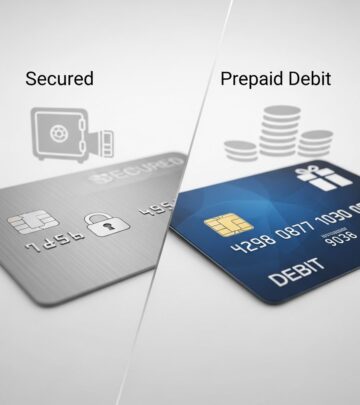
Secured cards require a refundable deposit matching or influencing the credit limit, mitigating issuer risk. Treated as standard credit accounts, they report payment history to bureaus. Responsible use—small purchases paid fully monthly—can elevate scores over time. Many issuers return deposits upon upgrade to unsecured cards after demonstrated reliability.
Leverage Authorized User Status
Joining a trusted family member’s card as an authorized user piggybacks on their positive history if the issuer reports it. No personal spending control is needed; the primary holder’s habits influence your report. Ensure the account maintains low utilization and timely payments to maximize benefits.
Explore Credit-Builder Loans
These loans hold funds in a locked account while you make fixed monthly payments, reported as installment debt. Upon completion, you receive the principal minus fees, building history without spending temptation.
Maintain Diverse Credit Mix
Combine revolving (cards) and installment (loans) accounts for a balanced profile, though newcomers should prioritize payment history—35% of FICO scores—over mix initially.
Common Misconceptions About Prepaid Cards and Credit
Several myths persist, potentially misleading users. One claims certain “prepaid credit cards” uniquely report activity; standard prepaid products do not, regardless of branding. Another suggests indirect benefits through spending habits; while discipline aids future credit use, no direct score linkage exists.
Prepaid cards also won’t damage credit via non-reporting, unlike missed credit payments. However, confusing them with secured cards—sometimes mislabeled—leads to false expectations. Always verify reporting policies before assuming credit impact.
Navigating Fees and Hidden Costs of Prepaid Cards
Convenience comes at a price. Common fees include:
- Purchase/activation: $3–$10
- Monthly maintenance: $1–$15
- ATM withdrawals: $2–$3 plus surcharges
- Declined transactions: $0.50–$1
- Inactivity: $5+ after periods
Compare providers; some waive fees with direct deposit or minimum balances. For heavy users, traditional debit cards from free checking accounts often prove cheaper long-term.
Steps to Transition from Prepaid to Credit Building
- Assess Current Standing: Obtain free annual credit reports from AnnualCreditReport.com to identify baselines.
- Select Secured Option: Research cards reporting to all bureaus with low fees.
- Start Small: Charge 10–30% of limit, pay fully early.
- Monitor Progress: Use free tools tracking score changes.
- Graduate Strategically: After 6–12 months, request unsecured upgrade.
Frequently Asked Questions
Can any prepaid card build credit?
No, standard prepaid cards do not report to credit bureaus, offering no credit-building potential.
Do prepaid cards hurt your credit score?
They neither help nor hurt, as activity remains unreported.
What is the best first credit card for beginners?
Secured cards stand out for accessibility and reporting, ideal for thin files.
How long does it take to build credit from scratch?
3–6 months of consistent activity typically yields initial scores; sustained habits drive ongoing gains.
Are there prepaid cards that report payments?
Rare hybrids exist blending features, but verify with issuers; most do not qualify as true credit builders.
Long-Term Financial Health Beyond Cards
Credit building extends beyond single products. Cultivate habits like emergency savings (3–6 months expenses), debt-to-income ratios under 36%, and regular score checks. Pair card strategies with banking basics: high-yield savings, automated payments, and informed borrowing. Over time, a robust profile unlocks favorable rates on loans, rentals, and insurance.
For unbanked starters, transition via FDIC-insured online banks offering no-fee accounts. Educate via resources from Consumer Financial Protection Bureau (CFPB) on rights and tools.
References
- Do Prepaid Credit Cards Help Your Credit Score? — Experian. 2021-04-28. https://www.experian.com/blogs/ask-experian/do-prepaid-credit-cards-help-credit-scores/
- Guide to Building Credit With Prepaid Credit Cards — SoFi. N/A. https://www.sofi.com/learn/content/do-prepaid-credit-cards-build-credit/
- Prepaid Cards vs Credit Cards: Which is Right for You? — Key Solution Venture. N/A. https://www.keysolutionventure.com/blog/co-branded-credit-card/prepaid-cards-vs-credit-cards-which-is-right-for-you
- What’s the Difference Between Prepaid Debit and Secured Credit Cards? — NerdWallet. N/A. https://www.nerdwallet.com/credit-cards/learn/prepaid-debit-cards-secured-credit-cards-difference
- Will Prepaid Credit Cards Help You Build Credit? — myFICO. N/A. https://www.myfico.com/credit-education/blog/prepaid-credit-cards
- Do Prepaid Cards Build Credit? — Discover. N/A. https://www.discover.com/credit-cards/card-smarts/do-prepaid-cards-build-credit/
Similar Articles








Read full bio of Sneha Tete