How to Prep Your Finances for Emergency Vet Visits
Financial preparation strategies to protect your pet's health without breaking the bank.
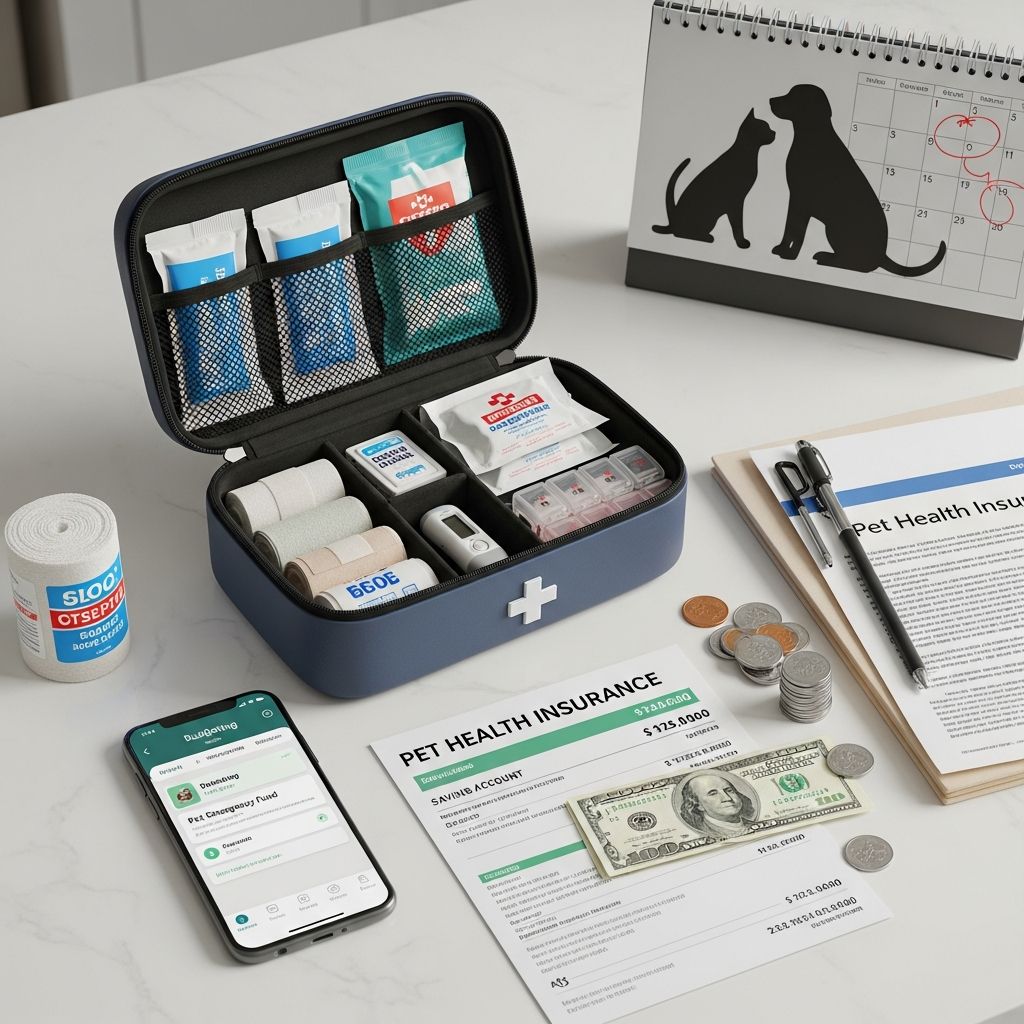
For pet parents, an emergency visit to the veterinarian is always stressful—emotionally, logistically, and financially. Unlike routine check-ups you can schedule months in advance, emergency veterinary care happens without warning. A sudden illness, injury, or accident can result in unexpected bills that range from hundreds to thousands of dollars. Without proper financial preparation, pet owners may face impossible choices between their financial security and their pet’s health and well-being.
The good news is that with thoughtful planning, you can prepare your finances to handle these emergencies without undue hardship. This comprehensive guide explores practical strategies to ensure you’re ready when your furry friend needs urgent care.
Understanding Emergency Vet Costs
Before you can adequately prepare financially, it’s essential to understand what emergency veterinary care actually costs. Emergency veterinary services vary significantly depending on the nature of the medical issue, your geographic location, and the specific veterinary clinic’s pricing structure. According to financial experts, emergency vet bills typically range from a few hundred to several thousand dollars, depending on the severity of the situation.
If your pet requires immediate medical attention, costs may escalate due to emergency facility fees, veterinary consultations, diagnostic tests, medications, and specialized procedures. A pet owner reported that emergency surgery for a stomach issue cost nearly $8,000, demonstrating how quickly expenses can accumulate in serious situations.
Factors That Influence Vet Costs
Several factors directly impact how much you’ll pay for emergency veterinary care:
- Nature of the Medical Issue: The complexity and severity of your pet’s condition determine treatment requirements. Emergency surgery, for example, costs significantly more than medication management.
- Geographic Location: Urban areas typically have higher veterinary costs than rural locations due to increased overhead expenses like rent and staff salaries.
- Clinic Pricing Structure: Some veterinary clinics charge flat emergency fees, while others bill separately for each procedure, test, and medication.
- Diagnostic Testing: Blood work, X-rays, ultrasounds, and specialized diagnostic procedures can significantly increase your total bill depending on complexity and equipment required.
- Medications and Procedures: Pain management medications, infection-fighting antibiotics, and surgical or medical procedures all add to the total cost.
Building a Pet Emergency Fund
One of the most effective ways to prepare financially for emergency vet visits is to create a dedicated emergency fund for your pet’s medical needs. This approach provides several advantages over other payment methods because the money is immediately available and requires no applications or credit checks.
How to Build Your Pet Emergency Fund
Start by setting aside a portion of your monthly income, even if it’s just $25 to $50 per month. Over time, this fund will grow to provide a financial cushion for unexpected veterinary expenses. The goal should be to accumulate $2,000 to $5,000, which covers most common emergencies while remaining manageable for most household budgets.
Consider these practical strategies:
- Automate monthly transfers to a separate savings account labeled specifically for pet emergencies
- Direct a portion of annual bonuses or tax refunds into this fund
- Use cashback rewards from pet supply purchases to boost the fund
- Set an annual savings goal and review your progress quarterly
Pet Insurance: A Comprehensive Safety Net
Pet insurance represents another critical component of financial preparedness for emergency vet visits. Like human health insurance, pet insurance covers the cost of medical care when your pet gets seriously sick or injured. Understanding what different plans cover is essential to choosing the right protection.
Types of Pet Insurance Coverage
| Plan Type | What It Covers | What It Doesn’t Cover |
|---|---|---|
| Accident and Illness | Hospitalization, medicine, diagnostic tests, surgery and other treatment for accidents and illnesses | Pre-existing conditions, cosmetic or elective procedures, breeding, routine care |
| Accident-Only | Hospitalization, medicine, diagnostic tests, surgery and other treatment for accidental injuries | Treatment for any illness, infections, cancer, pre-existing conditions, cosmetic procedures, routine care |
| Wellness Plans | Preventive care including exams, vaccinations, bloodwork, dental cleaning, spay/neuter | Emergency or acute illness treatment (covered separately) |
Most pet insurance plans allow you to bring your furry friend to any licensed veterinarian for treatment, so you won’t need to worry about whether a clinic is “in network.” In most cases, you’ll pay the vet bill upfront, then submit your receipt to the insurance company for reimbursement, though some insurers can pay your vet directly.
Key Pet Insurance Considerations
Coverage Limits: Most plans allow you to choose an annual coverage limit—the maximum your plan will reimburse for vet expenses in a given year. Common limits range from $2,500 to $10,000, with unlimited options available at higher premiums.
Deductibles: Pet insurance plans require you to pay a deductible before coverage begins. Once you meet your deductible, the insurer typically covers a percentage of remaining costs (commonly 70%, 80%, or 90%).
Waiting Periods: Most pet insurance plans include waiting periods before coverage begins—typically 10-14 days for illness and 1-5 days for accidents. During these waiting periods, the plan won’t cover treatment, and any issues that arise will be considered pre-existing conditions in the future.
Pre-existing Conditions: Pet insurance does not cover pre-existing conditions, making it crucial to enroll your pet while young and healthy.
Veterinary Financing Options
Many veterinary clinics understand the financial burden that emergency care creates and now offer vet financing options to their clients. These plans allow you to pay for your pet’s treatment in manageable installments, easing the immediate financial burden while your pet receives necessary care.
Some veterinary financing plans come with low or no interest rates, making it easier to budget your expenses. When an emergency arises, ask your veterinarian about available payment plans before declining treatment due to cost concerns.
Payment plan options may include:
- In-house financing through the veterinary clinic
- Third-party financing companies specializing in veterinary expenses
- Personal loans from banks or online lenders
- Credit cards with promotional financing periods
Additional Financial Preparation Strategies
Preventive Care Investment
While preventive care doesn’t prevent all emergencies, it significantly reduces the likelihood of costly health crises. Regular wellness exams, vaccinations, parasite prevention, and dental care help identify potential problems early when they’re less expensive to treat.
Know Your Veterinary Clinic’s Pricing
Before an emergency occurs, contact your regular veterinarian or local emergency clinics to understand their pricing structure. Some facilities charge flat fees for emergency visits, while others charge per service. Understanding these costs in advance helps you anticipate what to expect.
Maintain Documentation
Keep detailed records of your pet’s medical history, including previous conditions, medications, and treatments. This information helps veterinarians provide better care and can clarify what your pet insurance will and won’t cover.
Compare Facilities
Know where your nearest emergency veterinary clinic is located and understand their fees. Some areas have multiple options; comparing them in advance helps you make informed decisions during stressful emergencies.
Creating Your Financial Preparedness Plan
Effective financial preparation combines multiple strategies rather than relying on a single approach. Here’s a framework for creating your comprehensive plan:
- Assess Your Pet’s Risk: Consider your pet’s age, breed, health history, and lifestyle to estimate their emergency care likelihood.
- Set Emergency Fund Goals: Determine how much you can realistically save monthly and set a target amount ($2,000-$5,000 for most households).
- Research Pet Insurance: Compare multiple providers and plan types to find coverage matching your pet’s needs and your budget.
- Identify Veterinary Resources: Locate emergency clinics near your home and research their pricing structures.
- Review Payment Options: Understand what financing options are available through local veterinary clinics.
- Document and Review Annually: Update your plan yearly to reflect changes in pet age, health status, or financial circumstances.
The Peace of Mind Factor
Beyond the practical financial benefits, preparing your finances for emergency vet visits provides invaluable peace of mind. When your beloved pet needs urgent care, you’ll be able to focus entirely on their health and recovery rather than worrying about how you’ll pay the bill. This mental clarity allows you to make the best decisions for your pet’s care without the stress of financial constraints.
Frequently Asked Questions
Q: How much should I save in a pet emergency fund?
A: Financial experts recommend saving $2,000 to $5,000 for most pets. This covers many common emergencies while remaining achievable for most households. Pets with chronic conditions or older pets may benefit from higher savings targets.
Q: Is pet insurance worth the cost?
A: Pet insurance can be worthwhile if you want predictable costs and comprehensive coverage for accidents and illnesses. Compare premiums against your pet’s likely healthcare needs and your financial situation.
Q: What should I do if I can’t afford an emergency vet bill?
A: Discuss payment options with your veterinarian immediately. Most clinics offer payment plans, and many accept various financing options. Never delay emergency treatment due to cost concerns—discuss options with your vet first.
Q: When should I enroll my pet in insurance?
A: Enroll your pet while young and healthy to avoid pre-existing condition exclusions. Most insurers accept pets from as young as 8 weeks old.
Q: Are there ways to lower regular vet bills?
A: Yes. Take advantage of preventive care, prevent parasites through medication, use free exams when available, compare prices between clinics, and maintain good preventive health practices to reduce emergency likelihood.
References
- 7 Ways to Pay for Vet Bills in an Emergency — Wise Loan. 2025. https://wiseloan.com/blog/pay-emergency-vet-bills/
- How to Pay for Pet Care in an Emergency — NerdWallet. 2025. https://www.nerdwallet.com/article/loans/personal-loans/how-to-pay-for-pet-care
- How to Prep Your Finances for an Emergency Vet Visit — Wise Bread. 2025. https://www.wisebread.com/how-to-prep-your-finances-for-an-emergency-vet-visit
- 8 Ways to Lower Your Vet Bills — Wise Bread. 2025. https://www.wisebread.com/8-ways-to-lower-your-vet-bills
Similar Articles








Read full bio of Sneha Tete