How to Predict Tomorrow’s Gas Prices Today
Learn the methods and factors experts use to forecast gas prices accurately.

Gas prices fluctuate daily, and many consumers wish they could predict tomorrow’s prices to plan their purchases strategically. While predicting exact prices is impossible due to market volatility, understanding the methods and factors that influence gas price movements can help you make informed decisions about fuel purchases. Analysts and energy experts use sophisticated forecasting techniques to estimate future gas prices, and learning these methods can give you valuable insights into price trends.
Understanding Gas Price Forecasting Methods
Gas price prediction relies on a combination of quantitative and qualitative analysis techniques that help experts estimate future market conditions. These forecasting approaches provide the foundation for understanding how prices are likely to move in the coming days, weeks, and months.
Quantitative Analysis Approach
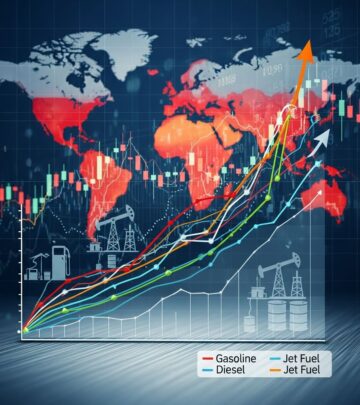
Quantitative analysis involves using mathematical models to examine historical price data and identify patterns that might predict future movements. This method analyzes vast amounts of historical data to determine recurring trends and seasonal patterns. Energy analysts apply statistical techniques to historical gas prices, production levels, inventory data, and other measurable variables. By studying how prices responded to similar market conditions in the past, forecasters can estimate how they might respond to current conditions. This approach works particularly well for identifying seasonal trends, such as higher prices during winter heating seasons and lower prices during summer months.
Qualitative Analysis Approach
Qualitative analysis considers factors that cannot be easily quantified, such as geopolitical events and regulatory changes. This method examines how political instability in oil-producing regions, international trade policies, environmental regulations, and government interventions might affect gas prices. For example, sanctions against oil-producing countries, conflicts in major petroleum regions, or new environmental legislation can significantly impact prices. Analysts must consider these unpredictable events when making forecasts, as they can dramatically shift market dynamics overnight.
Types of Gas Price Forecasts
Energy forecasters produce various types of predictions depending on the timeframe and analysis needs. Understanding these different forecasting horizons helps you determine which predictions are most relevant to your needs.
Short-Term Forecasts
Short-term forecasts typically cover periods of weeks or months and provide the most accurate predictions since they focus on immediate market conditions. These forecasts are particularly useful for consumers and businesses planning near-term fuel purchases. Short-term predictions rely heavily on current supply levels, recent weather patterns, and immediate geopolitical developments. The U.S. Energy Information Administration (EIA) regularly publishes short-term energy outlooks that include weekly and monthly gas price forecasts. Because these predictions look at shorter timeframes with more certain variables, they tend to be more reliable than longer-term estimates.
Medium-Term Forecasts
Medium-term forecasts extend from several months to one year ahead and provide guidance for seasonal planning and business budgeting. These forecasts account for expected seasonal demand changes, anticipated production levels, and known regulatory changes coming in the forecast period. Medium-term predictions help businesses plan operational budgets and consumers understand price trends across seasons. However, these forecasts become less accurate as they extend further into the future since more variables can change unexpectedly.
Long-Term Forecasts
Long-term forecasts cover multiple years and are used primarily for strategic planning by energy companies, governments, and large corporations. These predictions examine fundamental supply and demand trends, expected technological changes, and long-term policy shifts. Long-term forecasts are inherently less accurate than shorter-term predictions because so many variables can change over years. However, they provide valuable insights for understanding the overall direction of energy markets and informing major investment decisions.
Key Factors Influencing Gas Price Predictions
Several critical factors shape gas price forecasts and determine whether predictions prove accurate or miss their targets.
Supply and Inventory Levels
Gas supply and stored inventory represent fundamental drivers of price movements. When inventory levels fall below historical averages, prices typically rise due to supply concerns. The EIA monitors crude oil inventories, refined product storage, and production levels closely as key inputs for price forecasts. If forecasters expect inventory levels to remain low throughout a period, they will typically project higher prices as suppliers and consumers compete for limited supplies.
Demand Patterns and Seasonality
Gas prices follow predictable seasonal patterns, with higher prices typically occurring during winter months when heating demand increases and lower prices during summer when demand decreases. Weather conditions significantly influence these patterns—unusually cold winters increase demand and prices, while mild winters reduce both. Forecasters incorporate seasonal adjustments into their models and monitor weather forecasts carefully.
Geopolitical Events
Political instability, conflicts, and international relations involving major oil and gas producing nations dramatically affect price predictions. Sanctions against countries like Russia or Iran, conflicts in the Middle East, or tensions affecting shipping lanes can instantly disrupt global supply chains and send prices higher. Forecasters must monitor geopolitical developments continuously and adjust predictions when circumstances change significantly.
Regulatory and Policy Changes
Government regulations, environmental policies, and energy subsidies influence both supply and demand. New emissions standards may increase production costs, pushing prices higher. Tax credits for renewable energy may reduce demand for fossil fuels. Trade policies and tariffs can affect refining capacity and distribution. Forecasters track proposed and enacted legislation affecting energy markets.
Global Economic Conditions
Economic growth and contraction influence fuel demand significantly. During economic expansions, increased transportation and industrial activity boost demand and prices. Recessions reduce economic activity and fuel consumption, typically lowering prices. Forecasters monitor economic indicators like GDP growth, unemployment rates, and consumer spending to estimate demand trends.
Current 2025 Gas Price Forecasts
Energy experts have released their predictions for gas prices in 2025 based on current market conditions and expected developments.
EIA Gasoline Price Forecast
The U.S. Energy Information Administration estimates that U.S. average gasoline prices in 2025 will decrease by approximately 11 cents per gallon, or about 3%, compared with 2024. This modest decline reflects expectations of relatively stable supply conditions and moderate demand growth. The EIA’s forecast suggests prices will remain relatively stable throughout most of 2025, though seasonal variations will still occur with higher prices in winter months.
Diesel Price Projections
According to the EIA’s diesel cost projections, retail prices will average about $2.30 per gallon in 2025. This forecast reflects similar market conditions affecting diesel, which tracks crude oil prices closely. Diesel prices are particularly important for the transportation and logistics industries that depend on this fuel type.
Natural Gas Price Forecasts
The EIA has revised its forecast for 2025 average U.S. benchmark Henry Hub natural gas spot prices upward to $3.79/MMBtu, a 20% increase from previous estimates. This price increase reflects the tightening supply-demand balance and expectations that inventories will remain below five-year averages through much of 2025. The EIA predicts quarterly variations, with Q1 2025 averaging $3.70/MMBtu, Q2 averaging $3.39/MMBtu, Q3 averaging $3.95/MMBtu, and Q4 averaging $4.11/MMBtu. The Dallas Fed Energy Survey, which polls oil and gas executives, shows that executives foresee a Henry Hub price of $3.66/MMBtu at year-end 2025.
How to Use Price Forecasts for Personal Decision-Making
Understanding gas price forecasts can help you make better decisions about when and how much fuel to purchase.
Planning Fuel Purchases
If forecasts predict price increases, you might consider filling your tank sooner rather than later to lock in current prices. Conversely, if predictions suggest prices will decline, you might delay purchases to benefit from lower prices. However, remember that forecasts carry uncertainty, and unexpected events can quickly change prices.
Budgeting for Transportation Costs
Businesses and individuals can use price forecasts to budget transportation and operational costs more accurately. Knowing expected price ranges helps companies set realistic budgets and plan route optimization strategies.
Investment and Trading Considerations
For investors interested in energy markets, price forecasts provide context for market positions. Understanding analyst expectations helps identify when market sentiment might shift, creating trading opportunities.
Limitations of Gas Price Predictions
While forecasting methods provide valuable guidance, several factors limit prediction accuracy:
- Market Volatility: Unexpected geopolitical events, weather extremes, or policy changes can instantly invalidate predictions
- Data Quality: Forecasts depend on accurate data inputs; delays or revisions in data can affect accuracy
- Model Limitations: No mathematical model perfectly captures all market dynamics
- Structural Changes: Shifts in vehicle types, transportation methods, or energy sources can affect traditional demand patterns
- Time Decay: Forecasts become less reliable the further into the future they extend
Energy Market Stability and Future Outlook
Energy prices in 2025 are expected to be relatively more stable compared to previous volatile years, though price caps may gradually increase depending on various market factors. The stability depends significantly on factors like UK energy independence and global supply chain reliability. Experts anticipate that while prices won’t spike dramatically, consumers should expect modest increases throughout the year driven by supply constraints and seasonal demand variations.
Frequently Asked Questions (FAQs)
Q: Can anyone predict tomorrow’s exact gas price?
A: No, predicting exact daily prices is impossible due to market volatility and unpredictable events. However, forecasters can estimate price ranges and trends with reasonable accuracy for short-term periods using sophisticated analysis methods.
Q: Which factors have the biggest impact on gas prices?
A: Supply levels, geopolitical events, seasonal demand changes, and crude oil prices represent the biggest drivers of gas price movements. Weather conditions and government policy changes also significantly influence prices.
Q: How accurate are short-term gas price forecasts?
A: Short-term forecasts covering weeks or months are generally more accurate than longer-term predictions, typically achieving reasonable accuracy within a few cents per gallon. However, unexpected events can still cause significant deviations from forecasts.
Q: Should I base my fuel purchases on price forecasts?
A: Price forecasts can inform your decisions, but remember they represent estimates with inherent uncertainty. Consider forecasts as one factor among others like your driving needs and fuel tank capacity when planning purchases.
Q: Where can I find reliable gas price forecasts?
A: The U.S. Energy Information Administration (EIA) publishes regular forecasts available on their website. Trading Economics, energy news outlets, and oil industry analysts also publish forecasts regularly.
Q: Why do forecasts sometimes miss their targets?
A: Forecasts miss targets due to unexpected geopolitical events, extreme weather, policy changes, or structural market shifts that weren’t anticipated when the forecast was created. Markets remain inherently uncertain despite sophisticated analysis methods.
References
- Energy Price Forecasts and What our Experts Predict for 2025 — DBS Northeast. 2025. https://www.dbsne.com/post/energy-price-forecasts-and-the-energy-industry-in-2025
- Natural Gas Forecast & Price Predictions 2025, 2026, 2030 — NAGA. 2025. https://naga.com/en/news-and-analysis/articles/natural-gas-price-prediction
- U.S. Energy Information Administration Short-Term Energy Outlook — U.S. Energy Information Administration (EIA). October 2025. https://www.eia.gov/todayinenergy/detail.php?id=64324
- 2025 Fuel Forecast: Trends and Predictions for the Year Ahead — Foster Fuels. 2025. https://fosterfuels.com/blog/2025-fuel-price-forecasts/
Similar Articles








Read full bio of medha deb