Precious Metals IRAs: Pros and Cons Guide
Explore the advantages and disadvantages of investing in precious metals through self-directed IRAs for retirement.
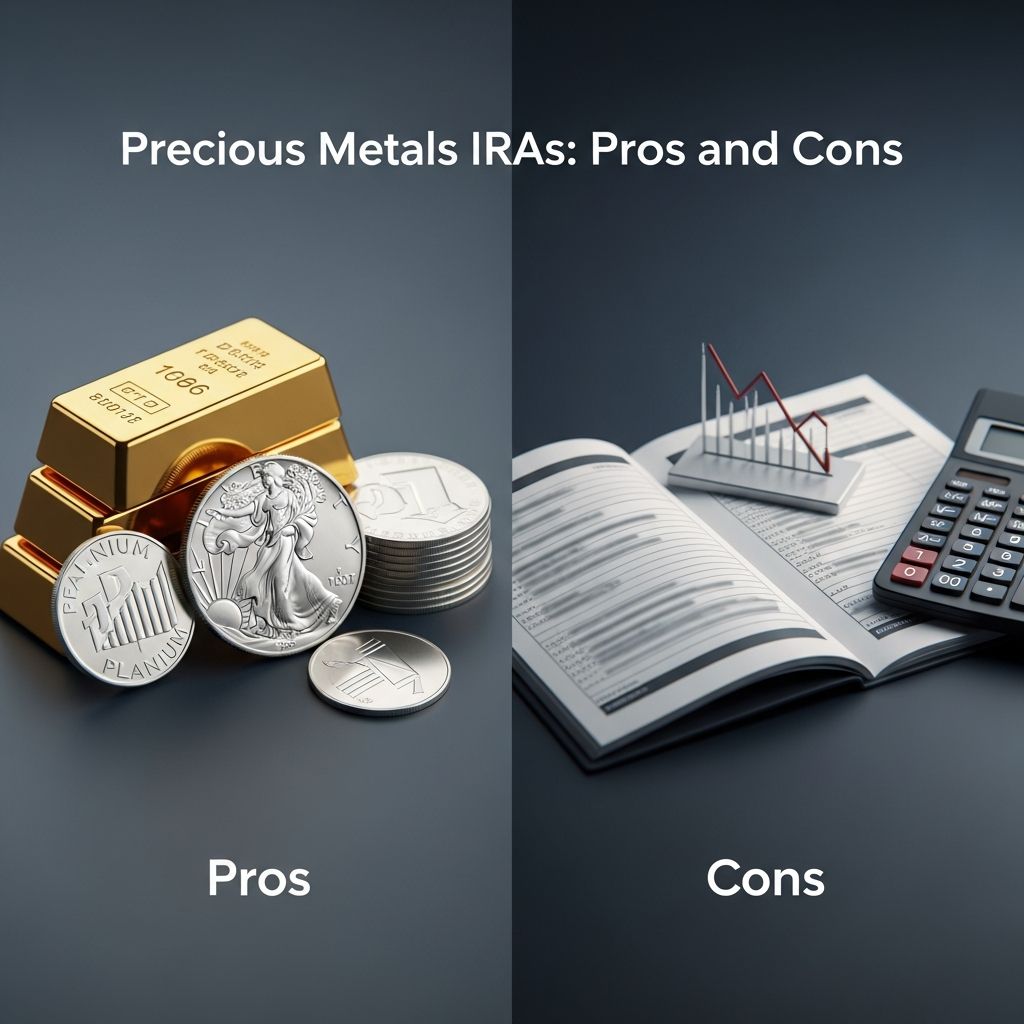
What Are Precious Metals IRAs and How Do They Work?
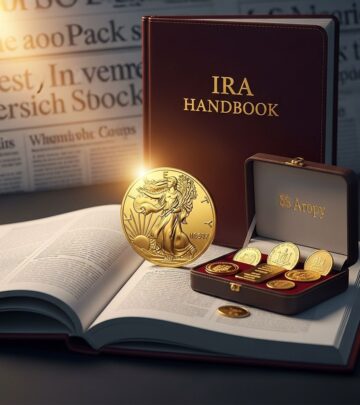
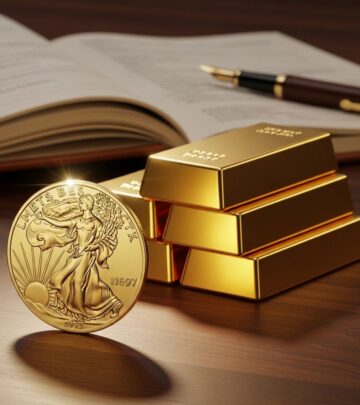
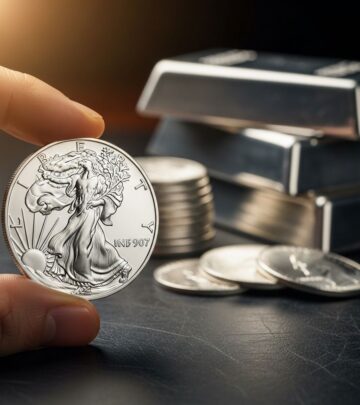
A precious metals IRA is a specialized retirement account that allows you to hold certain physical metals in your investment portfolio. Unlike traditional IRAs that focus on stocks, bonds, and mutual funds, precious metals IRAs enable investors to own tangible assets that have historically served as stores of value. The Internal Revenue Service (IRS) permits gold, silver, platinum, and palladium to be held in an IRA, provided they meet specific fineness requirements.
These accounts function as self-directed IRAs, which means you have greater control over your investment choices compared to standard IRAs managed by traditional financial institutions. If you’re interested in investing in precious metals for your retirement, you’ll need to find a custodian or broker that specializes in these accounts. Once you’ve established your account, you’ll be subject to the same annual contribution limits as traditional or Roth IRAs. For 2025, the contribution limit is $7,000 if you’re under age 50, or $8,000 if you’re 50 or older.
The process of setting up a precious metals IRA involves finding an appropriate custodian, funding your account, selecting the metals you wish to purchase, and arranging for secure storage through an IRS-approved depository. You cannot store precious metals that are part of your IRA at home—they must be held in a professional storage facility to comply with IRS regulations.
How Precious Metals IRAs Differ from Regular IRAs
Precious metals IRAs share some similarities with traditional and Roth IRAs but differ in several important ways. Understanding these differences is crucial for determining whether this investment strategy aligns with your retirement goals.
Traditional IRAs allow you to contribute pre-tax funds to your account, and your investments grow on a tax-deferred basis. However, your withdrawals are taxed in retirement at ordinary income rates, and your account is subject to required minimum distributions (RMDs) beginning at age 73.
Roth IRAs operate differently—contributions are made on an after-tax basis, but investments can grow tax-free, and withdrawals aren’t taxed in retirement. Roth IRAs also don’t impose RMDs, making them attractive for those who want to leave assets to heirs.
The key distinction with precious metals IRAs is that you’re investing in physical assets rather than stocks or other assets that trade electronically. This fundamental difference necessitates finding a custodian equipped to handle and store your investments safely. The physical nature of these assets also means higher operational costs, including storage and insurance fees that aren’t typically associated with traditional IRAs.
IRS Purity and Storage Requirements
One of the most critical aspects of precious metals IRAs involves meeting IRS fineness standards. Precious metals held in an IRA must be 99.5 percent pure or higher, depending on the specific metal. This requirement ensures that the assets meet federal standards for retirement accounts.
Storage requirements are equally important. The IRS prohibits you from storing precious metals in your home, safety deposit box, or any location under your personal control. Instead, metals must be stored in an IRS-approved depository, which is typically a bank or specialized precious metals storage facility. Your custodian may provide storage services directly or work with a partner institution. These storage arrangements protect your investment and ensure compliance with federal regulations.
Before selecting a custodian, verify that they can meet the IRS’ standards for both purity verification and secure storage. This diligence helps prevent costly compliance issues and ensures your investment remains protected.
Pros of Investing in Precious Metals IRAs
Precious metals IRAs offer several compelling advantages for retirement investors seeking to diversify their portfolios and protect their wealth against economic uncertainty.
Diversification and Inflation Hedge
If you have another retirement or brokerage account invested primarily in the stock market, a precious metals IRA allows you to branch out and offers significant protection against market volatility. Gold and silver have proven track records as stores of value, especially during tough economic times. Precious metals may not compound like stock market returns, but they maintain purchasing power over time and can act as an effective hedge against inflation. When traditional investments falter, precious metals often retain or appreciate in value, providing a stabilizing force in your overall portfolio.
Tax Advantages
A precious metals IRA gives you the same tax benefits as a traditional or Roth IRA. With a traditional precious metals IRA, you can contribute pre-tax dollars, reducing your current taxable income. Your investments grow tax-deferred, and you only pay taxes on withdrawals during retirement. Alternatively, if you choose a Roth precious metals IRA, you contribute after-tax dollars, but your investments grow tax-free, and qualified withdrawals aren’t taxed. Holding precious metals in one of these tax-advantaged accounts could help you shield significant income and investment gains from taxes over time.
Store of Value
Precious metals serve as tangible assets that retain intrinsic value across generations. Unlike paper currencies that can be devalued through inflation or monetary policy, gold and silver have maintained their worth throughout history. This characteristic makes them particularly valuable as a long-term wealth preservation strategy within a retirement account.
Cons of Investing in Precious Metals IRAs
While precious metals IRAs offer distinct advantages, potential investors should carefully consider several significant drawbacks before committing their retirement funds.
No Income Generation
A precious metals IRA doesn’t create income like stocks and bonds do. Precious metals don’t pay interest or dividends, so the only way you’re going to profit is if the price goes up. Without any interest or dividends, you’re essentially not getting paid to wait for price appreciation. This contrasts sharply with dividend-paying stocks or bond interest, which generate regular income regardless of price movements. For investors who rely on income from their retirement portfolio, this characteristic may be a significant drawback.
Limited Asset Holdings
Investing in precious metals through an IRA limits you to assets approved by the IRS and eliminates your ability to hold other asset types within the same account. A precious metals IRA can hold gold, silver, platinum, and palladium, but you cannot hold stocks, bonds, or other securities within the same account structure. This limitation reduces flexibility and may complicate portfolio management if you want to hold multiple asset classes in a single retirement vehicle.
Higher Fees
Because precious metals require professional storage, the fees tend to be substantially higher for a silver or gold IRA than for an IRA that holds standard assets. These costs include setup fees, annual custodial fees, storage fees, and insurance costs. Over time, these fees can significantly erode your returns, particularly if metal prices remain stagnant or appreciate slowly. Before opening a precious metals IRA, carefully review the fee structure and calculate how these costs will impact your long-term investment returns.
Management and Complexity
Self-directed IRAs require you to manage your investments yourself and find a custodian who specializes in these structures and offers alternative investments. This complexity isn’t for everyone. The top IRA brokers don’t typically offer access to these types of assets, limiting your custodian options and potentially reducing competition that might otherwise drive fees lower. Additionally, you must research and understand IRS regulations, purity standards, storage requirements, and other compliance issues.
Alternative Investment Options
If you’re interested in precious metals exposure but unsure about committing to a precious metals IRA, several alternative approaches exist.
Precious Metals Stocks
Investors comfortable with more risk might hold stocks of companies that mine precious metals. These stocks offer different types of exposure to precious metals markets and can be held in traditional IRAs or brokerage accounts. Mining company stocks can appreciate based on both metal prices and company performance, offering potential upside that physical metals alone cannot provide.
Brokerage Accounts
You won’t get the tax breaks of an IRA, but you can invest in a range of precious metal stocks, ETFs, and mutual funds through a standard brokerage account. This approach offers greater flexibility in the types of precious metal investments you can hold and eliminates storage complications associated with physical metals.
Direct Metal Ownership
Outside of an IRA, you can invest in any type of precious metals and purities that you want and store them however you like. This approach provides complete flexibility but forgoes the tax advantages that IRAs provide. You’ll also bear personal responsibility for secure storage and insurance.
Steps to Setting Up a Precious Metals IRA
If you’ve decided that a precious metals IRA aligns with your retirement strategy, follow these fundamental steps to establish your account properly.
Step 1: Find a Custodian and Open a Self-Directed IRA
Start by researching companies that offer precious metals IRAs. You need a self-directed IRA to hold precious metals and receive tax breaks. Many top IRA brokers don’t offer access to the array of alternative investments available through self-directed IRAs, so you’ll need to seek out specialized custodians. When evaluating custodians, examine their fees, reputation, experience with precious metals, and their storage partnerships. Take a close look at the fee structure—gold and silver IRAs typically have higher fees than standard IRAs since the physical asset must be stored in an IRS-approved depository.
Step 2: Fund Your Account
Once you’ve selected your custodian and opened your self-directed IRA, you’ll need to fund the account. You can do this through direct contributions (up to the annual limit), rollovers from existing retirement accounts, or transfers from other IRAs. Ensure you understand the contribution limits for the current year and any restrictions that might apply based on your income level or existing retirement accounts.
Step 3: Buy Precious Metals and Confirm Storage
After your account has been funded, decide which types of precious metals are right for you and make your purchase. You can hold gold, silver, platinum, and palladium in an IRA. Keep in mind you must secure storage for the metals through an IRS-approved depository. Your custodian may provide storage or work with a partner who does. A company that can handle the sale and storage helps you avoid headaches and ensures compliance with IRS regulations.
Frequently Asked Questions About Precious Metals IRAs
Q: What precious metals can I hold in an IRA?
A: The IRS allows gold, silver, platinum, and palladium to be held in an IRA, provided they meet specific fineness requirements. Gold and silver must be 99.5% pure or higher, depending on the type of metal.
Q: Can I store my precious metals IRA at home?
A: No. The IRS prohibits storing precious metals in your home, safety deposit box, or any location under your personal control. All metals must be stored in an IRS-approved depository managed by your custodian.
Q: What are the contribution limits for precious metals IRAs in 2025?
A: The contribution limit is $7,000 if you’re under age 50, or $8,000 if you’re 50 or older. These limits are the same as traditional and Roth IRAs.
Q: Can I have both a precious metals IRA and a traditional IRA?
A: Yes, you can have multiple IRAs, but your annual contribution limit applies across all accounts combined. If you contribute $7,000 to a precious metals IRA, you cannot contribute an additional $7,000 to a traditional IRA in the same year.
Q: Why are precious metals IRA fees higher than standard IRAs?
A: Fees are higher because precious metals require secure storage in IRS-approved depositories, professional insurance, and specialized handling. These additional services and security measures justify the increased costs.
Q: What happens if my precious metals IRA metals don’t meet IRS purity standards?
A: If metals don’t meet IRS standards, the IRS may classify them as an immediate distribution, potentially triggering taxes and a 10% early withdrawal penalty. This is why selecting a reputable custodian is crucial.
Key Considerations Before Investing
Before opening a precious metals IRA, take time to evaluate whether this investment strategy truly aligns with your retirement goals and financial situation. Consider your overall investment portfolio composition, your risk tolerance, your time horizon until retirement, and your ability to manage the complexities of a self-directed account. Calculate how storage and custodial fees will impact your long-term returns, and compare the potential benefits of precious metals diversification against these ongoing costs.
Research potential custodians thoroughly, verify they meet IRS standards for storage and purity verification, and understand their fee structures completely. Read reviews from other investors and check regulatory records to ensure the custodian has a solid reputation and no history of compliance issues.
Bottom Line
Self-directed IRAs enable you to invest in a broader field of assets, including precious metals. A precious metals IRA may be a good option if you’re looking to diversify your investments by holding a physical asset and still want tax advantages. The combination of inflation hedging, portfolio diversification, and tax-deferred or tax-free growth can be attractive for retirement planning.
However, the high fees and management requirements of a self-directed precious metals IRA aren’t for everyone. The lack of income generation, limited asset holdings within the account, and ongoing costs must be weighed carefully against potential benefits. If you’re committed to a long-term precious metals strategy and can tolerate the complexity and expenses involved, a precious metals IRA deserves serious consideration. If you prefer simplicity and income-generating assets, alternative approaches such as precious metals stocks or ETFs held in traditional IRAs or brokerage accounts may better serve your retirement planning needs. Ultimately, your decision should reflect your individual financial situation, investment objectives, and retirement timeline.
References
- Precious Metals IRAs: What To Know Before You Invest — Bankrate. 2025. https://www.bankrate.com/retirement/precious-metals-iras-pros-and-cons/
- Investing In Precious Metals With A Self-Directed IRA — Bankrate. 2025. https://www.bankrate.com/retirement/precious-metals-in-a-self-directed-ira/
- 3 Steps To Convert Your IRA Into Gold Or Silver — Bankrate. 2025. https://www.bankrate.com/retirement/steps-to-convert-ira-into-gold-or-silver/
- Gold IRA: What It Is And How It Works — Bankrate. 2025. https://www.bankrate.com/retirement/what-is-a-gold-ira/
- Internal Revenue Service: Retirement Plans FAQ — U.S. Department of the Treasury. 2025. https://www.irs.gov/retirement-plans/faqs-for-retirement-plans
Similar Articles








Read full bio of medha deb