Preapproval and Your Credit Score
Discover how loan preapprovals influence your credit, the difference between soft and hard inquiries, and strategies to minimize any temporary effects.

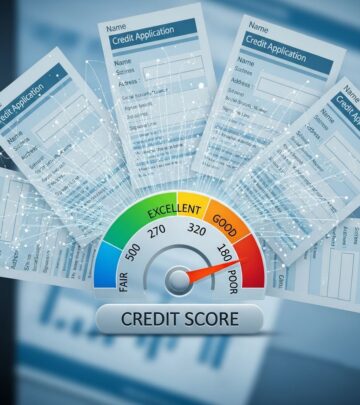
When preparing for major financial steps like buying a home or applying for a new credit card, preapproval is a common first move. It gives you a clear picture of what you qualify for, but many wonder: does it harm your credit score? The short answer is that true preapprovals often involve a hard credit inquiry, which can cause a small, temporary drop in your score, typically just a few points. However, the advantages—such as stronger negotiating power and better loan terms—usually make it worthwhile.
Understanding Credit Inquiries: The Foundation of Preapproval Effects
Credit inquiries are requests by lenders to view your credit report. There are two main types: soft and hard. Soft inquiries occur during prequalification or preapproval offers sent by mail or online; they don’t affect your score and are invisible to other lenders. Hard inquiries, triggered by formal applications, do appear on your report and can ding your score slightly. These stay on your report for two years but influence scores for only about 12 months under models like FICO.
Hard inquiries signal to future lenders that you’re actively seeking credit, which might suggest higher risk. Yet, their weight in scoring models is minor—about 10% of your FICO score—compared to payment history (35%) or amounts owed (30%). A single hard pull rarely drops scores by more than 5 points, and recovery happens quickly with responsible habits.
Preapproval for Mortgages: A Deeper Dive into Homebuying
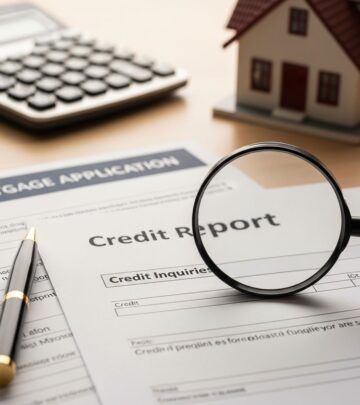
Mortgage preapproval is more rigorous than prequalification. Lenders verify income, assets, and credit via a hard pull, issuing a letter stating your borrowing limit. This step is crucial for homebuyers, as sellers prioritize preapproved offers, viewing them as serious.
- Score Impact: Expect a 3-5 point dip from one inquiry, rebounding in months.
- Rate Shopping Window: Multiple mortgage inquiries within 14-45 days count as one, protecting your score while comparing lenders.
- Long-Term Boost: On-time mortgage payments can elevate your score over time.
Without preapproval, you risk surprises later, like qualification issues after finding your dream home. Early detection of credit problems allows fixes, such as disputing errors or paying down debt.
Credit Card Preapprovals: Less Risky but Still Nuanced
Unlike mortgages, credit card preapprovals usually start with soft pulls, scanning your report without consent or score impact. These offers highlight cards you’re likely eligible for based on basic criteria. Only when you apply formally does a hard inquiry occur, potentially causing a minor dip.
| Type | Inquiry Type | Score Impact | Visibility to Lenders |
|---|---|---|---|
| Prequalification/Preapproval Offer | Soft | None | No |
| Formal Application | Hard | Minor, Temporary | Yes |
This process lets you shop cards risk-free initially, comparing APRs, rewards, and fees before committing. Limit applications to needs, as frequent hard pulls can signal risk.
Strategies to Protect Your Credit During Preapproval
Minimize impacts with these proven tactics:
- Time Your Shopping: Cluster mortgage preapprovals in a 45-day window to bundle inquiries.
- Start with Soft Pulls: Use prequalification tools from multiple lenders first.
- Check Your Own Credit: Soft self-inquiries don’t count against you; review reports weekly via AnnualCreditReport.com.
- Maintain Low Utilization: Keep balances under 30% of limits pre-application.
- Build History: Longer credit histories buffer inquiry effects.
Post-preapproval, focus on on-time payments—the biggest score factor. Avoid new credit until after closing major loans like mortgages.
Benefits That Outweigh the Minor Drawbacks
Preapproval’s upsides are substantial. For homebuyers, it sets a realistic budget, uncovers issues early, and boosts offer competitiveness—often leading to better deals or faster closings. Credit card preapprovals streamline selection, targeting high-approval options and avoiding rejections that could hurt scores further.
In competitive markets, skipping preapproval weakens your position. Sellers favor buyers with financing proof, potentially saving you negotiation leverage worth thousands.
Common Myths About Preapprovals and Credit
Several misconceptions persist:
- Myth: All Preapprovals Hurt Equally. No—soft pull offers don’t.
- Myth: Multiple Lenders Tank Your Score. Not if timed right.
- Myth: Avoid Preapproval to Preserve Score. Delaying risks bigger hits later.
Reality: Effects are fleeting, benefits enduring. The Consumer Financial Protection Bureau advises applying only for needed credit, aligning with preapproval’s targeted nature.
FAQs: Preapproval and Credit Scores
Q: How long does a hard inquiry stay on my report?
A: Up to 2 years, but score impact fades after 12 months.
Q: What’s the difference between prequalification and preapproval?
A: Prequalification uses soft pulls for estimates; preapproval requires hard pulls for binding commitments.
Q: Can I get preapproved without hurting my score?
A: Soft prequal offers yes; full preapprovals no, but impact is minimal.
Q: How many preapprovals are safe?
A: For mortgages, several within 45 days count as one. Space others 3-6 months apart.
Q: Will preapproval help or hurt my mortgage rate?
A: Helps—shows seriousness, aids rate shopping without extra dings.
Navigating Preapproval in Today’s Lending Landscape
As of 2026, digital tools make preapprovals faster, with many lenders offering instant soft-pull estimates via apps. Economic shifts, like fluctuating rates, underscore shopping’s importance—preapprovals lock in insights without commitment. First-time buyers benefit most, gaining education on affordability and programs like FHA loans.
For credit builders, preapproval marks progress, demonstrating lender trust. Pair it with habits like automated payments to amplify gains. If scores dip, monitor via free weekly reports from Equifax, Experian, and TransUnion.
Ultimately, preapproval empowers informed decisions, turning potential pitfalls into advantages. Whether eyeing a home or card upgrade, weigh the tiny score tweak against strategic wins.
References
- How much mortgage preapproval affects credit score — Chase. 2023. https://www.chase.com/personal/mortgage/education/financing-a-home/does-preapproval-affect-credit-score
- Do credit card pre-approvals hurt your credit score? — Capital One. 2023. https://www.capitalone.com/learn-grow/money-management/how-preapproval-affects-credit-score/
- Does getting preapproved hurt your credit? — Rocket Mortgage. 2023. https://www.rocketmortgage.com/learn/does-getting-preapproved-hurt-your-credit
- Could Mortgage Pre-Approval Hurt Your Credit Score? — Guidance Residential. 2023. https://www.guidanceresidential.com/resources/home-buying/could-mortgage-pre-approval-hurt-your-credit-score/
- Does mortgage prequalification affect your credit score? — Bankrate. 2023. https://www.bankrate.com/mortgages/pros-and-cons-of-prequalification/
- Do Pre-Approvals Hurt Your Credit? — FFBML. 2023. https://blog.ffbml.com/do-pre-approvals-hurt-your-credit
Similar Articles








Read full bio of Sneha Tete