Pre-Purchase Inspection: 6 Steps To Smart Used Car Buying
Master the art of vehicle evaluation to secure a reliable used car without hidden defects or surprise costs.
Buying a used car can be a thrilling yet risky endeavor. A meticulous pre-purchase inspection acts as your shield against unseen problems, potentially saving thousands in repairs. This guide equips you with a step-by-step process to evaluate any vehicle thoroughly, from initial seller conversations to the final test drive.
Why Every Buyer Needs a Pre-Purchase Inspection
A pre-purchase inspection reveals issues not visible during a casual look, such as frame damage, fluid leaks, or electrical faults. It confirms the car’s safety, reliability, and true value, helping you negotiate better or walk away from lemons. According to the National Highway Traffic Safety Administration (NHTSA), checking for safety recalls and mechanical integrity prevents accidents and financial pitfalls.NHTSA Recalls
Statistics show that 40% of used cars have undisclosed issues, per consumer reports from reliable automotive sources. Investing time in an inspection—DIY or professional—pays dividends in peace of mind and longevity of ownership.
Step 1: Interrogating the Seller Effectively
Before touching the car, gather intel from the seller. These questions uncover history and red flags:
- How long have you owned the vehicle and why are you selling it?
- Can you provide complete maintenance and repair records?
- Has it been in any accidents, and what repairs were done?
- What type of oil and service intervals have you followed?
- Are there known ongoing issues or recent major repairs like timing belt replacement?
- Is it still under warranty, and how many previous owners?
Honest answers build trust; evasiveness signals caution. Request service logs to verify claims—regular upkeep indicates a well-cared-for car.
Step 2: Exterior Examination Essentials
Start outside in daylight. Walk around slowly, noting these critical areas:
| Area | What to Check | Red Flags |
|---|---|---|
| Body Panels | Alignment of gaps, paint consistency, dents, rust | Uneven gaps, mismatched paint, bubbling rust |
| Glass & Lights | Cracks in windshield/windows, all lights (headlights, signals, brakes) | Chips larger than a quarter, non-working bulbs |
| Tires & Wheels | Tread depth (use penny test), sidewall cracks, even wear, matching sizes | Uneven tread, bulges, mismatched brands |
| Doors & Hood | Easy open/close, secure latches | Sticking, misalignment |
Use a magnet to detect filler (Bondo) on panels—weak attraction suggests bodywork from collisions. Check under wheel wells for excessive rust, especially in salt-belt regions.
Step 3: Under-the-Hood Deep Dive
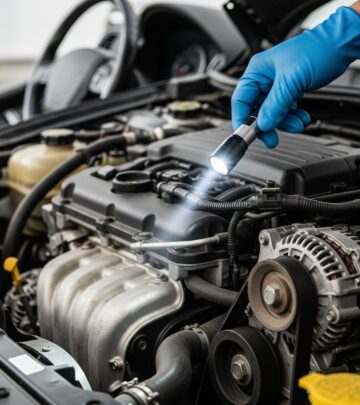
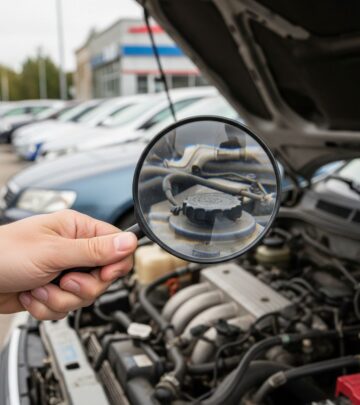
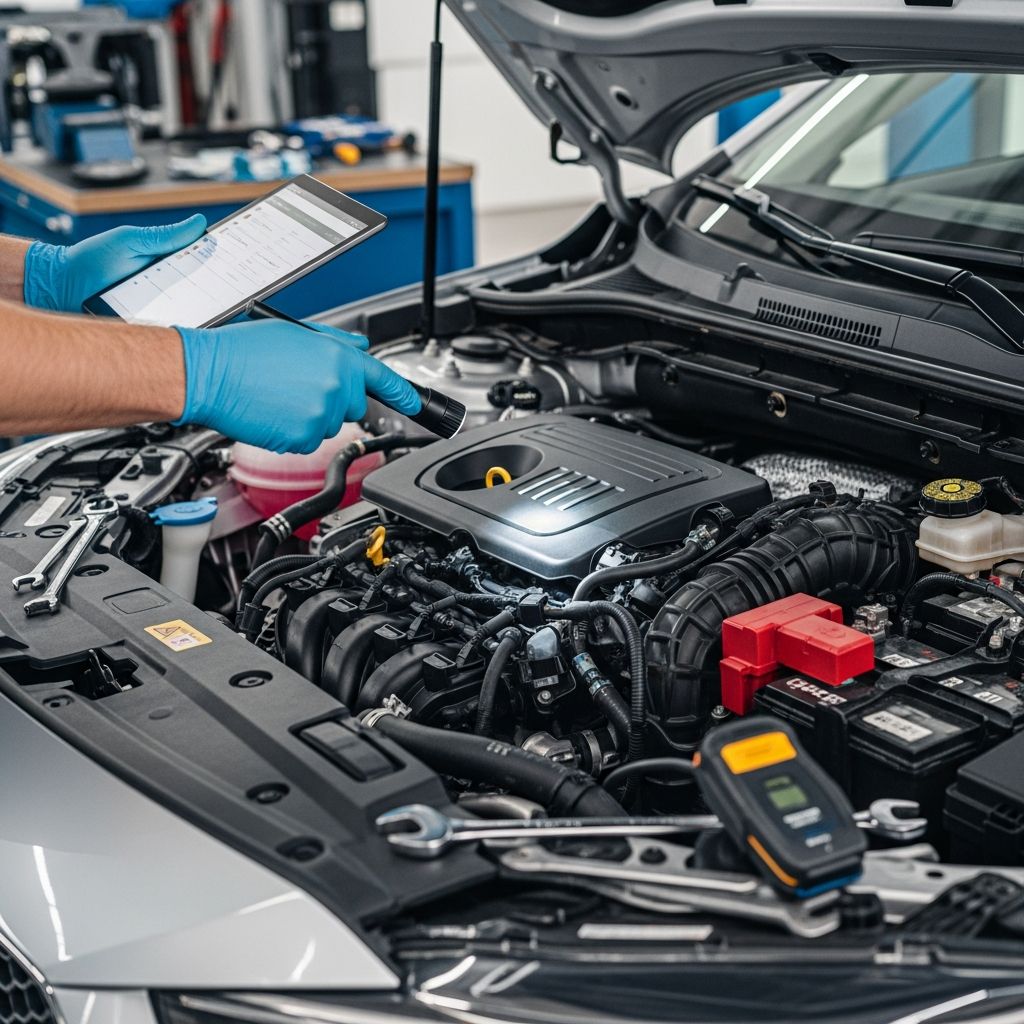
Pop the hood with the engine off. Inspect these components:
- Fluids: Oil (clean, not milky), coolant, brake/transmission fluid levels and condition.
- Battery: Clean terminals, no corrosion, secure cables.
- Belts & Hoses: No cracks, fraying, or brittleness; clamps tight.
- Engine Bay: Leaks, rust stains, overheating evidence.
Scan for diagnostic trouble codes (DTCs) with an OBD-II reader if available—free at many auto parts stores. Clean dipstick oil without metal shavings points to a healthy engine.
Step 4: Interior Integrity Check
Inside, test functionality and condition:
- Seats: Adjustability, tears, stains; check seatbelts for smooth operation.
- Electronics: Windows, locks, mirrors from all controls; radio, USB ports.
- Climate: A/C blows cold, heater hot; all vents, fan speeds.
- Dashboard: Warning lights on key-on (engine off); no persistent check engine light.
- Odors/Floor: No musty smells or water stains indicating leaks.
Saggy headliners or worn pedals reveal high mileage. Test horn, wipers (no streaking), and turn signals.
Step 5: Engine Running and Idling Assessment
Start the engine cold if possible:
- Quick start, smooth idle, no smoke from exhaust.
- Rev gently: No unusual noises, gauges read normal.
- Listen for ticks, knocks; check temperature rise.
Exhaust should be quiet and blue/white-free. Illuminated dash lights post-start demand explanation.
Step 6: The Crucial Test Drive Protocol
Drive 20-30 minutes mixing city/highway:
| Maneuver | Expectations | Warning Signs |
|---|---|---|
| Acceleration | Smooth power, no hesitation | Hesitation, knocking, lack of power |
| Braking | Firm pedal, straight stop, no vibration | Pulling, pulsation, squealing |
| Steering | Tight, no pull/drift | Vibration, play, noises |
| Shifting | Seamless (auto/manual) | Jerking, slipping, delays |
| Highway (60+ MPH) | Stable, quiet | Wander, wind noise, shakes |
Brake firmly from speed; listen for suspension rattles over bumps. Overheating or smells warrant rejection.
Undercarriage and Suspension Scrutiny
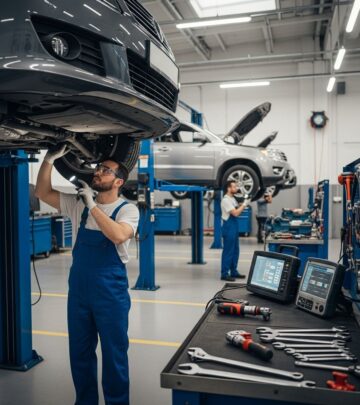
If possible, use a lift or flashlight:
- Exhaust: No holes, secure mounts.
- Suspension: Bushings, shocks intact; no leaks.
- Brakes: Pad thickness (>3mm), rotor condition.
- Frame/Undercarriage: Rust, damage, leaks.
Professional mobile inspections like those from Lemon Squad cover this comprehensively.
Digital Checks: Records and Recalls
Verify VIN for history:
- Carfax/AutoCheck for accidents, title issues, odometer.
- NHTSA for open recalls.
- Market value via Kelley Blue Book/Edmunds.
Low owners, consistent mileage (<12k/year), and clean records are ideal.
DIY vs. Professional Inspection: Making the Choice
DIY suits mechanically inclined buyers with tools like OBD scanners, flashlights, magnets. However, professionals spot nuanced issues like frame alignment or compression variances. Expect $100-250 for a PPI; worth it for cars over $5,000. Reputable shops or AAA-approved mechanics ensure impartiality.
Common Pitfalls and How to Avoid Them
Sellers may clean excessively or hide smoke smells. Always inspect in daylight, rain-free conditions. Skip emotional buys—walk if pressured. Post-inspection, negotiate based on findings.
Frequently Asked Questions (FAQs)
What if the seller refuses an inspection?
Walk away—it’s a major red flag indicating hidden problems.
How much tread depth is safe on tires?
At least 4/32 inch; use tread depth gauge for precision.
Can I use a family mechanic?
Yes, if experienced with pre-purchase; disclose your buying intent.
Is a short test drive enough?
No—minimum 20 minutes to reveal highway issues.
What about electric or hybrid vehicles?
Check battery health via OBD, high-voltage warnings; similar mechanical checks apply.
Armed with this guide, approach used car buying confidently. A thorough inspection transforms risk into reward.
References
- Essential Pre-Purchase Inspection Checklist for Smart Car Buyers — Poquet Auto. 2026-01-22. https://www.poquetauto.com/blog/2026/january/22/essential-pre-purchase-inspection-checklist-for-smart-car-buyers.htm
- How to Perform a Used-Car Inspection — Auto Care Plus. Accessed 2026. https://www.autocareplus.com/lp/vehicle-pre-purchase-inspection-checklist/
- Used Car Inspection Checklist — Progressive. Accessed 2026. https://www.progressive.com/answers/used-car-inspection-checklist/
- How to Inspect a Used Car Checklist — Chris-Fix. Accessed 2026. https://www.chris-fix.com/upload/How%20to%20Inspect%20a%20Used%20Car%20Checklist%20%20FULL.pdf
- Vehicle Inspection Checklist to Use When Buying a Used Car — ENT.com. Accessed 2026. https://www.ent.com/education-center/life-events-major-purchases/vehicle-inspection-checklist/
- Inspect That Used Car Before Buying — Edmunds. Accessed 2026. https://www.edmunds.com/car-buying/inspect-that-used-car-before-buying.html
- Standard Pre-Purchase Used Car Inspection — Lemon Squad. Accessed 2026. https://lemonsquad.com/used-car-inspections/standard
Similar Articles








Read full bio of Sneha Tete