Pre-Foreclosure: Definition, Process, and Options
Understand pre-foreclosure: the critical window to save your home before legal proceedings begin.

What Is Pre-Foreclosure?
Pre-foreclosure refers to the initial stage in the foreclosure process when a homeowner has fallen behind on mortgage payments, but the lender has not yet initiated formal foreclosure proceedings. This period represents a critical window of opportunity for homeowners to take action and potentially prevent the loss of their property. During pre-foreclosure, the homeowner still holds legal title to the property and retains options to resolve the delinquency before formal foreclosure begins.
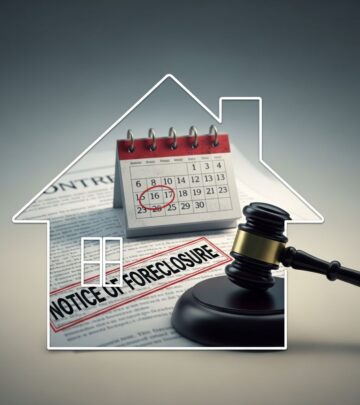
The pre-foreclosure stage typically begins after a homeowner has missed multiple mortgage payments and receives a Notice of Default (NOD) from their lender. This notice serves as an official warning that the lender intends to pursue foreclosure if the missed payments are not resolved within a specified timeframe, usually 30 days. Understanding this distinction is crucial for homeowners seeking to navigate financial hardship without losing their homes.
Understanding the Pre-Foreclosure Timeline
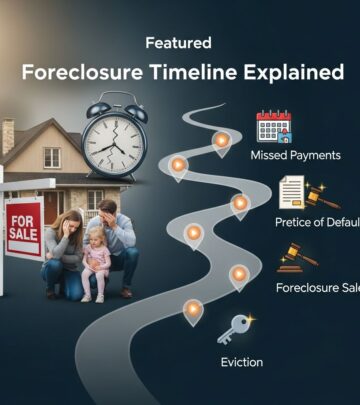
The pre-foreclosure process operates within specific timeframes that vary by state and lender policies. Generally, the pre-foreclosure period cannot begin sooner than 90 days after a borrower misses their first mortgage payment. This means a homeowner must be in default for three consecutive months before lenders typically issue a Notice of Default.
Once the Notice of Default is issued, the homeowner enters the official pre-foreclosure period. The lender will notify the borrower by certified letter that they intend to begin formal foreclosure proceedings within 30 days if the delinquency is not resolved. This 30-day period provides homeowners with their last opportunity to catch up on missed payments, negotiate with their lender, or explore alternative solutions before proceeding to foreclosure.
Pre-Foreclosure vs. Foreclosure: Key Differences
While these terms are often used interchangeably, pre-foreclosure and foreclosure represent distinctly different stages in the mortgage default process. Understanding these differences is essential for homeowners facing financial difficulties.
| Aspect | Pre-Foreclosure | Foreclosure |
|---|---|---|
| Ownership | Homeowner retains legal title | Lender takes possession of property |
| Legal Status | No formal legal proceedings initiated | Formal legal process underway |
| Timeline | Initial stage after 90 days of default | Begins after pre-foreclosure period ends |
| Property Sale | Homeowner can still sell property | Property sold at public auction |
| Credit Impact | Negative but potentially recoverable | Severe and long-lasting damage |
| Options Available | Multiple relief and negotiation options | Limited options available |
Pre-foreclosure is the initial phase where homeowners still have leverage and options. During foreclosure, the lender takes legal action to repossess the property, ultimately selling it to recover the outstanding debt. The key distinction is that pre-foreclosure homeowners retain ownership and decision-making power, while foreclosed properties are controlled by the lender.
How Pre-Foreclosure Works
The Notice of Default
Pre-foreclosure officially begins when a mortgage lender or servicer issues a Notice of Default (NOD) to the homeowner. This certified letter notifies the borrower that they are in default on their mortgage and outlines the steps the lender will take if the delinquency is not resolved. The notice typically specifies the amount owed, including missed payments and any accumulated fees, and provides a deadline for resolving the issue.
The Grace Period and Reinstatement
Following the Notice of Default, homeowners enter a grace period during which they can reinstate their loan. Loan reinstatement involves paying all missed mortgage payments, accumulated late fees, and any legal fees incurred during the pre-foreclosure process. Successfully reinstating the loan stops the foreclosure process and allows the homeowner to resume normal mortgage payments going forward.
Negotiation and Loan Modification
During pre-foreclosure, homeowners can contact their lender to negotiate alternative arrangements. Many lenders offer loan modification programs that can reduce monthly payments by extending the loan term, lowering the interest rate, or adding missed payments to the loan balance. These modifications can make mortgage payments more affordable and help homeowners avoid foreclosure entirely.
Options Available During Pre-Foreclosure
Forbearance Agreements
Forbearance allows homeowners to temporarily pause or reduce their mortgage payments while they recover financially. During the forbearance period, the homeowner’s account is brought current without late fees or foreclosure action. Once the forbearance period ends, the missed payments are typically added back to the loan or repaid through a structured plan.
Short Sales
A short sale occurs when a homeowner sells their property for less than the outstanding mortgage balance with the lender’s approval. This option allows homeowners to satisfy the debt and avoid foreclosure. While a short sale does impact credit scores, it typically causes less damage than a foreclosure. The proceeds from the short sale go toward paying down the mortgage debt, and the lender may agree to forgive the remaining balance.
Deed in Lieu of Foreclosure
In a deed in lieu of foreclosure arrangement, the homeowner agrees to transfer the property to the lender voluntarily, bypassing formal foreclosure proceedings. While homeowners still lose the property, this option may allow them to negotiate forgiveness of some or all missed payments and avoid the foreclosure appearing on their credit reports. This arrangement requires lender approval and must be negotiated before foreclosure begins.
Refinancing
If a homeowner has sufficient equity and acceptable credit, refinancing the mortgage into new terms may provide relief. A successful refinance can lower monthly payments or provide cash to address the delinquency. However, refinancing during pre-foreclosure can be challenging, as many lenders are hesitant to refinance troubled loans.
Pre-Foreclosure Properties and Buying Opportunities
What Are Pre-Foreclosure Homes?
Pre-foreclosure homes are properties owned by homeowners in financial distress who are attempting to avoid foreclosure. These properties are typically listed for sale by the owner or their real estate agent during the pre-foreclosure period. Pre-foreclosure properties represent unique opportunities for buyers seeking properties below market value, as owners are often motivated to sell quickly to avoid foreclosure.
Advantages of Buying Pre-Foreclosure Homes
Pre-foreclosure properties typically offer several advantages compared to foreclosed properties. First, they are often priced significantly below market value, allowing buyers to potentially earn equity immediately. Second, because homeowners are still occupying the property, these homes are often in better condition than foreclosed properties, which may have been neglected or vandalized. Third, buyers can negotiate directly with the homeowner, potentially securing better terms or seller concessions.
Considerations When Buying Pre-Foreclosure
While pre-foreclosure homes offer opportunities, potential buyers should be aware of certain considerations. These properties are typically sold as-is, meaning any necessary repairs are the buyer’s responsibility. Pre-foreclosure sales often take longer than standard transactions, as homeowners may be exploring multiple options before committing to a sale. Additionally, buyers must ensure the purchase price is sufficient to satisfy the mortgage debt, as the lender must approve any short sale arrangement.
The Pre-Foreclosure Purchase Process
When buying a pre-foreclosure home, buyers typically negotiate directly with the homeowner, who remains the legal owner. The homeowner is often motivated to sell quickly to prevent foreclosure, but the sale must satisfy the outstanding mortgage debt with lender approval. Buyers can negotiate purchase price, conduct inspections, and arrange financing. Many pre-foreclosure transactions involve short sales, where the purchase price is less than the outstanding mortgage balance and requires lender approval to proceed.
Impact on Credit and Financial Consequences
Pre-foreclosure has significant implications for a homeowner’s credit and financial situation. Once a mortgage payment is 30 days late, the delinquency is reported to credit bureaus, negatively impacting the credit score. The longer payments remain outstanding, the more severe the credit damage becomes. A Notice of Default and subsequent foreclosure can cause credit scores to drop 100 points or more.
Beyond credit score impacts, foreclosure can affect a homeowner’s ability to obtain future credit, qualify for loans, or secure favorable interest rates for many years. Employment in certain fields may be jeopardized, as some employers conduct credit checks. Additionally, foreclosure can impact insurance rates and security deposits for rental housing if a homeowner loses their home.
Actions to Take During Pre-Foreclosure
Contact Your Lender Immediately
The most important action is contacting your lender or mortgage servicer as soon as you realize you may miss a payment. Lenders often have programs and options available to borrowers who reach out proactively. Waiting until formal default notices arrive significantly reduces available options and demonstrates less responsibility to lenders considering modifications or forbearance.
Gather Financial Documentation
Prepare documentation of your income, expenses, and current financial situation. Lenders will require this information when considering loan modifications, forbearance, or short sale arrangements. Having organized documentation speeds the process and increases approval chances for assistance programs.
Explore Counseling Services
HUD-approved housing counselors provide free or low-cost assistance to homeowners facing foreclosure. These counselors can review your financial situation, explain available options, and help you communicate with your lender. Counseling services can be invaluable in navigating complex financial situations and identifying solutions.
Consult Legal and Financial Professionals
Consider consulting with a real estate attorney and financial advisor familiar with foreclosure situations. These professionals can review your specific circumstances, explain your rights and options, and provide guidance on the best course of action. Legal assistance is particularly valuable if you believe your lender violated foreclosure laws or if you’re considering complex arrangements like deed in lieu of foreclosure.
Pre-Foreclosure vs. Short Sale vs. Foreclosure
Understanding the distinctions between these three terms is essential for homeowners and real estate professionals. Pre-foreclosure is the stage following default but before formal foreclosure begins. A short sale is a specific transaction type that may occur during pre-foreclosure, where the property is sold for less than the outstanding mortgage. Foreclosure is the legal process by which the lender takes possession of the property and sells it at auction.
A home in pre-foreclosure may or may not become a short sale. If the homeowner sells the property for the full amount owed, it’s a standard sale that occurs during pre-foreclosure. If sold for less than owed with lender approval, it becomes a short sale. If the homeowner takes no action during pre-foreclosure, the property proceeds to foreclosure, where the lender controls the sale process.
State Variations and Legal Considerations
Foreclosure laws vary significantly by state, affecting pre-foreclosure timelines and procedures. Some states require judicial foreclosure, where lenders must file suit in court and obtain judicial approval before proceeding. Other states allow non-judicial foreclosure, where lenders can foreclose without court involvement, following specific statutory procedures. These variations affect how quickly pre-foreclosure leads to actual foreclosure and what protections and options homeowners have available.
Additionally, some states have anti-deficiency laws protecting homeowners from owing the difference between the foreclosure sale price and the outstanding mortgage balance. These protections can significantly impact a homeowner’s financial liability and should be understood when considering foreclosure in your specific state.
Frequently Asked Questions
How long does the pre-foreclosure period typically last?
The pre-foreclosure period typically lasts 30 days from the Notice of Default, though this varies by state and lender. However, homeowners have 90 days from their first missed payment before pre-foreclosure officially begins. The entire process can last several months if homeowners actively work with their lenders to find solutions.
Can I sell my home during pre-foreclosure?
Yes, selling your home during pre-foreclosure is one of the primary options available. You can attempt a traditional sale, though buyers may be hesitant to purchase a property in pre-foreclosure. Short sales are specifically designed for pre-foreclosure situations and allow you to sell for less than owed with lender approval.
Will pre-foreclosure appear on my credit report?
Yes, pre-foreclosure and the missed payments appear on your credit report as negative marks. However, the impact is less severe than an actual foreclosure. Successfully resolving pre-foreclosure through loan modification, forbearance, or sale can minimize long-term credit damage.
What happens if I do nothing during pre-foreclosure?
If you take no action during pre-foreclosure, your property will proceed to foreclosure. The lender will foreclose on the property through judicial or non-judicial proceedings depending on your state. Your home will be sold at public auction or transferred to the lender as real estate owned (REO) property. You will lose your home and face severe, long-lasting credit damage.
Can I get my mortgage payments reduced during pre-foreclosure?
Yes, lenders often offer loan modification programs that reduce monthly payments by extending the loan term, lowering the interest rate, or adding missed payments to the loan balance. Contact your lender to discuss available modification options based on your financial situation.
Does pre-foreclosure mean I will definitely lose my home?
No, pre-foreclosure does not automatically mean you will lose your home. The pre-foreclosure period exists specifically to provide homeowners the opportunity to resolve the delinquency and keep their property. Many homeowners successfully emerge from pre-foreclosure through loan modification, forbearance, or other arrangements.
References
- Preforeclosure: How it works and what you can do — Rocket Mortgage. 2024. https://www.rocketmortgage.com/learn/preforeclosure
- What Is Pre-Foreclosure? — Experian. February 10, 2021. https://www.experian.com/blogs/ask-experian/what-is-a-pre-foreclousure/
- What Is Preforeclosure? — Bankrate. 2024. https://www.bankrate.com/mortgages/what-is-preforeclosure/
- What is Pre-Foreclosure and How Does it Work? — Marshack Hays. 2024. https://marshackhays.com/blog/what-is-pre-foreclosure-and-how-does-it-work/
- What’s The Difference Between Short Sale, Pre-Foreclosure, and Foreclosure — Realtor.com. 2024. https://www.realtor.com/advice/buy/what-is-the-difference-between-short-sale-pre-foreclosure-and-foreclosure-2/
Similar Articles








Read full bio of medha deb