A Practical Guide to Medical Debt Consolidation
Learn how to consolidate medical bills, compare options, and protect your credit while getting control of healthcare debt.

Medical Debt Consolidation: A Complete Guide
Unexpected medical bills are one of the most common reasons people in the United States struggle with debt, even among those who have health insurance coverage. When several medical bills pile up at the same time, keeping track of due dates and payment amounts can be overwhelming, and missed payments may eventually lead to collections and damage your credit score. Medical debt consolidation is one way to regain control by turning multiple bills into a single, structured repayment plan.
This guide explains what medical debt consolidation is, how it works, the different tools you can use, and the pros and cons to consider before you commit. It also covers alternatives like negotiating bills, debt management plans, and bankruptcy, so you can compare options and choose the one that best fits your situation.
What Is Medical Debt Consolidation?
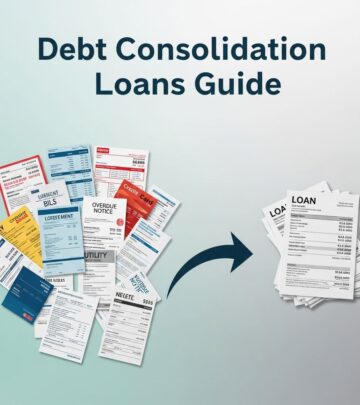
Medical debt consolidation is a strategy where you combine multiple medical bills into one new account or loan, resulting in a single monthly payment instead of several separate payments. In practice, you use a new financial product to pay off existing medical balances, then repay that new account over time.
Medical debts are often owed to different providers: hospitals, specialist clinics, laboratories, and independent physicians. Each may have its own billing department and due date. Consolidation aims to simplify this by:
- Reducing the number of separate bills you must track
- Potentially lowering your overall monthly payment
- Creating a clearer payoff timeline
- Sometimes reducing interest costs if you use a lower-rate product than a credit card or other high-interest debt
In many cases, medical bills do not accrue interest when owed directly to providers, but once you move them to a credit card or loan, interest may apply. This means consolidation must be planned carefully to avoid turning interest-free balances into higher-cost debt.
How Does Medical Debt Consolidation Work?
Most medical debt consolidation strategies follow the same basic steps:
- Gather and review all bills – Collect every medical bill, explanation of benefits (EOB), and collection notice. Verify that the charges are accurate and that your insurance has processed the claims correctly.
- Confirm insurance adjustments and errors – Contact your insurer and each provider to make sure claims were submitted, appeals were handled, and any billing errors corrected before you consolidate.
- Calculate your total medical debt – List each bill, balance, minimum payment, and whether any accounts have gone to collections.
- Compare consolidation options – Look at personal loans, 0% introductory APR credit cards, home equity products, or debt management plans. Consider interest rates, fees, repayment terms, and how each will affect your credit.
- Apply for the chosen product – Submit your application with accurate income, employment, and debt information. A hard credit inquiry is usually required for loans and new credit cards.
- Use the funds to pay off medical bills – Either you or the lender pays the existing medical providers and collections agencies. Some lenders pay creditors directly.
- Make a single monthly payment – After the old bills are cleared, you focus on a single payment toward the new loan, card, or plan, following the agreed schedule.
If you work through a nonprofit credit counseling agency, the agency may negotiate lower interest rates or structured payment plans and then collect one monthly payment from you, distributing funds to each creditor on your behalf.
Medical Debt Consolidation vs. Medical Debt Settlement
Medical debt consolidation and medical debt settlement are often confused, but they are fundamentally different approaches.
| Feature | Medical Debt Consolidation | Medical Debt Settlement |
|---|---|---|
| Core idea | Combine multiple debts into one new account or loan | Negotiate to pay less than the total amount owed |
| Payment structure | Single monthly payment until the new debt is repaid | Usually a lump-sum payout or a short-term structured plan |
| Effect on total debt | Balances are reorganized; amount owed generally unchanged | Balances are reduced if the creditor agrees to a discount |
| Impact on credit | Hard inquiry and possible short-term drop; can improve over time with on-time payments | Settlements are typically reported as paid for less than owed and can significantly harm credit scores |
| Tax implications | No taxable forgiven debt in most cases | Forgiven amounts may be treated as taxable income, subject to IRS rules |
Settlement is usually a last resort for those who are already behind on payments and cannot reasonably repay the full amount. Consolidation generally assumes you can repay your debts but need a more manageable structure.
Types of Medical Debt Consolidation Options
There is no single product labeled “medical debt consolidation loan.” Instead, several common financial products can be used to consolidate medical bills. Each has benefits and drawbacks.
1. Personal Loans
A personal loan is an unsecured installment loan you can use for almost any purpose, including paying medical bills. Many lenders offer fixed interest rates and fixed repayment terms, typically from 2 to 7 years.
- Pros: Fixed payment schedule, predictable payoff date, usually lower rates than high-interest credit cards for borrowers with good credit.
- Cons: Requires credit check and sufficient income; borrowers with lower credit scores may face high interest rates or denial.
2. Balance Transfer Credit Cards
Some credit cards offer a 0% introductory APR on balance transfers for a limited time. You may be able to move medical debt that you have already placed on other credit cards onto a new balance transfer card with a promotional rate.
- Pros: Potentially no interest during the promotional period; can significantly reduce the cost of repayment if you pay off the balance before the promo ends.
- Cons: Often charge transfer fees; after the promo period, interest rates may be high; requires good or excellent credit to qualify for the best offers.
3. Home Equity Loans and HELOCs
Homeowners may use a home equity loan or a home equity line of credit (HELOC) to consolidate medical bills. These products let you borrow against the equity in your home, often at lower interest rates than unsecured credit.
- Pros: Potentially lower interest rates and longer repayment terms than personal loans and credit cards.
- Cons: Your home is collateral, so missed payments can lead to foreclosure; closing costs may apply; not available to renters or owners with little equity.
4. 401(k) Loans
Some employer retirement plans allow 401(k) loans, where you borrow from your own retirement savings and repay the account with interest. This can be used for medical bills, depending on plan rules.
- Pros: No credit check; interest paid goes back into your account.
- Cons: Reduces retirement savings growth; if you leave your job or cannot repay, the loan may be treated as a distribution and taxed, with possible penalties.
5. Debt Management Plans (via Credit Counseling)
A debt management plan (DMP) is arranged through a nonprofit credit counseling agency. The counselor works with your creditors to create a single consolidated monthly payment and may negotiate reduced interest or fees.
- Pros: Professional guidance; simplified payments; can be suitable for multiple unsecured debts, including medical and credit card balances.
- Cons: Possible monthly service fees; you typically must close or pause use of some credit accounts; it can take 3–5 years to complete the plan.
Who Qualifies for Medical Debt Consolidation?
Eligibility depends on the specific financial product you choose, but lenders and agencies generally look at several key factors:
- Amount of debt: Consolidation is most helpful when you have several medical bills or a relatively large total balance. Very small debts may be better handled through direct payment plans with providers.
- Type of debt: Most options focus on unsecured debts such as medical bills and credit cards. Secured debts, like mortgages or auto loans, are usually handled separately.
- Debt status: Current and overdue medical bills, including accounts in collections, may be eligible for consolidation. However, resolving disputes or billing errors first is essential.
- Credit profile: For loans and credit cards, your credit score, income, and debt-to-income ratio determine whether you qualify and what interest rate you receive.
- Age and legal capacity: You must be at least the legal age of majority (usually 18) and able to enter binding agreements.
- Exhaustion of alternatives: Some lenders and counselors will want to see that you have explored negotiation and financial assistance programs before turning to consolidation.
Pros and Cons of Medical Debt Consolidation
Understanding the advantages and disadvantages can help you decide whether consolidation is the right step.
Potential Benefits
- Simplified repayment: One monthly payment is easier to manage than several separate bills, which can reduce errors and missed due dates.
- Predictable payoff timeline: Loans and structured plans provide a clear end date, helping you budget long term.
- Possible interest savings: If you currently carry medical debt on high-interest credit cards, a lower-rate product can reduce total interest paid.
- Credit protection or improvement: Consistent on-time payments on the new account can gradually improve your credit profile after any initial score impact from the application.
- Reduced collection pressure: Paying off collections accounts or arranging structured payments can reduce calls and letters from collectors.
Potential Drawbacks
- Interest may increase overall cost: If your original medical bills were not accruing interest, moving them to a loan or card could cost more over time if you stretch payments out.
- Requires discipline: Consolidation does not address the underlying cause of debt (such as insufficient insurance). Taking on new debt without a budget may lead to additional borrowing.
- Collateral risk: When you use home equity, your property is at risk if you fall behind on payments.
- Fees and charges: Origination fees, balance transfer fees, and counseling program fees can reduce the savings from consolidation.
- Credit impact: Applying for new credit generally triggers a hard inquiry, which can temporarily lower your score, and late payments on the new account can cause further harm.
Steps to Take Before Consolidating Medical Debt
Before committing to a consolidation strategy, it is important to take several preparatory steps that may reduce the amount you owe or eliminate the need for a new loan.
- Verify every bill: Compare statements with your insurance explanations of benefits to ensure you are not being billed for services that should have been covered, duplicates, or coding errors.
- Negotiate with providers: Hospitals and clinics often have financial assistance, charity care, or discount policies, especially for low- and moderate-income patients. Ask about cash-pay discounts, hardship programs, and interest-free payment plans before turning to credit-based solutions.
- Check eligibility for public programs: Medicaid, Children’s Health Insurance Program (CHIP), or state and local assistance may retroactively cover some medical costs if you qualify.
- Request itemized statements: An itemized bill helps you identify specific charges to question or negotiate.
- Set a realistic budget: Review your income and essential expenses to determine how much you can reasonably allocate toward medical debt each month.
Alternatives to Medical Debt Consolidation
Medical debt consolidation is only one of several strategies available. Depending on your circumstances, alternatives
1. Payment Plans with Providers
Many hospitals and medical practices will set up interest-free or low-interest payment plans directly with patients. These arrangements typically divide your bill into manageable monthly payments without the need for a third-party loan.
- Ask whether payment plans affect your credit or involve external financing companies.
- Ensure the monthly amount fits comfortably within your budget to avoid future default.
2. Medical Debt Relief and Assistance Programs
Nonprofit organizations, hospital charity programs, and some government initiatives may offer partial or full forgiveness of eligible medical bills for individuals who meet income and asset criteria.
- Contact hospital financial assistance departments and local social services agencies.
- Document your income, household size, and financial hardship when applying.
3. Medical Debt Management Plans
For people juggling medical bills along with credit card and other unsecured debts, a debt management plan through a nonprofit credit counseling agency can be an effective alternative to borrowing. The agency consolidates payments and may secure reduced interest rates or fee waivers, though you still repay most or all of the principal.
4. Debt Settlement
If your financial hardship is severe and you are behind on payments, you may try to settle medical debts directly with providers or collection agencies. This involves negotiating a reduced pay-off amount, often in exchange for a lump-sum payment. While this can lower your total out-of-pocket cost, it can also negatively affect your credit history and may have tax consequences, as forgiven debt can be considered taxable income under IRS rules.
5. Bankruptcy
For those with overwhelming medical debt and little realistic chance of repayment, bankruptcy may be a last-resort option. In the United States, Chapter 7 bankruptcy can discharge many unsecured debts, while Chapter 13 sets up a court-supervised repayment plan over several years. Both forms significantly impact credit but can provide a structured path to a financial fresh start when other remedies are insufficient.
Is Medical Debt Consolidation Right for You?
Whether consolidation is a good idea depends on your goals, credit profile, and the nature of your medical bills. It may be more suitable if:
- You have multiple medical bills and want a single monthly payment.
- You can qualify for a loan or plan with affordable payments and reasonable interest.
- You have already tried negotiating with providers and exploring assistance programs.
- You are committed to sticking to a budget to avoid accumulating new high-cost debt.
On the other hand, you may want to consider other options if:
- Your bills are relatively small and providers will offer interest-free payment plans.
- You cannot qualify for consolidation without very high interest rates.
- Your income is too low to support any new payment obligations.
- You are already in severe financial distress and may need legal relief such as bankruptcy.
Frequently Asked Questions (FAQs)
Q: Does consolidating medical debt hurt my credit score?
A: Applying for a consolidation loan or credit card usually results in a hard inquiry, which can cause a small, temporary drop in your credit score. Over time, however, making on-time payments and reducing your overall unsecured debt can help improve your credit profile.
Q: Can I consolidate medical debt that is already in collections?
A: In many cases, yes. Personal loans and some debt management plans can be used to pay collection accounts. Before consolidating, verify that the debt is valid, request documentation, and try negotiating with the collection agency for a lower payoff or removal of certain fees.
Q: Is it better to use a personal loan or a balance transfer card for medical bills?
A: It depends on your credit score, the total amount owed, and how quickly you can repay the debt. A 0% introductory APR balance transfer card may be cost-effective if you can pay off the balance before the promotional rate ends. A fixed-rate personal loan may be better if you need a longer payoff period and predictable monthly payments.
Q: Should I pay medical bills with a credit card before consolidating?
A: Moving medical bills to a standard credit card can expose you to high interest rates if you do not pay them off quickly. Whenever possible, ask providers for payment plans or assistance first. If you do use a credit card, consider whether you can later move that balance to a lower-rate consolidation option.
Q: When is bankruptcy a better option than medical debt consolidation?
A: Bankruptcy may be more appropriate when your total debts, including medical bills, are so large relative to your income and assets that repayment through consolidation or management plans is unrealistic. Consulting an accredited credit counselor or bankruptcy attorney can help you assess whether your situation meets that threshold.
References
- Medical Debt Burden in the United States — Consumer Financial Protection Bureau. 2022-03-01. https://files.consumerfinance.gov/f/documents/cfpb_medical-debt-burden-in-the-united-states_report_2022-03.pdf
- Medical Debt Consolidation: What It Is and How To Do It — LendingTree. 2024-02-01. https://www.lendingtree.com/debt-consolidation/medical-debt-consolidation/
- Understanding the Medical Billing Debt Collection Process — Cedar Financial. 2023-06-15. https://cedarfinancial.com/understanding-the-medical-billing-debt-collection-process/
- Medical Debt Consolidation: Is it a Good Idea? — InCharge Debt Solutions. 2023-10-10. https://www.incharge.org/debt-relief/debt-consolidation/medical-debt/
- When Medical Debt Consolidation Is a Good Idea — GoodRx Health. 2023-04-12. https://www.goodrx.com/healthcare-access/medical-debt/medical-debt-consolidation
- Medical Debt Consolidation: Should You Do It? — Debt.org. 2024-01-05. https://www.debt.org/consolidation/medical-debt/
Similar Articles








Read full bio of Sneha Tete