Power Outage Tips: Essential 2025 Checklist For Home
Stay safe, save money, and keep your family comfortable during power outages with these practical preparation and survival tips.
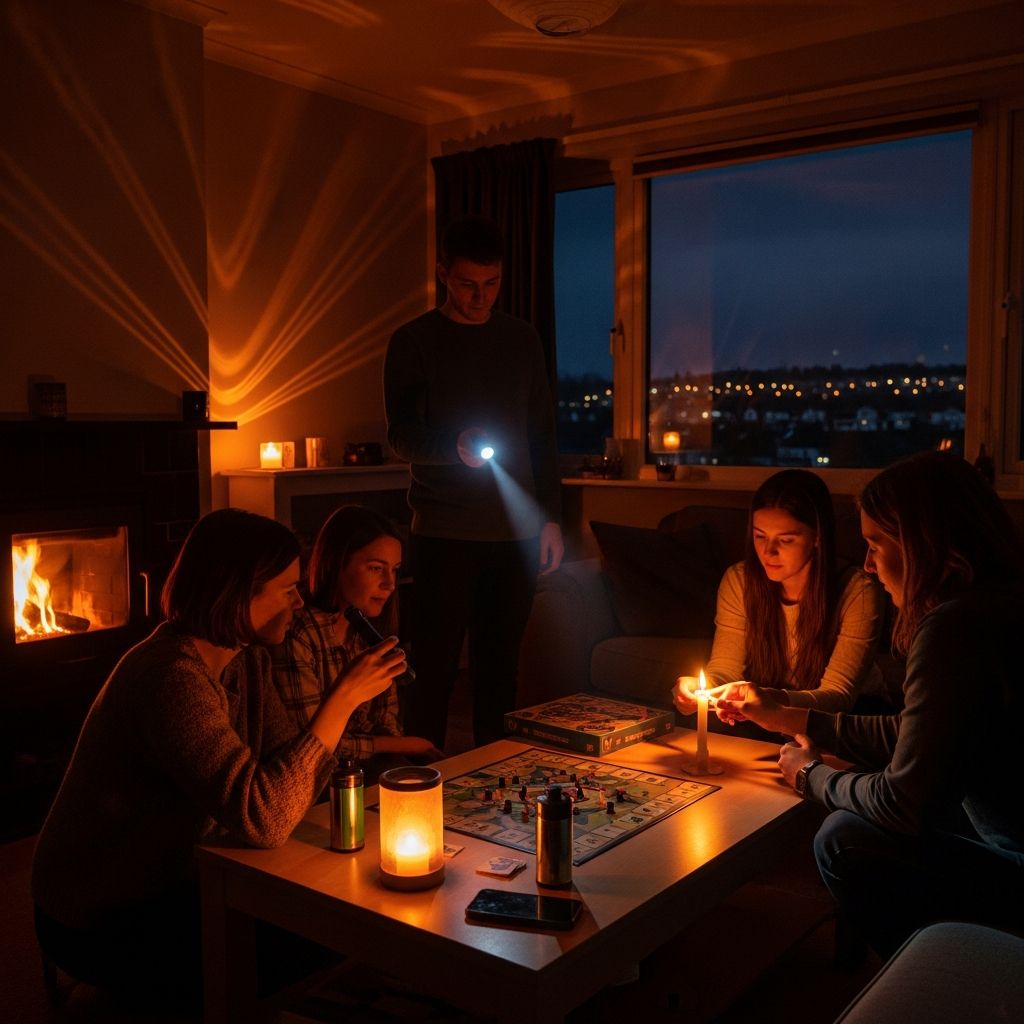
Power outages can strike unexpectedly due to storms, grid failures, or maintenance, disrupting daily life and potentially costing hundreds in spoiled food and repairs. Preparation not only ensures safety but also helps save money by preventing waste and avoiding unnecessary expenses. This guide covers everything from building an emergency kit to safe generator use, drawing on official safety recommendations.
Before the Power Goes Out: Preparation is Key
Proactive steps minimize risks and costs. Create a family emergency plan, assemble a kit, and identify vulnerabilities like medical devices or vulnerable household members.
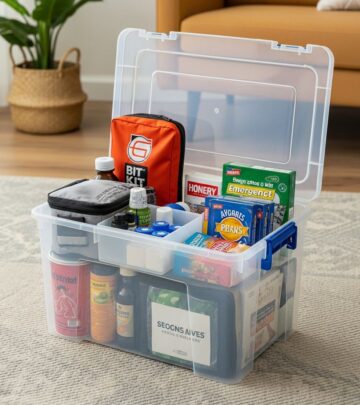
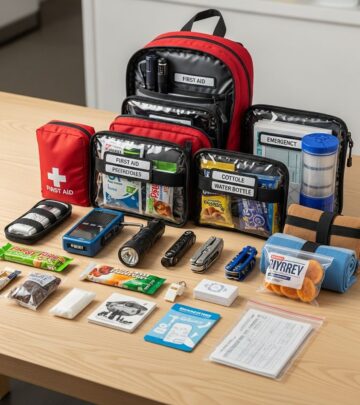
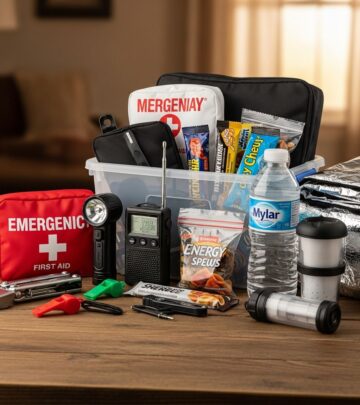
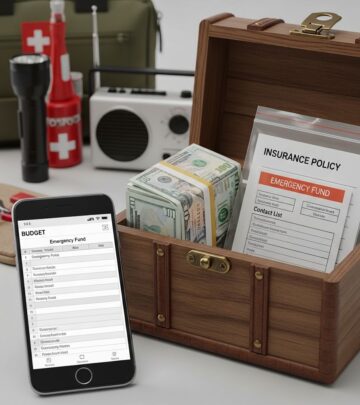
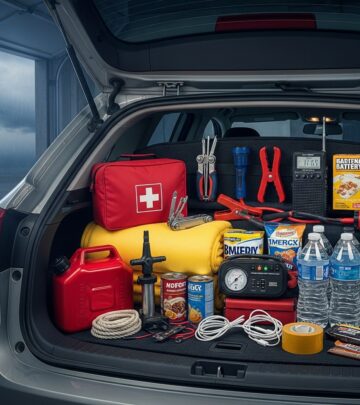
- Build an Emergency Kit: Stock non-perishable food, water (1 gallon per person per day for 3 days), flashlights, batteries, first-aid supplies, and a manual can opener. Include cash in small bills, as ATMs may fail.
- Charge Devices: Keep phones, tablets, and power banks fully charged. Have a hand-crank or battery-powered radio for updates.
- Medical Needs: Ensure backup batteries for devices like CPAP machines or ensure enrollment in utility medical baseline programs for priority restoration.
- Food Inventory: Know fridge/freezer contents and their safe storage times to avoid waste.
Practice manual overrides for garage doors or gates, and identify neighbors to check on, especially the elderly or those living alone.
During the Outage: Stay Safe and Comfortable
When lights go out, prioritize safety to prevent injuries, fires, or carbon monoxide poisoning, which causes over 400 deaths annually in the U.S.
Lighting Without Fire Hazards
Use battery-powered lanterns or flashlights stored in accessible spots. Avoid candles, which pose fire risks—open flames cause 20% of home fires during outages.
- Keep extra batteries handy and teach family members locations.
- LED headlamps free hands for tasks.
Maintain Comfort
Stay warm or cool without power: layer clothing, use blankets, or close blinds. Prepare hot water in thermoses for drinks pre-outage.
- Alternative cooking: gas BBQ or camp stove outdoors only.
- Board games or books combat boredom and save battery life.
Communication and Alerts
Stay informed via battery radio or apps if charged. Sign up for utility outage alerts and keep a paper contact list.
- Report outages via app, text, or phone (e.g., text ‘OUT’ to 66267 for some utilities).
- Coordinate with community for check-ins.
Food Safety: Prevent Waste and Illness
Refrigerated food stays safe for 4 hours; frozen for 24-48 hours if doors remain closed. Thawed meat can cost $50-100 in losses per event.
| Food Type | Fridge Safe Time | Freezer Safe Time | Discard If… |
|---|---|---|---|
| Raw/Perishable (meat, dairy) | 4 hours | 48 hours | Above 40°F for 2+ hours |
| Cooked Leftovers | 4 hours | 24 hours | Smells off or slimy |
| Fruits/Veggies | 4-6 hours | 24+ hours | Mushy or moldy |
| Bread, Butter | Indefinite | Indefinite | N/A |
Use ice chests with block ice; consume perishables first. When power returns, check temperatures with an appliance thermometer.
Generator Safety: Power Without Peril
Portable generators save food and provide light but cause most outage deaths via CO poisoning. Never run indoors or near vents.
- Placement: 20+ feet from home, windows, doors.
- Fueling: Turn off and cool before refilling to avoid spills.
- Cords: Use heavy-duty, grounded extensions; avoid daisy-chaining.
- Installation: Professional transfer switch prevents backfeeding lines, which endangers linemen.
Operate per manufacturer instructions; test monthly. CO alarms are essential—install on every level.
Power Lines and Electrical Hazards
Downed lines kill dozens yearly. Assume all are live.
- Stay 35+ feet away; anything touching is energized.
- Call 911 immediately—do not touch or drive over.
- In floods, avoid submerged outlets/equipment; get electrician inspection.
Unplug appliances pre-outage to prevent surge damage; leave one light on to signal restoration.
Special Considerations for Vulnerable Households
Families with infants, elderly, or pets face higher risks.
- Pets: Extra water/food, leashed outdoors, familiar safe room.
- Babies: Pre-made formula, battery fans, extra diapers.
- Elderly/Disabled: Backup medical gear, evacuation plan, neighbor network.
When Power Returns: Inspect and Reset
Don’t overload circuits. Check food, reset breakers only if safe, and inspect for damage.
- Plug in gradually; use surge protectors.
- If smells of burning or sparks, call electrician.
Saving Money During Outages
Outages cost U.S. households $150+ yearly in waste/repairs. Save by:
- Preserving Food: Proper storage avoids $50+ losses.
- Efficient Kits: Bulk buys (batteries, water) under $100 last years.
- Generators: Fuel-efficient models pay off quickly.
- Insurance Review: Coverage for spoilage/surges.
Frequently Asked Questions (FAQs)
Q: How long can food stay safe in a full freezer during an outage?
A: Up to 48 hours if unopened; monitor with thermometer.
Q: Is it safe to run a generator in a garage with door open?
A: No—CO can still enter; keep 20+ feet away outdoors only.
Q: What if I rely on powered medical equipment?
A: Enroll in medical baseline programs, have backups, and plan evacuation.
Q: Should I open fridge doors during outage?
A: No—keeps cold 4x longer closed.
Q: How do I report a downed power line?
A: Call 911; stay back 35 feet.
Long-Term Preparation Checklist
| Category | Items/Actions |
|---|---|
| Kit Essentials | Water, food, flashlight, radio, first-aid, batteries, cash |
| Safety Gear | CO/smoke alarms, fire extinguisher, surge protectors |
| Power Backup | Power bank, generator (with fuel), manual overrides |
| Plans | Family plan, contacts, evacuation routes, utility alerts |
Review annually; involve whole household for effectiveness.
References
- Staying safe when the power goes out – Power Outage Plan — Power Outage Plan. 2023. https://poweroutageplan.com.au/checklist/PowerOutagePlan_checklist_en.pdf
- Power Outage Safety Checklist — Oncor. 2025-01-01. https://www.oncor.com/content/oncorwww/wire/en/home/storm-center/power-outage-safety-checklist.html
- Power Outage Safety — American Red Cross. 2024-06-15. https://www.redcross.org/get-help/how-to-prepare-for-emergencies/types-of-emergencies/power-outage.html
- 12 tips to prepare for a power cut — National Grid. 2024. https://www.nationalgrid.com/power-cuts/tips-prepare-for-power-cut
- Power Outage Emergency Kit Checklist Guide — Energy Harbor. 2023-11-01. https://energyharbor.com/energy-resources/moving-center/power-outage-emergency-kit-checklist-guide
- General power outage safety — PG&E. 2025. https://www.pge.com/en/outages-and-safety/safety/electric-safety/general-outage-safety.html
- Incident Action Checklist – Power Outages — EPA. 2019-11-26. https://www.epa.gov/sites/default/files/2019-11/documents/191126-incidentactionchecklist-po-form_508c.pdf
Similar Articles








Read full bio of medha deb