Postdated Checks: Uses, Risks, 5 Safer Alternatives
Master postdated checks: understand risks, legal implications, and safer alternatives.
Postdated Checks: A Comprehensive Guide to Uses, Risks, and Alternatives
Postdating a check is a financial practice that has been used for decades to manage cash flow and align payment timing with expected income. However, despite its common usage, postdating checks carries significant risks and misconceptions. Understanding what postdated checks are, how they work, their legal implications, and safer alternatives is essential for anyone considering this payment method.
A postdated check is a standard check that is written with a future date instead of the current date. This practice is typically employed when the check writer anticipates having insufficient funds in their account at the time of writing but expects to have adequate funds available by the future date written on the check. While the concept seems straightforward, the reality of how postdated checks function within the banking system is considerably more complex and risky than many people realize.
What Is a Postdated Check?
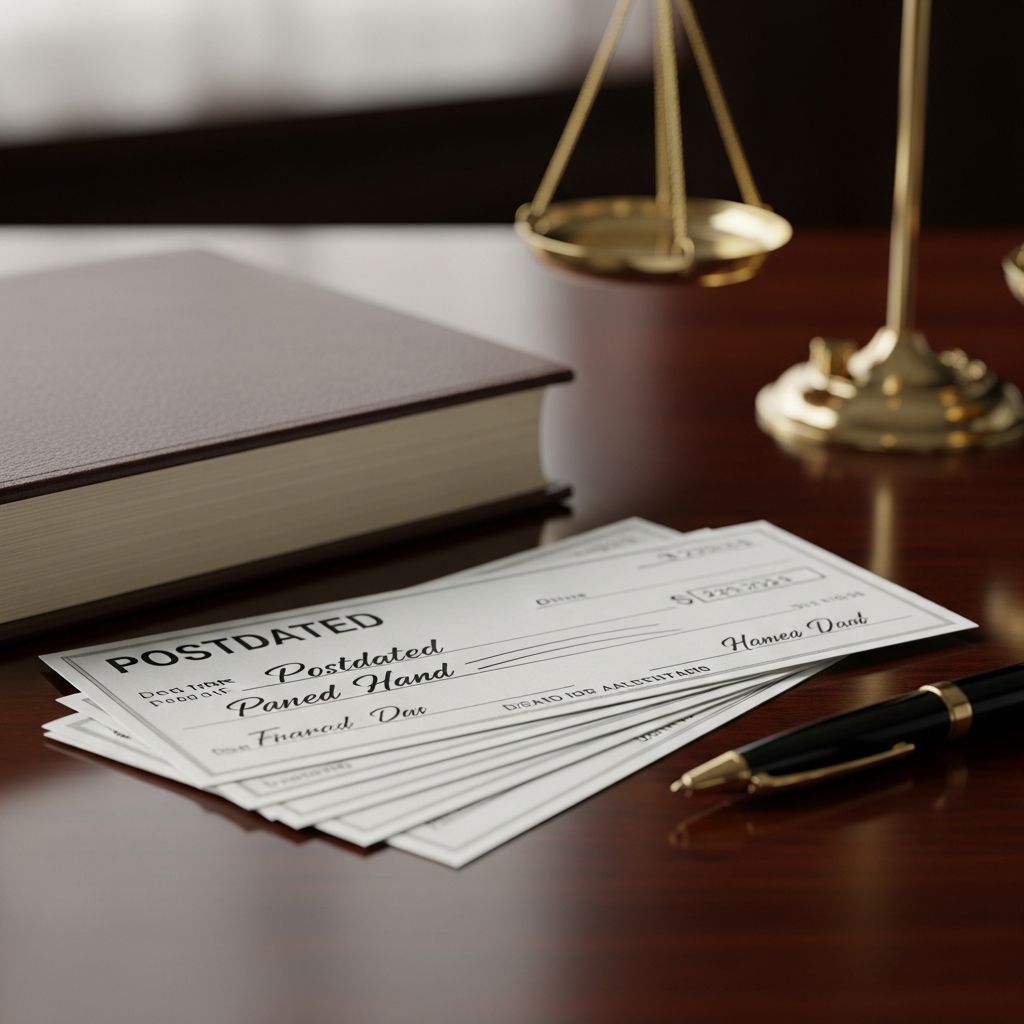
A postdated check is fundamentally a check that bears a date in the future. For instance, if today is November 15th and you write a check dated November 22nd, that check is postdated. The intent behind postdating is to signal to the recipient that they should not cash or deposit the check until the date specified on the check arrives. This practice is often used when individuals or businesses need to make a payment but lack sufficient funds to cover it at the moment of writing.
The assumption underlying postdated checks is that both the writer and the recipient understand and respect the future date. However, this assumption frequently proves problematic in practice. Banks are typically not required by law to honor the postdate and may process the check before the written date arrives. This disconnect between the intent of postdating and the actual banking practices creates significant financial risk for check writers.
How Postdated Checks Work
When you postdate a check, you are essentially asking the payee to wait until the specified date before depositing or cashing it. The mechanics are simple: you write a future date on the check instead of today’s date. The challenge arises when banks process these checks regardless of the future date. Since checks are generally considered payable on demand, neither the payee nor the bank is obligated to wait until the written date to process the check.
Consider this practical example: On May 22nd, Jim owes his supplier $2,000 but doesn’t have the funds available. He offers to mail two postdated checks—one dated June 20th and another dated July 20th—for $1,000 each. Jim and the supplier agree that the supplier will hold the checks and only deposit them on the dates shown. However, if the supplier deposits either check early or if Jim’s bank processes the check before the written date, overdraft fees could result if Jim doesn’t have sufficient funds in his account.
Reasons People Postdate Checks
There are several legitimate scenarios where individuals and businesses consider postdating checks as a potential solution to their financial needs:
Managing Cash Flow
One of the primary reasons people postdate checks is to manage cash flow more effectively. Individuals and small business owners often face situations where they need to make payments immediately but know they will receive income or funds by a specific future date. By postdating the check to align with expected income, they hope to ensure that funds will be available when the check is processed.
Avoiding Overdraft Fees
Postdating checks may seem like a way to prevent overdraft fees. If you don’t have sufficient funds now but expect to have them soon, postdating the check appears to offer a solution. This is particularly attractive to those living paycheck to paycheck or managing seasonal income variations.
Ensuring Timely Payments
Some individuals use postdated checks to ensure that important payments like rent or utilities are made on time without relying on manual payment on the specific due date. By postdating the check to the due date, they hope to create a built-in payment reminder and ensure the payment is delivered on schedule.
Legal Status of Postdated Checks
A critical question many people ask is whether postdating checks is legal. The answer is generally yes—postdated checks are typically legal in the United States, though laws vary by state. However, there are important legal nuances to understand:
General Legality
Under U.S. law, postdated checks are generally permitted, and the law does not prohibit their use absent fraud. From a legal standpoint, writing a check with a future date is not inherently illegal. However, state laws may have specific provisions or regulations governing postdated checks, so it’s wise to verify the regulations in your particular state.
Fraud Considerations
The critical caveat is that postdating a check becomes illegal if done with intent to defraud the recipient. If you postdate a check knowing that you have no reasonable expectation of having funds to cover it by the written date, you could be committing check fraud. Additionally, if you lack the funds to cover a postdated check and don’t intend to deposit the necessary funds before the check is presented, this could constitute a crime in many jurisdictions.
Limited Legal Protection
While postdating may be legal, the law provides minimal protection to those relying on postdated checks. Banks are typically not legally required to delay processing a postdated check, and many banks explicitly state in their account agreements that they will not be held liable for cashing postdated checks before the written date.
Risks and Drawbacks of Postdated Checks
Despite the apparent simplicity of postdating checks, this practice carries substantial risks that often outweigh any benefits. Understanding these risks is essential before considering postdating as a financial tool.
Early Deposit Risk
The most significant risk is that the payee may deposit or cash the check before the written date, or the bank may process it early. Since banks and payees are not legally required to wait until the postdate to process the check, early processing is entirely possible and common. This early processing could result in the check bouncing if insufficient funds are available in your account.
Overdraft and NSF Fees
If a postdated check is cashed or deposited before funds are available in your account, it will likely be returned as insufficient funds. This typically incurs nonsufficient funds (NSF) fees, also called overdraft fees. These fees can be charged to both the account holder and potentially to the payee, creating financial complications for both parties. In many cases, these fees exceed the actual shortage amount, making the situation worse.
Confusion and Miscommunication
Postdated checks can lead to confusion and misunderstandings, particularly if the recipient is not certain of the agreement regarding when to deposit the check. What one party believes is a clear arrangement may not be understood the same way by the other party. This miscommunication can damage business relationships and create disputes.
Limited Tracking and Control
Once you issue a postdated check, you have limited control over when it will actually be processed. You must rely on the recipient’s cooperation and the bank’s policies. Unlike electronic payment methods that offer confirmation of processing dates, postdated checks provide no guarantee.
Safer Alternatives to Postdated Checks
Given the significant risks associated with postdated checks, several safer and more reliable alternatives exist for managing cash flow and making payments:
Online Bill Payment
Most financial institutions offer online bill payment services that allow you to schedule payments for future dates. These services provide greater control and confirmation than postdated checks. You can schedule the payment to process on the exact date you choose, and you receive confirmation of the transaction. This eliminates the uncertainty and risk associated with postdated checks.
Automatic Transfers and ACH Payments
Automated Clearing House (ACH) payments and automatic transfers allow you to set up recurring or one-time payments that process on specified dates. These methods are generally more reliable than postdated checks and provide better documentation for both parties.
Money Orders
For situations where you need to make a payment without using your checking account directly, money orders can be an alternative. While they have their own costs and limitations, they provide a more formal payment instrument than a postdated check.
Payment Plans and Arrangements
Rather than relying on postdated checks, communicating directly with creditors or recipients about your situation and arranging a formal payment plan can be more effective and transparent. Many businesses and service providers are willing to work with customers facing temporary cash flow challenges.
Electronic Funds Transfer (EFT)
EFT provides a direct electronic transfer of funds from one account to another. This method is faster, more secure, and more reliable than postdated checks, and it leaves a clear electronic record of the transaction.
Best Practices If You Receive a Postdated Check
If you receive a postdated check as a payee, consider the following best practices:
– Verify the agreement in writing with the payer regarding when the check should be deposited- Do not deposit the check before the written date if you have made an agreement to wait- Consider requesting an alternative payment method if the postdate is far in the future- Be cautious about accepting postdated checks from unknown parties, as this could indicate financial instability or fraudulent intent- Keep the postdated check secure and organized so you don’t forget about it or lose it
Key Considerations for Check Writers
If you are considering postdating a check, keep these critical points in mind:
– Do not assume the bank will honor the postdate; many banks will process postdated checks early- Ensure you have sufficient funds in your account by the postdate to cover the check amount- Communicate clearly with the recipient about the postdate and your expectations- Be aware of your bank’s specific policies regarding postdated checks- Consider the legal implications if you postdate a check without reasonable assurance of having funds available- Explore alternative payment methods that offer better reliability and documentation
Frequently Asked Questions
Q: Can a bank process a postdated check before the written date?
A: Yes, banks are typically not required to delay processing postdated checks. Many banks specifically state in their account agreements that they will not be held liable for cashing postdated checks before the written date.
Q: Is it illegal to write a postdated check?
A: Generally, no, postdated checks are legal in most U.S. states. However, postdating a check with intent to defraud or without reasonable expectation of having funds available by the written date could constitute check fraud.
Q: What happens if a postdated check bounces?
A: If a postdated check is processed before sufficient funds are available, it will be returned as an NSF (nonsufficient funds) check. Both the payer and potentially the payee may incur overdraft or NSF fees.
Q: Can I stop payment on a postdated check?
A: Yes, you can place a stop payment order with your bank to prevent a postdated check from being processed. However, your bank will typically charge a stop payment fee, usually between $25 to $35.
Q: Are there alternatives to postdated checks?
A: Yes, several safer alternatives exist, including online bill payment services, automatic ACH transfers, money orders, and arranging direct payment plans with creditors or service providers.
Q: How long is a postdated check good for?
A: Checks generally remain valid for six months from the written date. After six months, a check is considered stale and most banks will not honor it.
Conclusion
Postdated checks represent a payment method with significant historical use but considerable modern risks. While generally legal in most U.S. states, postdating checks provides minimal legal protection and relies entirely on the cooperation of both the recipient and the bank to function as intended. The numerous risks—including early processing, overdraft fees, and confusion—often outweigh any perceived benefits of this payment method.
For individuals and businesses seeking to manage cash flow effectively while avoiding payment delays, numerous safer alternatives exist. Online bill payment services, automatic transfers, money orders, and direct arrangements with creditors offer greater reliability, documentation, and peace of mind than postdated checks. By understanding the limitations and risks of postdated checks and exploring these alternatives, you can make more informed financial decisions that better protect your accounts and business relationships.
References
- Post-dated Check: Understanding Its Legal Definition — US Legal Forms Legal Resources. 2024. https://legal-resources.uslegalforms.com/p/post-dated-check
- What are postdated checks and how do they work? — Chase Bank. 2024. https://www.chase.com/personal/banking/education/basics/postdated-checks
- What is a post-dated check? — Accounting Coach. 2024. https://www.accountingcoach.com/blog/what-is-a-post-dated-cheque
- Postdated Checks: What You Should Know — PNC Insights. 2024. https://www.pnc.com/insights/personal-finance/spend/postdated-checks.html
- postdated check — Legal Information Institute, Cornell University Law School. 2020. https://www.law.cornell.edu/wex/postdated_check
- Postdated Checks: Are They Legal? Is It a Waste of Time? — SoFi Learn. 2024. https://www.sofi.com/learn/content/what-are-postdated-checks/
Similar Articles








Read full bio of Sneha Tete