Post-Graduation Credit Card Transitions
Navigate your credit card options after leaving college successfully.
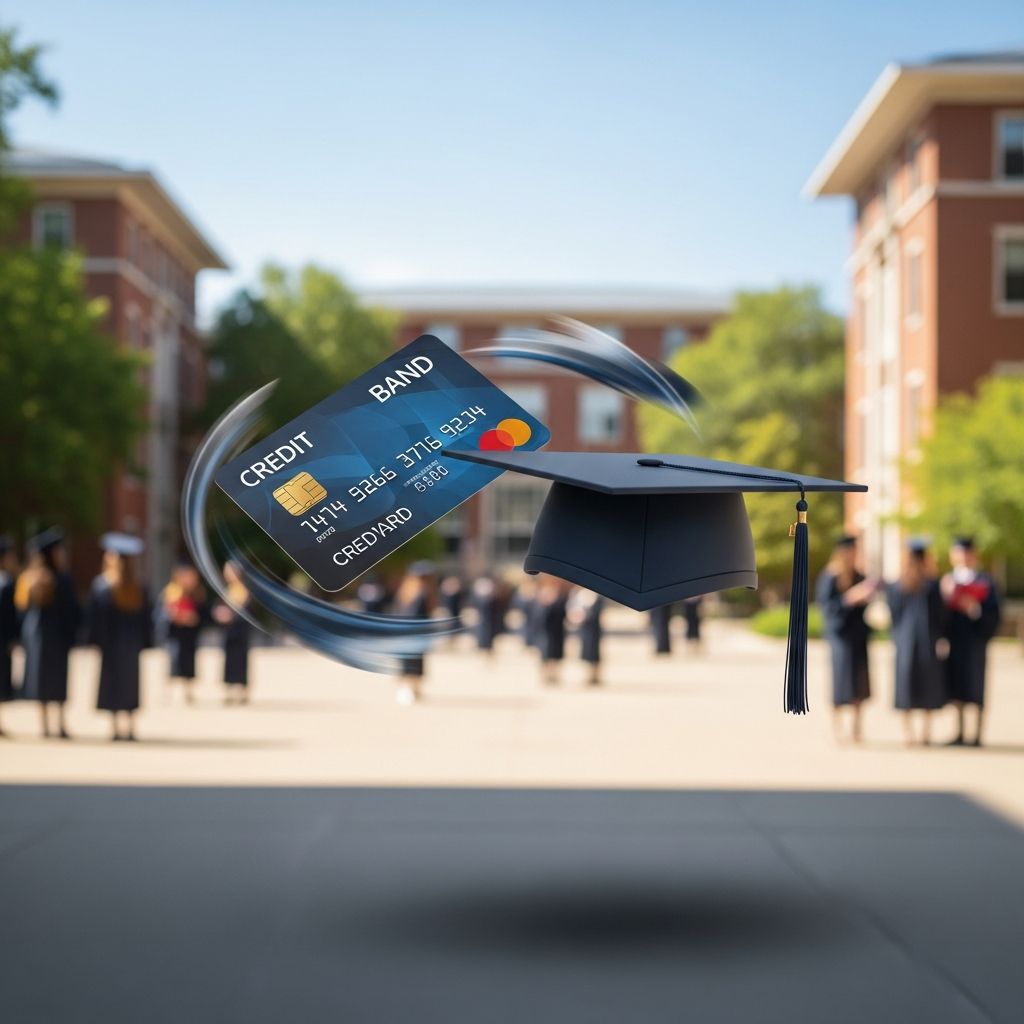
Completing your college education marks an exciting milestone, but it also introduces practical financial decisions that deserve careful consideration. One question many graduates face is what to do with the student credit card they’ve relied on throughout their academic years. Unlike some services or benefits that automatically disappear after graduation, your credit card remains active and usable. However, this doesn’t mean you should simply ignore it or assume nothing will change. Understanding your options and making an informed choice can significantly impact your credit score and financial future.
Understanding Your Account Status After Graduation
A common misconception among recent graduates is that their student credit card will automatically close or expire once they leave school. This assumption is incorrect. Financial institutions understand that their cardholders’ lives evolve, and closing accounts without consent would harm both the customer relationship and the customer’s credit profile. Your card issuer will not automatically terminate your account simply because you’ve completed your degree.
However, the lack of automatic closure doesn’t mean your account will remain completely unchanged. Different credit card companies handle post-graduation transitions in varying ways. Some institutions may take proactive steps to upgrade your account, while others leave the decision entirely in your hands. The specific outcome depends on your card issuer’s policies and their business practices.
This distinction is important because it affects your timeline for making decisions. If your issuer automatically upgrades your account, you’ll have limited time to understand the changes before they take effect. If they leave it to you, you have the flexibility to research your options carefully and make a choice that aligns with your long-term financial goals.
Automatic Upgrade Paths and How They Work
Many credit card issuers offer what’s known as an automatic product conversion when a cardholder’s status changes from student to graduate. When this happens, your student card transitions to an equivalent non-student version without requiring your active participation. This process is designed to be seamless and minimize disruption to your credit history.
During an automatic upgrade, you’ll receive a new physical card in the mail bearing the new design and features of the standard card. The timing of this transition varies by issuer, but you’ll typically have advance notice through mail or digital notifications. While you wait for the new card to arrive, you can continue using your existing student card as normal. This grace period ensures you won’t experience any service interruption.
One critical detail to monitor during an automatic upgrade involves your account number. In some cases, the account number transfers directly to your new card, meaning your upgraded card is simply a replacement of your existing account. In other instances, the issuer may assign a new account number to your upgraded card. This distinction matters significantly if you have recurring payments or subscriptions linked to your card.
If your account number changes, you must update any automatic payments associated with your old card before the upgrade takes effect. Failing to do so could result in missed payments, which would damage your credit score and potentially trigger late fees. To avoid this problem, contact your card issuer in advance and ask specifically whether your account number will change during the upgrade process.
Choosing to Apply for a Different Card
Not every graduate wants to accept whatever card their issuer offers as an upgrade. If you’ve been thinking about switching to a different card entirely or if your issuer doesn’t offer an automatic upgrade option, you have the right to apply for a completely new card. This could mean applying with your current issuer for a different product, or it could mean opening an account with a different financial institution altogether.
The decision to apply for a new card rather than upgrade presents both advantages and considerations. Many credit cards offer sign-up bonuses to new applicants, providing additional value when you open the account. If you’ve built good payment history and maintained a solid credit score during college, you may now qualify for premium cards with better rewards structures, higher credit limits, or enhanced perks that weren’t available to you as a student.
Comparing different credit cards before applying is essential. Look beyond the initial sign-up bonus to examine ongoing rewards rates, annual fees, interest rates, and additional benefits that match your lifestyle and spending patterns. As you transition into your career, your spending priorities may shift from student-focused perks to benefits that serve working professionals. Taking time to research ensures you select a card that continues to provide value for years to come.
When applying for a new card, remember that each application generates a hard inquiry on your credit report, which temporarily affects your credit score. If you’re considering multiple options, try to space out your applications rather than submitting several at once. This approach minimizes the cumulative impact on your credit profile.
Maintaining Your Existing Student Card
Another completely valid option is to keep your student card exactly as it is, continuing to use it without any changes. This approach makes sense if you’re satisfied with the card’s benefits, rewards structure, and terms. Many student cards are designed to be competitive even after graduation, offering rewards rates and features that appeal to young professionals.
Continuing to use your existing student card has a significant advantage: it preserves your credit age. Your credit history length is an important factor in calculating your credit score, and closing old accounts or frequently switching cards can negatively impact this metric. If your student card has performed well for you, keeping it active contributes positively to your credit profile over time.
The decision to keep your card is particularly wise if you’ve built a strong payment history. Consistent, on-time payments over several years of college create a positive credit history that benefits your financial reputation. Maintaining this account preserves the evidence of your responsible credit behavior.
The Impact of Closing Your Account
While closing your student card might seem like a logical step when moving to adulthood, financial experts generally recommend against this approach unless you have a compelling reason. Closing a credit account can negatively affect your credit score in several ways that persist for years after you close the account.
First, closing an account reduces your total available credit, which increases your credit utilization ratio. This ratio—the percentage of your available credit that you’re actively using—is a significant factor in credit scoring calculations. A higher utilization ratio signals higher credit risk, even if you’re not actually spending more money. Second, closing an established account removes positive payment history from your active accounts, which can lower your score. Third, if the closed account was among your oldest credit lines, closing it can reduce your average account age, another factor that influences your score.
The credit score impact of closing an account can be substantial and long-lasting. It typically takes several years for your score to fully recover to its previous level, even if you maintain perfect payment behavior with other accounts. For this reason, consider keeping your student card open and active even if you’re primarily using a different card for most purchases.
Special Considerations for Secured Credit Cards
Some students who couldn’t qualify for a traditional student card built their credit using a secured credit card, which requires an upfront security deposit. If this applies to you, your situation after graduation offers particular advantages.
A secured card that you’ve managed responsibly gives you a clear pathway to upgrade without closing your account. Many secured card issuers will convert your account to an unsecured card once you’ve demonstrated sufficient credit responsibility, typically after consistent on-time payments over 12-24 months. When this happens, the issuer returns your security deposit, and your account continues operating exactly as before, except without the deposit requirement.
If your issuer hasn’t automatically converted your secured card after graduation, contact them to discuss conversion eligibility. Having built credit successfully with a secured card is actually advantageous, as it demonstrates you took credit building seriously and followed through responsibly.
Evaluating Your Credit Score and Financial Position
Before making any decisions about your student credit card, take time to review your credit score and understand your overall credit profile. If you’ve made consistent, on-time payments throughout college, your credit score has likely improved, opening new possibilities that weren’t available to you as a student.
Knowing your current credit score helps you make strategic decisions about which cards to pursue. Higher scores typically qualify for lower interest rates, higher credit limits, and more attractive rewards programs. If your score has improved significantly since you first opened your student card, this information guides you toward genuinely better options rather than settling for what you used in college.
Consider also your post-graduation financial situation. Are you starting a job with a stable income? Do you have loans to repay? Are you planning major expenses like moving costs or further education? Your financial circumstances influence which card features matter most to you going forward.
Creating an Action Plan for Your Card Transition
Rather than leaving this decision to chance, create a deliberate action plan for your student credit card. Start by contacting your card issuer to understand their specific policy regarding post-graduation accounts. Ask whether they offer automatic upgrades, what timeline they follow, and whether your account number will change during any transition.
Next, if you haven’t already, check your credit score and credit report to understand your current financial profile. This information informs your decision about whether to pursue better card options or maintain your existing account. Review your spending patterns and financial goals to determine what card features matter most to you in your post-college life.
Finally, set a timeline for making a decision rather than procrastinating indefinitely. Ideally, you should make your choice and take any necessary actions within the first few months after graduation. This timing gives you the opportunity to make changes proactively rather than reactively scrambling if your issuer initiates an automatic upgrade.
Common Questions About Post-Graduation Credit Cards
Will my student card automatically close when I graduate?
No. Credit card issuers do not automatically close student accounts upon graduation. Your account remains active unless you request closure or your issuer converts it to a different product.
Does upgrading my card hurt my credit score?
An upgrade typically has minimal impact on your credit score because it’s usually a product conversion of your existing account rather than opening a new account. Your account age is preserved, and no new inquiry appears on your report.
What if I don’t want to keep my student card anymore?
You have several options: you can upgrade to a different card from the same issuer, apply for a card from a different issuer, or keep your existing card open but use it less frequently. Closing the account should be your last resort due to credit score implications.
Can I still use my student card after graduation?
Yes, absolutely. There’s nothing preventing you from continuing to use your student card after you graduate. The term “student card” is a product classification; using it doesn’t require active student status.
How soon should I make a decision about my student card?
It’s best to make a decision within a few months of graduation, before your issuer takes any automatic action. This gives you time to research your options and act deliberately rather than reactively.
References
- What Happens to My Student Credit Card When I Graduate? — Experian. Accessed 2026. https://www.experian.com/blogs/ask-experian/what-happens-to-student-credit-card-after-graduation/
- What To Do With A Student Credit Card When You Graduate — Bankrate. Accessed 2026. https://www.bankrate.com/credit-cards/building-credit/student-cards-when-you-graduate/
- What Happens to Student Credit Cards When You Graduate? — Chase. Accessed 2026. https://www.chase.com/personal/credit-cards/education/basics/what-happens-to-student-credit-cards-when-you-graduate
Similar Articles








Read full bio of medha deb