Post-Date: Definition, Importance, and Financial Impact
Understanding post-dating checks: Legal implications and financial consequences explained.

Understanding Post-Date in Finance
In the world of banking and finance, terminology plays a crucial role in understanding how transactions work and what rights and obligations both parties have. One such term that has been in use for decades, though becoming less common with digital payment methods, is “post-date.” A post-dated check represents a check that is written with a date in the future, rather than the current date when the check is written. This financial instrument has unique legal implications and carries specific risks that both the check writer and recipient should understand comprehensively.
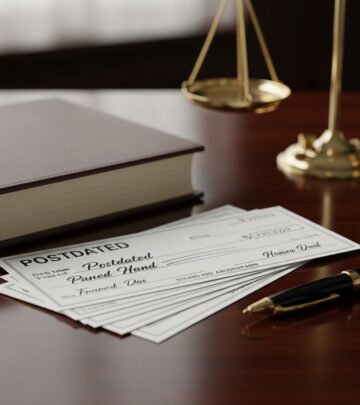
Post-dating a check is the practice of writing a check with a future date, with the intention that the check will not be processed or cleared until that specified future date arrives. For example, if today is January 15th, 2025, and you write a check dated January 22nd, 2025, you have post-dated that check. The underlying assumption behind this practice is that the recipient will hold the check and deposit or cash it only after the specified date, by which time funds will theoretically be available in the check writer’s account.
How Post-Dating Works
The mechanics of post-dating involve several parties and a series of steps that should be understood clearly to avoid complications and financial problems. When you write a post-dated check, you are essentially creating a contractual obligation with the recipient, assuming they will honor the date you have written and not attempt to cash or deposit the check before that date.
- The Check Writer’s Perspective: The individual writing the post-dated check does so with the expectation that they will have sufficient funds in their account by the future date. This might occur because they are awaiting a paycheck, a business payment, or another anticipated deposit.
- The Recipient’s Perspective: The person receiving a post-dated check understands that they are agreeing, whether explicitly or implicitly, to wait until the specified date before attempting to cash or deposit the check. They are essentially granting credit to the check writer.
- The Bank’s Role: Banks have specific policies regarding post-dated checks. While banks are typically required to honor post-dated checks if they are presented after the date written, they are not legally obligated to prevent payment before that date unless the account holder has specifically notified them in writing.
Legal Status of Post-Dated Checks
The legal status of post-dated checks varies by jurisdiction, making it essential for both parties to understand the rules in their specific location. In the United States, post-dated checks occupy an interesting legal space. According to the Uniform Commercial Code (UCC), which governs commercial transactions across most states, a post-dated check is still considered a valid negotiable instrument, and banks are permitted to cash or deposit it before the written date unless the account holder provides written notice.
This legal reality contradicts what many people assume about post-dated checks. Many individuals believe that simply writing a future date on a check legally prevents it from being cashed before that date. However, this is a misconception. Banks can honor post-dated checks immediately if they choose to do so, and the responsibility falls on the check writer to notify the bank in advance if they wish to prevent early payment.
In some jurisdictions outside the United States, the legal treatment of post-dated checks may be different. Some countries have specific laws protecting post-dated checks and making it illegal for financial institutions to cash them before the specified date. It is crucial to research the specific laws in your jurisdiction before relying on a post-dated check as a payment mechanism.
Risks and Drawbacks of Post-Dating
While post-dating checks may seem like a convenient solution for managing cash flow, it comes with several significant risks that both parties should consider carefully.
- Insufficient Funds Risk: The primary risk of writing a post-dated check is that the anticipated funds may not materialize as expected. If you lose your job, an expected payment falls through, or other financial complications arise, you may not have sufficient funds when the check is presented. This can result in overdraft fees, bounced check fees, and damage to your banking relationship and credit history.
- Lack of Legal Protection: As mentioned earlier, banks are not legally obligated to wait until the post-date to cash or deposit the check. If the check is deposited early and you lack sufficient funds, you will be responsible for overdraft fees and other consequences, despite writing the check with a future date.
- Trust and Relationship Issues: Post-dating checks can create ambiguity and potential conflict between the check writer and recipient. If there is any miscommunication about when the check will be deposited, problems can arise that damage business or personal relationships.
- Administrative Burden: Managing post-dated checks requires coordination between multiple parties and careful tracking of dates. This administrative burden increases the likelihood of errors and misunderstandings.
- Fraud Concerns: Post-dated checks can be misused fraudulently. An unscrupulous recipient might attempt to cash a post-dated check before the specified date, causing financial harm to the check writer.
Stop-Payment Orders and Prevention
If you have written a post-dated check and circumstances change, making you unable or unwilling to honor it, you have the option of placing a stop-payment order with your bank. A stop-payment order is an instruction to your bank to refuse payment on a specific check if it is presented for clearance.
To issue a stop-payment order, you typically need to provide your bank with:
- The check number
- The amount of the check
- The name of the recipient
- The approximate date of the check
Stop-payment orders typically cost between $15 and $35, depending on your bank. However, they provide an important safety net for those who have written post-dated checks but need to prevent payment. It is important to note that stop-payment orders must be issued before the check is actually presented to the bank for payment.
Modern Alternatives to Post-Dating
In today’s digital financial landscape, post-dated checks are becoming increasingly obsolete, as numerous alternatives offer greater security, reliability, and convenience. Understanding these alternatives can help both individuals and businesses manage their financial transactions more effectively.
- Electronic Fund Transfers (EFT): EFTs allow funds to be transferred directly from one bank account to another on a specified date. This method is faster, more secure, and more reliable than post-dated checks.
- Automated Clearing House (ACH) Transfers: ACH transfers are a form of EFT that can be scheduled for future dates. Many employers now use ACH transfers to pay employees, and individuals can set up ACH transfers through their online banking platforms.
- Bill Payment Services: Most banks offer bill payment services that allow customers to schedule payments for future dates. These services are convenient, secure, and eliminate the need for post-dated checks.
- Credit Cards and Lines of Credit: For short-term financing needs, credit cards or lines of credit may be preferable alternatives to post-dated checks, as they provide more flexibility and protection for both parties.
- Promissory Notes: For larger transactions or more formal agreements, promissory notes create a written legal contract that can specify payment terms and consequences for non-payment.
- Digital Payment Platforms: Services like PayPal, Venmo, and other digital payment platforms allow for scheduled or immediate payments with greater security and tracking capabilities than post-dated checks.
Best Practices When Dealing with Post-Dated Checks
If you must use post-dated checks despite the availability of modern alternatives, following best practices can help minimize risks and potential complications.
- Communicate Clearly: Ensure that all parties understand the arrangement and agree to honor the post-date. Get written confirmation if possible.
- Notify Your Bank: Contact your bank in writing to inform them of the post-dated check and request that they prevent early payment if your bank offers this service.
- Maintain Accurate Records: Keep detailed records of all post-dated checks you have written or received, including the amount, recipient or payer, and the specified date.
- Ensure Sufficient Funds: Make absolutely certain that you will have sufficient funds in your account by the post-date to cover the check amount, accounting for any other anticipated withdrawals.
- Consider Alternatives: Before resorting to a post-dated check, explore modern alternatives that may be safer and more reliable.
Post-Dating in Business Contexts
In business, post-dated checks have historically been used as a form of short-term financing or payment arrangement. Small businesses might offer post-dated checks to suppliers to extend payment terms, or suppliers might accept post-dated checks from customers to manage their own cash flow. However, even in business contexts, post-dating is becoming less common as electronic payment methods provide more efficient and secure alternatives.
Businesses should be aware that accepting post-dated checks carries risks. If the issuing company experiences financial difficulties, the check might bounce, leaving the recipient with minimal recourse. Modern payment terms, such as net-30 or net-60 invoices, combined with electronic payment methods, provide better protection and clearer documentation of payment obligations.
Frequently Asked Questions (FAQs)
Q: Is it legal to post-date a check?
A: Yes, it is legal to write a post-dated check. However, the legal protections surrounding post-dated checks vary by jurisdiction. In the United States, banks are not legally required to wait until the post-date to cash the check unless you have specifically notified them in writing.
Q: What happens if I deposit a post-dated check early?
A: If you deposit a post-dated check before the specified date, it may be processed immediately, or the bank may delay processing until the post-date, depending on the bank’s policies. If the check writer does not have sufficient funds, overdraft fees may apply to their account.
Q: Can I stop payment on a post-dated check?
A: Yes, you can place a stop-payment order with your bank to prevent payment on a post-dated check. This typically involves a fee and must be done before the check is presented for payment.
Q: Are post-dated checks still commonly used?
A: Post-dated checks are becoming increasingly rare as electronic payment methods, such as ACH transfers, bill payment services, and digital platforms, provide more secure and efficient alternatives.
Q: What is the difference between a post-dated check and a regular check?
A: The primary difference is the date written on the check. A regular check is dated the current date and can be cashed immediately, while a post-dated check is dated for a future date with the expectation that it will not be cashed until that date.
Q: Can I be prosecuted for writing a post-dated check?
A: Writing a post-dated check with the intent to defraud or knowing you will not have sufficient funds could potentially result in criminal charges in some jurisdictions, such as charges for writing bad checks or fraud.
References
- Uniform Commercial Code Article 3: Negotiable Instruments — National Conference of Commissioners on Uniform State Laws. 2022. https://www.uniformlaws.org/committees/community-home
- Federal Reserve System: Funds Availability — Board of Governors of the Federal Reserve System. 2024. https://www.federalreserve.gov/pubs/shop/default.aspx
- Consumer Financial Protection Bureau: Check 21 and Your Rights — Consumer Financial Protection Bureau (CFPB). 2023. https://www.consumerfinance.gov/
- American Bankers Association: Check Fraud and Prevention — American Bankers Association. 2024. https://www.aba.com/
- Stop Payment Orders and Their Legal Implications — Office of the Comptroller of the Currency (OCC). 2023. https://www.occ.treas.gov/
Similar Articles








Read full bio of Sneha Tete