Poshmark vs. Depop vs. Mercari: Complete Guide
Compare the top resale platforms: fees, features, audiences, and which is best for you.
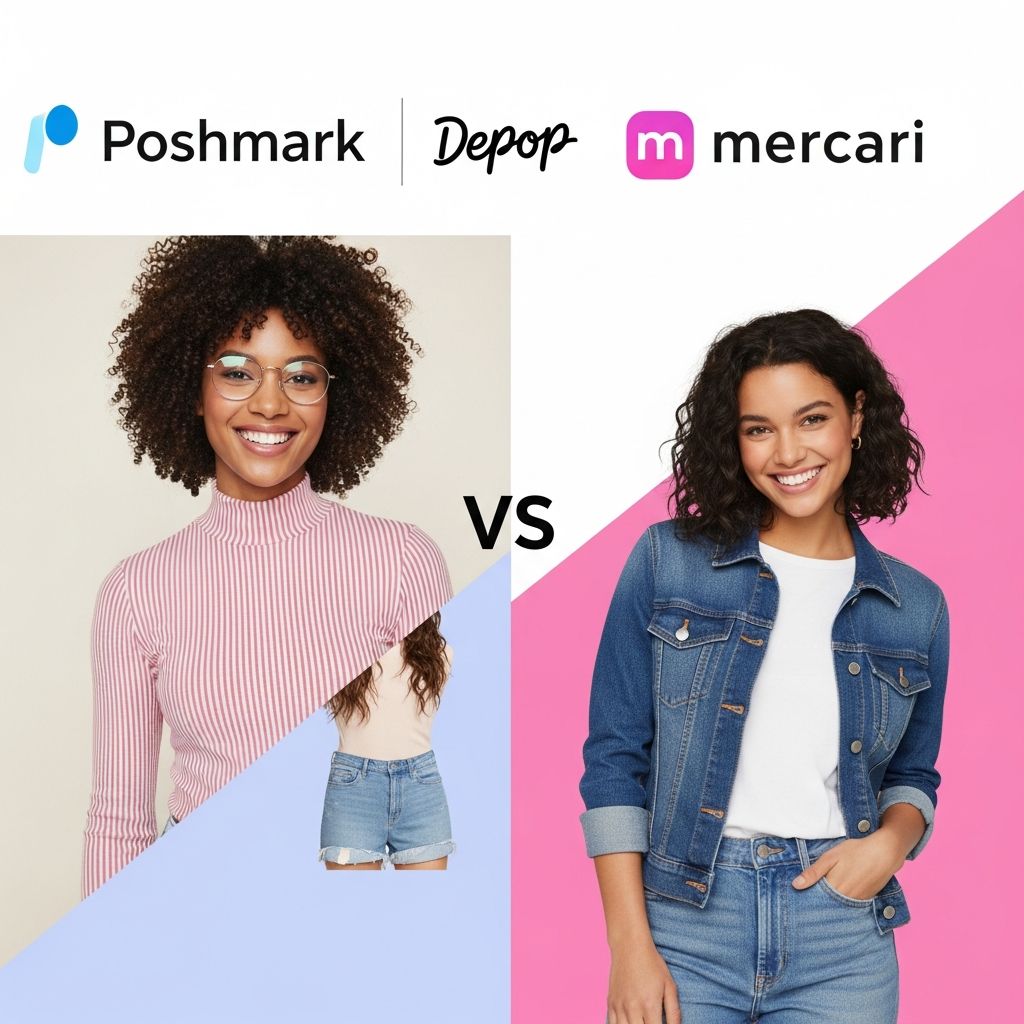
Poshmark vs. Depop vs. Mercari: Which Resale Platform Is Right for You?
The resale marketplace has exploded in recent years, offering everyday people opportunities to monetize their closets and declutter their homes. However, choosing the right platform can significantly impact your selling success and profitability. Three dominant players—Poshmark, Depop, and Mercari—each offer distinct advantages, fee structures, and user experiences. Understanding their differences is essential for maximizing your resale potential.
Whether you’re a casual seller looking to make quick cash or a serious entrepreneur building a resale business, this comprehensive guide will help you navigate the strengths and weaknesses of each platform to make an informed decision.
Understanding the Platforms
Poshmark: The Fashion-Forward Social Marketplace
Poshmark has established itself as a premier destination for fashion resellers, particularly those focused on branded clothing, designer handbags, and shoes. The platform combines social features with e-commerce functionality, allowing sellers to build personal brands and engage directly with their customer base.
Poshmark’s audience skews toward women aged 25-45, predominantly based in the United States. The platform emphasizes community engagement, hosting virtual shopping events called Posh Parties where sellers can showcase their items and connect with buyers. This social-first approach makes Poshmark ideal for sellers who enjoy building relationships and cultivating a loyal customer base.
The interface prioritizes browsing and discovery through curated collections and social sharing. Sellers can leverage features like closet sharing, following mechanisms, and promotional tools to increase visibility and accelerate sales velocity.
Depop: The Gen Z Vintage Haven
Depop dominates among younger demographics, particularly Gen Z users under 26 who appreciate vintage fashion, Y2K trends, and streetwear aesthetics. The platform’s Instagram-like interface emphasizes visual storytelling and personal branding, making it the preferred choice for creative sellers who curate distinctive collections.
With a global audience spanning over 150 countries, Depop attracts buyers seeking unique, trend-forward items that reflect individual style. The platform’s origins in Europe contribute to its sophisticated editorial approach to fashion, where photography skills and aesthetic consistency become competitive advantages.
Depop’s algorithm-driven discovery system rewards sellers who maintain cohesive feeds and use hashtag systems strategically. Trendy items gain maximum traction quickly, making it an excellent platform for vintage curators, streetwear enthusiasts, and sellers of rare sneakers or one-of-a-kind pieces.
Mercari: The All-Purpose Marketplace
Mercari takes a different approach from its competitors by offering a broader marketplace that extends far beyond fashion. While Poshmark and Depop focus primarily on apparel and accessories, Mercari welcomes electronics, home goods, toys, collectibles, and beauty products.
The platform serves a diverse demographic across all age groups in the United States, making it ideal for sellers with varied inventory. Mercari prioritizes simplicity and efficiency, offering a straightforward “list it and forget it” experience without requiring extensive social engagement or aesthetic curation.
Mercari’s interface prioritizes browsing and direct purchasing, with minimal social features compared to competitors. Sellers focus purely on creating listings rather than building community presence, making it perfect for those seeking a no-frills selling experience.
Fee Structures: The Bottom Line
Poshmark Fees
Poshmark charges a flat 20% commission on all sales, which is the highest among the three platforms. For a $50 item, Poshmark takes $10, leaving sellers with $40 before considering shipping costs. However, Poshmark handles shipping logistics by providing prepaid labels, which simplifies the process for sellers unfamiliar with shipping procedures.
While Poshmark’s fees are substantial, the platform’s built-in audience and social features can justify the cost through faster sales velocity. Many sellers find that Poshmark’s marketing tools and community engagement features drive higher transaction volumes, offsetting the percentage-based fee.
Depop Fees
Depop recently restructured its fee model, significantly lowering costs for sellers. Since mid-2024, Depop no longer charges a percentage-based commission. Instead, sellers pay only a 3.3% payment processing fee plus 45 cents per transaction in the United States. This represents a dramatic shift that makes Depop considerably more attractive for high-value sales.
For a $50 sale, Depop’s fees total approximately $2.15, resulting in significantly higher profit margins than Poshmark. Depop also offers optional “Boosted Listings” for 8%, but this fee only applies if a buyer clicks on the boosted promotion and purchases within 28 days, making it optional rather than mandatory.
Mercari Fees
Mercari charges a 10% commission on sales, positioning itself between Poshmark and Depop in terms of fees. The platform offers flexibility in shipping options, allowing sellers to choose between prepaid labels or buyer-paid shipping. This flexibility maximizes profit potential across different item types, as sellers can strategically decide who bears shipping costs.
Mercari’s weight-based pricing ensures fair shipping costs for both heavy and lightweight items. For a $50 sale with $5 in shipping costs absorbed by the seller, Mercari’s 10% commission results in $40 profit—better margins than Poshmark but slightly worse than Depop for higher-value items.
| Platform | Commission Rate | Payment Processing | Shipping Options | Profit on $50 Sale |
|---|---|---|---|---|
| Poshmark | 20% flat | Included | Prepaid labels provided | $30-$35 |
| Depop | 0% (3.3% + $0.45 processing) | Separate | Buyer-paid shipping | $45-$48 |
| Mercari | 10% | Included | Flexible (prepaid or buyer-paid) | $40 |
User Demographics and Target Audiences
Understanding each platform’s user base is crucial for success, as audience preferences directly impact what sells and how quickly items move.
Poshmark’s audience consists predominantly of women aged 25-45, concentrated in the United States. These buyers seek popular branded fashion at discounts and respond well to bundled deals and social engagement. They appreciate the convenience of simplified shipping and buyer protection mechanisms.
Depop’s audience skews heavily toward Gen Z and young millennials under 26, with a global reach across 150+ countries. These buyers prioritize unique, trend-forward items and are willing to pay premium prices for vintage finds, rare sneakers, and one-of-a-kind pieces. They value aesthetic presentation and personal branding.
Mercari’s audience spans broader demographics across all age groups, primarily in the United States. These buyers seek variety across multiple categories and appreciate straightforward transactions without social complexity. They value competitive pricing and selection across electronics, home goods, and fashion.
Selling Speed and Transaction Velocity
Transaction velocity varies significantly across platforms, influencing how quickly you’ll convert inventory to cash.
Poshmark’s social features can accelerate sales through sharing mechanisms and community engagement. Sellers who actively participate in Posh Parties and re-share listings experience faster transaction times. However, success requires consistent effort and engagement.
Depop’s visual discovery algorithms reward aesthetically cohesive feeds and trendy items, often resulting in quick purchases of sought-after pieces. Vintage and streetwear items can sell within hours or days, making Depop attractive for sellers with inventory aligned to current trends.
Mercari’s straightforward approach suits patient sellers who prefer passive income without active management. While transaction velocity may be slower than Poshmark or Depop, Mercari’s diverse buyer base and broad category acceptance ensure consistent sales over time.
Listing Creation and Optimization
Poshmark Listing Best Practices
- Use guided templates that simplify the upload process
- Include detailed descriptions with brand names and condition information
- Take clear, well-lit photos showing items from multiple angles
- Join Posh Parties and showcase new items regularly
- Re-share listings after posting to boost visibility
- Offer bundle discounts to encourage multiple purchases
Depop Listing Best Practices
- Prioritize creative photography with styling and aesthetic consistency
- Use minimal text, letting visuals tell the story
- Incorporate relevant hashtags strategically
- Maintain a cohesive feed that reflects personal aesthetic
- Post trendy, unique items regularly to trigger algorithm recommendations
- Engage with other sellers’ content and build community connections
Mercari Listing Best Practices
- Create keyword-rich titles to optimize search visibility
- Use Mercari’s smart pricing tool to adjust stale listings gradually
- Balance detailed descriptions with appealing visuals
- Cover shipping costs strategically to make items more competitive
- Leverage cross-category posting opportunities for diverse inventory
- Minimize social interaction requirements by focusing on clear, complete listings
Marketing and Visibility Features
Poshmark Marketing Tools
Poshmark offers robust marketing capabilities that directly impact visibility. Sharing mechanisms allow sellers to promote their listings to followers and beyond. Posh Parties create virtual events where sellers can showcase items to concentrated audiences. Following mechanisms encourage buyer loyalty and repeat purchases.
Consistent engagement directly impacts visibility on Poshmark. Active sellers who regularly share listings, participate in parties, and respond quickly to buyer inquiries gain significant visibility advantages over passive sellers.
Depop Marketing Tools
Depop utilizes algorithm-driven discovery and hashtag systems to surface relevant items to interested buyers. Aesthetic consistency improves profile recommendations, making branding strategies essential for success. The platform’s visual focus rewards sellers who invest in photography and styling.
Depop’s optional “Boosted Listings” feature allows sellers to pay 8% to increase visibility, though this fee only applies if a buyer purchases through the boosted promotion within 28 days.
Mercari Marketing Tools
Mercari relies primarily on search functionality for visibility. Keyword optimization in titles proves crucial for discovery, as the platform emphasizes straightforward searching over algorithmic recommendations. Smart pricing tools gradually adjust prices on stale listings, potentially improving visibility over time.
Customer Communication Styles
Each platform fosters different communication cultures that reflect their overall approach to e-commerce.
Poshmark encourages friendly, conversational exchanges between buyers and sellers. The platform’s social nature means that communication style significantly impacts customer satisfaction and repeat business. Building genuine relationships often translates to loyal customer bases and positive reviews.
Depop fosters creative community connections, where communication often extends beyond transactional discussions. Sellers and buyers frequently engage around aesthetic choices, styling advice, and fashion interests, creating a community-driven experience.
Mercari maintains more transactional relationships, with communication typically limited to product inquiries and shipping details. This efficiency-focused approach appeals to sellers and buyers seeking straightforward transactions without extensive social interaction.
Choosing the Right Platform for Your Resale Business
Best For: Poshmark
Poshmark is ideal for sellers focused on branded fashion, designer handbags, shoes, and clothing. The platform excels for sellers building personal brands and those who enjoy community engagement. It’s perfect for flipping mall brands, designer pieces, and bundled fashion items with a U.S.-focused audience.
Best For: Depop
Depop suits vintage curators, streetwear enthusiasts, and sellers with niche, styled inventory. It’s optimal for Y2K fashion, rare sneakers, and one-of-a-kind pieces targeting a global, trend-forward audience. The platform rewards sellers with strong visual presentation and aesthetic consistency.
Best For: Mercari
Mercari excels for decluttering sellers with diverse inventory spanning multiple categories. It’s ideal for those seeking quick, straightforward sales without social engagement requirements. The platform’s broad category acceptance makes it perfect for casual sellers with varied items—from electronics to home goods to fashion.
Profitability Scenarios
Consider this example to understand real-world profitability differences. Suppose you’re selling a $50 designer item with $5 shipping costs:
Poshmark: $50 – $10 (20%) – $5 (shipping) = $35 profit
Depop: $50 – $2.15 (3.3% + $0.45) – $5 (shipping) = $42.85 profit
Mercari: $50 – $5 (10%) – $5 (shipping) = $40 profit
For high-value items, Depop’s low fees create significantly better margins. However, Poshmark’s built-in audience and social features may justify higher fees through faster sales velocity and reduced marketing effort.
Frequently Asked Questions (FAQs)
Q: Can I use multiple platforms simultaneously?
A: Absolutely. Many successful power sellers use all three platforms to maximize reach and inventory turnover. Cross-listing items across platforms can help you identify which venues generate the fastest sales for specific product categories.
Q: Which platform is best for beginners?
A: Mercari offers the most straightforward experience for beginners, with simple listing processes and diverse category options. Poshmark provides guided templates and a supportive community. Depop requires more visual effort but rewards aesthetic sellers.
Q: How long does it take to receive payment?
A: Payment timelines vary by platform. Poshmark typically processes payments within 5-7 business days after delivery. Depop transfers funds to connected bank accounts, with timing dependent on your bank. Mercari offers similar timelines but requires sellers to manually withdraw funds.
Q: Are there inventory limits on these platforms?
A: Poshmark, Depop, and Mercari don’t enforce strict inventory limits for individual sellers. However, each platform has community guidelines and policies against spam or prohibited items. Scaling to large volumes may require business account status.
Q: What items should I avoid selling?
A: All three platforms prohibit counterfeit items, hazardous materials, weapons, and certain electronics. Check each platform’s specific prohibited items list before listing. Authentic designer items and vintage finds are universally accepted when properly described.
Q: Which platform handles returns and disputes best?
A: Poshmark offers strong buyer protection and straightforward return processes. Depop provides dispute resolution through its platform. Mercari similarly offers buyer protection mechanisms. Review each platform’s specific policies before committing to selling.
Final Recommendations
Your ideal platform depends on your specific circumstances, inventory type, and business goals. If you’re selling branded fashion to a U.S. audience and prefer community engagement, Poshmark offers proven success despite higher fees. For unique, trendy items targeting a global audience, Depop’s low fees and visual focus create excellent profitability opportunities.
For diverse inventory, casual sellers, or those seeking a no-frills experience, Mercari’s simplicity and broad category acceptance make it an excellent choice. Many experienced resellers successfully operate on all three platforms simultaneously, leveraging each platform’s strengths to maximize overall profitability.
Evaluate your goals, consider your inventory, and start with the platform that best aligns with your selling style. As you gain experience, expanding to additional platforms can significantly increase your resale revenue and diversify your customer base.
References
- Resale Platform Comparison: Poshmark vs. Depop vs. Mercari — Runway Live. 2025. https://runwaylive.com/resale-platform-comparison-poshmark-vs-depop-vs-mercari.html
- Depop vs. Poshmark: The Ultimate Comparison for Resellers — Pixelscan. 2025. https://pixelscan.net/blog/depop-vs-poshmark-comparison/
- Depop vs. Poshmark for sellers: 2025 guide — Nifty AI. 2025. https://nifty.ai/post/depop-vs-poshmark
- Depop vs Poshmark vs Mercari: Comparing Platforms in 2025 — Accio. 2025. https://www.accio.com/blog/depop-vs-poshmark-vs-mercari-comparing-platforms
- Depop vs. Mercari for Sellers: A Head-to-Head Comparison — Reeva AI Blog. 2025. https://blog.reeva.ai/resources/depop-vs-mercari-for-sellers-a-head-to-head-comparison/
Similar Articles








Read full bio of medha deb