Pop-Up Shops: A Short-Term Solution to Vacancies
How temporary retail spaces are filling vacant storefronts and revitalizing communities.
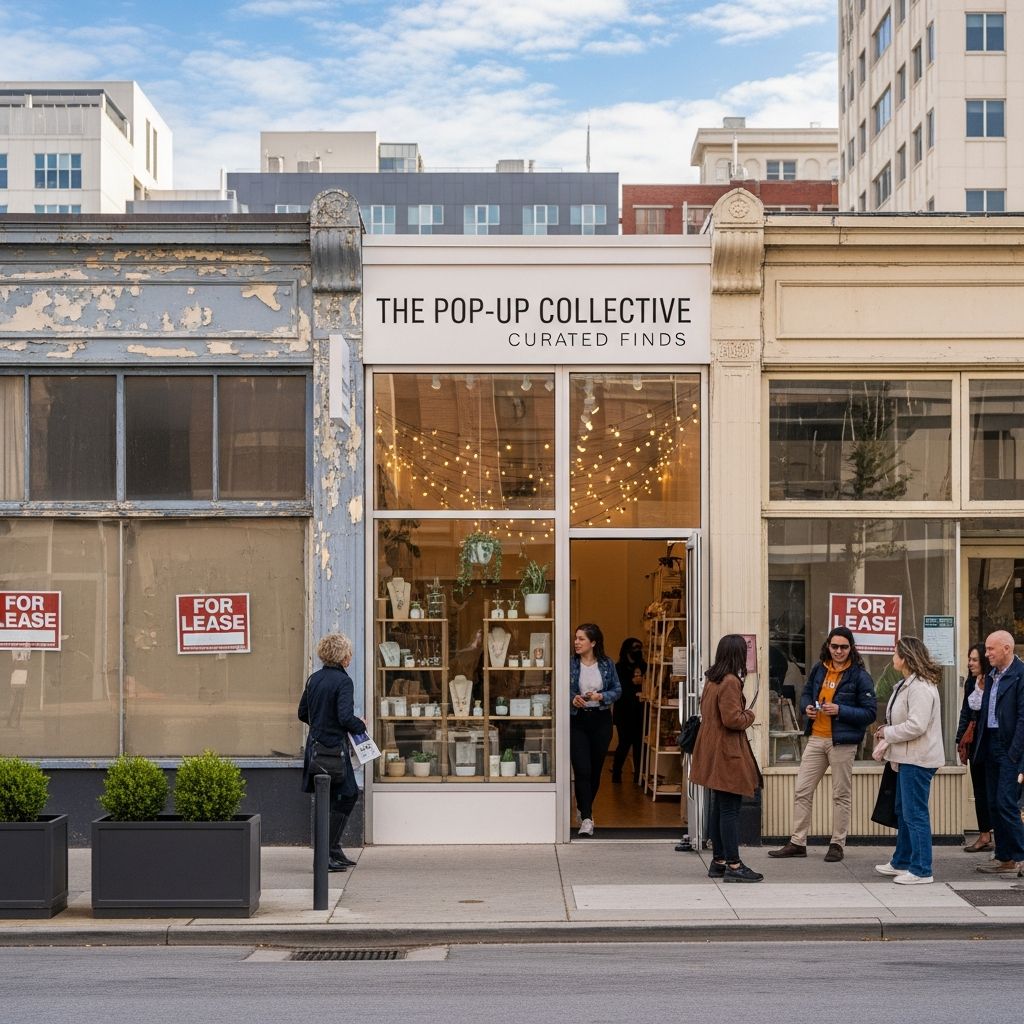
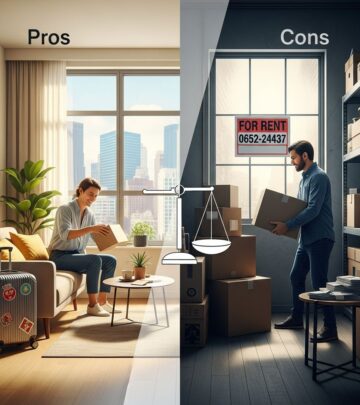
In today’s rapidly evolving retail landscape, vacant storefronts have become a persistent challenge for landlords, municipalities, and urban communities. These empty spaces not only represent lost revenue but also contribute to the visual decline of neighborhoods, creating a sense of economic stagnation. However, a innovative solution has emerged that addresses this issue while simultaneously benefiting retailers and consumers: pop-up shops. These temporary retail establishments have revolutionized the way brands engage with customers and how vacant spaces are utilized, creating a win-win scenario for all stakeholders involved.
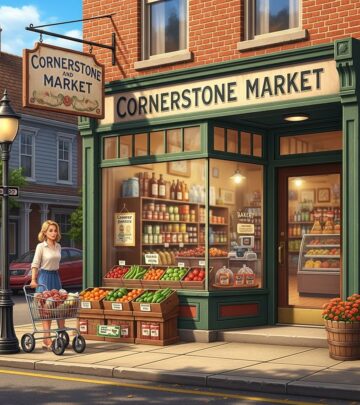
Pop-up shops are temporary, smaller retail establishments that operate for a limited time in various locations, from vacant storefronts to shopping malls and outdoor events. Unlike traditional brick-and-mortar stores that require long-term commitments and substantial overhead costs, pop-up shops offer flexibility, affordability, and strategic market opportunities. They have become increasingly popular among established brands, emerging entrepreneurs, and retailers seeking innovative ways to reach customers and test new markets without the financial burden of permanent locations.
Understanding Pop-Up Retail: Definition and Key Characteristics
Pop-up retail represents a dynamic shift in how businesses approach retail strategy. A pop-up shop is fundamentally defined by its temporary nature—a retail space that exists for a predetermined period, ranging from a few days to several months. This temporary presence distinguishes pop-up retail from conventional retail models and creates unique advantages for both retailers and consumers.
Core Characteristics of Pop-Up Retail
Temporary Nature: The defining feature of pop-up retail is its short-term presence. Brands can seize specific opportunities without the long-term costs of a permanent location, allowing them to test concepts and market conditions with minimal financial risk. This flexibility enables retailers to capitalize on seasonal trends, special events, or emerging market opportunities.
Flexibility and Mobility: Pop-up shops can appear in numerous locations: vacant storefronts, shopping malls, outdoor events, or even non-traditional venues like shipping containers. This mobility allows retailers to test new geographies and reach diverse customer groups across different demographics and neighborhoods. Retailers can strategically position their shops in high-traffic areas to maximize visibility and customer engagement.
Creative Themes and Experiences: Many successful pop-ups employ creative themes that involve decorations, activities, music, and interactive events. These experiential elements attract customers who might be unfamiliar with the brand and create memorable shopping experiences that extend beyond traditional retail interactions.
Filling Vacant Spaces: The Urban Revitalization Benefit
One of the most significant contributions of pop-up shops is their ability to transform vacant commercial spaces into vibrant retail destinations. In urban areas across the country, empty storefronts represent a challenging problem that extends beyond mere financial loss. These vacancies contribute to neighborhood decline, reduced foot traffic, and a perception of economic hardship.
Pop-up shops address this challenge by providing landlords with a viable short-term solution to generate revenue from otherwise dormant properties. Instead of waiting for permanent tenants or facing prolonged vacancy periods, property owners can partner with pop-up retailers to activate their spaces. This arrangement benefits landlords through consistent rental income while maintaining property value, and it transforms vacant storefronts into community gathering points.
For municipalities and neighborhood associations, pop-up shops represent a practical urban revitalization strategy. By breathing life into vacant commercial districts, pop-ups enhance the aesthetic appeal of neighborhoods, increase foot traffic to surrounding businesses, and create a positive perception of economic vitality. Communities benefit from improved property values, increased tax revenue, and enhanced quality of life as residents gain access to new shopping experiences and brand discoveries.
Economic Impact and Market Growth
The economic significance of the pop-up retail industry cannot be overstated. According to research, pop-ups generate over $50 billion in annual sales in the United States. This substantial figure demonstrates that pop-up retail has evolved from a niche marketing tactic to a significant economic force reshaping the retail landscape.
Pop-up shops bring fresh excitement to cities and introduce residents to new and emerging brands, enhancing their quality of life and shopping options. The temporary nature of these retail experiences creates a sense of exclusivity and urgency that drives consumer engagement and sales. For businesses, this translates into higher sales per square foot in pop-ups than in traditional permanent stores, making them an attractive option for revenue generation.
Revenue and Profitability
The profitability of pop-up shops is particularly compelling for retailers. Pop-up shops can bring in between 20% and 30% more revenue than traditional brick-and-mortar stores. This increased revenue generation occurs despite the temporary nature of the operation, largely due to the urgency and buzz generated by limited availability. With lower overhead and a strong marketing hook, many retailers experience exceptional profitability from pop-up ventures.
Additionally, 2024 data shows that community and networking events were the highest revenue generators for businesses in the US, with businesses using event-led growth initiatives experiencing better brand visibility (63%), stronger customer relationships (63%), and stronger or new partnerships (52%).
Key Benefits for Retailers and Brands
Pop-up shops offer a comprehensive range of advantages that make them an attractive retail strategy for businesses of all sizes.
Market Testing and Low-Risk Expansion
One of the most significant benefits is that pop-up shops allow brands to dip their toes into new markets before diving in with permanent commitments. A large brand wanting to open a store in a new neighborhood can set up a pop-up shop first. If it succeeds, they might decide to stay permanently. If not, they can try elsewhere. This approach saves money and minimizes risks by providing valuable market intelligence before major capital investments.
Pop-up shops serve as excellent testing grounds for new products, markets, or locations. They require less investment than permanent retail spaces, allowing businesses to experiment without long-term commitment. This flexibility enables brands to gauge customer reactions and make informed decisions about future expansions based on concrete data and consumer feedback.
Affordability and Cost Efficiency
For retail stores that want to gain exposure while minimizing overhead costs, pop-up shops offer premium space at a fraction of normal costs. Since pop-up shops are often temporary in nature and smaller than conventional retail stores, the cost of rent is usually lower. This affordability enables startups and small businesses to access desirable retail locations that would otherwise be financially prohibitive.
Brand Awareness and Buzz Generation
The temporary nature of pop-up shops creates a sense of urgency and excitement—a phenomenon often referred to as FOMO (fear of missing out). Research shows that FOMO marketing can account for up to 60% of sales during pop-up events. Customers are more likely to visit a pop-up store when they know it won’t be around for long, making it a powerful tool for generating buzz and media coverage.
One of the primary benefits of pop-up shops is that they help brands generate significant buzz and brand awareness. Because of their novelty and exclusivity, pop-up stores often generate media coverage and social buzz, helping brands reach new audiences they might not capture through traditional channels.
Direct Customer Engagement and Feedback
One of the most significant advantages of pop-up retail is the opportunity for direct interaction between brands and customers. In a world dominated by online shopping, pop-ups allow consumers to touch, feel, and try products before making a purchase. According to 2024 research, 73% of consumers prefer physical stores for their shopping needs. This face-to-face connection fosters customer loyalty and enhances the overall shopping experience.
Pop-ups provide opportunities for one-to-one engagement with stronger customer connections through live demos, interactive features, and hands-on experiences. A pop-up store gives immediate feedback as to the success or failure of given items or services, providing valuable market intelligence. This direct feedback loop allows companies to receive customer insights that inform product development and marketing strategies.
Inventory Management
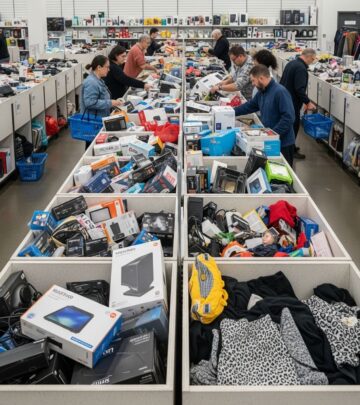
Pop-ups can help businesses manage inventory effectively by providing an opportunity to offload older stock through creative merchandising and special promotions, such as buy-one-get-one (BOGO) offers. This strategy not only clears out inventory but also attracts customers looking for deals, converting excess inventory into revenue while maintaining brand value.
Benefits for Consumers and Communities
Beyond retailer advantages, pop-up shops offer substantial benefits to consumers and the communities they serve.
In-Person Shopping Experience
Pop-up shops cater to the significant consumer preference for physical retail experiences. In a world increasingly dominated by e-commerce, pop-ups bridge the gap between online convenience and tangible in-store experiences. Customers value the ability to examine products physically, engage with brand representatives, and participate in interactive experiences that online shopping cannot replicate.
Access to Unique and Emerging Brands
Pop-ups introduce residents to new and emerging brands, enhancing their quality of life and providing access to unique products and experiences they might not find elsewhere. These temporary retail spaces serve as discovery platforms where consumers encounter innovative products, niche brands, and limited-edition collections that differentiate them from mainstream retail offerings.
Community Engagement and Social Connection
Pop-up shops often feature creative themes, interactive activities, and community events that foster social connection. These experiences transform retail into community gathering spaces where people connect with brands and each other, strengthening social bonds within neighborhoods.
Generational Appeal
Pop-up shops particularly resonate with younger demographics, especially Generation Z. Gen Z values unique experiences, exclusivity, and in-real-life (IRL) brand interaction—all of which pop-up shops provide. Twenty-eight percent of Gen Z actively seeks out brands that offer memorable experiences, compared to just 17% of other age groups. This demographic preference ensures that pop-up shops will remain relevant and attractive to the next generation of consumers.
Pop-Up Retail Examples and Applications
Pop-up retail has been successfully implemented across various industries and brand types:
| Industry Sector | Application and Examples |
|---|---|
| Fashion Brands | Brands like Louis Vuitton and Chanel launch pop-ups to showcase limited collections or collaborations, creating exclusive shopping experiences that draw in new and existing customers. |
| Food and Beverage | Pop-up restaurants and cafes let chefs test new menus and concepts while creating buzz ahead of permanent openings. |
| Technology Companies | Companies like Google and Samsung use pop-up stores to provide hands-on demonstrations of new products, allowing customers to explore and engage with devices directly. |
| Seasonal Retailers | Holiday pop-up shops selling decorations, gifts, and specialty items take advantage of peak shopping seasons and high foot traffic. |
Strategic Advantages for Urban Development
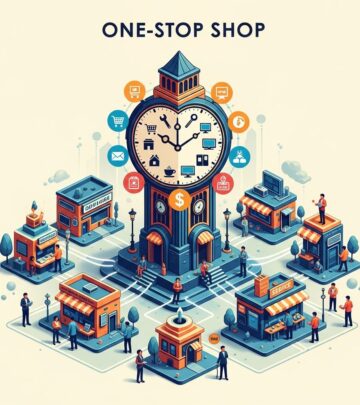
From an urban planning perspective, pop-up shops represent a strategic tool for community development. These temporary retail spaces can catalyze economic prosperity in cities by breathing life into vacant properties and attracting diverse businesses. They foster innovation and growth while providing both established and emerging brands opportunities to test markets and engage with communities, creating a win-win situation that fuels economic vitality.
The flexibility of pop-up retail allows municipalities to experiment with different uses for vacant spaces, gather community feedback, and make informed decisions about long-term development strategies. This adaptive approach to urban space utilization promotes sustainable development and community-centered planning.
Challenges and Considerations
While pop-up shops offer numerous advantages, retailers should consider several factors when planning pop-up ventures. Location selection is critical for success, as high-traffic areas with targeted demographics generate better results. Marketing and promotion require strategic planning to create awareness of the temporary nature and drive urgency. Additionally, operational logistics such as staffing, inventory management, and technology integration require careful coordination to ensure smooth operations.
Frequently Asked Questions
Q: Why are pop-up shops effective?
A: Pop-up shops create urgency through their limited-time availability, reduce overhead costs compared to permanent stores, and provide immersive customer experiences that strengthen brand loyalty. They generate FOMO (fear of missing out) among consumers, driving faster purchase decisions and higher conversion rates.
Q: Are pop-up shops profitable?
A: Yes. Pop-up shops can bring in between 20% and 30% more revenue than traditional brick-and-mortar stores. With lower overhead and a strong marketing hook, many retailers see higher sales per square foot in pop-ups than in permanent stores, making them highly profitable ventures.
Q: How do pop-up shops help fill vacant spaces?
A: Pop-up shops provide landlords with a viable short-term solution to generate revenue from vacant properties while transforming empty storefronts into vibrant retail destinations. This revitalizes neighborhoods, increases foot traffic to surrounding businesses, and improves community perception of economic vitality.
Q: What is the economic impact of pop-up shops?
A: Pop-ups generate over $50 billion in annual sales in the United States. They contribute significantly to local economies by attracting diverse businesses, increasing foot traffic, boosting property values, and generating tax revenue for municipalities.
Q: What types of businesses use pop-up shops?
A: Pop-up retail spans multiple industries including fashion brands, food and beverage establishments, technology companies, seasonal retailers, and emerging startups. Any business seeking to test markets, clear inventory, or generate buzz can benefit from pop-up retail strategies.
Q: Do Gen Z consumers prefer pop-up shops?
A: Yes. Gen Z values unique experiences, exclusivity, and in-real-life brand interactions—all of which pop-up shops provide. Twenty-eight percent of Gen Z actively seeks out brands offering memorable experiences, compared to just 17% of other age groups.
Conclusion
Pop-up shops have emerged as a transformative solution to the persistent challenge of vacant commercial spaces while simultaneously revolutionizing retail strategy. By providing flexible, affordable, and engaging shopping experiences, pop-ups benefit retailers through market testing opportunities, reduced overhead costs, and increased brand awareness. Communities benefit from urban revitalization, improved property values, and enhanced shopping experiences. Consumers enjoy direct engagement with brands, access to unique products, and memorable retail experiences that extend beyond traditional shopping.
As the retail landscape continues to evolve in response to changing consumer preferences and technological advancement, pop-up shops represent a practical and innovative approach to filling vacancies, driving economic growth, and creating vibrant community spaces. Whether for established brands seeking new markets or startups building brand awareness, pop-up retail offers a compelling strategy for success in the modern retail environment. The $50 billion annual sales generated by the pop-up industry demonstrates that this temporary retail model is not merely a trend but a fundamental shift in how businesses engage with customers and utilize urban commercial space.
References
- Benefits of Pop-Up Retail Stores — Kinetic Events. Accessed November 2025. https://kineticevents.com/benefits-of-pop-up-retail-stores-to-customers/
- Pop Up Shops: Reviving Vacant Spaces and Boosting City Economies — Retail Strategies. Accessed November 2025. https://retailstrategies.com/pop-up-shops-reviving-vacant-spaces-and-boosting-city-economies/
- The Nature of Pop Up Stores and their Benefits — Enterprise Centre. Accessed November 2025. https://enterprisectr.org/blog/nature-pop-stores-benefits/
- What is Pop-Up Retail? Benefits, Examples, and FAQs — StoreForce Solutions. Accessed November 2025. https://storeforcesolutions.com/storeforce_ee/what-is-pop-up-retail/
- What Is the Pop-Up Industry? Definition, Benefits and Tips — Indeed. Accessed November 2025. https://www.indeed.com/career-advice/career-development/pop-up-industry
- Pop-Up Shop Guide 2026: Start Your Temporary Store — Shopify. Accessed November 2025. https://www.shopify.com/blog/pop-up-shop
- Why Pop-Up Shops Benefit Businesses of All Sizes — Rosedale Center. Accessed November 2025. https://www.rosedalecenter.com/blog/why-pop-up-shops-benefit-businesses-of-all-sizes/
Similar Articles








Read full bio of medha deb