Understanding Poor Credit Scores and Improving Financial Health
Learn what constitutes poor credit, its impact on finances, and actionable steps to rebuild.
Your credit score represents one of the most important numbers in your financial life. This three-digit figure directly influences your ability to borrow money, the interest rates you receive, and even your eligibility for certain jobs or rental applications. Many people struggle with poor credit scores without fully understanding what this means or how it affects their financial future. Understanding the definition of poor credit, its consequences, and the pathways to improvement can transform your financial trajectory.
Defining Poor Credit in the Financial Landscape
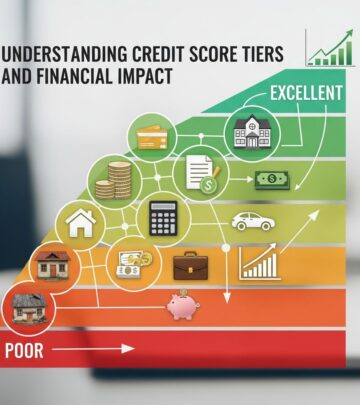
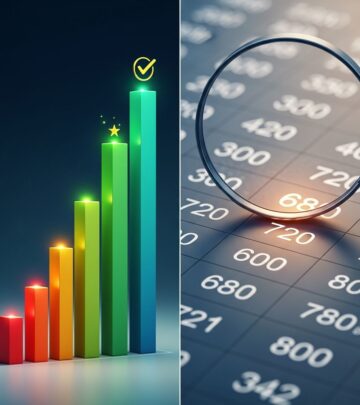
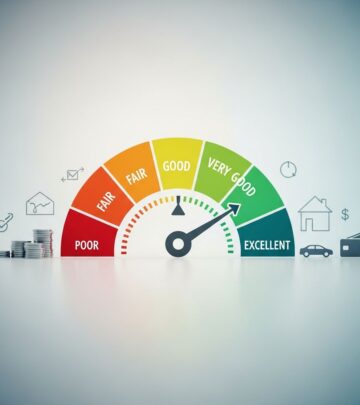
A poor credit score typically falls below 580 on the standard FICO scale that ranges from 300 to 850. This classification indicates to lenders that you may present a higher risk as a borrower. The VantageScore model, an alternative scoring system, categorizes scores between 300 and 499 as very poor, and scores between 500 and 600 as poor. These ranges exist because they reflect patterns in how borrowers have managed credit historically.
When your credit score lands in the poor category, it signals to financial institutions that you may have struggled with past credit obligations. This could result from missed payments, high levels of outstanding debt, collections accounts, or bankruptcies. Lenders use these scores as a quick reference to assess whether lending to you represents an acceptable risk at their institution.
How Credit Scores Determine Risk Assessment
Credit scoring models analyze multiple factors from your credit history to generate a numerical score. The primary components that influence your credit score include payment history, which accounts for 35 percent of your score, and amounts owed, which comprises 30 percent. The remaining factors include the length of your credit history at 15 percent, credit mix at 10 percent, and recent credit inquiries at 10 percent.
Poor credit scores typically reflect deficiencies in one or more of these areas. Individuals with poor credit often have a history of late or missed payments, carry high balances relative to their credit limits, or possess a limited credit history. Each negative mark on your credit report pulls your score downward, and the cumulative effect of multiple negative factors can result in a score that falls into the poor category.
The Real-World Consequences of Poor Credit
Loan and Credit Card Approval Challenges
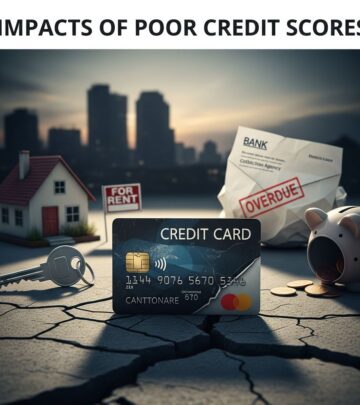
Perhaps the most immediate consequence of poor credit involves difficulty obtaining new credit. Traditional lenders—banks, credit unions, and major credit card companies—typically deny applications from applicants with poor credit scores or offer credit only at unfavorable terms. This creates a frustrating cycle where individuals who most need access to credit find it nearly impossible to obtain.
When you do qualify for credit with a poor score, the terms are significantly worse than what borrowers with good or excellent credit receive. Interest rates on credit cards may reach 25 percent or higher, compared to single-digit rates for borrowers with strong credit profiles. Similarly, personal loans and auto loans carry substantially higher interest rates, meaning you pay considerably more over the life of the loan.
Employment and Housing Implications
Beyond traditional lending, poor credit can affect other important areas of your life. Approximately 75 percent of employers check credit during the hiring process, and poor credit may disqualify you from certain positions, particularly those involving financial responsibilities. Landlords conducting tenant screening almost universally review credit reports, and poor credit may result in rental application denials or requirements for additional deposits.
Insurance companies also factor credit information into their rate calculations. Individuals with poor credit often pay higher premiums for auto and homeowners insurance, adding another layer of financial burden to an already challenging situation.
Interest Rates and Long-Term Financial Impact
The difference in interest rates between poor credit and good credit creates dramatic long-term consequences. Consider a $10,000 auto loan: a borrower with poor credit might face a 12 percent interest rate, while someone with good credit might qualify for 4 percent. Over a five-year loan term, the poor-credit borrower pays approximately $2,700 more in interest alone.
This disparity compounds across multiple debts. Someone with poor credit who needs a mortgage, auto loan, and credit cards will pay thousands of dollars more annually compared to someone with good credit. Over a lifetime, this difference can amount to hundreds of thousands of dollars in unnecessary interest payments.
The Journey from Poor to Fair Credit
Transitioning from poor credit (below 580) to fair credit (580-669) represents the first critical milestone in credit recovery. This transition opens more lending opportunities and typically brings somewhat more favorable interest rates. Fair credit still presents challenges—you may not qualify for the best rates or terms—but you move beyond the most restrictive lending scenarios.
Moving from poor to fair credit typically requires demonstrating a consistent pattern of responsible credit behavior over several months to a year. This includes making all payments on time, reducing outstanding balances, and avoiding new negative marks on your credit report.
Practical Strategies for Credit Improvement
Payment History: Your Foundation
Since payment history comprises 35 percent of your credit score, establishing a consistent pattern of on-time payments is the most effective strategy for improvement. Set up automatic payments for at least the minimum amount due on all accounts. This removes the possibility of accidental late payments and demonstrates responsibility to creditors.
If you have past-due accounts, address them immediately. Bringing current accounts up to date stops additional damage and begins the healing process. As time passes, late payments become less significant in your score calculation, and eventually fall off your credit report entirely after seven years.
Debt Reduction Strategy
The second-largest component of your credit score—amounts owed at 30 percent—improves as you reduce outstanding balances. Focus on paying down high-balance accounts, particularly credit cards. Credit utilization ratio (the percentage of available credit you’re using) significantly impacts your score. Keeping this below 30 percent substantially improves your credit profile.
Consider multiple approaches to debt reduction:
- Prioritize paying down the account with the highest interest rate first to minimize overall interest paid
- Use the snowball method by paying off the smallest balance first to build momentum and psychological wins
- Negotiate with creditors for lower interest rates, particularly if you have a history of recent on-time payments
- Consider a debt consolidation loan from a credit union, which may offer better terms than credit cards
Credit Building Techniques
For those with minimal credit history or rebuilding from poor credit, secured credit cards offer an effective tool. You deposit money as collateral, and the credit card company extends credit against that deposit. Using the card responsibly and paying bills on time helps rebuild your credit history without requiring approval based on your current poor score.
Being an authorized user on someone else’s account with positive payment history can also help, as that account’s history may appear on your credit report. However, ensure the primary account holder has excellent payment practices, as any negative marks on that account will similarly affect your score.
Error Correction and Dispute Management
Your credit report may contain errors that unfairly damage your score. Federal law entitles you to a free credit report annually from each of the three major credit bureaus (Equifax, Experian, and TransUnion). Review these carefully for inaccuracies, unauthorized accounts, or incorrect payment statuses.
If you identify errors, file disputes with the credit bureaus. Many disputes are resolved in your favor, particularly when the creditor cannot verify the accuracy of the reporting. Removing even one negative mark can improve your score by several points.
Timeline Expectations for Credit Recovery
Credit improvement is a gradual process that requires patience and consistency. The timeline depends on your specific situation:
- Recent late payments: Expect improvement within 3-6 months of consistent on-time payments
- Collections accounts: These typically remain on your report for seven years, but their impact diminishes over time
- Bankruptcies: Chapter 7 bankruptcies remain for ten years; Chapter 13 bankruptcies remain for seven years
- Overall recovery: Most individuals can improve from poor to fair credit within one year of responsible behavior
Technology and Tools for Credit Management
Modern technology offers numerous resources to support credit improvement. Credit monitoring services track changes to your report and alert you to potential fraud. Many provide credit scores updated regularly, helping you monitor progress. Budgeting apps help manage spending and ensure payments remain consistent. Some financial institutions now offer free credit score access through their banking portals.
However, be cautious of predatory services that guarantee credit repair or claim to remove legitimate negative items. Credit repair scams typically cost money without delivering results. Legitimate credit improvement requires time and responsible financial behavior; no legitimate service can eliminate accurate negative information before it naturally ages off your report.
Common Questions About Poor Credit
Can I Get a Mortgage with Poor Credit?
Obtaining a mortgage with poor credit is extremely difficult. Most mortgage lenders require a minimum score of 620, and conventional mortgages typically require scores of 680 or higher. Some government-backed loan programs (FHA, VA, USDA) accept lower scores, but even these usually require a score above 580. If you have poor credit and want to purchase a home, focus on credit improvement for at least one to two years before applying.
How Long Does Poor Credit Last?
Poor credit doesn’t permanently haunt you. Negative items typically fall off your credit report after seven years, with bankruptcy lasting seven to ten years. However, as items age, their impact on your score diminishes significantly even before they disappear. Recent positive payment history begins counteracting older negative marks within months.
Is Bankruptcy My Only Option?
Bankruptcy represents a serious step with long-lasting consequences and should be considered only after exhausting other options. Debt management plans, credit counseling, and strategic debt paydown often resolve issues without bankruptcy. Consult with a nonprofit credit counselor before considering bankruptcy.
Building a Better Financial Future
Poor credit scores, while challenging, are not permanent. Thousands of individuals successfully rebuild their credit each year through consistent effort and responsible financial management. The key lies in understanding that each payment you make on time, each balance you reduce, and each error you correct represents progress toward better financial health.
Begin today by reviewing your credit report, setting up automatic payments for all accounts, and creating a debt reduction plan. The journey from poor credit to good credit takes time, but the financial rewards—lower interest rates, better loan terms, and improved financial opportunities—make the effort worthwhile. Your financial future is not determined by your past; it’s built through the decisions you make today.
References
- What Are the Different Credit Score Ranges? — Experian. 2024. https://www.experian.com/blogs/ask-experian/infographic-what-are-the-different-scoring-ranges/
- Credit Score Ranges & What They Mean — Chase Bank. 2024. https://www.chase.com/personal/credit-cards/education/credit-score/credit-score-ranges-and-what-they-mean
- What Are the Different Ranges of Credit Scores? — Equifax. 2024. https://www.equifax.com/personal/education/credit/score/articles/-/learn/credit-score-ranges/
- What is a Credit Score? — myFICO. 2024. https://www.myfico.com/credit-education/credit-scores
- What Is a Good Credit Score? — Experian. 2024. https://www.experian.com/blogs/ask-experian/credit-education/score-basics/what-is-a-good-credit-score/
Similar Articles








Read full bio of medha deb