Points On Your License: 5 Strategies To Remove Or Avoid Them
Understand how traffic points affect your driving record, insurance, and license status across U.S. states with this comprehensive guide.
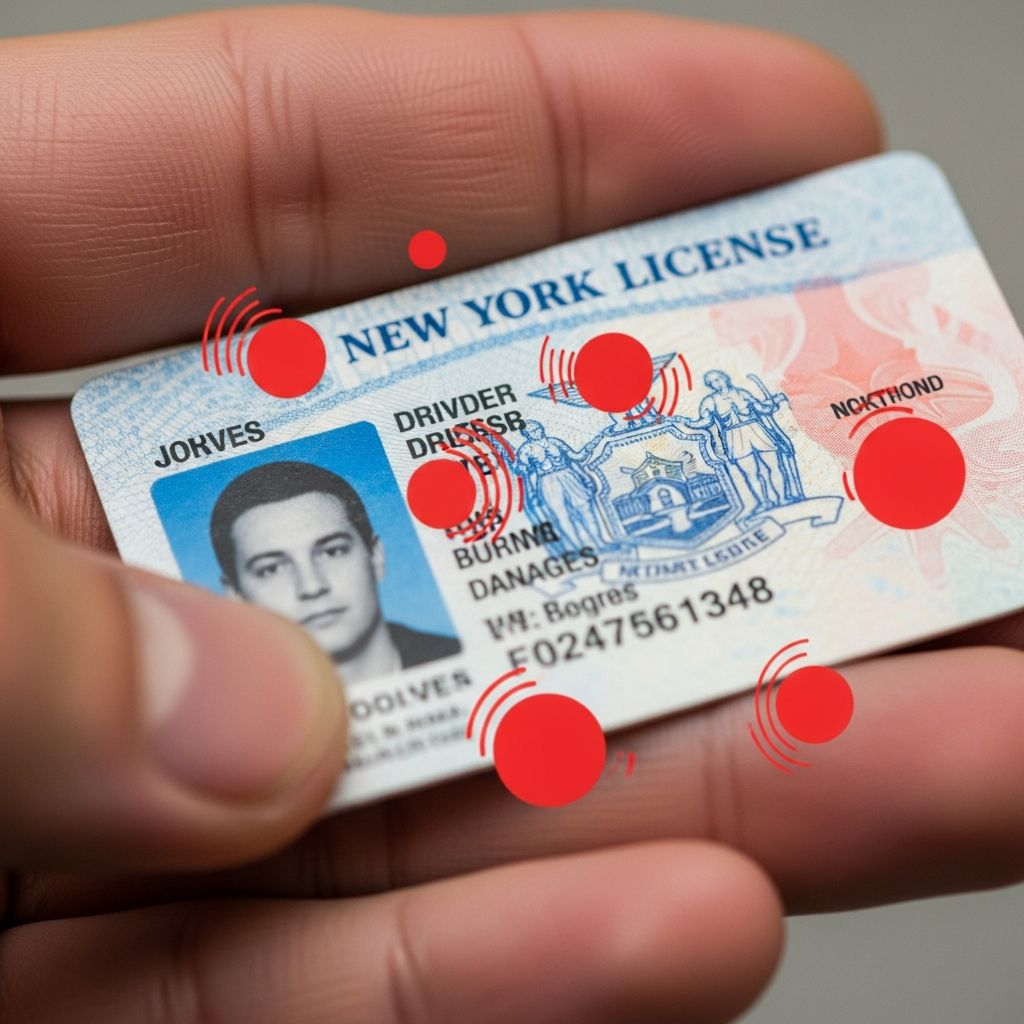
Driver’s license points systems are designed to monitor and penalize unsafe driving behaviors by assigning demerit points for traffic violations. These points accumulate on your driving record, potentially leading to license suspensions, higher insurance premiums, and other consequences if thresholds are exceeded.
Understanding the Driver Points Framework
The core purpose of points systems, implemented in most U.S. states, is to promote road safety by tracking moving violations over a specific period, typically 12 to 36 months. Points reflect the severity of infractions, with minor offenses adding fewer points than serious ones like reckless driving. State departments of motor vehicles (DMVs) or equivalent agencies oversee these systems, using points to identify habitual offenders.
For example, in Illinois, points are assessed based on statutes like 625 ILCS 5/11-601 for speeding offenses. The system applies to individual drivers, not vehicles, and rolls on a multi-year basis. Accumulating points signals increased risk, triggering graduated penalties.
Common Violations and Their Point Values
Point assignments vary by state and violation severity, but patterns emerge nationally. Speeding is the most frequent culprit, with points escalating by excess speed. Here’s a table of typical point allocations drawn from state examples:
| Violation Type | Typical Points | State Example |
|---|---|---|
| Speeding 1-10 MPH over | 5 points | Illinois |
| Speeding 11-14 MPH over | 15 points | Illinois |
| Speeding 15-25 MPH over | 20 points | Illinois |
| Speeding 26+ MPH over | 50 points | Illinois |
| Reckless Driving | 55 points (IL) / 8 points (general) | Illinois / General |
| Running Red Light | 20 points (IL) / 2 points (general) | Illinois / General |
| Distracted Driving (Phone) | 20 points (IL) / 3-5 points (general) | Illinois / General |
| Failure to Yield/Stop Sign | 15-20 points | Illinois |
| Illegal Lane Change/Passing | 20 points | Illinois |
These values highlight how states like Illinois impose heavier penalties for aggravated cases, such as speeding in construction zones (55 points). Always check your state’s DMV for precise figures, as they differ—e.g., some states cap at lower totals.
State-Specific Variations: Focus on Illinois
Illinois exemplifies a stringent system under the Secretary of State. Points from convictions build over time, with suspensions kicking in after multiple violations. For drivers 21+, penalties start at 15 points; under 21, it’s stricter at 10 points.
- 15-44 points: 2-month suspension
- 45-74 points: 3-month suspension
- 75-89 points: 6-month suspension
- 90-99 points: 9-month suspension
- 100-109 points: 12-month suspension
- 110+ points: Revocation
Young drivers face accelerated penalties:
- 10-34 points: 1-month suspension
- 35-49 points: 3-month suspension
- 50-64 points: 6-month suspension
- 65-79 points: 12-month suspension
- 80+ points: Revocation
Suspensions apply after the third violation typically, but severe offenses like DUI bypass this. Other states mirror this graduated approach but adjust thresholds.
Consequences Beyond Suspensions
Points trigger more than license loss. Insurance companies review records, often hiking premiums by 20-50% or more for point-heavy drivers. In high-point scenarios, policies may be non-renewed.
Additional repercussions include:
- Fines: Scaled by violation, e.g., hundreds for reckless driving.
- Reinstatement Fees: $70+ in Illinois post-suspension.
- SR-22 Requirements: Proof of insurance for high-risk drivers.
- Court Appearances: Mandatory for major violations.
- Employment Impacts: CDL holders risk job loss; commercial points are harsher.
Points linger 2-5 years, affecting long-term records.
Strategies to Remove or Avoid Points
Proactive steps can mitigate damage:
- Defensive Driving Courses: Many states deduct 3-5 points upon completion; online options available.
- Contest Tickets: Hire attorneys to challenge; success reduces or eliminates points.
- Traffic School: Court-approved programs mask points from insurers.
- Safe Driving Period: Points drop off after statutory periods (e.g., 3 years clean).
- Point Reduction Hearings: Illinois offers formal reviews.
Apps and services like Flickit assist in tracking and disputing. Maintain a clean record to naturally expire points.
Insurance Ramifications and Mitigation
Insurers use points to calculate risk; a single speeding ticket (2-6 points) can raise rates 10-30%, reckless driving far more. Shop providers post-points, as some forgive first offenses.
| Points Accumulated | Avg. Premium Increase | Example States |
|---|---|---|
| 1-3 points | 10-20% | General |
| 4-7 points | 25-40% | General |
| 8+ points | 50%+ or Cancellation | Illinois |
Disclose accurately; hiding points risks claim denials.
Preventing Points Accumulation
Safety first: obey speeds, signal turns, avoid distractions. Use cruise control, hands-free devices, and apps for alerts. Regular vehicle maintenance prevents violations like faulty signals.
For parents: Monitor teen drivers under stricter rules.
Frequently Asked Questions
How long do points stay on my license?
Typically 2-5 years, depending on state; Illinois tracks over multiple years.
Do non-moving violations add points?
No, only moving violations like speeding qualify.
Can I drive in other states with points?
Points transfer via national databases; out-of-state violations count.
What if I get points on a company car?
They attach to your license, potentially affecting employment.
Does paying a ticket add points?
Yes, conviction via payment adds points; fight if possible.
Long-Term Road Safety Outlook
Points systems evolve with data; recent emphases include distracted driving amid rising phone use. States like Illinois update statutes regularly (e.g., 625 ILCS). Committed safe habits ensure point-free driving, lower costs, and safer roads for all.
References
- How Does the Driver License Points System in Illinois Work? — Borsberry Law. Accessed 2026. https://www.borsberrylaw.com/how-does-the-driver-license-points-system-in-illinois-work/
- Driver Point System: What is it and how does it Work? — Flickit. Accessed 2026. https://flickitnow.com/blog/driver-point-system
- Driver Point System — CAM Law Group. Accessed 2026. https://www.camlawgroup.com/driver-point-system
- Illinois DMV Point System Defense Attorney — Naperville DUI Lawyer. Accessed 2026. https://www.napervilledui.com/traffic-violations/illinois-dmv-point-system
- The Point System — U.S. Department of State (2009-2017 archive). 2017. https://2009-2017.state.gov/ofm/dmv/c66584.htm
Similar Articles








Read full bio of Sneha Tete