Point of Sale (POS): Definition, Systems, and Business Impact
Complete guide to POS systems: understanding retail transactions, technology, and business solutions.
What is Point of Sale (POS)?
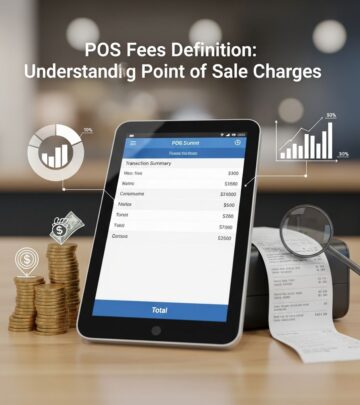
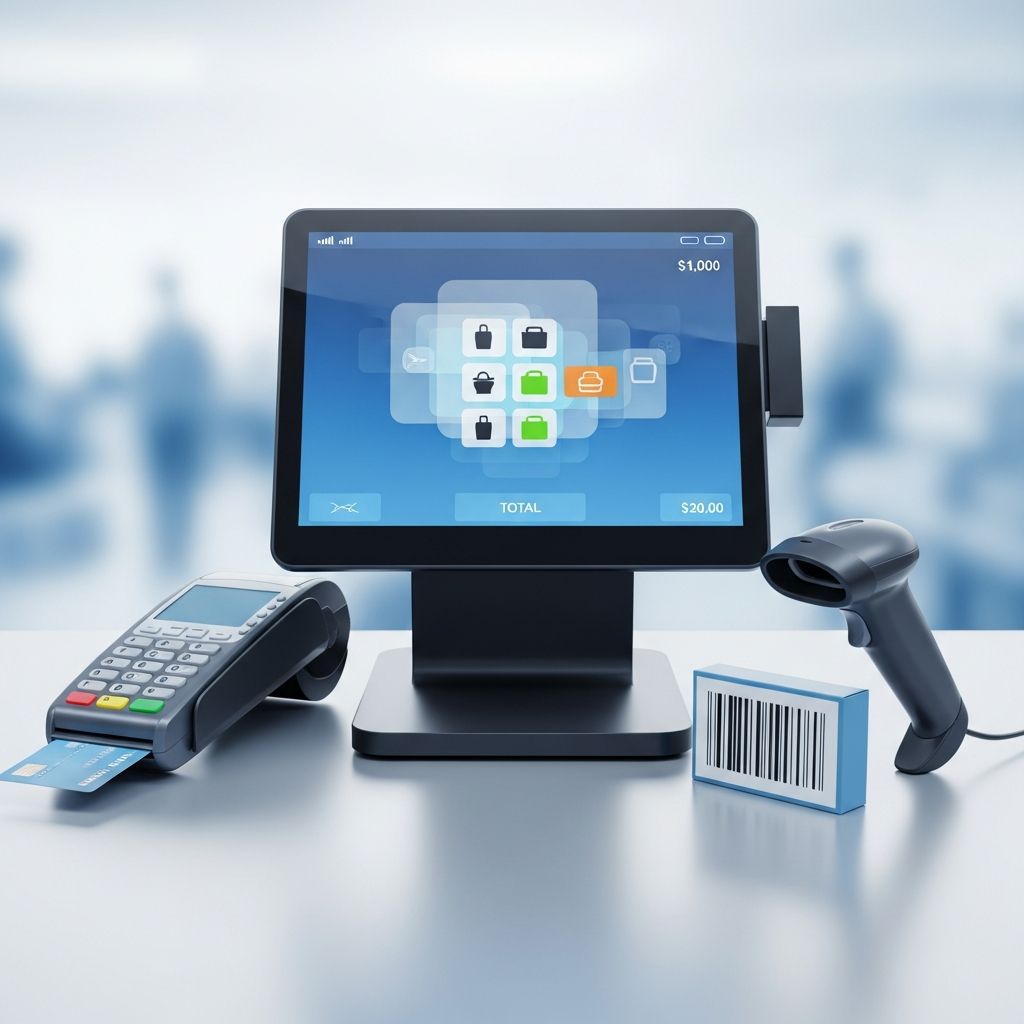
Point of Sale (POS), also known as point of purchase (POP), refers to the time and place at which a retail transaction is completed. It represents the critical moment when a customer makes a purchase at a retail location, restaurant, hotel, or online store, exchanging payment for goods or services. The POS is not merely a physical location but encompasses the entire ecosystem of hardware, software, and processes that facilitate sales transactions and business operations.
In its most fundamental form, a POS system is a collection of hardware and software that enables businesses to process transactions, manage inventory, track sales, and enhance customer relationships. The term has evolved significantly from traditional cash registers to sophisticated, cloud-based digital platforms that serve as the backbone of modern retail operations.
Core Components of a POS System
A comprehensive POS system consists of several interconnected components working together to streamline business operations:
Hardware Components
The physical infrastructure of a POS system includes terminals or registers where transactions occur, barcode scanners that quickly identify products, cash drawers for storing physical currency, receipt printers for generating transaction records, payment terminals for processing card payments, and touch screens for intuitive user interaction. Modern POS systems may also incorporate scales for weighing items, mobile devices for portable payment processing, and security equipment for protecting sensitive transaction data.
Software Components
The software layer of a POS system manages the entire transaction lifecycle and business operations. This includes sales tracking modules that record every transaction, employee management systems for scheduling and performance monitoring, customer relationship management (CRM) tools that store customer data and preferences, real-time reporting and analytics dashboards, inventory management systems that monitor stock levels across locations, and integration capabilities with enterprise resource planning (ERP) systems.
Payment Methods Integration
Modern POS systems accommodate multiple payment options including traditional cash transactions, credit and debit card processing, mobile wallet payments, near-field communication (NFC) technology for contactless payments, and QR code scanning for digital transactions. This flexibility ensures customers can pay using their preferred method while businesses capture diverse payment data for analysis.
How POS Systems Work: The Transaction Process
Understanding the POS workflow provides insight into how businesses process sales efficiently and accurately. The typical transaction process follows these sequential steps:
Step-by-Step Transaction Flow
When a customer approaches the checkout, items are either manually entered or scanned using barcode scanners. The POS system then calculates the total amount owed, accounting for any applicable discounts, taxes, or promotions. The customer selects their preferred payment method, and the system processes this payment through the appropriate payment gateway or terminal. Once payment is authorized, the system generates a receipt for the customer as proof of transaction. Simultaneously, the POS system updates inventory records in real-time, reflecting the purchased items as no longer in stock, and records the sales data for reporting and analytics purposes.
Front-End vs. Back-End Functions
POS systems divide their operations into customer-facing front-end functions and behind-the-scenes back-end operations. Front-end functions include the checkout process, payment processing, and customer interactions at the point of sale. Back-end functions, handled by controlling servers or “back-office” computers, manage inventory control, pricing updates, financial reporting, purchasing decisions, and multi-location product transfers.
Types of POS Systems
Different business models and operational requirements call for different POS system architectures:
On-Premise POS Systems
Traditional POS systems installed on local servers within a business location. These systems offer complete control over data and operations but require significant upfront investment in hardware and maintenance resources.
Cloud-Based POS Systems
Modern web-based platforms accessible from any internet-connected device. Cloud-based systems offer flexibility, automatic updates, reduced infrastructure costs, and the ability to manage multiple locations from a centralized dashboard.
Mobile POS (mPOS)
POS solutions operating on smartphones or tablets, ideal for small businesses, pop-up shops, food trucks, or remote selling scenarios. Mobile POS systems reduce overhead costs while maintaining full transaction processing capabilities.
Self-Service Kiosks
Customer-facing POS systems that allow customers to complete transactions independently, commonly found in quick-service restaurants, airports, retail stores, and entertainment venues. Self-service kiosks reduce labor costs and improve customer satisfaction through faster processing.
Multichannel POS Systems
Designed for businesses operating across multiple channels including physical retail locations and ecommerce platforms. These systems synchronize inventory, customer data, and pricing across all channels, ensuring consistency and preventing overselling.
Key Features of Modern POS Systems
Real-Time Inventory Management
Modern POS systems provide real-time inventory tracking across multiple locations, automatic low-stock alerts to prevent stockouts, and centralized inventory control from a single dashboard. This capability eliminates manual stock counting and prevents costly inventory discrepancies.
Customer Relationship Management
POS systems store comprehensive customer data including purchase history, preferences, and contact information. This enables businesses to implement loyalty programs, track buying behavior, offer personalized promotions, and make targeted marketing decisions based on actual customer data.
Advanced Reporting and Analytics
Sophisticated analytics tools provide insights into sales trends, product performance, revenue forecasting, peak sales periods, and customer demographics. These insights enable data-driven decision-making and strategic business planning.
Employee Management
Integrated employee management features track clock-ins and clock-outs, monitor individual sales performance, manage role-based access controls, and facilitate payroll integration. This ensures accountability and helps identify top performers.
Omnichannel Integration
Modern POS systems seamlessly integrate with ecommerce platforms, mobile applications, and social commerce channels. This integration creates a unified customer experience whether shopping online or in-store and ensures inventory synchronization across all channels.
Benefits of Implementing a POS System
The advantages of modern POS systems extend far beyond simple transaction processing:
Improved Transaction Speed and Efficiency
Barcode scanning, automated pricing calculations, and streamlined checkout processes significantly reduce transaction times. Faster checkouts improve the customer experience, reduce checkout line congestion, and increase overall store throughput.
Accuracy and Error Reduction
Automated pricing, tax calculations, and inventory updates eliminate human errors associated with manual entry. This ensures accurate financial records, proper tax compliance, and reliable inventory counts.
Superior Inventory Control
Real-time inventory tracking prevents both overstocking situations that tie up capital and understocking that results in lost sales. Businesses can optimize stock levels, reduce waste, and respond quickly to sales trends.
Enhanced Customer Experience
Loyalty program integration, personalized promotions, faster service, and multiple payment options create positive customer interactions. Positive experiences lead to increased customer retention and higher lifetime value.
Scalability and Flexibility
POS systems can easily accommodate business growth, whether adding new registers, expanding to additional locations, or increasing user accounts. Cloud-based systems particularly offer unlimited scalability without significant infrastructure investment.
Data-Driven Business Insights
Comprehensive analytics provide visibility into sales patterns, customer behavior, product performance, and operational efficiency. These insights enable strategic planning and competitive advantage.
POS Systems Across Different Industries
Retail Sector
Retail POS systems emphasize barcode scanning, management of multiple product SKUs, sales promotions, and customer loyalty programs. Retail-specific features help optimize inventory for diverse product categories and manage complex promotional calendars.
Restaurant and Food Service
Hospitality POS systems incorporate tableside ordering capabilities, kitchen display systems that communicate orders directly to kitchen staff, bill splitting functionality for group payments, and table management systems. These specialized features streamline food service operations and improve kitchen efficiency.
Hotel and Hospitality
Hospitality POS systems integrate room service ordering, guest billing across multiple departments, check-in and check-out processes, and guest history tracking. These systems often connect to property management systems for seamless operations.
Ecommerce Platforms
Online POS systems manage shopping carts, online checkout processes, and synchronization between online and in-store inventory. This integration creates unified commerce experiences where customers can purchase online and pick up in-store or vice versa.
Emerging Trends in POS Technology
Artificial Intelligence and Machine Learning
AI-powered POS systems offer intelligent product recommendations based on purchase history and behavior, advanced fraud detection that identifies suspicious transactions, and predictive analytics for demand forecasting. Machine learning algorithms continuously improve system accuracy and personalization.
Internet of Things (IoT) Integration
Smart shelves with inventory sensors, automated checkout systems that eliminate the need for cashiers, and connected devices that communicate real-time data represent the next generation of POS technology. IoT integration reduces labor needs and improves operational efficiency.
Contactless and Digital Payments
Tap-to-pay technology, mobile wallet integration, and QR code payment systems have become essential features, particularly following the global health crisis. These payment methods improve transaction speed and customer safety.
Blockchain Technology
Blockchain implementation in POS systems enhances security through cryptographic protection, enables transaction traceability for supply chain transparency, and reduces fraud through immutable transaction records.
POS Systems and the Order-to-Cash Cycle
POS systems play a critical role in optimizing the entire order-to-cash business cycle:
Instant Invoicing and Digital Documentation
POS systems generate instant invoices and digital receipts, creating immediate documentation of transactions. This speeds up the invoicing process and provides customers with instant transaction records.
Real-Time Inventory Synchronization
Automatic inventory updates prevent stockouts that could cause order delays and ensure accurate stock information across all channels. This enables faster order fulfillment and prevents customer disappointment.
Accelerated Cash Flow
Faster transaction processing enables quicker revenue recognition and improves overall cash flow. Integrated payment processing ensures funds are received and recorded quickly.
Seamless Enterprise Resource Planning Integration
POS data integrates directly into comprehensive ERP systems such as SAP, Oracle, and NetSuite, creating seamless operations from sales through accounting, inventory management, and financial reporting.
Predictive Customer Analytics
Advanced POS systems leverage transaction data to develop predictive customer insights, enabling better collection strategies, targeted marketing efforts, and improved customer retention programs.
Why Businesses Choose POS Systems
Beyond basic transaction processing, modern POS systems offer compelling business advantages. Businesses increasingly adopt POS systems because they eliminate the need for physical price tags, as selling prices link directly to product codes in the system. If prices change, updates occur instantly across all registers without reprinting tags. POS systems enable implementation of sophisticated discount structures, customer loyalty schemes with points and rewards, and substantially more efficient stock control than manual methods. These capabilities are now standard features in virtually all modern enterprise POS systems.
Frequently Asked Questions About Point of Sale Systems
Q: What is the primary purpose of a POS system?
A: The primary purposes of a POS system are to streamline the sales transaction process, manage inventory accurately, enhance customer service through loyalty programs and personalization, and provide comprehensive business analytics for data-driven decision-making.
Q: How do POS systems differ from traditional cash registers?
A: While traditional cash registers only record transactions, modern POS systems offer comprehensive business management capabilities including inventory tracking, employee management, customer relationship management, analytics, and integration with other business systems.
Q: What is the difference between POS systems and ERP systems?
A: POS systems focus specifically on sales transactions and customer-facing operations at the point of purchase. ERP (Enterprise Resource Planning) systems cover broader business processes including finance, supply chain management, human resources, and manufacturing. However, modern POS systems often integrate with ERP systems for comprehensive business management.
Q: Are POS systems used only in retail businesses?
A: No, POS systems are widely used across many industries including restaurants, hotels, spas, healthcare facilities, ecommerce businesses, entertainment venues, and any business that processes customer transactions.
Q: What are the advantages of cloud-based POS systems over on-premise systems?
A: Cloud-based POS systems offer lower upfront costs, automatic software updates, accessibility from multiple locations, easier scalability, reduced IT maintenance requirements, and better data backup and security compared to on-premise systems.
Q: How do POS systems improve customer experience?
A: POS systems improve customer experience through faster checkout times, loyalty program rewards, personalized promotions based on purchase history, multiple payment options, and streamlined service processes.
References
- What Is Point Of Sale (POS) Transaction Definition & Meaning — Emagia. 2025. https://www.emagia.com/resources/glossary/point-of-sale-transaction-definition/
- What Is Point Of Sale (POS) Definition & Meaning — Emagia. 2025. https://www.emagia.com/resources/glossary/what-is-point-of-sale-pos/
- Point of sale — Wikipedia. 2025. https://en.wikipedia.org/wiki/Point_of_sale
- What Is a POS and Why Does Your Business Need One? — U.S. Small Business Administration. 2025. https://www.sba.gov/blog/what-pos-why-does-your-business-need-one
Similar Articles








Read full bio of Sneha Tete