These 7 Planned Parenthood Services Are Available at a Low Cost
Discover affordable health services at Planned Parenthood, from contraception to cancer screenings, often at little or no cost based on your income.

Three-quarters of the approximately 4.97 million patients Planned Parenthood serves each year have incomes at or below 150% of the poverty line.
In Need of Reduced-Cost Health Services? Here’s What You Can Get at Planned Parenthood
Planned Parenthood provides a vital lifeline for affordable healthcare, focusing on prevention, treatment, and education without the political debates that often surround it. The organization delivers essential services related to reproductive health, disease prevention, prenatal care, contraception, and counseling. For many, these services come at little or no cost, making quality care accessible regardless of financial situation.
With millions relying on Planned Parenthood yearly, understanding how to access these services can save you money and ensure your health needs are met efficiently. Whether you’re seeking routine checkups, preventive screenings, or specialized care, options exist tailored to your income and insurance status.
How it Works
Planned Parenthood operates on a sliding fee scale, which adjusts costs based on your recent financial snapshot, typically from the last few weeks of income. This system ensures fairness, providing free or low-cost services to those who need them most. Costs vary by location, but online tools like cost calculators and income worksheets help estimate your fees upfront.
The sliding scale is a cornerstone of accessibility, allowing Planned Parenthood to serve underserved communities effectively. Most major insurance plans are accepted, and for uninsured patients, flexible payment plans can be arranged to fit your budget.
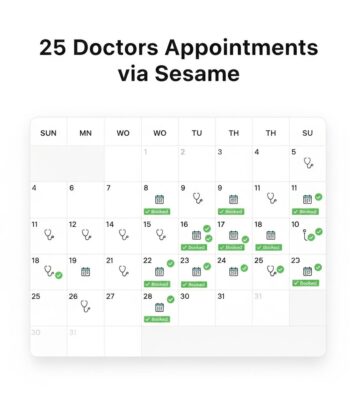
State-specific aid plays a significant role too. For instance, in states like New York, Medicaid covers full costs for services such as birth control, STD testing, Pap tests, pregnancy tests, and gynecological exams for individuals up to 200% of the federal poverty level. Availability of aid depends on your location, so contacting your local center is key. Explain your situation, and staff will guide you toward the best options, including applications for state programs or financial assistance.
- Step 1: Use the income worksheet to gather proof of earnings, household size, and expenses.
- Step 2: Input details into the cost calculator for a personalized fee estimate.
- Step 3: Call your local Planned Parenthood to discuss insurance, Medicaid eligibility, or payment plans.
- Step 4: Schedule an appointment with confidence in affordable care.
This process demystifies access, ensuring low-income individuals— who make up the majority of patients—receive care without financial strain.
Services Planned Parenthood Provides at Low or No Cost
Planned Parenthood’s offerings span women’s physical, mental, and reproductive health, extending to men and LGBTQ+ individuals. Depending on insurance and income, these can be free or deeply discounted. Here’s a breakdown of the seven key services:
Primary Care Services
Routine checkups form the foundation of preventive health. Planned Parenthood provides comprehensive primary care, including diagnostic tests and referrals to specialists. This includes blood pressure checks, cholesterol screenings, anemia testing, and diabetes management—essential for overall wellness.
For low-income patients, these visits often cost as little as $0-$50 on the sliding scale. Early detection through routine care prevents costly emergencies, saving money long-term. Physicals for school, sports, or jobs are also available affordably.
Contraception
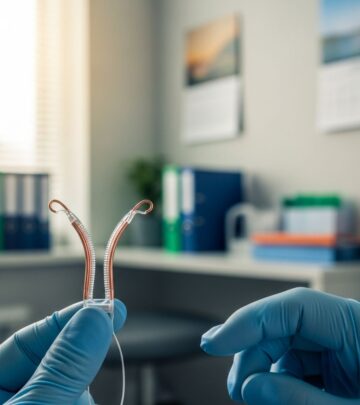
Access to birth control is a hallmark service. Planned Parenthood stocks the full spectrum: pills, patches, rings, injections, implants, IUDs, and emergency contraception like Plan B. Counseling ensures you choose the best method for your lifestyle and health.
Costs range from free (with certain insurances or aid) to under $20 monthly for generics. Long-acting reversible contraceptives (LARCs) like IUDs, which last years, offer incredible value—often covered fully under Medicaid or state programs. Advocacy efforts have expanded over-the-counter access, further reducing barriers.
| Method | Duration | Typical Low-Cost Range |
|---|---|---|
| Pills | Monthly | $0-$15/month |
| IUD | 3-12 years | $0-$500 (often free with aid) |
| Implant | 3 years | $0-$800 (sliding scale) |
| Emergency (Plan B) | One-time | $10-$50 |
Cancer Screening and Prevention
Early detection saves lives and money. Services include Pap smears for cervical cancer, breast exams, and HPV vaccinations to prevent cervical cancer. Ovarian cancer screenings may be referred, but core tests are on-site.
These are often free via programs like the National Breast and Cervical Cancer Early Detection Program. HPV vaccines, recommended up to age 45, protect against multiple cancers and are frequently no-cost for eligible patients.
STD Testing and Treatment
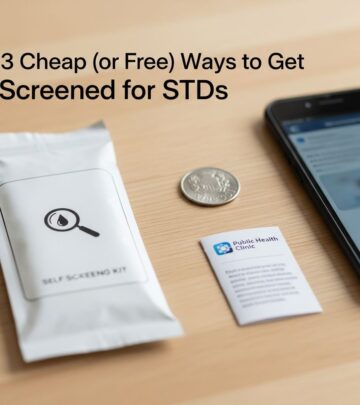
Confidential testing for chlamydia, gonorrhea, HIV, syphilis, herpes, and more is a specialty. Rapid results and same-day treatments minimize spread and complications. Prevention counseling and partner notification services add value.
Costs: $0-$200, frequently waived for low-income. Innovative programs in rural areas (e.g., Alaska, Idaho) offer telehealth consultations with mailed kits, expanding access without travel.
Transgender Hormone Therapy
Select locations provide hormone replacement therapy (HRT) on the sliding scale, creating affirming spaces for transgender and non-binary patients. Monitoring ensures safe, personalized care. Support for LGBTQ+ youth includes resources and counseling.
Fees align with income, often $20-$100 per visit, making transition care attainable.
Men’s Sexual Health
Not just for women—men access vasectomies, erectile dysfunction treatments, prostate screenings, and STD services. Annual exams and fertility testing round out options, all at reduced rates.
This inclusivity ensures comprehensive family planning and health for all genders.
Education
Knowledge empowers. Programs reach over 1.5 million annually with workshops, apps, and online resources on consent, safe sex, and health. Free for teens and parents, these prevent issues before they arise.
Digital tools like chatbots answer questions 24/7, directing to local services.
Frequently Asked Questions (FAQs)
What is the sliding fee scale at Planned Parenthood?
The sliding fee scale bases costs on your income, family size, and location, often resulting in free or low-cost services for those below 150%-200% of the federal poverty level.
Does Planned Parenthood accept insurance?
Yes, most major plans are accepted. Uninsured patients can get help enrolling in Medicaid or setting up payment plans.
Are services confidential?
Absolutely—patient privacy is protected under HIPAA, with special provisions for minors seeking reproductive care.
Can men get services at Planned Parenthood?
Yes, including STD testing, vasectomies, and general sexual health checkups.
How do I find my local Planned Parenthood?
Visit plannedparenthood.org or call 1-800-230-PLAN to locate and book appointments.
Your Turn: What health care services have you received from Planned Parenthood?
Share your experiences in the comments to help others discover these affordable options.
References
- Planned Parenthood Services Overview — Planned Parenthood Federation of America. 2025-01-01. https://www.plannedparenthood.org/learn/health-care
- Medicaid and Family Planning Services — Centers for Medicare & Medicaid Services (CMS). 2024-12-15. https://www.medicaid.gov/medicaid/quality-of-care/quality-improvement-initiatives/family-planning/index.html
- National Breast and Cervical Cancer Early Detection Program — Centers for Disease Control and Prevention (CDC). 2025-06-01. https://www.cdc.gov/cancer/nbccedp/index.htm
- STD Surveillance Report — Centers for Disease Control and Prevention (CDC). 2024-11-20. https://www.cdc.gov/std/statistics/2023/default.htm
- HPV Vaccination Recommendations — Centers for Disease Control and Prevention (CDC). 2025-03-10. https://www.cdc.gov/vaccines/vpd/hpv/hcp/recommendations.html
Similar Articles








Read full bio of Sneha Tete