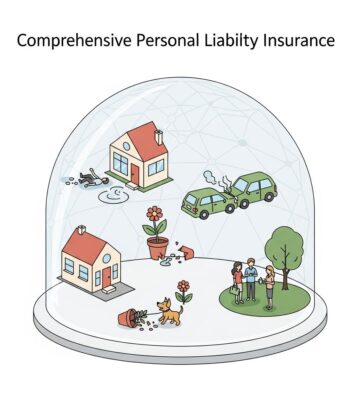
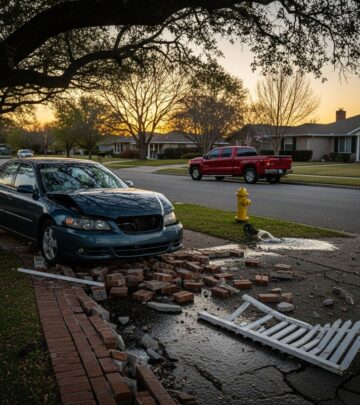
PIP vs Liability Coverage Explained
Discover the essential differences between Personal Injury Protection (PIP) and liability coverage to make informed decisions for your auto insurance policy.
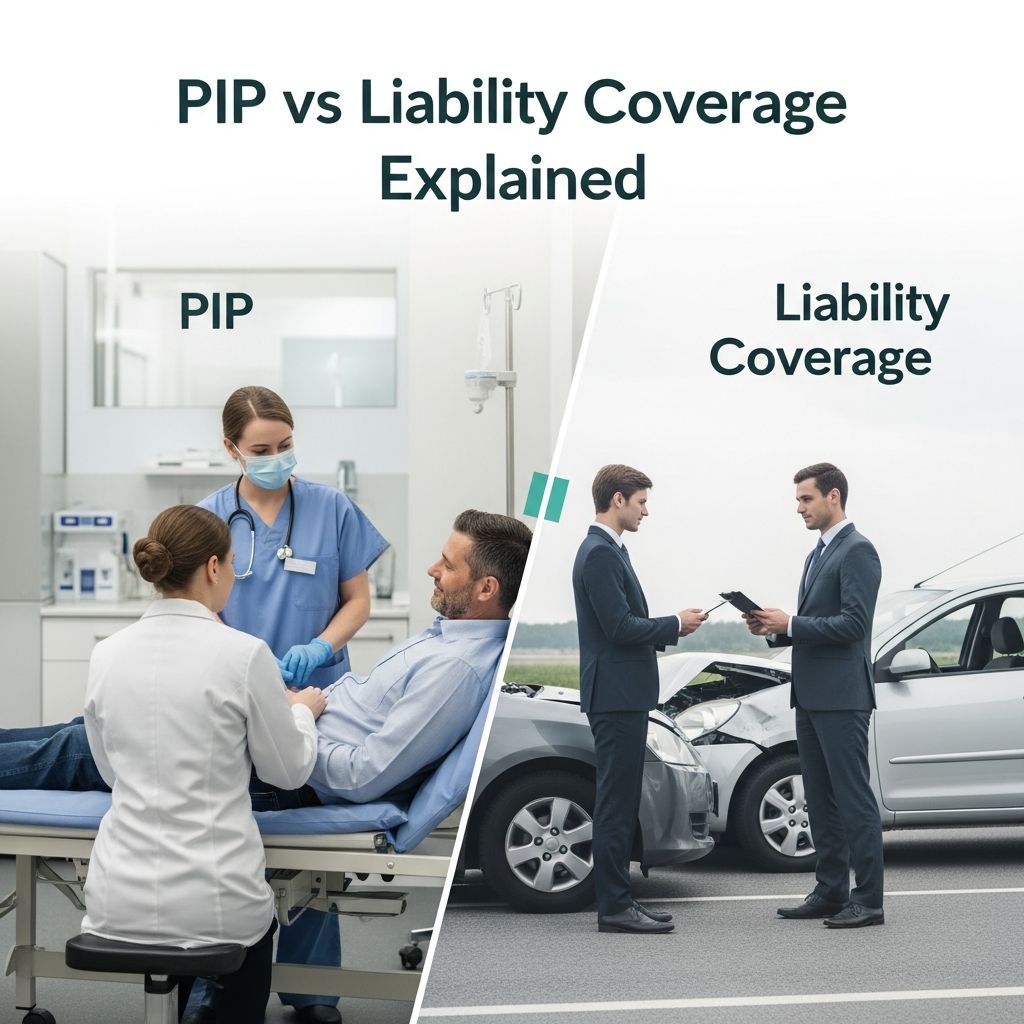
Navigating auto insurance options requires clarity on core coverages like
Personal Injury Protection (PIP)
andliability coverage
. PIP provides immediate financial relief for your injuries irrespective of fault, whereas liability coverage addresses damages you cause to others. Grasping these distinctions ensures better protection and compliance with state laws.Understanding Personal Injury Protection (PIP)
**PIP**, often termed no-fault insurance, steps in to cover medical and related costs for you and your passengers following an accident, without assigning blame. This coverage activates swiftly, bypassing fault investigations that could delay aid.
Typical PIP benefits include:
- Medical treatments: Hospital stays, surgeries, therapy, and medications for injuries sustained.
- Lost income compensation: Reimbursement for wages missed due to recovery time.
- Essential daily services: Costs for hiring help with household tasks or childcare when incapacitated.
- Funeral costs: Support for burial expenses in fatal cases.
In no-fault states, PIP serves as the primary resource for initial claims, promoting quicker resolutions. For instance, it might cover up to policy limits like $10,000, varying by state mandates.
Liability Coverage Fundamentals
**Liability coverage**, mandatory in nearly all states, protects against financial fallout when you’re responsible for an accident injuring others or damaging property. It splits into bodily injury liability (BI) and property damage liability (PD).
Bodily injury liability specifically handles:
- Others’ medical expenses: Bills for treatment, rehab, and long-term care for injured parties.
- Income loss for victims: Compensation for their missed work earnings.
- Legal defense: Attorney fees and court costs if sued.
- Pain and suffering awards: Non-economic damages in lawsuits.
State minimums, such as $25,000 per person/$50,000 per accident in many areas, set the baseline, but higher limits are advisable for substantial protection.
Core Distinctions: PIP Compared to Liability
The primary divergence lies in beneficiaries and fault dependency. PIP shields you and yours no matter who erred; liability aids others only if you’re culpable.
| Aspect | PIP (Personal Injury Protection) | Liability (Bodily Injury) |
|---|---|---|
| Who it covers | You, passengers, family drivers | Other drivers, pedestrians, their passengers |
| Fault basis | No-fault: Pays regardless | Fault-based: Only if you’re at fault |
| Main payouts | Medical, wages, services | Medical, wages, legal for others |
| State status | Required in no-fault states | Required in almost all states |
| Claim speed | Immediate access | After fault determination |
This table highlights why drivers often need both for comprehensive safeguarding.
State Variations and Legal Requirements
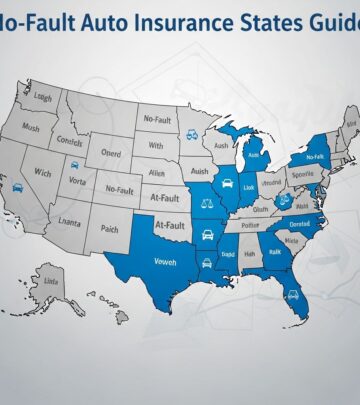
Insurance rules differ widely. About 12 states enforce no-fault systems mandating PIP, including Florida and Michigan, where it handles initial claims up to thresholds before lawsuits. Most states require BI liability with limits like 25/50/25 (per person/accident/property).
In optional PIP states, evaluate health insurance deductibles—PIP bridges gaps and covers non-medical losses like wages. Always verify your state’s department of insurance for exact rules, as reforms occur periodically.
Coverage Limits and Policy Choices
PIP limits range from $1,000 to $50,000+, with med-pay as a cheaper alternative for basics. Liability starts at state minimums but experts recommend 100/300/100 or higher to avert personal asset risks.
Umbrella policies extend liability beyond auto limits, ideal for high-value assets. Costs rise with limits, yet underinsurance exposes savings—balance premiums against risks.
Real-World Scenarios: When Each Applies
Imagine rear-ending another vehicle: Liability covers their hospital bills and repairs if you’re liable. If injured yourself, PIP funds your ER visit and time off work promptly.
Conversely, in a side-impact crash you’re not at fault for, the other driver’s liability aids you, but your PIP still covers immediate needs without delay.
For multi-vehicle pileups, PIP ensures your household’s stability first, while liability addresses external claims.
Pros and Cons of Each Coverage Type
PIP Advantages and Drawbacks
- Pros: Fast payouts, no litigation hassle, wage protection.
- Cons: Caps may exhaust quickly in severe cases; not everywhere available.
Liability Strengths and Limitations
- Pros: Defends against lawsuits, covers extensive third-party damages.
- Cons: Excludes your injuries; minimums often inadequate for major accidents.
Enhancing Your Policy: Combining Coverages
Most drivers benefit from both. Liability is non-negotiable; add PIP if in a no-fault state or valuing quick medical access. Pair with collision, comprehensive, and uninsured motorist for full armor.
Shop annually—bundling home/auto saves money. Raise deductibles cautiously to cut premiums without sacrificing essentials.
Frequently Asked Questions (FAQs)
What happens if PIP limits are exceeded?
Seek health insurance, the at-fault party’s liability, or sue if thresholds met in no-fault states.
Is liability the same as full coverage?
No—liability is basic; full includes collision/comprehensive for your vehicle.
Does PIP cover property damage?
No, it focuses on injuries; property falls under separate liability or collision.
Can I reject PIP in states where optional?
Yes, often via waiver, but reconsider if health coverage is weak.
How much liability should I carry?
Match net worth; 100/300/100 minimum recommended.
Steps to Review and Optimize Your Coverage
- Check state minimums via official insurance department site.
- Audit assets against limits.
- Compare quotes from multiple insurers.
- Consider life changes impacting needs (e.g., new home).
- Consult agent for personalized advice.
Proactive policy tweaks prevent post-accident regrets.
References
- Bodily Injury Liability vs. Personal Injury Protection Insurance — MAS Law. 2024-11. https://www.mas.law/blog/2024/november/bodily-injury-liability-vs-personal-injury-prote/
- Bodily Injury vs. Personal Injury Insurance — Progressive. Accessed 2026. https://www.progressive.com/answers/bodily-injury-vs-personal-injury-protection/
- The Difference Between Personal Injury Protection (PIP) and Bodily Injury Liability Coverage — WNY Injury Lawyers. Accessed 2026. https://www.wnyinjurylawyers.com/the-difference-between-personal-injury-protection-pip-and-bodily-injury-liability-coverage-in-cheektowaga-ny/
- Liability Coverage vs. Personal Injury Protection (PIP) in San Antonio — Carabin Shaw. Accessed 2026. https://www.carabinshaw.com/liability-coverage-vs-personal-injury-protection-pip-in-sa.html
- PIP Vs. Bodily Injury in Florida: The Difference — Elginjury Law. Accessed 2026. https://elginjurylaw.com/pip-vs-bodily-injury-in-florida/
- What Is the Difference Between PIP and Liability Coverage? — Experian. Accessed 2026. https://www.experian.com/blogs/ask-experian/whats-difference-between-pip-and-liability-coverage/
Similar Articles








Read full bio of Sneha Tete