PIN Number: 7 Common Questions About Security
Understand PIN numbers: secure authentication codes protecting your financial transactions.
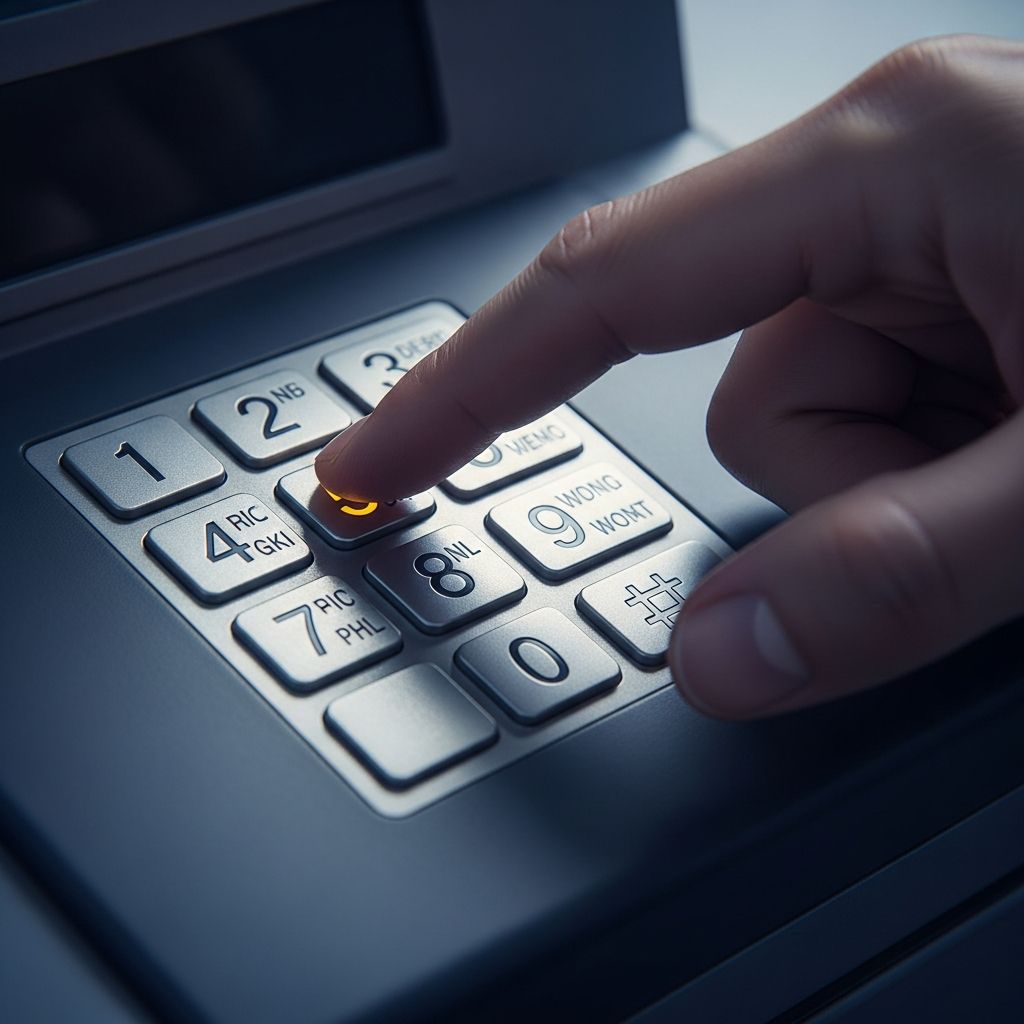
What Is a PIN Number?
A PIN number, which stands for Personal Identification Number, is a numeric password typically consisting of four to six digits used to authenticate and verify your identity during financial transactions. This secure code serves as a digital key that proves your ownership of a bank card or account, acting as a protective barrier against unauthorized access to your sensitive financial information.
PIN numbers have become fundamental to modern banking and financial security systems worldwide. Whether you’re withdrawing cash from an ATM, making a purchase with a debit card, or conducting online banking transactions, your PIN serves as the primary authentication mechanism that grants you access to your accounts and authorizes transactions on your behalf.
How PIN Numbers Work
Understanding how PIN numbers function is essential to appreciating their role in financial security. The process is straightforward yet highly effective in protecting your accounts:
- When you initiate a financial transaction, such as withdrawing money from an ATM or making a debit card purchase, the system prompts you to enter your PIN.
- You input your unique numeric code into the secure terminal or device.
- The system compares the PIN you entered with the PIN stored securely in the financial institution’s database.
- If the numbers match exactly, the transaction is authorized and proceeds.
- If the numbers don’t match, access is denied and the transaction is blocked.
This verification process happens in milliseconds, creating a seamless user experience while maintaining robust security. The PIN acts as proof that you are the legitimate cardholder or account owner, ensuring that only authorized individuals can access accounts and conduct transactions.
Key Characteristics of PIN Numbers
PIN numbers possess several defining characteristics that make them effective security tools:
Short and Memorable
PIN numbers are intentionally brief, typically consisting of four to six digits. This length makes them easy for you to memorize and enter quickly without assistance, while still providing adequate security when chosen wisely. The brevity of PINs distinguishes them from longer passwords, making them ideal for situations where quick authentication is necessary, such as ATM transactions or point-of-sale payments.
Unique and Personal
Each PIN is unique to the individual cardholder or account owner. You create your own PIN, and it should never be shared with anyone, including family members, bank employees, or friends. This personal nature ensures that only you have access to your accounts and can authorize transactions in your name.
Authentication Function
The primary function of a PIN is authentication. It verifies your identity and confirms that you are the legitimate account holder attempting to access your financial resources. This authentication is critical in electronic banking, preventing fraud and unauthorized access to accounts.
Numeric or Alphanumeric
While most PIN numbers consist entirely of numeric digits, some systems may accept alphanumeric codes that include letters as well. The flexibility in PIN composition allows financial institutions to adapt security measures to their specific systems and requirements.
Common Uses of PIN Numbers
PIN numbers have become ubiquitous in the financial world and extend beyond traditional banking:
ATM Transactions
One of the most common uses of PIN numbers is at automated teller machines (ATMs). When you insert your debit or bank card into an ATM, you must enter your PIN to access your account and withdraw cash or perform other banking operations.
Debit Card Purchases
At retail stores and merchants, when you use your debit card for purchases, you typically need to enter your PIN at the point-of-sale (POS) terminal to authorize the transaction. This is known as a “PIN-based transaction” and provides security for both you and the merchant.
Credit Card Transactions
While credit card transactions have traditionally relied on signatures or chip technology, many credit cards now require a PIN for added security, especially in international transactions or high-value purchases.
Online Banking
When accessing your bank account through online platforms or mobile applications, you may be required to enter a PIN as part of a multi-factor authentication process, along with your username and password.
Phone Banking
PIN numbers are also used when conducting banking transactions over the telephone. Your PIN serves as verification of your identity when you call your bank’s automated customer service line or speak with a representative.
Secure Access Control
Beyond banking, PIN numbers are used for computer access, door locks, vehicle access, and other secure systems where authentication is necessary.
PIN Security and Protection
The security of your PIN is paramount to protecting your financial assets. Understanding and implementing PIN security best practices is essential:
Create a Strong PIN
When creating your PIN, avoid obvious numeric sequences such as “1234,” “0000,” or your birth date. Instead, choose a random combination of numbers that is meaningful only to you and difficult for others to guess. The stronger your PIN, the better protected your account.
Never Share Your PIN
Under no circumstances should you share your PIN with anyone, including bank employees, family members, or friends. Legitimate financial institutions will never ask you to disclose your PIN. If someone requests your PIN, it is likely a fraudulent attempt.
Protect Your PIN When Entering
When entering your PIN at an ATM, point-of-sale terminal, or other device, shield the keypad with your hand to prevent others from observing the numbers you enter. Be aware of your surroundings and ensure no one is watching over your shoulder.
Change Your PIN Regularly
Consider changing your PIN periodically, especially if you suspect it may have been compromised. Many financial institutions allow you to change your PIN easily through their online platforms or by visiting a branch.
Monitor Your Accounts
Regularly review your bank statements and transaction history for any unauthorized activity. If you notice suspicious transactions, contact your financial institution immediately.
PIN vs. Other Authentication Methods
| Authentication Method | Characteristics | Security Level | User Convenience |
|---|---|---|---|
| PIN Number | 4-6 digit numeric code | Moderate to High | High |
| Password | Longer alphanumeric combination | High | Moderate |
| Biometric (Fingerprint/Face) | Biological identifier | Very High | High |
| Two-Factor Authentication | PIN plus code sent to device | Very High | Moderate |
| Signature | Handwritten verification | Low to Moderate | Moderate |
PIN Numbers in Different Contexts
Banking and Financial Institutions
In the banking sector, PIN numbers are the standard authentication mechanism for debit cards and bank accounts. Financial institutions have implemented secure systems to store PINs using encryption, ensuring that even bank employees cannot access your PIN. This security measure protects both customers and institutions from fraud and unauthorized access.
Tax Filing
In some countries, PIN numbers are used in tax filing processes. For example, in the United States, taxpayers can select a five-digit PIN to electronically sign their tax returns, serving as a secure method for verifying the identity of the taxpayer.
Government and Identification
PIN numbers are used by government agencies for citizen identification and verification. They serve as a security measure for accessing government services and verifying identity in official transactions.
Computer and Device Security
Modern computers and mobile devices often use PIN numbers as a security feature. Device PINs typically consist of numbers and sometimes letters, protecting your personal data from unauthorized access.
Contactless Payments and PIN Requirements
In recent years, contactless payment technology has evolved, allowing customers to make small purchases without entering a PIN. However, for security purposes, most financial institutions still require a PIN for transactions above a certain threshold or for in-person transactions where enhanced security is necessary. This balance between convenience and security helps protect consumers while maintaining the integrity of the payment system.
The Importance of PIN Security
PIN numbers play a crucial role in maintaining the security of modern financial systems. They serve as the first line of defense against unauthorized access to your accounts and fraudulent transactions. The global acceptance of PIN technology makes it a reliable security measure whether you’re conducting transactions domestically or internationally.
Financial institutions invest heavily in PIN security infrastructure, employing encryption, secure databases, and fraud monitoring systems to protect your PIN and account information. This commitment to security allows consumers to conduct transactions with confidence, knowing that their financial assets are protected.
Creating and Managing Your PIN
When you open a new bank account or receive a debit card, the financial institution typically provides a temporary PIN or allows you to create your own. Here are best practices for PIN management:
- Create a PIN that is unique and not based on easily obtainable personal information
- Avoid using sequential numbers or repeating digits
- Choose a code that you can remember without writing it down
- Change your PIN if you believe it may have been compromised
- Never disclose your PIN to anyone under any circumstances
- Use different PINs for different accounts when possible
PIN Redundancy: PIN Number vs. PIN
It’s worth noting that saying “PIN number” is technically redundant, since PIN already stands for “Personal Identification Number.” While “PIN number” is commonly used in everyday conversation, technically correct usage would simply be “PIN.” This distinction, while minor, reflects proper terminology in financial and technical contexts.
Frequently Asked Questions
Q: What happens if I forget my PIN?
A: If you forget your PIN, contact your financial institution immediately. You can visit a branch with proper identification or call customer service to reset your PIN. Most banks allow you to create a new PIN through their online platforms or by confirming your identity through security questions.
Q: How many attempts do I get before my card is locked?
A: Most financial institutions lock your card after three to five incorrect PIN attempts for security purposes. You’ll typically need to contact your bank or visit a branch to unlock your card and verify your identity.
Q: Is it safe to use my birth date as a PIN?
A: No, using your birth date or other easily obtainable personal information as a PIN is not safe. Scammers can access this information through social media or public records. Choose a random combination of numbers that only you know.
Q: Can I use letters in my PIN?
A: Most traditional banking PIN systems use only numeric digits. However, some modern systems and devices may accept alphanumeric PINs. Check with your financial institution regarding their specific PIN requirements.
Q: Why do I need a PIN if I have a password for online banking?
A: PINs and passwords serve different security purposes. PINs are typically used for in-person and card transactions, while passwords protect online accounts. Using both creates a multi-layered security approach that is more effective at preventing fraud.
Q: What should I do if I suspect my PIN has been compromised?
A: If you believe your PIN has been compromised, contact your bank immediately. Change your PIN right away and monitor your account for any unauthorized transactions. Your bank can help you secure your account and prevent fraud.
Q: Are PIN numbers used internationally?
A: Yes, PIN numbers are widely used internationally as the standard authentication method for debit cards and ATM transactions. This global acceptance makes it easy to use your cards when traveling abroad.
References
- What is PIN?: Full Form, How It Works, and Its Importance — Paytm. https://paytm.com/blog/glossary/pin-full-form-meaning-definition/
- What Is a Personal Identification Number (PIN)? — Payneteasy. https://payneteasy.com/glossary/what-is-a-personal-identification-number-pin
- Personal Identification Number — National Institute of Standards and Technology (NIST). https://csrc.nist.gov/glossary/term/personal_identification_number
- Understanding the Personal Identification Number (PIN) in Legal Context — US Legal Forms. https://legal-resources.uslegalforms.com/p/personal-identification-number-pin
- PIN | The College Investor — The College Investor. https://thecollegeinvestor.com/bank-accounts/pin/
- What is a PIN? | Are there different types of PINS? — Lenovo. https://www.lenovo.com/us/en/glossary/pin/
- Personal Identification Number (PIN): Legal Definition Explained — Wikipedia. https://en.wikipedia.org/wiki/Personal_identification_number
Similar Articles








Read full bio of medha deb