Pier 17 and South Street Seaport History
Discover the maritime legacy of New York's iconic waterfront district, from colonial origins to modern revival.
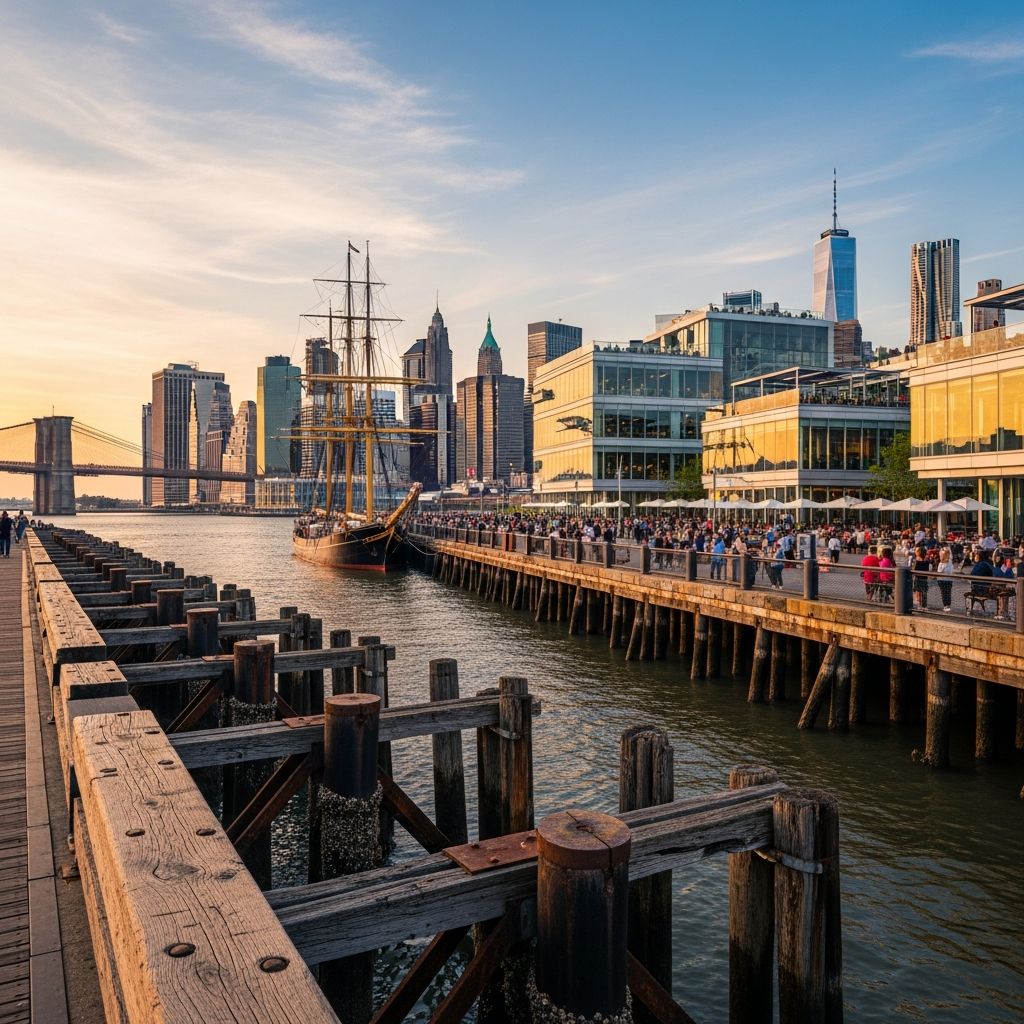
The South Street Seaport and Pier 17 stand as enduring symbols of New York City’s maritime past, evolving from bustling colonial docks to a revitalized cultural hub. This district along the East River encapsulates centuries of trade, innovation, and resilience, shaping the metropolis we know today.
Colonial Foundations and Early Development
In the early 17th century, the area now known as South Street Seaport emerged as a key outpost for European settlers. The Dutch West India Company established a trading post in 1625, marking the first pier construction amid the displacement of the Lenape people. This waterfront quickly drew traders enticed by the promise of New World opportunities.
Landfill projects began transforming the marshy shoreline. Natural coves were filled to create wharves, extending from Pearl Street to South Street. By the mid-18th century, landfill pushed the boundary to Water and Front Streets, with South Street itself built between 1798 and 1810 on man-made land. Merchants purchased ‘water lots’ from the city, filling them at their expense to build warehouses and slips for efficient ship docking.
- Dutch outpost in 1625: First pier built for trade.
- Landfill expansion: Created slips like Peck Slip, visible today as wide streets.
- Isaac Allerton’s 1647 warehouse: Stored Virginia tobacco for European export.
Rise to Commercial Dominance in the 19th Century
By the 18th century, the seaport grew from scattered wharves into a cornerstone of New York’s port, the nation’s busiest. Queen Street hugged the original waterfront until landfill alterations. Pearl Street and Fulton Street became vital arteries, hosting shipping firms and Fulton Market, relocated in 1822.
The 1814 ferry landing at Beekman Slip connected Manhattan to Brooklyn, boosting commerce. In 1818, local merchants innovated scheduled shipping routes, revolutionizing trade by ensuring timely departures. The Great Fire of 1835 devastated lower Manhattan but spurred rebuilding, solidifying the seaport’s role.
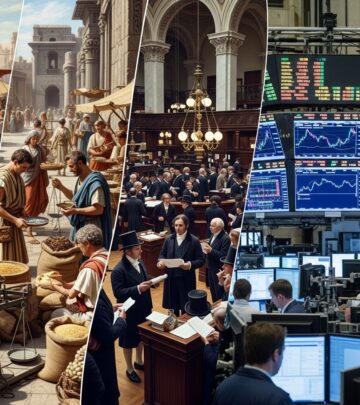
The clipper ship era peaked mid-century, with South Street as the epicenter. In 1860, over 4,000 foreign vessels docked here, supporting international and domestic trade. Warehouses, markets, hotels, and shops lined the streets, fostering a vibrant economy.
| Era | Key Developments | Impact |
|---|---|---|
| Early 1800s | Ferry service, scheduled ships | Enhanced connectivity and reliability |
| Mid-1800s | Clipper ships, Fulton Market | Global trade dominance |
| Post-1835 Fire | Reconstruction | Modernized infrastructure |
Pier 17: Engineering Marvel and Trade Hub
Pier 17, a standout feature, exemplifies 19th-century ingenuity. Constructed in the 1880s amid seaport expansion, it featured iron and wood framing to handle massive cargo volumes. Named for its position, it served transatlantic liners and freighters, integral to the district’s peak.
Throughout the late 1800s, Pier 17 bustled with immigrants, goods like cotton and spices, and naval activities. Its sheds stored perishables near Fulton Fish Market, which thrived until the mid-20th century. The pier’s design allowed multiple berths, maximizing efficiency.
Decline Amid Industrial Shifts
Post-Civil War, the seaport waned. Brooklyn Bridge (1883) and subways (1908) bypassed ferries. Steamships and the Panama Railway (1855) shifted routes westward. By the early 20th century, commercial focus moved north, leaving derelict buildings and the fish market, linked to organized crime.
Mid-century urban renewal threatened demolition. Neglected structures symbolized decay until preservationists intervened.
Preservation Movement and Modern Revival
In the 1960s, amid New York’s reinvention, the South Street Seaport Museum formed in 1967 to save the area. Founders acquired ships and buildings, advocating for a historic district. In 1972, it joined the National Register, expanded in 1977.
The 1970s saw citizen groups protect Schermerhorn Row, installing historic vessels and opening a museum. A 1980 master plan by Beyer Blinder Belle balanced restoration with new development, creating pedestrian spaces.
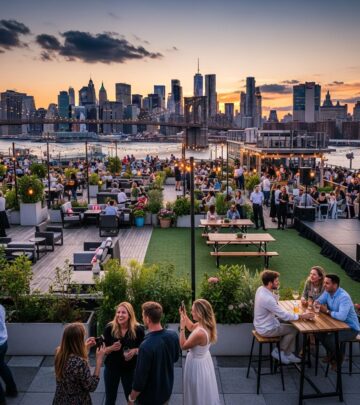
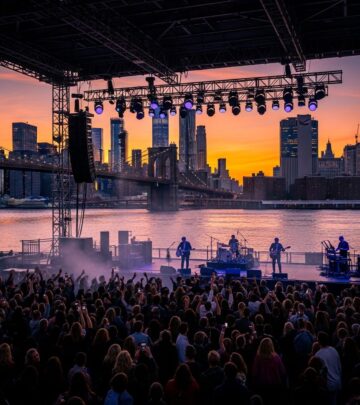
Pier 17 reinvented multiple times: post-9/11 rebuilding highlighted resilience. Today, it’s a venue for concerts, dining, and events, blending history with modernity.
Cultural and Economic Impact Today
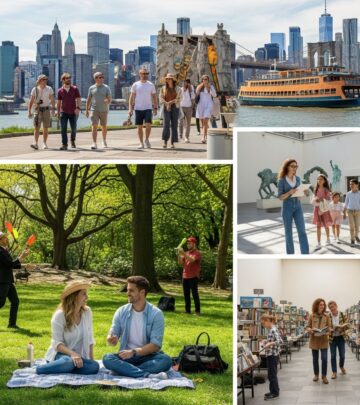
The district now attracts millions annually, hosting museums, shops, and festivals. The museum educates on maritime history, with tall ships like the Pioneer offering sails. Economic revival includes luxury retail and waterfront parks.
- Museum exhibits: Artifacts from clipper era.
- Events: Summer concerts at Pier 17.
- Tourism boost: Complements One World Trade nearby.
Challenges and Future Prospects
Hurricanes like Sandy (2012) tested resilience, prompting elevated designs. Ongoing debates balance commercialization with authenticity. Plans emphasize sustainability and public access.
Frequently Asked Questions
What is the origin of South Street Seaport?
It began as a Dutch trading post in 1625, evolving through landfill into a major port.
Why did the seaport decline?
Bridges, subways, and steamships redirected traffic by the late 19th century.
How was Pier 17 preserved?
Through museum-led efforts and master plans integrating history with new uses.
Is the area still historically significant?
Yes, as a National Register district with ongoing preservation.
What can visitors do today?
Explore museums, shop, dine, and enjoy events at Pier 17.
References
- South Street Seaport: The All-in-One — Marmara Park Avenue. 2023. https://park.marmaranyc.com/blog/south-street-seaport-one
- South Street Seaport Historic District — NYC.gov (Landmarks Preservation Commission). 1977. https://s-media.nyc.gov/agencies/lpc/lp/0948.pdf
- Six to Celebrate: South Street Seaport — Urban Archive. N/A. https://urbanarchive.org/city/ny/s/055dfbc7-c5f3-42b4-b573-d2c9d1fce133
- South Street Seaport — Historic Districts Council. 2023. https://hdc.org/borough/south-street-seaport/
- The Seaport’s History — The Seaport NYC. 2023. https://theseaport.nyc/history/
- The History of the Seaport — South Street Seaport Museum. 2023. https://southstreetseaportmuseum.org/history-of-the-seaport/
Similar Articles








Read full bio of medha deb