A Comprehensive Guide to Pickup Truck Categories
Explore the different pickup truck classes and find your perfect match.
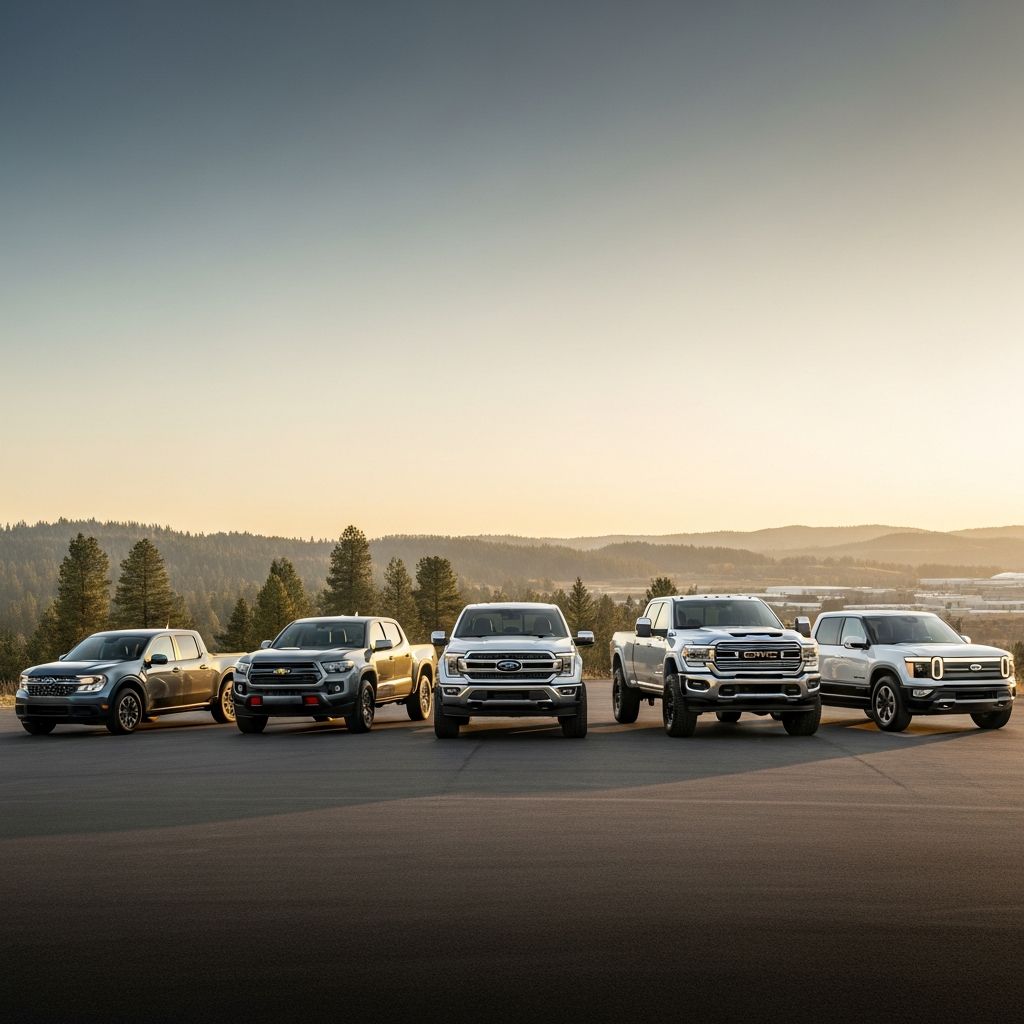
The pickup truck market offers a diverse range of vehicles designed to meet different needs, from daily commuting to heavy-duty work and recreational activities. With multiple size categories, cab configurations, bed lengths, and powertrain options available, choosing the right truck requires understanding the distinctions between each classification. This comprehensive guide examines the various truck segments and the features that define them, helping potential buyers make informed decisions based on their specific requirements.
The Three Primary Truck Size Categories
The pickup truck market is fundamentally divided into three main size categories, each offering distinct advantages and designed for different applications. Understanding where each category fits in terms of capability, comfort, and practicality is essential for narrowing down your options.
Compact Pickups: Efficiency and Maneuverability
Compact pickup trucks represent the smallest segment of the pickup market, offering a unique blend of truck functionality with car-like handling characteristics. These vehicles feature unibody construction, which means they’re built more similarly to a crossover SUV with an integrated cargo bed rather than using the traditional body-on-frame construction found in larger trucks. This construction method contributes significantly to their handling dynamics and overall vehicle behavior on the road.
The primary advantages of compact pickups include their exceptional fuel efficiency and lower price points compared to their larger counterparts. Their smaller dimensions make them ideal for urban driving and parking situations where maneuverability is crucial. These trucks typically provide adequate towing capacity for small to medium loads, such as personal watercraft or lightweight trailers.
Key characteristics of compact trucks:
- Unibody construction for improved handling and ride quality
- Superior fuel economy compared to larger truck classes
- Lower starting prices within the truck segment
- Excellent maneuverability in tight spaces
- Suitable for drivers seeking truck utility without excessive size
- Modern models include advanced technology and comfort features
Modern compact pickups have evolved significantly, with current offerings featuring hybrid powertrains as standard equipment. These models typically offer towing capacities ranging up to 4,000 pounds with available all-wheel drive systems, demonstrating that compact doesn’t necessarily mean compromised capability.
Midsize Pickups: The Balance Point
Positioned between compact and full-size trucks, midsize pickups represent what many consider the optimal compromise between capability and practicality. These vehicles provide more hauling and towing capacity than compact models while remaining easier to manage than their full-size counterparts.
Midsize trucks excel at delivering moderate performance capabilities without the unwieldy proportions of larger vehicles. They’re particularly popular among buyers who need genuine truck functionality for weekend projects or recreational pursuits but don’t require the maximum payload and towing ratings of heavy-duty platforms. The midsize segment includes off-road-focused trim levels that appeal to adventure-minded drivers.
Midsize truck advantages and features:
- Enhanced maneuverability compared to full-size trucks
- Easier parking and everyday driving dynamics
- Meaningful towing capacity for moderate loads
- Available off-road-specific packages and trims
- Cost-effective alternative to full-size models
- Suitable for both work and recreational use
These trucks come standard with rear-wheel drive, though four-wheel drive is typically available as a popular upgrade option. The segment has experienced renewed growth in recent years, with manufacturers offering increasingly sophisticated models that rival full-size trucks in terms of interior appointments and technology features.
Full-Size Pickups: Maximum Capability and Dominance
Full-size pickup trucks dominate the American market and represent the most versatile and capable segment for serious hauling and towing applications. Often referred to as half-ton trucks, these vehicles are engineered to handle substantial workloads while providing comfortable, luxury-oriented cabins in higher trim levels.
The “half-ton” designation refers to the truck’s payload capacity rating, indicating the vehicle can carry at least 1,000 pounds of cargo weight. Modern full-size trucks often exceed these baseline specifications significantly, with towing capacities reaching well into the 10,000 to 14,000-pound range when properly configured.
Full-size pickup characteristics and benefits:
- Significantly higher ground clearance than compact and midsize models
- Superior towing and payload capacities for heavy equipment
- Built for demanding work environments and applications
- Available luxury trim levels rivaling premium SUVs
- Extensive engine and powertrain options
- Advanced technology and comfort amenities
- Higher resale values and broader market appeal
Full-size trucks serve dual purposes effectively—they function as dependable work vehicles for contractors and tradespeople while also serving as family transportation with comfortable seating and modern conveniences.
Understanding Cab Configurations
Cab design significantly impacts interior space, comfort, and practicality. Pickup trucks offer three primary cab configurations, each suited to different priorities regarding passenger seating and cargo bed size.
| Cab Type | Passenger Capacity | Door Configuration | Best For |
|---|---|---|---|
| Regular Cab | 2-3 passengers | Single or double doors | Commercial use, maximizing bed space |
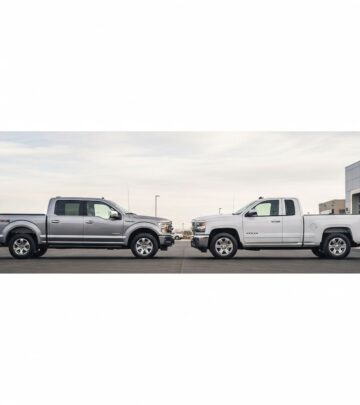
| Extended Cab | 4-5 passengers | Front doors plus smaller rear doors | Occasional passenger seating with substantial bed |
| Crew Cab | 5-6 passengers | Full-size front and rear doors | Family transportation, daily commuting |
Regular cabs feature minimal rear seating, typically accommodating only two additional passengers on a bench seat. These configurations prioritize cargo bed space and are most common on commercial and work-focused trucks where payload capacity matters more than passenger comfort.
Extended cabs incorporate smaller rear doors and a modest rear seating area, providing occasional passenger capacity without significantly reducing bed space. This middle-ground approach appeals to buyers who need flexibility for both work and light passenger transport.
Crew cabs offer full-size rear doors and spacious rear seating suitable for daily use with multiple passengers. This configuration maximizes interior comfort but typically reduces cargo bed length from the standard dimensions available in other cab styles.
Cargo Bed Dimensions and Options
Pickup truck beds come in three standard lengths, each offering different advantages for storage and transport:
Short Bed Configuration
Short beds measure approximately 5 feet 8 inches in length, providing the most compact cargo area option. These beds are considerably less expensive than longer alternatives and enhance vehicle maneuverability, particularly beneficial in tight urban environments or congested parking situations. Short beds often accommodate larger cab sizes, making this configuration ideal for crew cab vehicles prioritizing passenger space.
Standard Bed Length
Standard beds measure about 6 feet 5 inches, representing the middle ground between cargo capacity and vehicle dimensions. This length accommodates typical household items like furniture and building materials while maintaining reasonable overall vehicle length for maneuvering and parking. The standard bed represents a practical compromise for buyers wanting adequate cargo space without excessive vehicle length.
Long Bed Configuration
Long beds extend to approximately 8 feet, maximizing cargo area for serious hauling applications. These beds excel at transporting large items, construction materials, and equipment for work-intensive tasks. Long beds are particularly popular among contractors, landscapers, and other professionals requiring maximum cargo capacity. The extended length does impact overall vehicle dimensions and maneuverability, making these configurations less ideal for urban driving.
Powertrain and Engine Technologies
Modern pickup trucks offer unprecedented diversity in powertrain options, each with distinct advantages regarding performance, efficiency, and environmental impact.
Traditional Gasoline Engines
Gas-powered engines remain the most prevalent option in the pickup market, available in four, six, and eight-cylinder configurations. Many gas engines incorporate turbocharging technology to enhance power output and improve efficiency without increasing engine displacement.
Diesel Power
Diesel engines offer exceptional fuel efficiency and increased torque output, making them ideal for buyers prioritizing heavy towing and hauling capability. While diesel engines typically carry higher purchase prices, their superior fuel economy and longevity can justify the investment for high-mileage users.
Hybrid and Electric Solutions
The pickup truck market has witnessed remarkable growth in hybrid and fully electric models. Hybrid trucks combine gasoline engines with electric motors to improve fuel economy and reduce emissions. Fully electric trucks eliminate tailpipe emissions entirely while offering impressive towing capacities and modern technology features. These emerging technologies are expanding rapidly, offering buyers environmentally conscious options without sacrificing truck capability.
Plug-in Hybrid Models
Plug-in hybrid vehicles provide electric-only driving capability for shorter trips while maintaining gasoline engines for extended journeys. This technology appeals to buyers wanting environmental benefits with the security of traditional fuel availability.
Practical Considerations for Truck Selection
Selecting the appropriate truck requires evaluating several factors beyond simple size classification:
- Intended use: Determine whether your primary needs involve work applications, recreational activities, or daily commuting
- Towing requirements: Calculate maximum loads you’ll regularly transport to ensure adequate capacity
- Fuel efficiency priorities: Consider long-term fuel costs and environmental preferences
- Parking and maneuvering needs: Assess whether vehicle size is practical for your typical driving environment
- Passenger capacity: Choose cab configurations matching your regular occupancy needs
- Budget constraints: Compare purchase prices, fuel costs, and maintenance expenses across categories
- Technology preferences: Evaluate available features and connectivity options across different segments
Frequently Asked Questions About Pickup Trucks
What towing capacity should I expect from each truck size?
Compact trucks typically offer towing capacities up to 4,000 pounds, suitable for small trailers and personal watercraft. Midsize trucks generally handle 6,000 to 10,000 pounds, accommodating modest recreational loads. Full-size trucks exceed 10,000 pounds capacity, with some models reaching 14,000 pounds or more.
Are compact trucks suitable for genuine work applications?
Modern compact trucks have evolved significantly and can handle light to moderate work tasks. However, if your work involves regularly transporting heavy materials or equipment, midsize or full-size trucks provide more appropriate payload capacity and durability.
How does fuel economy compare across truck categories?
Compact trucks offer the best fuel efficiency, especially models featuring hybrid powertrains achieving excellent economy figures. Midsize trucks provide moderate efficiency, while full-size trucks generally achieve lower fuel economy due to their heavier weight and larger engines.
What cab configuration works best for families?
Crew cabs provide the most comfortable family transportation with full-size rear doors and spacious seating. Extended cabs offer a compromise for families needing occasional rear-seat capacity without sacrificing cargo bed space.
Should I prioritize diesel or gasoline power?
Diesel engines excel for heavy towing and frequent hauling, offering superior torque and fuel efficiency for high-mileage scenarios. Gasoline engines suit buyers prioritizing lower purchase prices and lighter-duty applications.
Emerging Trends in Truck Technology
The pickup truck segment continues evolving with innovative features and capabilities. Electric truck technology is advancing rapidly, with multiple manufacturers offering impressive electric models combining traditional truck functionality with zero-emission operation. Advanced driver assistance systems, sophisticated infotainment platforms, and connected vehicle technologies are becoming standard across all truck categories.
Hybrid technology has matured substantially, delivering genuine fuel economy improvements while maintaining familiar driving experiences. These technological advances mean today’s truck buyers have unprecedented options for matching vehicle selections to environmental preferences and practical requirements.
Making Your Final Selection
Choosing the right pickup truck involves balancing multiple factors across size categories, cab configurations, bed lengths, and powertrain options. Compact trucks suit buyers prioritizing efficiency and maneuverability, midsize trucks appeal to those wanting balanced capability and practicality, and full-size trucks serve buyers requiring maximum towing and hauling capacity. By carefully evaluating your specific needs, usage patterns, and preferences, you can identify the truck category and configuration perfectly matched to your requirements.
References
- Pickup Truck Buying Guide: Truck Types and Basics — NerdWallet. 2025. https://www.nerdwallet.com/auto-loans/learn/types-of-trucks
- Truck Buyers Guide to Cabs, Comparing Trims, Engines — YouTube. 2024. https://www.youtube.com/watch?v=r8M4NGjoHxw
- Truck Types – Pickup Truck Classification with Benefits & Photos — Sarchione Ford. 2025. https://sarchioneford.com/truck-types
- Truck Buyers Guide to Size: Compact to Heavy Duty — Jay Hatfield Chevrolet Vinita. 2025. https://www.jayhatfieldchevroletvinita.com/wbp-truck-buyers-guide-to-size-compact-to-heavy-duty.html
- Best Pickup Trucks for 2026, Tested — Car and Driver. 2026. https://www.caranddriver.com/rankings/best-pickup-trucks
Similar Articles








Read full bio of medha deb