Philadelphia International Airport Travel Guide
Master navigation, terminals, and services at PHL Airport
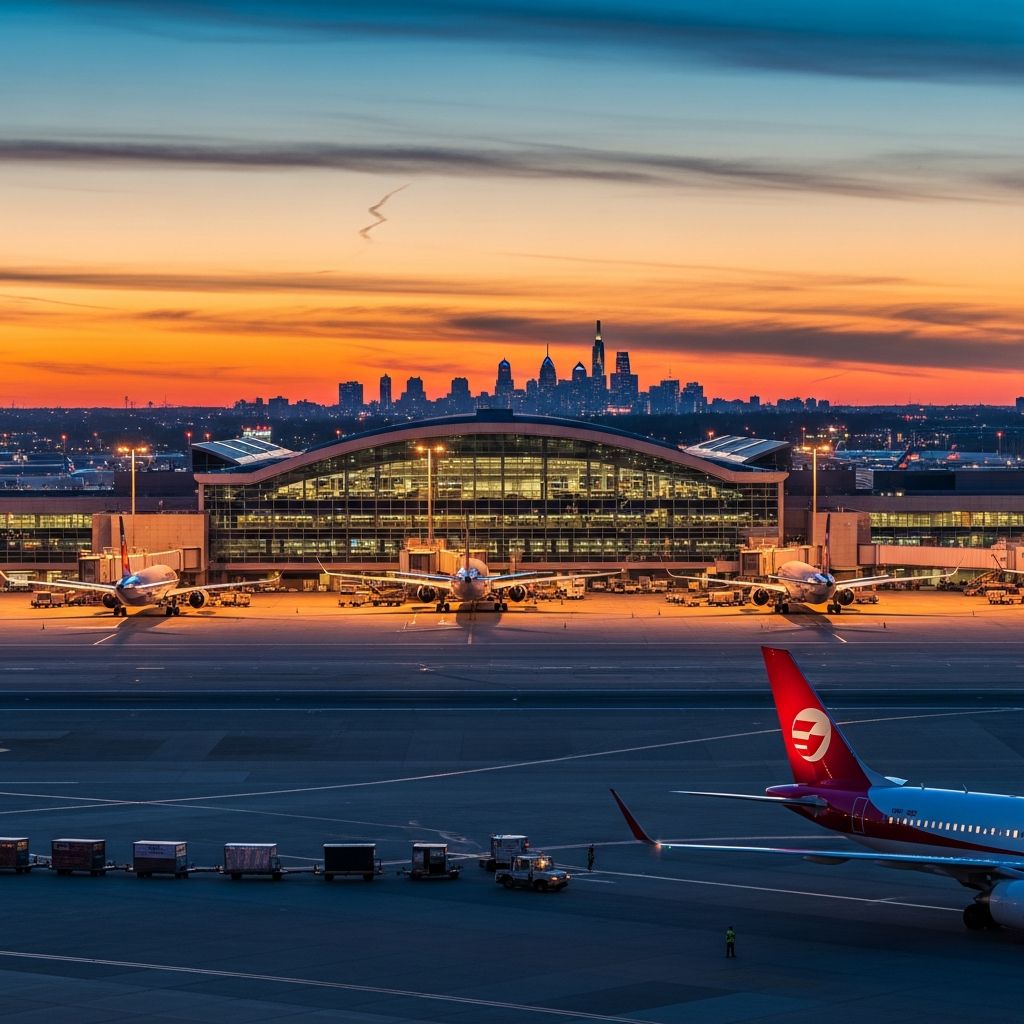
Philadelphia International Airport (PHL) serves as a major transportation hub connecting travelers to 92 domestic destinations and 27 international locations across North America and beyond. Located approximately 7 miles southwest of downtown Philadelphia, the airport processes over 300 daily flights and welcomes roughly 30,000 passengers each day. Understanding the airport’s layout, facilities, and services will transform your travel experience from potentially stressful to seamlessly organized.
Airport Overview and Key Statistics
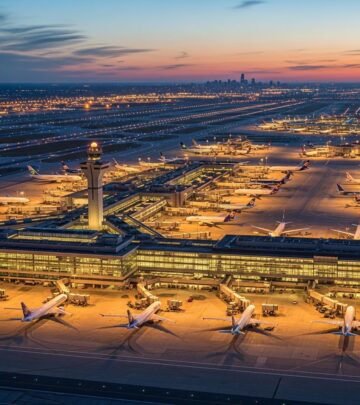
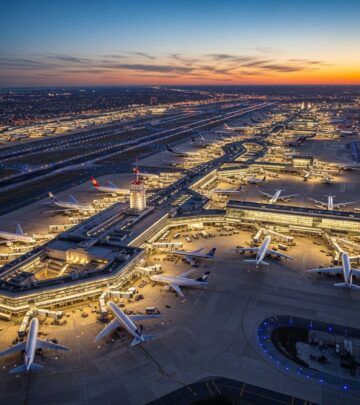
PHL operates as one of the busiest mid-size airports on the East Coast, with a straightforward terminal configuration that prioritizes passenger accessibility. The airport spans across seven connected terminals designated A-West, A-East, B, C, D, E, and F, all arranged in a linear configuration that allows pedestrians to walk between terminals without requiring shuttle services.
- Total terminals: 7 (A-West, A-East, B, C, D, E, F)
- Daily passenger volume: Approximately 30,000 travelers
- Distance from downtown: 7 miles (11 kilometers)
- Domestic destinations: 92 routes
- International destinations: 27 routes
- Average daily departures: Over 300 flights
- Main airport phone: 215-937-6937
- Official website: phl.org
This accessibility-focused design makes connecting flights, terminal changes, and exploration of airport amenities straightforward, even for first-time visitors or travelers with tight connections.
Terminal Configuration and Airline Operations
Understanding the Linear Terminal Layout
Unlike hub airports with radial or modular terminal designs, PHL’s linear arrangement places each terminal adjacent to the next, creating a natural flow from A-West through Terminal F. This configuration eliminates the need for automated people movers or complex shuttle systems, allowing passengers to navigate with relative ease.
All terminals connect at ground level for curbside operations and access to ground transportation. Each terminal features dedicated ticketing areas, security checkpoints, baggage claim facilities, and ground-level access to the SEPTA rail station, ensuring passengers can reach downtown Philadelphia or surrounding areas efficiently regardless of their terminal assignment.
International Gateway: Terminal A-West
Terminal A-West functions as Philadelphia’s primary international terminal, accommodating carriers specializing in transatlantic and intercontinental service. Airlines such as British Airways, Qatar Airways, and Lufthansa operate primarily from this facility, though some domestic service also occurs here.
The terminal features 13 gates positioned on level 2 and numbered A14 through A26. International arrivals processing and baggage claim operations occupy level 3 and level 1 respectively, with shared facilities between A-West and the adjacent Terminal A-East. This arrangement streamlines the customs and immigration process for international arrivals while maintaining operational efficiency.
Domestic and International Mix: Terminal A-East
Terminal A-East operates as a hybrid facility accommodating both domestic and international flights, with American Airlines as the primary carrier. The terminal maintains its own dedicated ticketing area on level 1, featuring a direct security checkpoint positioned above the ticketing level.
Passengers benefit from a convenient bridge connecting Terminal A-East directly to parking garage A and a SEPTA train station, facilitating ground transportation access. The terminal contains 12 gates numbered A2, A4, A6, A6a, A7, and A9 through A13. Travelers will find the American Airlines Admirals Club positioned near gate A4, offering premium lounge amenities to qualifying passengers.
American Airlines Hub: Terminals B and C
American Airlines maintains exclusive operations at Terminals B and C, handling the majority of the airline’s domestic schedule along with select international routes. These terminals share a unified ticketing area and baggage claim system while featuring two distinct concourses designated B and C.
The shared configuration includes two security checkpoints positioned above either end of the main ticketing area, providing efficient access to both concourses. This design minimizes walking distances for passengers and reduces congestion during peak travel periods.
Regional Service Hub: Terminal E
Terminal E serves as the base for multiple low-cost and regional carriers, including Frontier, JetBlue, Southwest, and Spirit Airlines. The terminal operates 16 gates numbered E1 through E16, handling substantial daily passenger volumes through efficient ground-level ticketing and baggage claim systems.
A bridge structure connects Terminal E to its adjacent parking facility, and passengers can access the SEPTA train station from this bridge. The terminal shares a security checkpoint with Terminal D and benefits from a new Chase Sapphire Lounge by The Club located in the connector area between Terminals D and E, offering premium travelers enhanced amenities and services.
Regional Carrier Operations: Terminal F
Terminal F accommodates regional carriers American Eagle and Contour Airlines, handling North American flights through its extensive gate network. The terminal boasts 37 gates, numbered F1 through F9, F11 through F35, and F37 through F39, supporting a high volume of regional traffic.
Operating with a single security checkpoint on level 1 adjacent to the ticketing area, Terminal F features a central concourse leading to gates F1 through F9, with two additional concourses branching from this central hub. The terminal includes comprehensive shopping and dining options, along with an American Airlines Admirals Club for premium passengers.
Ground Transportation and Airport Access
Public Transit Connections
The SEPTA rail system provides convenient connectivity from PHL to Center City Philadelphia and surrounding regions. Multiple SEPTA stations positioned throughout the terminal complex allow passengers to board directly from the airport, reaching downtown Philadelphia in approximately 30 minutes.
SEPTA bus service supplements rail options, offering additional routing flexibility for passengers traveling to specific neighborhoods or destinations beyond the main transit corridor. Combined rail and bus access makes PHL one of the most transit-accessible major airports on the East Coast.
Rental Car and Ride-Sharing Services
All terminals provide ground-level access to rental car facilities and ride-sharing services including major brands. The streamlined curbside design allows efficient vehicle pickup and dropoff operations, reducing wait times and improving passenger flow.
Rental agencies maintain off-airport facilities with shuttle connections, while ride-sharing pickup zones are clearly designated at each terminal’s ground level, enabling quick vehicle connections for passengers traveling independently.
Parking Facilities
Multiple parking garages throughout the terminal complex provide short-term, daily, and extended parking options. Direct bridges connecting several terminals to adjacent parking structures simplify vehicle access, while clearly marked signage guides drivers through the parking process.
Security Procedures and Expedited Screening
TSA Security Overview
PHL operates security checkpoints at all terminals during standard flight operation hours. The linear terminal configuration allows TSA to position checkpoints efficiently, with most terminals maintaining dedicated security facilities to minimize wait times and processing delays.
TSA PreCheck Advantages
Approved TSA PreCheck members benefit from expedited security lanes at the Terminal C and D/E checkpoints. PreCheck travelers pass through security more quickly by retaining shoes, belts, and light jackets while keeping laptops and liquids in carry-on bags. This service significantly reduces security wait times during peak travel periods.
International Arrival Procedures
Passengers arriving on international flights must clear three distinct security layers: immigration interview with Customs and Border Protection officers, luggage collection, and customs inspection. This sequential process occurs before connections to domestic flights, requiring additional time in connecting passengers’ itineraries.
Planning connections of at least two hours for international arrivals ensures adequate time for these mandatory procedures, particularly during peak arrival periods when immigration lines may extend significantly.
Passenger Lounges and Premium Amenities
PHL maintains eight lounges serving various passenger demographics and airline partnerships. Premium lounge access provides comfortable spaces with complimentary food and beverage service, reducing airport stress during layovers or extended waits.
- Three Admirals Clubs: Located in Terminals A-East, F, and providing American Airlines premium member access
- Flagship Lounge: Premium facility for elite American Airlines passengers
- Centurion Lounge: American Express Centurion card member facility
- United Club: United Airlines premium member lounge
- Chase Sapphire Lounge: Newly opened premium facility in the Terminal D/E connector, available to Chase cardholders and qualifying passengers
Each lounge offers variations of premium amenities including shower facilities, quiet zones, business centers, and enhanced food and beverage selections beyond standard terminal offerings.
Dining, Shopping, and Terminal Amenities
PHL terminals feature diverse dining options ranging from quick-service restaurants to sit-down establishments, accommodating various dietary preferences and cuisine types. Shopping selections include news and convenience retailers, technology stores, specialty shops, and duty-free facilities for international departures.
Each terminal maintains its own retail and dining mix, with Terminal F offering particularly comprehensive shopping options through its three-concourse configuration. Travelers should note that retail availability may vary by terminal assignment, particularly for specialized items or specific restaurant chains.
Moving Between Terminals
The linear terminal layout enables unrestricted pedestrian movement between all facilities without security re-screening. Passengers with connections to different terminals can walk directly between them, accessing additional dining, shopping, or lounge options while waiting for connecting flights.
Walking times between terminals typically range from 5 to 15 minutes depending on starting and ending points. Clear directional signage throughout the terminal connector areas guides passengers, and printed airport maps available at information desks provide visual assistance for navigation planning.
Airport Improvements and 2026 Preparations
Philadelphia International Airport underwent significant facility enhancements in preparation for major 2026 events including March Madness, the FIFA World Cup, and the MLB All-Star Game. Infrastructure improvements encompass terminal repainting, floor and ceiling replacements, new restroom facilities, and family spaces including lactation suites.
These upgrades aim to enhance the passenger experience while managing anticipated increases in daily traffic volume. Multilingual staffing additions support both English and Spanish-speaking passengers, reflecting the airport’s commitment to international service quality.
Frequently Asked Questions
How far is Philadelphia Airport from downtown?
PHL is located approximately 7 miles (11 kilometers) southwest of downtown Philadelphia, with SEPTA rail service providing connections to Center City in roughly 30 minutes.
Can I walk between terminals at PHL?
Yes, the linear terminal configuration allows unrestricted pedestrian movement between all seven terminals without re-clearing security or customs.
Which airlines operate from which terminals?
American Airlines dominates Terminals A-East, B, C, and F. Terminal A-West handles primary international carriers. Terminal E serves low-cost carriers including Frontier, JetBlue, Southwest, and Spirit.
Are there TSA PreCheck lanes at Philadelphia Airport?
Yes, dedicated TSA PreCheck expedited lanes operate at Terminal C and the D/E security checkpoint, providing faster processing for approved members.
What ground transportation options are available?
PHL provides SEPTA rail and bus service, rental car agencies, ride-sharing services, and private parking facilities at all terminals.
How long should I plan for international arrivals?
Plan at least two hours for international arrival processing including immigration, luggage collection, and customs clearance before connecting to domestic flights.
What lounges are available at PHL?
Eight lounges serve PHL passengers including three Admirals Clubs, Flagship Lounge, Centurion Lounge, United Club, and the newly opened Chase Sapphire Lounge.
Tips for a Smooth Airport Experience
- Arrive early: Plan to arrive at least 2 hours before domestic departures and 3 hours before international flights
- Check your terminal: Verify terminal assignment during online check-in, as different airlines operate from different facilities
- Use SEPTA for ground transport: Rail service from PHL provides reliable, cost-effective access to downtown Philadelphia
- Explore terminal amenities: The linear layout allows leisure exploration of dining and shopping across multiple terminals without time pressure
- Plan adequate connection time: Domestic connections require 45-60 minutes; international arrivals require 2+ hours
- Access TSA PreCheck: Qualifying travelers should enroll in PreCheck to utilize expedited security screening
- Utilize premium lounges: Eligible passengers should access available lounges to reduce airport stress during layovers
Conclusion
Philadelphia International Airport combines a user-friendly linear terminal design with comprehensive ground transportation options, making it one of the East Coast’s most navigable major airports. Understanding terminal assignments, security procedures, and available amenities enables passengers to move through PHL efficiently and comfortably. Whether connecting domestically, arriving internationally, or departing to distant destinations, proper airport knowledge transforms the travel experience from potentially complicated to smoothly orchestrated.
References
- Philadelphia International Airport Official Guide — Philadelphia International Airport Authority. 2026. https://www.phl.org
- Philadelphia International Airport Terminal Guide 2026 — Upgraded Points. February 2026. https://upgradedpoints.com/travel/airports/philadelphia-phl-airport/
- Philadelphia Airports Guide 2026: PHL Terminals & Transfers — Secret Flying. 2026. https://www.secretflying.com/guides/philadelphia/airports/
- Philadelphia International Airport Prepares for Major 2026 Events — CBS Philadelphia. August 6, 2025. https://www.youtube.com/watch?v=8u3SiGYIRuM
- Navigating Philadelphia Airport Effectively — Stratos Jet Charters. 2026. https://www.stratosjets.com/blog/how-to-navigate-philadelphia-airport-effectively/
Similar Articles








Read full bio of Sneha Tete