Pet-Safe Homes 101: Essential Guide to Protecting Your Furry Friends
Create a safe and comfortable home environment for your pets with expert tips and practical safety measures.
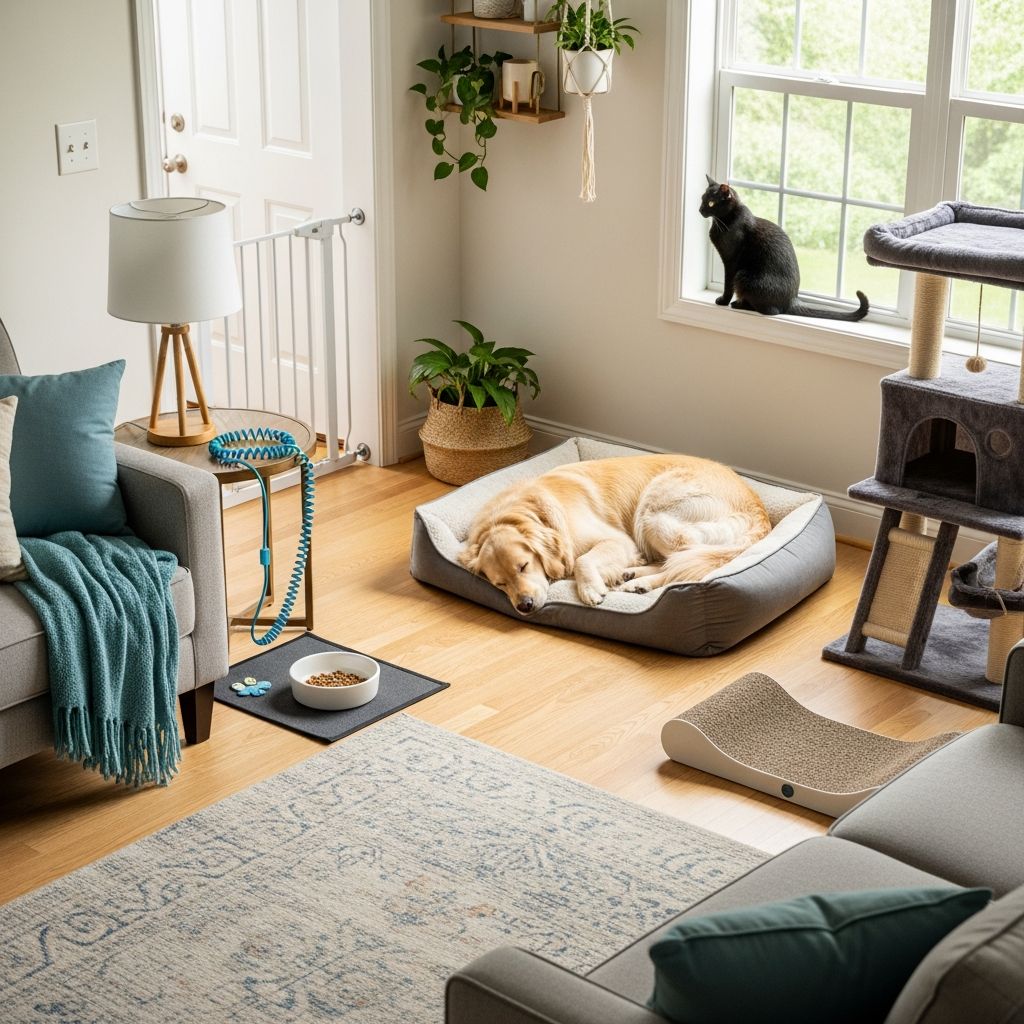
Pet ownership brings joy, companionship, and unconditional love into our homes. However, with these rewards comes the responsibility of ensuring your furry friend lives in a safe environment. Creating a pet-safe home requires thoughtful planning, strategic design choices, and ongoing maintenance to protect your beloved animals from potential hazards. Whether you’re a first-time pet owner or an experienced one, understanding how to pet-proof your home is essential for your pet’s health and wellbeing.
Understanding Pet Safety Hazards
Before diving into specific room-by-room strategies, it’s crucial to understand the common hazards that pose risks to pets. Many household items and substances that seem harmless to humans can be toxic or dangerous to animals. Pets are naturally curious creatures that explore their environment through their senses, often by sniffing, licking, or chewing. This inherent curiosity can lead them into dangerous situations if your home isn’t properly secured.
Common pet hazards include toxic foods and chemicals, electrical hazards, choking risks, falls from heights, and access to restricted areas. By identifying these dangers, you can take proactive steps to eliminate or minimize them throughout your home.
Living Room Essentials for Pet Safety
The living room is typically where families spend considerable time with their pets, making it a priority area for pet-proofing. This space requires careful attention to detail and strategic furniture placement to ensure your pets can enjoy the room safely.
Fireplace and Heat Sources
Install fireplace screens to prevent unsupervised access to active fireplaces. This barrier protects curious pets from burns and smoke inhalation. Additionally, keep space heaters, candles, and other heat sources away from areas where pets frequently rest or play.
Electrical Cords and Electronics
Place electrical cords out of reach or conceal them behind furniture and cord covers. Pets, especially kittens and puppies, are attracted to cords and may chew on them, risking electrical shock. Use cord protectors that attach to baseboards and secure loose wires from electronics and window treatments.
Furniture and Decor
Select sturdy, tip-resistant furniture with rounded edges and stable bases. Opt for anti-scratch tape on upholstered furniture to protect your seating while maintaining the aesthetic appeal of your room. Remove fragile decor from coffee and end tables where curious pets might knock items over. Keep small objects like puzzle pieces and building blocks stored in pet-safe containers when not in use.
Plants and Toxins
Decorate with non-toxic, pet-friendly houseplants such as snake plants, palms, and ferns. Avoid plants that are poisonous to pets, and keep all houseplants out of reach if you’re uncertain about their safety. Use appropriate vent covers to discourage pets from blocking air vents.
Bedroom Safety Strategies
Bedrooms are personal sanctuaries where pets often seek rest and comfort. However, they contain numerous potential hazards that require careful management.
Storage and Organization
Keep nightstands, dresser drawers, and closets closed and secured to prevent pets from accessing dangerous items. Make your bed to discourage digging behavior, and store loose socks, undergarments, jewelry, hair bands, and lip balms out of reach. These items pose serious choking hazards if swallowed.
Toxic Substances
Keep your bedroom tidy and clean to prevent exposure to mothballs, which can be toxic to pets. Store medications and supplements securely, and avoid using essential oil diffusers or vaporizers in bedrooms where pets sleep, as certain vapors can be harmful to animals.
Protective Measures
Use chew-proof cable protectors on any exposed electrical cords. Remove choking hazards like hangers and belts from the floor. If your pet is allowed on furniture, consider adding pet ramps or steps at the edge of your bed to help older or smaller pets access furniture safely.
Kitchen Pet-Proofing Guidelines
The kitchen presents numerous hazards for pets due to the presence of toxic foods, sharp objects, and heat sources. This room requires comprehensive pet-proofing strategies.
Access Control
Install a baby gate to keep your pet away from the kitchen while cleaning or cooking. Install child-proof locks on ground-level cabinets that contain dangerous items. Keep chairs and stools pushed in to prevent climbing and access to countertops.
Food Safety
Remove toxic foods like chocolate, coffee, onions, grapes, and avocados from countertops. Use latched containers to store food, and dispose of food waste and garbage in pet-safe trash cans with locking mechanisms. Cover gaps between kitchen appliances where small puppies and kittens might become stuck.
Cooking Safety
Put up a stove guard to protect pets from burns when you’re cooking. Store sharp utensils in out-of-reach drawers, and keep all potentially dangerous kitchen tools secured. Ensure your pet’s feeding station is placed away from foot traffic to prevent tripping hazards during meal preparation.
Bathroom Pet Safety Measures
Bathrooms contain numerous hazardous substances and present unique dangers for curious pets that shouldn’t be overlooked.
Chemical Storage
Keep medicine, cleaning supplies, and toiletries somewhere out of reach. If not in a medicine cabinet, store them in a securable container or behind cabinet doors with child-proof locks. Apply taste deterrents to cabinet doors to keep prying pets out. Put away sponges and loofahs when not in use, as these can cause intestinal blockages if ingested.
Water and Moisture
Keep the toilet lid closed at all times and use a seat lock for extra security. Consider a cover or dust-free roll protector for toilet paper. Add non-slip pads to your rugs to prevent slipping accidents on wet bathroom floors.
Garage and Outdoor Spaces
Garages and outdoor areas often contain hazardous materials and require special attention to pet safety.
Garage Safety
Make sure the garage is properly ventilated, and keep the garage door shut while your pet is present. Store harmful liquids like antifreeze, gasoline, and motor oil out of reach on high shelves or in locked cabinets. Keep wrenches, saws, and other tools in lockable toolboxes when not in use. Regularly sweep or use magnets to pick up nails, screws, shavings, and other small debris. Hide wiring with tape or cord covers, and remove mouse and insect traps that could injure pets. Add a soft area with a bed and water for your pet to relax outside of direct sunlight.
Yard and Garden Design
Put away all lawn equipment and gardening tools when not in use. Double-check that all landscaping plants are pet-safe and non-toxic. Ensure your fence is an appropriate height and in good condition with no footholes to grasp and all holes close to the ground covered. Block access to high steps, balconies, and window wells to prevent dangerous falls.
Put up a gate to dog-proof your garden. Section off electrical boxes, HVAC units, and swimming pools. Use a pool cover to keep pets away from water. Select pet-friendly lawn chemicals and non-toxic pest control products. Pick up pet waste regularly, and choose a pet-friendly ground cover for your pets to enjoy safely.
Creating Designated Pet Spaces
Beyond hazard elimination, designing specific areas for your pets enhances both their safety and comfort. Designated pet spaces provide security and reduce stress for your animals.
Pet Beds and Resting Areas
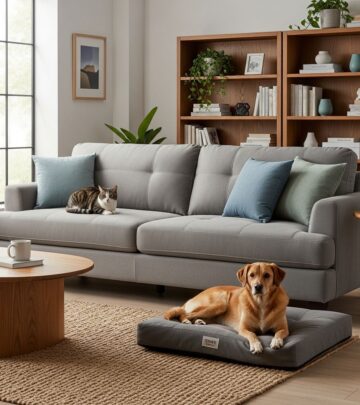
Create a cozy and safe resting area personalized for your pet. Place their favorite toys, blankets, or items with their scent to create a sense of security. Provide comfortable bedding with orthopedic or memory foam features that offer proper support for joints and muscles. Choose bed sizes appropriate for your pet’s breed and size, and place beds in low-traffic, quiet areas where your pet can rest undisturbed.
Pet Supply Stations
Create a dedicated space for your pet’s supplies. Use hooks for leashes, baskets for toys, and cabinets for food and grooming products. Consider furniture-style pet feeding stations in the kitchen that complement your cabinetry. If your home includes a mudroom or utility space, this is perfect for setting up a comprehensive pet care zone.
Window Perches and Activity Areas
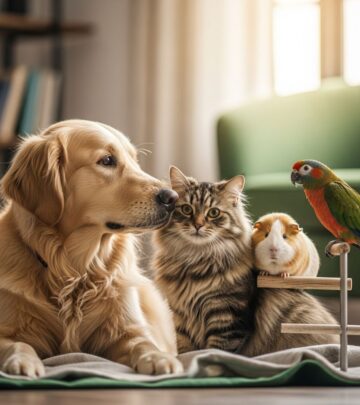
Cats love window perches where they can watch the world go by. Provide safe and comfortable spots that satisfy their curiosity without creating hazards. Set up designated play areas in your living room with toys and scratching posts for cats, or toy boxes and blankets for dogs. For small mammals like rabbits or guinea pigs, custom-built multi-level habitats can be designed to fit neatly into room corners while offering enrichment.
Material Selection for Pet-Friendly Homes
Choosing durable, pet-friendly materials is fundamental to creating both a safe and functional pet-friendly home that maintains its aesthetic appeal.
Flooring Options
Opt for scratch-resistant flooring that can withstand the wear and tear from pet claws. Materials like wood, stone, and ceramic tile are excellent choices. If you choose carpeting, use waterproof carpet padding for accident-prone pets. Avoid delicate fabrics that stain easily and opt for synthetic fibers or leather alternatives that are easier to clean and more resistant to damage.
Furniture and Upholstery
Select stain-resistant fabrics for furniture. Synthetic fibers are superior to delicate fabrics like silk in resisting wear and tear. Choose furniture with sturdy construction and stable bases that won’t tip if pets jump on them. Use anti-scratch tape on upholstered furniture to protect seating while maintaining the design aesthetic.
Layout and Traffic Flow Considerations
How your home is arranged significantly impacts pet safety. Open floor plans and thoughtful furniture placement prevent accidents and create safer environments for pets to move freely.
Think about how your pets move through your home. Wide doorways and clear pathways prevent traffic jams and accidents. Place furniture to create defined routes that your pet can navigate safely. Open-plan living areas allow pets to roam freely while reducing the risk of breaking items. Consider how your pet will access their favorite window perch or sunny spot when arranging furniture.
Maintenance and Cleaning Routines
Maintaining a clean and safe home requires consistent effort and the right tools. Regularly clean areas where pets spend the most time to reduce allergens and potential hazards. Invest in a good vacuum cleaner designed to handle pet hair. Establish a cleaning routine that prevents dirt and debris accumulation. Use appropriate cleaning products that are safe for pets and won’t leave toxic residues.
Frequently Asked Questions
Q: What are the most common household toxins for pets?
A: Common household toxins include chocolate, coffee, onions, grapes, raisins, xylitol (artificial sweetener), medications, cleaning products, pesticides, antifreeze, and certain houseplants. Store these items securely and contact your veterinarian immediately if your pet ingests any toxic substance.
Q: How can I protect my pet from electrical hazards?
A: Secure electrical cords behind furniture or use cord covers attached to baseboards. Use chew-proof cable protectors on exposed wires. Keep all electronics out of reach and teach your pet to avoid electrical outlets. Consider professional help to hide wiring behind walls if you have an aggressive chewer.
Q: What should I include in a pet safety kit?
A: A pet safety kit should include first aid supplies, emergency contact information for your veterinarian, photos of your pet for identification purposes, medications and medical records, food and water dishes, leashes and carriers, blankets and comfort items, and a list of pet-safe plants and foods.
Q: How often should I pet-proof my home?
A: Pet-proofing should be an ongoing process. Conduct a thorough inspection when first bringing a pet home, then perform monthly checks to identify new hazards. Increase vigilance when introducing new pets, as different animals have varying risk profiles and behaviors.
Q: Can I create a pet-safe home without sacrificing style?
A: Absolutely. Modern pet-safe materials and designs are both functional and stylish. Choose durable, attractive materials in colors that hide pet-related wear, incorporate designated pet spaces that complement your decor, and use furniture that combines safety with aesthetic appeal.
References
- Creating a Pet-Friendly Home: Design Tips for Comfort and Safety — Alu Splash. 2025. https://alusplash.com/how-to-create-a-pet-friendly-home-designing-comfort-for-your-furry-friends/
- A Room-By-Room Guide to Pet-Proofing Your Home — Extra Space Storage. 2025. https://www.extraspace.com/blog/home-organization/a-room-by-room-guide-to-pet-proofing-your-home/
- How to Make Your Home Pet Friendly — This Old House. 2025. https://www.thisoldhouse.com/pets/21015549/how-to-make-your-home-pet-friendly
- How to Create a Pet-Friendly Home Without Sacrificing Style — Ashton Woods. 2025. https://www.ashtonwoods.com/inspiringspaces/how-to-create-a-pet-friendly-home-without-sacrificing-style
- Designing a Pet-Friendly and Safe Home: The Ultimate Guide — True Love Pet. 2025. https://truelove-pet.com/designing-a-pet-friendly-and-safe-home-the-ultimate-guide-by-truelove/
- Pet-Friendly Interior Design Tips for a Beautiful, Functional Home — Mayker Interiors. 2025. https://www.maykerinteriors.com/blogs/design-notes/pet-friendly-interior-design-tips-for-a-beautiful-functional-home
- Create a Cozy and Functional Pet-Friendly Home — Taylor Morrison. 2025. https://blog.taylormorrison.com/at-home/create-a-cozy-and-functional-pet-friendly-home/
Similar Articles








Read full bio of medha deb