Pet-Proof Furniture: Protect Your Home Stylishly
Protect your furniture from pet damage with stylish solutions that work.
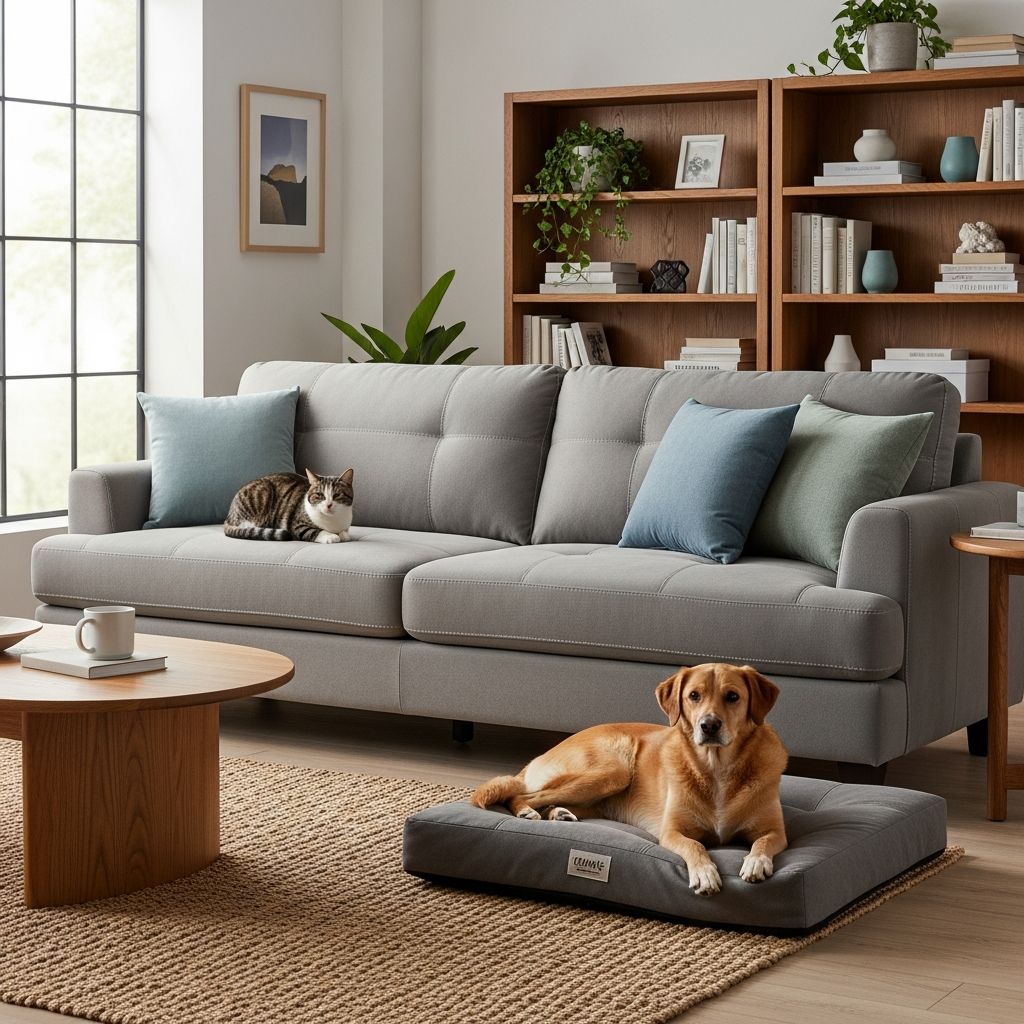
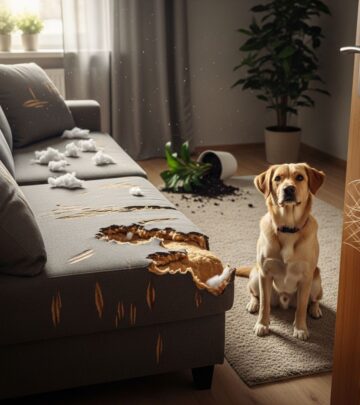
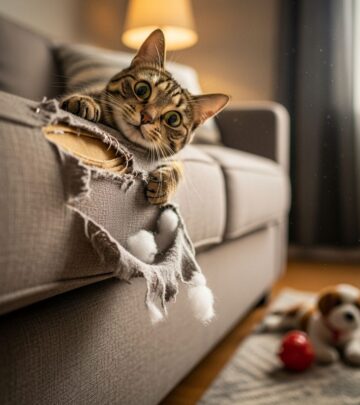
Pet ownership brings joy and companionship, but it can also pose significant challenges to your home furnishings. Whether you have energetic dogs, curious cats, or both, protecting your furniture from scratches, stains, and general wear and tear is essential for maintaining a beautiful living space. The good news is that with the right strategies and products, you can create a pet-friendly home that doesn’t sacrifice style or comfort. This comprehensive guide explores practical solutions to pet-proof your furniture while keeping your furry friends happy.
Choose Pet-Friendly Fabrics and Materials
Selecting the right fabric is one of the most effective ways to protect your furniture investment. Not all materials are created equal when it comes to withstanding pet-related damage.
Best Fabrics for Pet Homes
- Faux Leather: Easy to clean with a damp sponge and soap, faux leather resists punctures and is highly resistant to staining. It’s an excellent choice for households with active pets.
- Microfiber and Microsuede: These synthetic materials are durable, easy to maintain, and don’t attract pet hair the way natural fibers do. They can withstand regular cleaning without deteriorating.
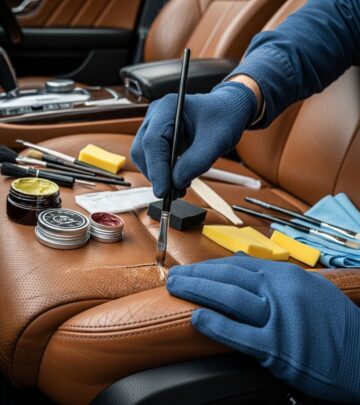
- Leather: Genuine leather is easy to clean and doesn’t collect hair, making it a premium option for pet owners. Keep your pets’ nails trimmed to prevent punctures and scratches.
- Nuvella®: This innovative polyester fabric combines durability with softness, making it suitable for both indoor and outdoor furniture while being pet-friendly and easy to clean.
Fabrics to Avoid
Certain materials are more susceptible to pet damage and should be avoided in pet households:
- Wool: Natural wool attracts and grabs pet fur, making cleanup stubborn and difficult.
- Velvet: This fabric is notoriously attractive to pet hair and difficult to maintain.
- Wicker: It serves as the ultimate scratching post for cats and easily unravels under their claws.
- Sisal and Jute Rugs: While these natural materials are beautiful, cats find them irresistible for scratching, and their textured surfaces catch toenails.
- Loop Pile Carpeting: Loose loop piles can be pulled and damaged by pets more easily than tightly woven alternatives.
- Button Tufting: Pets may be tempted to pull on the buttons, and deep crevices can trap fur and collect debris.
Invest in Protective Barriers and Covers
Beyond fabric selection, using physical barriers and protective covers provides an additional layer of defense for your furniture.
Slipcovers and Throws
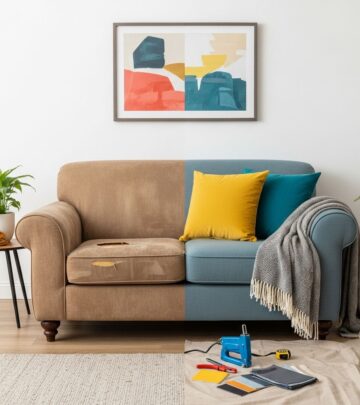
Chic slipcovers that are easy to remove and wash offer a practical solution for protecting sofas and chairs. Machine-washable duvet covers are perfect for protecting beds from pet hair and accidents. Blankets and throws can be placed strategically on furniture to give your pets a designated comfortable spot while protecting the underlying fabric.
Double-Sided Tape
Double-sided tape is an effective deterrent for scratching behavior. When applied to sofa legs and armrests—popular scratching spots—the sticky texture and uncomfortable sensation of the tape pulling at fur or paws discourages pets from continuing to scratch. This method works because pets dislike the sensation and will avoid the area after a few negative experiences.
Furniture Protectors
Consider applying protective coatings like ScotchGuard® to new furniture to add a layer of stain protection. This treatment helps repel liquids and prevents stains from setting, making cleanup easier when accidents happen.
Create Alternative Scratching and Resting Spaces
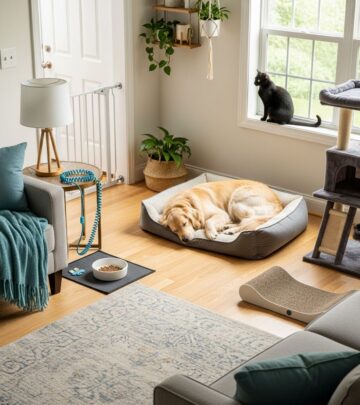
Providing cats and dogs with their own designated areas reduces the likelihood they’ll target your furniture. A well-designed cat scratching post or dog bed serves a dual purpose: it keeps pets happy and protects your home.
Cat Scratching Solutions
Sisal posts and scratchers are proven to be attractive to cats as scratching materials. Providing multiple sisal options throughout your home increases the likelihood that cats will use these instead of your sofa. Consider installing a sisal cat tree, as cats naturally prefer being up high and may choose this as their favorite spot rather than your furniture.
Comfortable Pet Beds
Pets like having a comfortable place to sleep just like humans do. Providing a cozy pet bed of their own encourages them to rest there rather than on sofas and chairs. When your pet attempts to climb on off-limits furniture, gently guide them to their designated bed. Consistency and positive reinforcement make this approach increasingly effective over time.
Select Pet-Proof Flooring Options
Protecting your flooring is equally important as protecting upholstered furniture. Several flooring types are naturally pet-proof and easy to maintain.
Durable Flooring Materials
Polyurethane-finished wood, vinyl, laminate, stone, tiles, and concrete all make for easy cleanup of hair, hairballs, and other pet-related messes. These materials resist scratching and staining better than traditional flooring options. To prevent scratching, keep your pet’s nails trimmed regularly.
Area Rugs for Pet Homes
While vinyl and laminate floors don’t scratch easily, many pets find them uncomfortable and slippery. Adding area rugs improves comfort and style. Synthetic blends such as polypropylene area rugs with low piles are ideal for pet homes. Designer indoor-outdoor rugs offer wonderful durability and are a breeze to clean. Rugs with intricate patterns are particularly effective at hiding stains. Avoid sisal and jute rugs in pet households, as cats find them irresistible for scratching.
Implement Training and Behavioral Strategies
Beyond physical modifications, training your pets is crucial for furniture protection. Well-trained pets are less likely to engage in destructive behaviors.
Training Your Dog
One of the best ways to dog-proof your furniture is to train your dog to stay in its bed or on designated areas of the floor. Consistent training, especially with puppies, prevents chewing habits from developing. Using crates as training tools can restrict your dog’s access to certain areas and prevent furniture damage when you’re unable to supervise.
Crates and Gates
Crates offer another way to restrict your dog’s access to furniture. They serve as training tools and provide pets with a safe space. Baby gates can also prevent pets from entering rooms with valuable furniture when you’re not home to supervise.
Behavioral Deterrents
Sprays designed to deter pets from specific areas can be effective when combined with training. These products make furniture less appealing without harming your pets. Some pet owners report success with unconventional methods like aluminum foil, shock mats, or even cans filled with rocks, though positive training methods are generally more humane and effective long-term.
Maintain Regular Grooming Practices
Preventative grooming is one of the most effective ways to protect your furniture. Regular maintenance reduces hair, prevents odors, and minimizes damage.
Brushing and Combing
Combing and brushing your pets, especially during shedding season, removes excess hair before it lands on your furniture. This practice is beneficial for your pets’ health and keeps fabrics fresh and free of snags. The FURminator, available at major pet store chains, is considered one of the greatest pet-proofing tools on the market. This specialized grooming tool gently pulls up loose undercoat, and pets typically enjoy the process. The amount of excess pet hair it removes can fill grocery bags, making it a worthwhile investment.
Nail Care
Regular nail trims for both cats and dogs are essential for protecting furniture. Shorter nails are less likely to snag fabrics or puncture leather. This simple grooming task significantly reduces scratching damage to upholstered furniture and helps extend the life of your investment.
Bathing Your Pets
Regular baths keep your pets clean and reduce odors that can linger on furniture. This practice also helps maintain healthy skin and coat, which reduces excessive scratching and rubbing against furniture.
Create a Stylish Cat Scratching Post Alternative
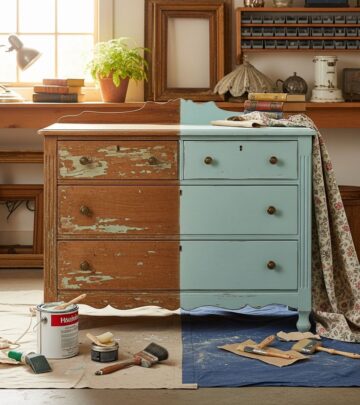
For those who are comfortable with DIY projects, building a multi-functional piece of furniture that serves as a cat scratching post, bed, and side table is an elegant solution. This approach combines functionality with style, allowing the piece to complement your decor while serving your cat’s needs.
A simple frame made from timber wrapped with sturdy rope can be installed around sofa corners to protect vulnerable areas. The rope provides the texture cats need for scratching while protecting the sofa arm. Combining this with a raised shelf area creates a bed space, and a flat top surface serves as a side table. Finishing the piece with stain or paint that coordinates with your existing furniture makes it an attractive accent rather than an obvious pet furniture piece.
Consider Color and Pattern Selection
When choosing upholstery colors and patterns, practical selection can minimize the appearance of pet-related wear.
Strategic Color Choices
If you have a chocolate lab, for example, a brown sofa makes fur far less visible than lighter colors. Medium and darker tones naturally disguise pet hair better than whites, creams, and light grays. This simple choice can make your furniture look cleaner and newer between cleanings.
Intricate Patterns
Patterned upholstery is more effective at hiding stains and discoloration than solid colors. Busy patterns draw the eye away from minor imperfections that inevitably occur with pet ownership.
Frequently Asked Questions
Q: What’s the best fabric for pet owners on a budget?
A: Microfiber and polypropylene are affordable, durable options that resist pet hair and stains. They’re easy to clean and widely available at reasonable prices.
Q: Can I use leather furniture if I have cats?
A: Yes, but keep your cat’s nails trimmed. Leather is naturally resistant to scratching, but sharp nails can puncture it. Regular grooming makes leather a viable option for cat owners.
Q: How often should I groom my pet to protect furniture?
A: Brush or comb your pet 2-3 times weekly, or daily during shedding season. Trim nails every 2-4 weeks depending on growth rate. Regular grooming significantly reduces furniture damage.
Q: Are there any pet-proof fabrics that feel luxurious?
A: Nuvella® polyester and faux leather can feel surprisingly soft and luxurious while remaining highly durable and easy to clean. Microsuede also offers a plush feel with pet-proof durability.
Q: What’s the most effective way to stop scratching behavior?
A: Provide alternative scratching surfaces like sisal posts, use double-sided tape as a deterrent, keep nails trimmed, and reward your pet for using appropriate scratching areas.
Q: Can slipcovers work for preventing all types of pet damage?
A: Slipcovers are effective for protecting against hair and minor stains, but they won’t prevent puncture damage from sharp claws. Combining slipcovers with regular nail trimming provides comprehensive protection.
References
- 5 Ways to Pet Proof Your Home — Ashley Furniture HomeStore. 2024. https://blog.ashleyfurniture.com/5-ways-pet-proof-home/
- 9 Ways to Protect Your Furniture From Pets — Lowe’s. 2024. https://www.lowes.com/n/how-to/protect-furniture-from-pets
- 15 Tips On How To Protect Furniture From Dogs — Transformer Table. 2024. https://transformertable.com/blogs/home-decor/15-tips-on-how-to-protect-furniture-from-dogs
- How to Keep Your Dog or Cat off the Couch — Four Paws. 2024. https://www.fourpaws.com/pets-101/potty-time-and-training/how-to-keep-pets-off-furniture
- How to Cat-Proof Your Sofa Stylishly — CRAFT. 2024. https://www.youtube.com/watch?v=ITkh-bF1t3w
Similar Articles








Read full bio of medha deb