Pet Insurance vs Savings Plan for Vet Bills
Compare pet insurance and dedicated savings plans so you can confidently budget for your pet’s routine care and unexpected vet emergencies.
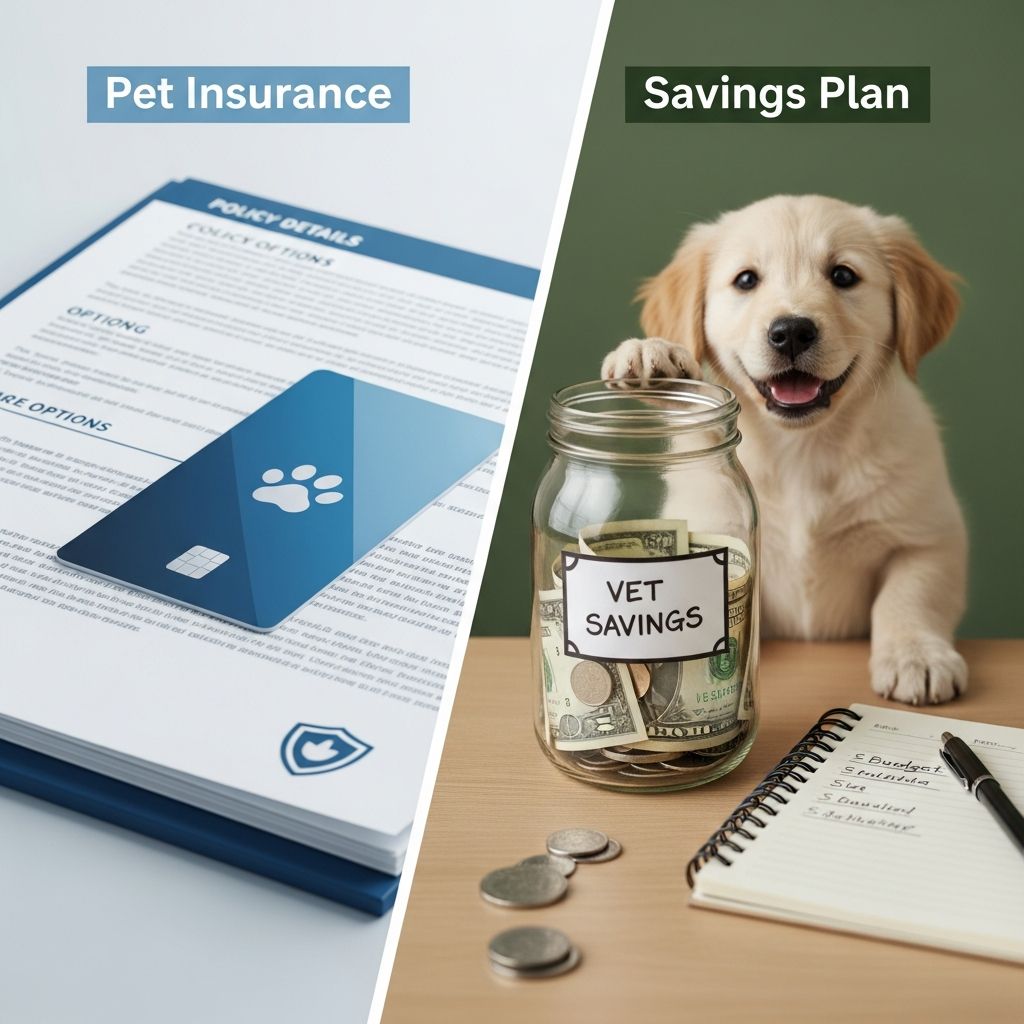
Rising veterinary costs mean every pet parent eventually faces a tough financial decision: should you buy pet insurance, build a dedicated pet savings plan, or use a combination of both to cover vet bills and emergencies? Veterinary expenditures for U.S. households have risen steadily in recent years, reflecting more advanced (and more expensive) treatments now widely available for pets.
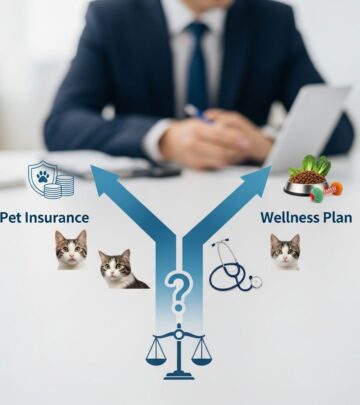
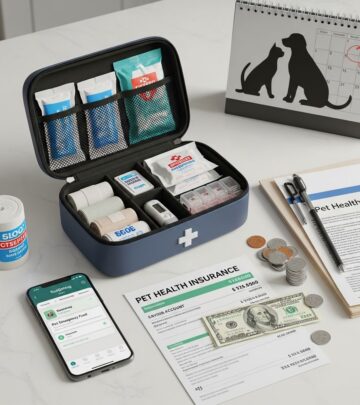
This guide explains how pet insurance and pet savings plans work, what each covers, their pros and cons, and how to decide which approach fits your pet, budget, and risk tolerance.
What Is Pet Insurance?
Pet insurance is a health insurance policy for your dog or cat that helps reimburse eligible veterinary expenses in exchange for a monthly premium. Unlike human health insurance where providers often bill the insurer directly, pet owners usually pay the vet bill up front and then file a claim for reimbursement.
How Pet Insurance Works
Although plan details vary by provider, most pet insurance policies follow a similar structure:
- Monthly premium: A fixed amount you pay to keep coverage active, based on your pet’s species, breed, age, and location.
- Deductible: The amount you must pay out-of-pocket each policy year (or per incident) before reimbursements apply.
- Reimbursement rate: The percentage of covered costs the insurer pays after your deductible (commonly 70%–90%).
- Annual or per-incident limit: A cap on how much the insurer will reimburse in a period, which you typically choose when enrolling.
- Exclusions and waiting periods: Conditions not covered and time frames before coverage begins, especially for illnesses and certain orthopedic issues.
To use the coverage, you pay your vet bill, submit a claim (often via app or online portal), and receive reimbursement by bank transfer or check once the claim is processed.
Types of Pet Insurance Plans
Most insurers offer a few core policy types, sometimes with optional add-ons:
- Accident-only: Covers injuries from accidents such as broken bones, ingesting foreign objects, or being hit by a car. These plans are usually cheaper but do not cover illnesses or chronic conditions.
- Accident and illness: Covers accidents plus a wide range of illnesses, including infections, cancer, and hereditary diseases, subject to policy terms. This is the most common type of coverage.
- Wellness or preventive care add-ons: Optional packages that may reimburse vaccines, annual exams, dental cleanings, or flea and tick prevention. These are often structured more like pre-paid benefits than traditional insurance.
What Pet Insurance Typically Covers
Coverage varies by provider, but accident and illness plans commonly help with:
- Emergency care and hospitalization
- Surgery and anesthesia
- Diagnostic tests (X-rays, bloodwork, ultrasound, MRI)
- Treatment for illnesses (e.g., diabetes, cancer, infections)
- Medications and some prescription diets
- Specialist care (oncologists, cardiologists, etc.)
Most policies exclude pre-existing conditions, cosmetic procedures, breeding-related costs, and typically some routine preventive care unless you purchase an add-on.
What Is a Pet Savings Plan?
A pet savings plan usually means placing money in a separate bank account earmarked for your pet’s current and future veterinary needs. It is not a formal insurance product but a budgeting strategy that relies on disciplined saving rather than risk pooling.
How a Pet Savings Plan Works
A pet savings plan is straightforward:
- You open a dedicated savings account (often a high-yield account) and label it for your pet.
- You deposit money regularly—monthly, per paycheck, or whenever you can.
- When your pet needs veterinary care, you pay directly from the account.
- Any unused funds remain yours and can continue to grow with interest.
There are no premiums, no claims process, and no formal exclusions. You are responsible for saving enough and deciding when and how to spend the money.
Benefits of a Dedicated Pet Savings Account
Financial planners often recommend separate savings buckets to help households budget for irregular but predictable expenses. A dedicated pet account creates mental and practical separation from other goals.
Key advantages include:
- Full control: You choose how much to deposit, when to pause contributions, and which expenses to cover.
- No claim denials: Money is available for any pet-related cost you decide is important, from emergency surgery to training classes.
- Money remains yours: If your pet stays healthy, you keep the savings and any interest, which can be redirected to future pets or other goals.
- Flexibility in tough months: You can temporarily reduce contributions during high-expense periods without risking loss of coverage.
Pet Insurance vs. Savings Plan: Key Differences
Although both strategies aim to help you afford veterinary care, they manage risk in very different ways. The comparison below highlights how they stack up across important dimensions.
| Feature | Pet Insurance | Pet Savings Plan |
|---|---|---|
| Primary purpose | Transfer risk of high, unexpected vet bills to an insurer | Self-fund routine and emergency costs via disciplined saving |
| Cash flow impact | Fixed monthly premium, plus deductibles and copays as needed | Flexible contributions based on your budget |
| Protection from catastrophic costs | High—especially for accidents and major illnesses | Limited by how much you’ve managed to save |
| Use of funds | Restricted to eligible vet expenses per policy terms | Any pet-related cost you choose |
| Risk of “overpaying” | Possible if your pet has few claims and premiums are high | None—unused savings remain yours |
| Pre-existing conditions | Typically excluded from coverage | Always covered, since you pay directly |
Pros and Cons of Pet Insurance
Advantages of Pet Insurance
Pet insurance is designed to protect you from the financial shock of unexpected, high-cost veterinary events.
- Protection against large, sudden vet bills: Emergency surgery, cancer treatment, or intensive care can cost thousands of dollars. Insurance can reimburse a significant portion of these expenses once deductibles and limits are considered.
- Access to advanced care: Knowing you have coverage can make it easier to say yes to recommended diagnostics or specialist care rather than opting for minimal treatment due to cost.
- Predictable monthly budgeting: A premium you can anticipate each month may simplify planning compared with irregular large vet bills.
- Customizable coverage: Many insurers allow you to adjust deductibles, reimbursement rates, and annual limits to match your budget and risk tolerance.
Drawbacks of Pet Insurance
Insurance is not a guaranteed money-saver; it is primarily a risk management tool.
- Total cost may exceed reimbursements: Over your pet’s lifetime, you may pay more in premiums and deductibles than you receive in claims, especially if your pet stays relatively healthy.
- Exclusions and waiting periods: Pre-existing conditions, some hereditary illnesses, and certain procedures may not be covered. Waiting periods mean coverage for accidents and illnesses is not immediate.
- Premiums can rise over time: Costs usually increase as your pet ages or as veterinary fees rise, potentially straining your budget in later years.
- Upfront payment still required: Because most insurers reimburse after the fact, you must be able to pay the vet bill first and wait for repayment.
Pros and Cons of a Pet Savings Plan
Advantages of a Pet Savings Plan
A dedicated savings plan offers flexibility and long-term control over your money.
- Full flexibility and transparency: There are no policy terms to interpret or claims to submit. You know exactly how much money you have available at any time.
- Funds can be used for any pet cost: Routine care, emergency surgery, training, grooming, or boarding can all be paid from the account if you wish.
- Potential to earn interest: Savings kept in an interest-bearing account may grow modestly over time, especially if you begin saving before adopting a pet.
- No risk of denied claims: Your ability to pay is limited only by your balance, not by coverage exclusions or waiting periods.
- Money remains in your control: If your pet has a healthy year, you keep the accumulated funds and can apply them to future needs.
Drawbacks of a Pet Savings Plan
Relying only on savings leaves you fully exposed to very high, unexpected vet bills early in your pet’s life.
- Slow to build: It can take years to accumulate a substantial balance. A serious accident or illness early on could exceed your savings and force difficult choices about care.
- Temptation to use funds for other needs: Without strict discipline, you may dip into the account for non-pet emergencies, leaving less available for veterinary expenses.
- Limited protection from catastrophic events: Even diligent savers may struggle to cover multiple high-cost conditions or repeated surgeries in a short period.
Cost Considerations: Insurance vs. Savings
Choosing between pet insurance and a savings plan often comes down to how you prefer to handle financial risk. A typical scenario helps illustrate the trade-offs.
Imagine you pay a monthly premium for comprehensive accident and illness coverage for your dog. Over a year, you might spend several hundred dollars on premiums. If your dog swallows a foreign object and requires surgery costing several thousand dollars, a policy with a reasonable deductible and high reimbursement rate may cover the majority of that bill after your out-of-pocket share.
By contrast, if you had simply saved that same monthly amount in a bank account, you might have only a fraction of the surgical cost available when the emergency occurs, leaving you responsible for the rest. This example shows how insurance can meaningfully reduce financial strain in high-cost events, even if you might spend more than you get back in years without major claims.
Which Option Is Better for You?
The right approach depends on your financial situation, risk tolerance, and your pet’s health profile.
Pet Parents Who May Prefer Pet Insurance
Pet insurance may be especially useful if you:
- Have a young pet with few or no pre-existing conditions, making coverage more affordable and comprehensive.
- Own a breed prone to hereditary conditions or high-cost health issues.
- Would struggle to pay several thousand dollars at once for an emergency vet visit.
- Want the peace of mind of knowing you can pursue advanced or specialist care if needed.
Pet Parents Who May Prefer a Savings Plan
A dedicated savings account might be a better fit if you:
- Are financially comfortable covering large, unexpected expenses out-of-pocket.
- Prefer flexible contributions rather than a fixed monthly premium.
- Have an older pet with pre-existing conditions that would be excluded from most policies.
- Value being able to use funds for any pet-related cost without restrictions.
Why Combining Both Can Be Powerful
Many pet parents find that a hybrid approach—maintaining both insurance and a savings account—offers the best balance of protection and flexibility.
- Use pet insurance to guard against catastrophic accidents and illnesses.
- Maintain a savings account for deductibles, copays, uncovered services, and routine preventive care.
- Adjust contributions and coverage levels over time as your financial situation and your pet’s health change.
This combination can reduce the risk of facing unaffordable treatment decisions while ensuring you always have some cash available for day-to-day pet needs.
How to Choose the Right Mix for Your Pet
Before deciding, consider these practical steps:
- Estimate typical vet costs for your pet’s age and breed using information from your veterinarian.
- Review your emergency fund: Ask yourself how much you could realistically pay if a multi-thousand-dollar vet bill arose today.
- Compare multiple insurance quotes and pay attention to exclusions, waiting periods, reimbursement rates, and annual limits, not just premiums.
- Set a realistic savings goal for your pet account and automate contributions to build it steadily over time.
- Reevaluate annually as premiums, your income, and your pet’s health status change.
Frequently Asked Questions (FAQs)
Q: Is pet insurance always better than a savings plan?
A: No. Pet insurance is generally better at protecting against large, unexpected vet bills, while a savings plan is better for flexibility and long-term control. The best choice depends on your budget, your pet’s health risks, and how comfortable you are with financial uncertainty.
Q: Can I rely only on a savings plan for vet emergencies?
A: You can, but doing so means you must build a substantial balance before an emergency happens. Because serious accidents or illnesses can occur early in a pet’s life, many owners combine a savings plan with insurance to avoid being underfunded when expensive care is needed.
Q: Do pet insurance plans cover routine care like vaccines and checkups?
A: Standard accident and illness plans do not typically cover routine preventive care. Some insurers sell wellness add-ons that help reimburse vaccines, annual exams, and similar services, but coverage limits and terms vary.
Q: What happens to my savings if my pet stays healthy?
A: Savings in a pet-dedicated account remain yours. You can keep them for future veterinary needs, redirect them to a new pet, or apply them to other financial goals once you are confident your obligations are met.
Q: Is it possible to start with savings and add insurance later?
A: Yes. Some pet parents begin with a savings plan and later add insurance for additional security. Keep in mind, however, that conditions that develop before you purchase coverage are usually considered pre-existing and may not be covered.
References
- What Is Pet Insurance and How Does It Work? — North American Pet Health Insurance Association (NAPHIA). 2023-06-01. https://naphia.org/what-is-pet-insurance/
- Pet Insurance: How It Works and What It Covers — U.S. News & World Report. 2024-02-15. https://www.usnews.com/insurance/pet-insurance/how-pet-insurance-works
- Emergency Savings: Why You Need Them and How to Build Them — Consumer Financial Protection Bureau (CFPB). 2023-04-10. https://www.consumerfinance.gov/consumer-tools/educator-tools/resources-for-teachers/emergency-savings/
- APPA National Pet Owners Survey: Industry Statistics & Trends — American Pet Products Association. 2024-01-01. https://www.americanpetproducts.org/press_industrytrends.asp
Similar Articles








Read full bio of medha deb