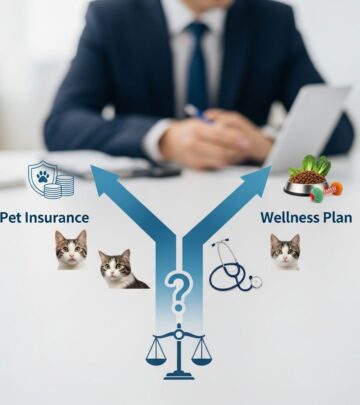
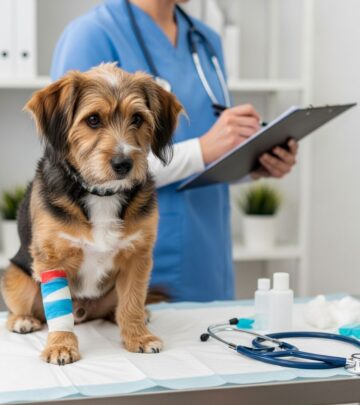
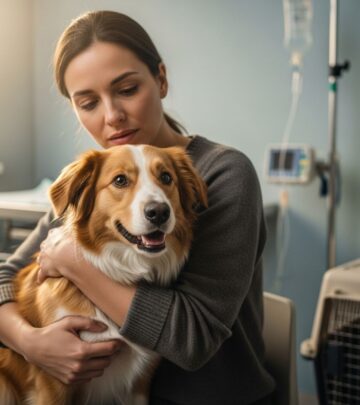
Pet Insurance and Emergency Coverage
Discover how pet insurance safeguards your furry friend during unexpected veterinary crises, easing financial burdens effectively.
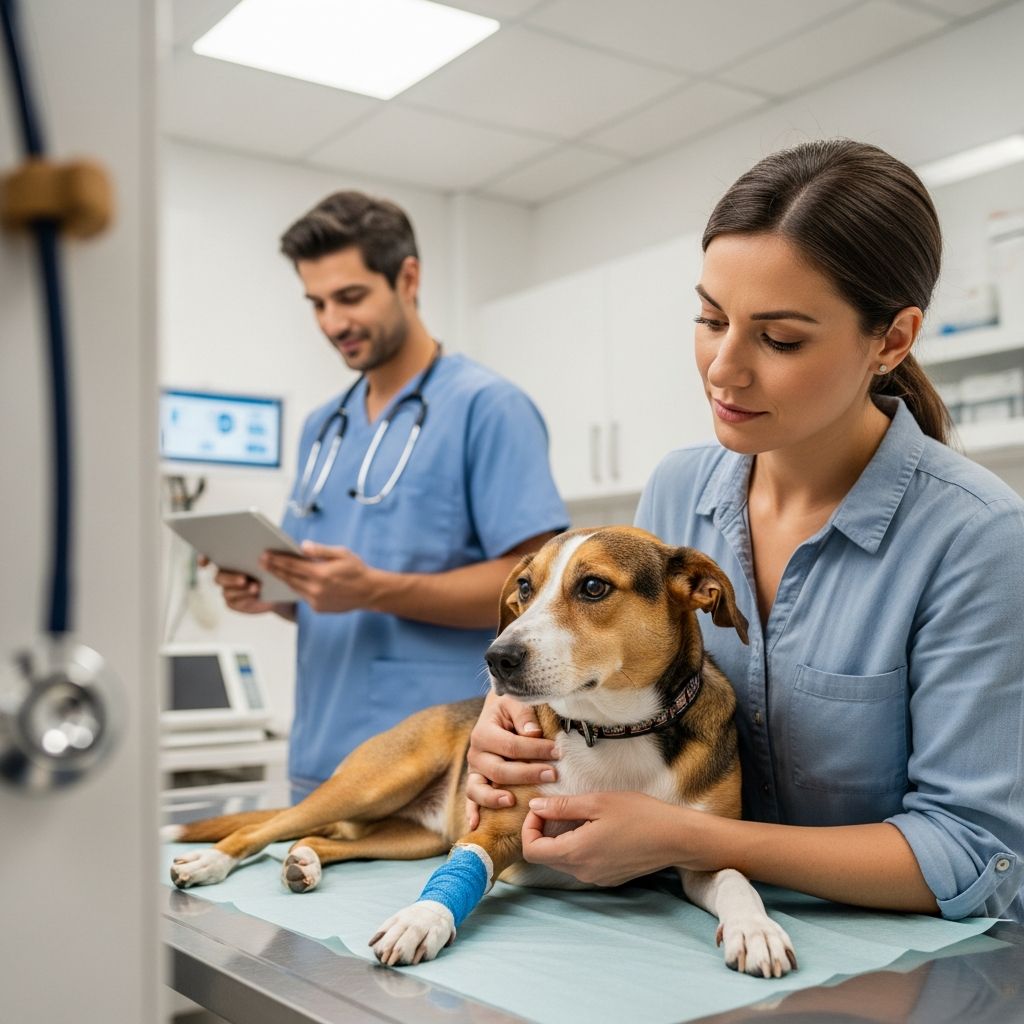
Pet insurance typically covers emergency veterinary care for accidents and sudden illnesses, helping pet owners manage high costs associated with urgent treatments like surgeries, diagnostics, and hospitalizations.
Understanding Emergency Coverage in Pet Policies
Most pet insurance plans are structured to address unforeseen health crises, providing financial relief when pets face sudden injuries or acute conditions. Coverage often extends to a variety of services essential for stabilization and recovery during these critical moments.
For instance, if a pet suffers from trauma such as a fall or collision, the policy may reimburse expenses for immediate interventions. This design allows owners to focus on their pet’s well-being rather than immediate payment concerns.
Common Emergencies Covered by Policies
Pet insurance generally includes protection against a broad spectrum of urgent scenarios. Here are key examples:
- Traumatic injuries from accidents, including fractures and wounds.
- Ingestion of toxins or foreign objects requiring surgical removal.
- Severe gastrointestinal issues like persistent vomiting or bloat.
- Respiratory distress or allergic reactions needing prompt care.
- Bite wounds from animal altercations or fights.
These incidents highlight the policy’s role in covering diagnostics such as X-rays, blood tests, and ultrasounds, alongside treatments like medications and overnight monitoring.
Services Included in Emergency Claims
Beyond initial treatment, comprehensive plans often encompass follow-up care to ensure full recovery. This can involve:
- Surgical procedures, both orthopedic and soft tissue.
- Hospitalization for intensive observation.
- Prescription drugs and rehabilitation therapies.
- Advanced imaging and lab work for accurate diagnosis.
Understanding these inclusions helps owners anticipate what the policy will offset during a crisis.
Key Exclusions and Limitations
Not all emergencies qualify for reimbursement. Policies commonly exclude:
- Pre-existing conditions: Any issue showing symptoms, diagnosed, or treated before the waiting period ends.
- Intentional harm, neglect, or injuries from fights in some cases.
- Conditions arising during the initial waiting period, typically 14-30 days.
- Bilateral issues if one side was pre-existing.
Hereditary emergencies or alternative treatments like acupuncture may have variable coverage depending on the provider.
How Reimbursement Works for Vet Bills
Pet owners usually pay upfront at the vet and submit claims for later reimbursement. The payout depends on policy terms:
| Policy Feature | Description | Example Impact |
|---|---|---|
| Deductible | Amount paid out-of-pocket before coverage starts | $500 deductible on $2,000 bill leaves $1,500 eligible |
| Co-insurance | Percentage reimbursed after deductible | 80% co-insurance reimburses $1,200 of eligible $1,500 |
| Annual Limit | Maximum yearly payout | $10,000 cap prevents excess claims |
This structure, as seen in customizable plans, ensures tailored financial protection.
Average Costs of Pet Emergencies
Emergency vet visits can escalate quickly. Typical expenses include:
- Basic exam and diagnostics: $200-$500
- Surgery: $1,500-$5,000+
- Hospital stay: $500-$2,000 per night
- Toxicity treatment: $500-$3,000
Insurance mitigates these by reimbursing a substantial portion post-deductible, preventing debt accumulation.
Factors Influencing Coverage Levels
Policy choices significantly affect emergency benefits:
- Accident-only vs. Comprehensive: Former covers injuries; latter includes illnesses.
- Waiting periods: Shorter for accidents, longer for illnesses.
- Customization options: Higher premiums yield better reimbursement rates.
Reviewing medical history during enrollment flags exclusions early.
Steps to File an Emergency Claim
- Seek immediate vet care without delay.
- Pay the bill and obtain detailed invoices, records.
- Submit claim via app, online portal, or mail within policy timeline (often 30-90 days).
- Receive reimbursement directly, typically 5-14 days post-approval.
Efficient processes from providers streamline this, minimizing stress.
Choosing the Right Pet Insurance Plan
To maximize emergency protection:
- Compare quotes from multiple insurers for coverage breadth.
- Opt for no lifetime limits and high annual caps.
- Select flexible deductibles matching your budget.
- Verify 24/7 vet helplines for pre-approval advice.
Plans evolve, so annual reviews ensure ongoing suitability.
Real-Life Scenarios and Outcomes
Consider a dog hit by a car: X-rays ($300), surgery ($3,000), hospitalization ($1,000) total $4,300. With $250 deductible and 90% reimbursement, owner pays ~$625 out-of-pocket.
Or a cat with poisoning: Treatment $1,800. Same policy covers $1,387 after deductible, saving thousands.
Alternatives and Complementary Strategies
While insurance is primary, build an emergency fund for deductibles. Wellness add-ons cover preventives, reducing overall risks. Some employers offer pet benefits.
Frequently Asked Questions
Does pet insurance cover emergency surgery?
Yes, comprehensive or accident policies typically cover necessary emergency surgeries after deductible.
What if my pet has a pre-existing condition?
Related emergencies are excluded; unrelated new issues may qualify.
Can I use any vet for emergencies?
Most plans allow any licensed vet, with direct pay options at some.
How soon after signup does coverage start?
Accidents often immediate or short wait; illnesses 14+ days.
Is there a cap on emergency reimbursements?
Annual or per-incident limits apply; unlimited options exist at higher cost.
References
- Does Pet Insurance Cover Emergency Visits? — Lemonade. 2023. https://www.lemonade.com/pet/explained/does-pet-insurance-cover-emergency-visits/
- Does Pet Insurance Cover Emergency Vet Visits? — Embrace Pet Insurance. 2023. https://www.embracepetinsurance.com/research/pet-insurance-cover-emergency-vet-visits-surgery
- Does Pet Insurance Cover Emergencies? — Experian. 2023. https://www.experian.com/blogs/ask-experian/does-pet-insurance-cover-emergencies/
- Do Pet Insurance Plans Cover Emergency Visits? — Progressive. 2023. https://www.progressive.com/answers/pet-insurance-emergency-visits/
- Does Pet Insurance Cover Emergencies Surgeries? — Allstate. 2025-01. https://www.allstate.com/resources/pet-insurance/emergencies
Similar Articles








Read full bio of Sneha Tete