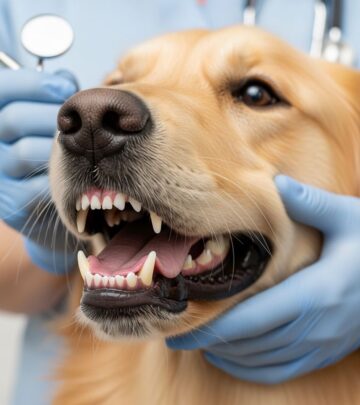
Pet Insurance and Dental Coverage
Discover how pet insurance handles dental care for your furry companions, from accidents to illnesses and routine maintenance.

Pet insurance often includes dental coverage within accident and illness policies, helping offset costs for treatments like extractions, root canals, and gum disease management, though routine cleanings typically require add-ons.
Understanding Dental Coverage in Pet Policies
Most comprehensive pet insurance plans bundle dental protection into their core accident and illness components rather than offering it separately. This means coverage activates for unexpected injuries or diseases affecting the mouth, such as fractured teeth from chewing hard objects or infections leading to abscesses. Coverage levels differ by provider; some extend to every adult tooth for issues like periodontal disease, while others limit it to specific scenarios.
For instance, policies generally reimburse diagnostics like X-rays, surgical interventions, medications, and extractions when tied to covered events. Accident-only plans narrow this to trauma-related incidents, excluding illnesses. Providers like Fetch emphasize broad protection, including tumors and advanced periodontal conditions, setting them apart from more restrictive options.
Common Dental Issues Covered by Insurance
Pets face numerous oral health challenges that insurance can address. Broken or chipped teeth from play or fights often qualify under accident provisions, leading to coverage for repairs or removals. Gum-related problems, including gingivitis and periodontitis, receive support in illness-inclusive plans, covering antibiotics, cleanings tied to disease, and surgeries.
- Tooth fractures and luxations: Reimbursed for diagnostics, extractions, or restorations after trauma.
- Gum disease progression: Treatments for gingivitis, stomatitis, and advanced periodontitis, including scaling.
- Abscesses and infections: Drainage, antibiotics, and follow-up care.
- Oral tumors or growths: Surgical removal and related therapies in comprehensive plans.
- Root canals and crowns: For salvageable teeth post-injury or disease.
These conditions underscore why early policy enrollment matters, as pre-existing issues remain uncovered.
Distinguishing Accident from Illness Coverage
| Type | What’s Covered | Examples | Typical Providers |
|---|---|---|---|
| Accident-Only | Trauma to teeth/gums | Fractures from bones/rocks, fight injuries | Basic plans from various insurers |
| Accident & Illness | Injuries + diseases | Gum disease, abscesses, tumors | Fetch, MetLife, Trupanion |
| Wellness Add-Ons | Routine/preventive | Annual cleanings, exams | Lemonade, ASPCA |
Accident coverage handles sudden events like a tooth knocked loose in a car accident, including X-rays and pain relief. Illness extensions tackle chronic issues like stomatitis, often requiring proof of medical necessity. Wellness riders focus on prevention, reimbursing tartar removal to avert escalation.
Routine Dental Care: Add-On Necessities
Standard policies exclude preventive cleanings, as they’re deemed routine rather than illness-driven. Add-ons from providers like Lemonade or MetLife bridge this gap, covering annual procedures involving anesthesia, scaling, and polishing. These often come without deductibles for young pets and may include pre-existing coverage in premium versions.
Vets recommend yearly cleanings for most dogs and cats to combat tartar buildup, a precursor to severe disease. Without insurance, costs range from hundreds to thousands, making add-ons a wise investment for proactive owners.
Provider Comparison: Dental Strengths
Selecting a plan involves scrutinizing dental specifics. Fetch stands out for covering all adult teeth against injury and disease, including periodontal issues and oral surgeries. Lemonade’s riders extend to illnesses and cleanings, with options for young pets.
- Prudent Pet: Includes crowns, gingivitis treatments, root canals in base plans.
- Spot: Covers accidents/illnesses but excludes some neglect-related conditions.
- MetLife: Handles periodontal disease, abscesses, endodontics under standard coverage.
- Trupanion: Comprehensive for fractures, extractions, advanced dentistry.
- ASPCA: Illness-driven cleanings and extractions; routine via preventive add-on.
Annual limits apply, but dental falls under overall caps in many cases.
Exclusions and Limitations to Know
Not everything qualifies. Pre-existing conditions, like ongoing tartar or decay noted before enrollment, stay out-of-pocket. Cosmetic work, such as whitening or braces, lacks reimbursement everywhere. Prescription diets for dental health often don’t count.
Waiting periods delay coverage for new illnesses, and policies demand adherence to preventive vet advice to avoid denials for neglect-linked issues. Deciduous tooth removal covers only if medically necessary.
Cost Factors and Financial Planning
Dental treatments escalate quickly: a basic cleaning might hit $500, while root canals or multiples extractions exceed $2,000. Insurance reimburses 70-90% post-deductible, easing burdens. Factors like breed (small dogs prone to resorption) and age influence risks and premiums.
Enrolling puppies or kittens maximizes value, sidestepping pre-existing exclusions as issues arise later.
Preventive Strategies Beyond Insurance
Complement coverage with brushing using pet-safe toothpaste, dental chews, and diet tweaks. Regular vet checks catch problems early, potentially qualifying more for reimbursement. These habits reduce claims while maintaining health.
Frequently Asked Questions
Does pet insurance cover broken teeth?
Yes, most accident-inclusive plans cover fractures from trauma, including extractions or repairs.
Is periodontal disease covered?
Comprehensive illness plans often include it, covering treatments like cleanings and surgery.
What about routine cleanings?
Typically via wellness add-ons, not base policies.
Are pre-existing dental issues covered?
No, unless specified in premium riders for new policies on young pets.
How much does dental work cost without insurance?
From $300 for cleanings to over $1,500 for complex procedures.
Maintaining Your Pet’s Oral Wellness
Proactive dental care integrates insurance with daily routines. Schedule checkups, monitor for bad breath or swelling, and choose plans aligning with your pet’s risks. This holistic approach safeguards smiles and finances alike.
References
- Pet Dental Insurance Explained: What Is It and How Does It Work? — Rover. 2023. https://www.rover.com/blog/dental-pet-insurance-explained/
- Does Pet Insurance Cover Dental Care? — Lemonade. 2024. https://www.lemonade.com/pet/explained/pet-insurance-cover-dental/
- Pet Dental Insurance: What’s Covered? — MetLife Pet Insurance. 2024. https://www.metlifepetinsurance.com/blog/pet-insurance/pet-dental-insurance/
- Does Pet Insurance Cover Dental Care for Dogs and Cats? — State Farm. 2024. https://www.statefarm.com/simple-insights/family/does-pet-insurance-cover-dental
- Does Pet Insurance Cover Dental? — Pawlicy Advisor. 2024. https://www.pawlicy.com/blog/pet-dental-insurance-plans/
- The most complete dental coverage for your pet — Fetch Pet Insurance. 2024. https://www.fetchpet.com/pet-insurance/dental-coverage
- Pet Insurance For Dental Care — ASPCA Pet Health Insurance. 2024. https://www.aspcapetinsurance.com/research-and-compare/pet-insurance-basics/pet-insurance-for-dental-care/
Similar Articles








Read full bio of Sneha Tete