Pet Dental Insurance: What It Covers and Why It Matters
Understand how pet dental insurance works, what it covers, and how it can reduce the cost of vital oral care for your cat or dog.
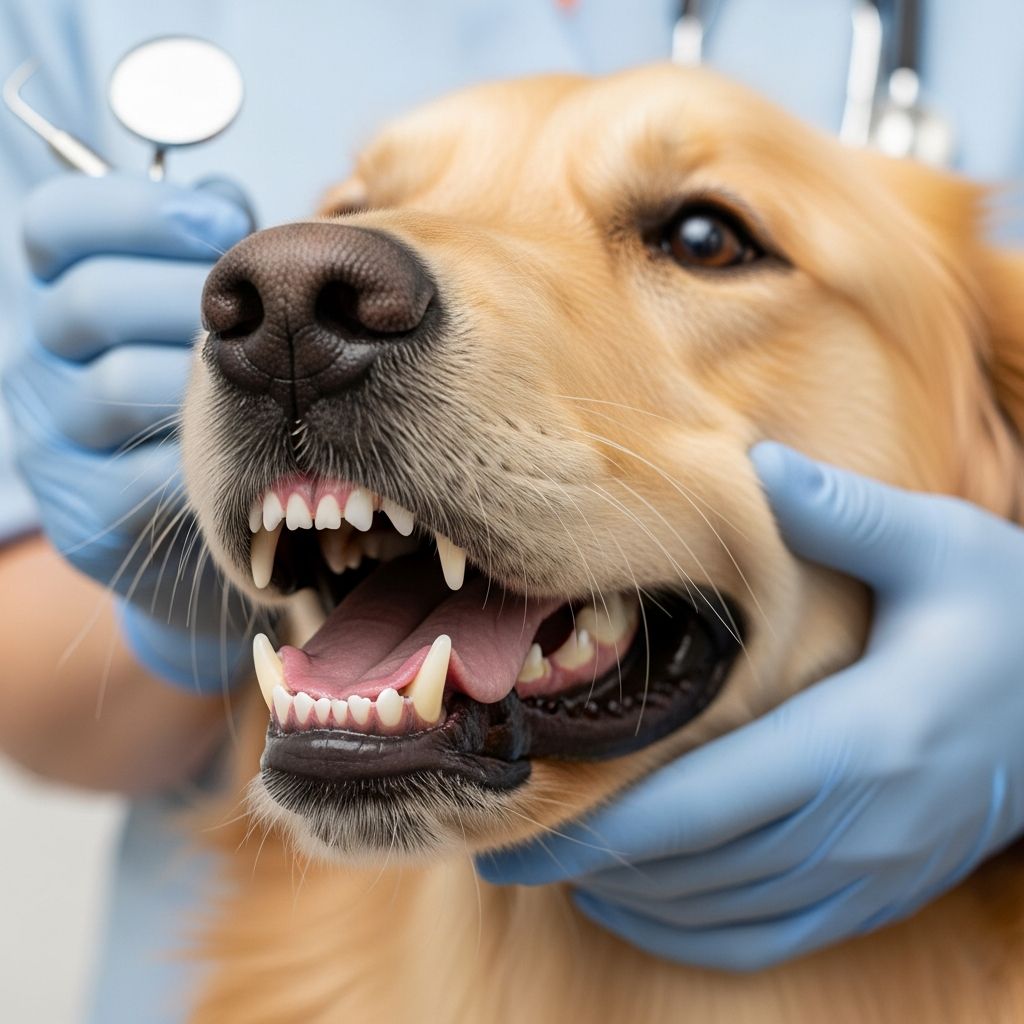
Your pet’s mouth does far more than chew food. Healthy teeth and gums are closely tied to overall health, and untreated dental disease can lead to pain, infection, and complications affecting the heart, kidneys, and other organs.1 At the same time, veterinary dental procedures can be expensive, especially when anesthesia, X-rays, and surgery are required. That is where pet dental insurance comes in: it helps offset the cost of medically necessary dental care for your dog or cat so you can focus on treatment instead of the bill.
This guide explains how pet dental insurance works, the kinds of treatments it usually covers, what is commonly excluded, and how to evaluate plans if you are considering adding dental protection for your pet.
Why Dental Care for Pets Matters
Dental disease is one of the most common health issues in companion animals. Veterinary organizations report that by the age of three, a majority of dogs and cats show signs of periodontal disease, an inflammatory condition affecting the tissues around the teeth.2 When plaque and tartar are not removed, bacteria can accumulate, causing gingivitis, tooth loss, and even systemic infection.
Good pet dental care has two pillars:
- Preventive care such as professional cleanings, oral examinations, and at-home brushing to reduce plaque and tartar.
- Treatment of disease or injury, including extractions, root canals, and surgery when necessary.
Pet dental insurance primarily helps with the treatment side of the equation, although some plans also offer partial support for preventive services through wellness or dental add-ons.
What Is Pet Dental Insurance?
In most cases, there is no stand-alone “dental-only” insurance for pets. Instead, dental coverage is built into standard accident and illness pet insurance policies, sometimes with separate limits or conditions.5 A typical policy reimburses a percentage of eligible veterinary expenses after you meet a deductible. When dental benefits are included, those rules also apply to qualifying dental procedures.
Common structures include:
- Comprehensive (accident and illness) plans that cover dental disease and dental trauma, subject to policy terms.5
- Accident-only plans that may cover fractured or broken teeth resulting from an accident but not dental disease.5
- Wellness or preventive care add-ons that can reimburse routine cleanings or dental checkups up to a set allowance.45
Because insurers differ significantly in how they handle oral health, reading the dental section of any policy is critical before you enroll.
Common Dental Problems in Dogs and Cats
Understanding what can go wrong with your pet’s teeth helps clarify why insurance for dental care can be valuable. Veterinarians commonly diagnose:
- Periodontal disease: infection and inflammation of the tissues surrounding the tooth, often beginning as gingivitis and progressing to bone loss and tooth loss if untreated.1
- Gingivitis: early-stage inflammation of the gums, usually caused by plaque buildup.
- Fractured, chipped, or broken teeth: can occur when pets chew hard objects, suffer a fall, or are in an accident.
- Tooth resorption in cats: a painful process where the tooth structure breaks down and is gradually resorbed.
- Retained baby teeth and malocclusions: developmental issues that can interfere with normal bite function.
- Oral tumors or masses: benign or malignant growths that require diagnostic testing and sometimes surgery.
These problems may require diagnostics such as dental X-rays, anesthesia, extractions, restorative work, or even advanced procedures like root canal therapy. Costs rise quickly when multiple teeth are involved or when specialized equipment and expertise are needed.34
What Pet Dental Insurance Typically Covers
Dental benefits vary by insurer, but most comprehensive accident and illness policies provide some coverage for medically necessary dental care. According to major providers and consumer information sources, common covered items include:345
- Treatment of dental disease, such as periodontal disease, gingivitis, and tooth resorption, when not pre-existing.
- Dental injuries caused by accidents, including broken or fractured teeth from trauma.
- Extractions when a tooth cannot be saved or poses a health risk.
- Medication related to dental procedures, such as pain relief or antibiotics.
- Diagnostic tests, including X-rays or imaging directly tied to covered dental treatment.
- Oral surgery related to covered conditions, including mass removal or repair after trauma.
Some policies offer more extensive dental benefits than others. A few providers advertise coverage for every adult tooth and for a wider list of dental illnesses, while others impose sub-limits—for example, capping dental reimbursements at a certain amount per year or per policy term.12
Medically Necessary vs. Routine Care
Insurers draw an important line between procedures considered medically necessary (to treat active disease or injury) and routine or preventive care such as scaling and polishing. Standard accident and illness plans usually focus on medically necessary treatment, while preventive services may require a wellness rider or a specific dental add-on.45
| Type of Dental Service | Example Procedures | How It Is Commonly Covered |
|---|---|---|
| Accident-related care | Repair or extraction of broken teeth after trauma | Often covered by accident-only and comprehensive plans if not pre-existing.56 |
| Disease-related treatment | Periodontal therapy, extractions due to infection | Typically covered under comprehensive plans, subject to policy terms and dental history.35 |
| Routine cleanings | Annual scaling and polishing | Often excluded from base policies; may be reimbursed through wellness or preventive add-ons.45 |
| Cosmetic dentistry | Purely cosmetic corrections, teeth whitening | Generally not covered, as they are not medically necessary. |
What Pet Dental Insurance Usually Does Not Cover
Just as important as knowing what is covered is understanding common exclusions. Many pet dental insurance benefits come with conditions such as minimum age requirements, pre-enrollment dental exams, or proof of regular dental care. In addition, insurers frequently exclude:
- Pre-existing dental conditions that were present or documented before the policy’s effective date.45
- Routine dental cleanings unless you purchase a wellness or preventive add-on.
- Cosmetic or elective procedures that are not medically necessary.
- Procedures due to lack of routine care, if the policy requires proof of regular cleanings and you cannot provide it.5
- Non-veterinary services, such as grooming-only tooth brushing, unless specifically defined as eligible under a wellness plan.
Some plans place separate annual caps on dental benefits, which means dental reimbursements may stop once you hit a set limit, even if you have remaining overall coverage for other conditions.2
How Dental Coverage Works in Pet Insurance Policies
While terminology can vary by company, most pet dental insurance follows the same general mechanics as other veterinary coverage:
- You pay a monthly or annual premium for your policy.
- You choose an annual deductible, such as $200 or $500. You are responsible for covered costs up to that amount each year.
- After you meet the deductible, the insurer reimburses a percentage of eligible expenses, often 70%, 80%, or 90% of the veterinary bill, up to your plan’s limits.4
- You may also face annual or per-condition maximums for payouts, including separate caps for dental care in some policies.
For dental care specifically, many providers require your pet to be a certain age, pass an initial oral exam, or show proof of ongoing dental maintenance to remain eligible for full benefits. These conditions are designed to encourage prevention and reduce claims that stem from long-standing neglected disease.35
Costs of Veterinary Dental Care
Performing dental work safely on animals typically requires general anesthesia, professional equipment, and trained staff, which is why dental procedures can be among the more expensive routine or corrective interventions in veterinary medicine.34 While exact prices vary by location and clinic, costs may include:
- Anesthesia and monitoring during the procedure.
- Dental X-rays to evaluate roots and bone.
- Scaling, polishing, and irrigation to remove tartar and plaque.
- Extractions, sutures, and pain management when diseased teeth are removed.
Insurance is designed to soften the impact of these costs, particularly when numerous extractions or advanced treatments are needed. Instead of paying the entire amount out of pocket, you submit a claim and receive reimbursement according to your plan’s terms.
Benefits of Having Pet Dental Insurance
Deciding whether dental coverage for pets is “worth it” depends on your budget, your pet’s age and breed, and your tolerance for unexpected expenses. Research and insurer data highlight several potential benefits:246
- Financial protection: Helps manage the cost of accident-related injuries or dental disease that might otherwise require a large lump-sum payment.
- Earlier treatment: Knowing that part of the bill will be reimbursed may make you more likely to approve recommended dental care before conditions worsen.
- Support for complex cases: Serious dental issues, such as advanced periodontal disease or oral tumors, may require surgery and follow-up visits, which can be partly offset by insurance.
- Peace of mind: Insurance can provide reassurance that you have a plan for handling dental emergencies, like a broken tooth that suddenly needs surgical repair.
While coverage cannot prevent disease, it can help ensure cost is less of a barrier when your veterinarian recommends necessary oral care.
How Wellness and Preventive Add-ons Support Dental Health
Most base pet insurance policies do not pay for routine dental cleanings, even though veterinarians widely recommend annual cleanings to control plaque and gingivitis.6 To bridge this gap, some companies offer wellness or preventive care add-ons that provide:
- An annual allowance that can be applied toward professional dental cleaning.
- Partial reimbursement for dental exams, dental sealants, or other related services.
- Support for routine care that helps detect disease early, reducing the risk of more severe problems later.
These add-ons cost extra but can be useful if you are committed to regular preventive dentistry and want predictable coverage for those services as part of your pet health budget.45
Tips for Choosing a Pet Dental Insurance Plan
Because coverage can differ drastically from one insurer to another, careful comparison is essential. When evaluating dental benefits, consider the following points:
- Scope of dental coverage: Does the policy cover only dental accidents, or both accidents and disease? Are all adult teeth covered, or just canines?15
- Annual or per-condition caps: Is there a separate limit for dental claims, and if so, is it high enough for complex procedures?
- Requirements for eligibility: Does your pet need a documented dental exam or proof of cleanings before coverage begins?
- Waiting periods: How long after enrollment must you wait before dental benefits start?
- Exclusions and fine print: Are pre-existing dental issues excluded? Are there cosmetic or orthodontic exclusions?
- Optional wellness coverage: Can you add a preventive plan if you want help paying for routine cleanings?
It can also be helpful to speak with your veterinarian about your pet’s specific risk factors—such as breed, age, or prior dental history—so you have a realistic sense of which benefits are most important to you.
At-Home Dental Care and Prevention
Insurance is only part of a broader strategy for maintaining your pet’s oral health. Veterinary authorities strongly emphasize preventive care, including:
- Regular professional cleanings at intervals recommended by your veterinarian.16
- Daily or frequent tooth brushing at home with pet-safe toothpaste.
- Dental diets, treats, or chews that have been evaluated for plaque and tartar control.
- Routine oral exams to spot bad breath, red or bleeding gums, loose teeth, or changes in chewing behavior.
Good prevention can reduce the number and severity of dental procedures your pet needs over time. However, given the high prevalence of periodontal disease and accidental injuries involving the mouth, insurance can still provide meaningful financial support when treatment becomes necessary.
Frequently Asked Questions (FAQs)
Q: Does pet insurance cover dental cleanings?
A: Standard accident and illness pet insurance policies generally do not cover routine dental cleanings, although many insurers offer separate wellness or preventive care plans that can reimburse a portion of the cost of annual cleanings and dental checkups.45
Q: Are dental diseases like periodontal disease covered?
A: In comprehensive pet insurance plans, treatment for dental diseases such as periodontal disease or gingivitis is often covered as long as the condition is not pre-existing and you meet any dental care requirements outlined in the policy, such as regular exams or cleanings.35
Q: Is dog or cat dental insurance worth the cost?
A: Many pet owners find dental coverage useful because dental problems are common, can be painful, and may require costly procedures. Insurance can help balance the financial impact of unexpected dental disease or accidents, especially in older pets or breeds prone to dental issues.246
Q: Can I buy dental-only insurance for my pet?
A: Stand-alone dental-only policies are rare. Dental benefits are typically included or added to broader pet insurance packages, such as comprehensive accident and illness coverage with optional wellness or dental riders.5
Q: What can I do to keep my pet’s dental care costs down?
A: Following your veterinarian’s recommendations for preventive care—including regular cleanings, home brushing, and early treatment of any signs of disease—can reduce the need for extensive dental procedures. Combining this approach with an appropriate insurance plan can further limit out-of-pocket expenses.
References
- Periodontal Disease in Dogs — American Veterinary Medical Association. 2020-02-10. https://www.avma.org/resources/pet-owners/petcare/periodontal-disease-dogs
- Periodontal Disease in Dogs and Cats — The Animal Foundation. 2023-01-05. https://animalfoundation.com/whats-going-on/blog/periodontal-disease-dogs-and-cats
- Pet Insurance For Dental Care — ASPCA Pet Health Insurance. 2023-06-01. https://www.aspcapetinsurance.com/research-and-compare/pet-insurance-basics/pet-insurance-for-dental-care/
- Pet Dental Insurance: What’s Covered? — MetLife Pet Insurance. 2024-03-15. https://www.metlifepetinsurance.com/blog/pet-insurance/pet-dental-insurance/
- Does Pet Insurance Cover Dental Care? — Progressive. 2022-11-18. https://www.progressive.com/answers/does-pet-insurance-cover-dental/
- Does Pet Insurance Cover Dental Care? — Lemonade Insurance. 2024-01-20. https://www.lemonade.com/pet/explained/pet-insurance-cover-dental/
Similar Articles








Read full bio of medha deb