Pet Damage and Renters Insurance Coverage
Discover how renters insurance handles pet-related damages, from liability protection to exclusions, and tips for pet owners to stay protected.

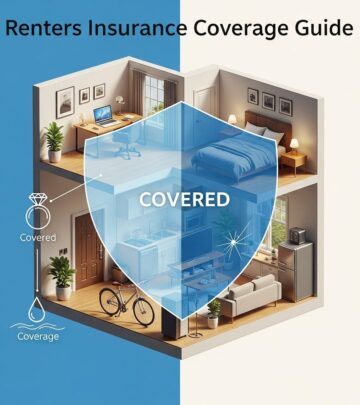
Renters insurance provides crucial protection for tenants, but when pets are involved, coverage becomes nuanced. Standard policies typically shield against liability for injuries or damage your pet causes to others, yet they exclude harm to your own belongings or rental space. This distinction helps pet owners navigate potential financial risks effectively.
Understanding the Basics of Renters Insurance for Pet Owners
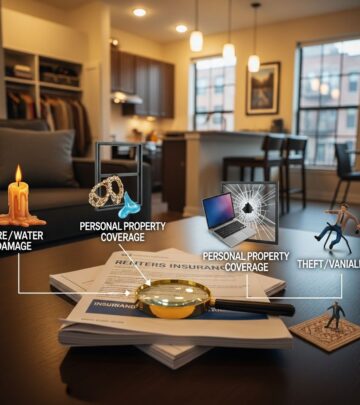
Renters insurance combines personal property protection and liability coverage into an affordable package. Personal property coverage reimburses losses from events like fire, theft, or storms, but pet-inflicted destruction falls outside this scope. Liability coverage, however, steps in for third-party claims, making it vital for responsible pet guardianship.
Pet owners must review policy fine print, as insurers vary in handling animal-related incidents. Core components include limits on payouts, typically ranging from $100,000 to $300,000 for liability, which can cover medical bills or repairs if your pet harms a visitor or neighbor’s assets.
What Counts as Covered Pet Liability?
Liability protection activates when your pet injures non-household members or damages external property. Common scenarios include:
- A dog bite requiring hospital treatment for a guest.
- Your cat clawing a visitor’s clothing or furniture.
- A pet knocking over and breaking a neighbor’s outdoor decoration.
These events trigger coverage for legal defense, settlements, and compensation up to policy limits. For instance, if a pet chews through a friend’s garden fence, repairs might qualify.
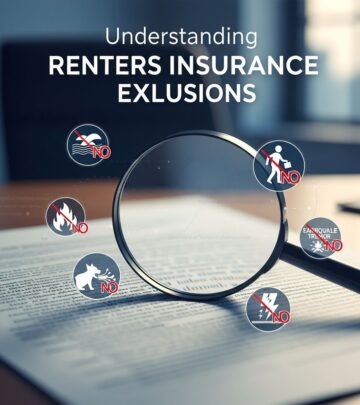
Common Exclusions: When Pet Damage Isn’t Covered
Most policies draw a clear line: no reimbursement for pet damage to your possessions or the rental unit itself. Examples abound:
- Chewed furniture, scratched floors, or shredded curtains in your home.
- Claw marks on landlord-owned carpets or walls.
- Injuries to household residents, like a family member bitten by the dog.
Landlords often mitigate this through pet deposits, which cover repairs post-tenancy. Pets aren’t classified as ‘named perils’ like fire or vandalism, so self-inflicted or intra-home damages remain your responsibility.
Breed and History Restrictions in Policies
Insurers frequently blacklist certain dog breeds deemed higher risk, such as pit bulls or Rottweilers, excluding them from liability even for third parties. Dogs with bite histories face similar denials. Cats, birds, or exotic pets might encounter breed-agnostic exclusions or require special riders.
To illustrate policy variations:
| Pet Type | Typical Coverage | Common Exclusions |
|---|---|---|
| Dogs (standard breeds) | Liability for others | Own property, aggressive breeds |
| Cats | Liability for scratches/bites to guests | Household damage |
| Exotic pets | Often fully excluded | All incidents |
This table highlights why shopping multiple providers pays off for pet owners.
Enhancing Coverage with Add-Ons and Alternatives
Standard policies fall short for comprehensive pet protection, prompting add-ons like pet damage endorsements. These extend personal property coverage to include animal-caused destruction in your unit, though availability varies by insurer.
Standalone pet liability policies offer another layer, starting at $10 monthly, tailored for excluded breeds or higher limits. Umbrella policies provide excess liability atop renters insurance, ideal for high-value claims.
Landlords may mandate pet-inclusive renters insurance in leases, ensuring tenants carry adequate protection without legal compulsion at state level.
Financial Implications of Uncovered Pet Incidents
Without proper coverage, pet mishaps drain savings quickly. A single dog bite averages $40,000 in medical costs, while property fixes like re-carpeting run thousands. Security deposits rarely suffice for major repairs, leaving tenants liable.
Proactive steps include training pets, using crates during absences, and documenting pre-move-in conditions via photos. Higher liability limits—aim for at least $300,000—bolster security.
Steps to Secure the Right Policy
- Inventory belongings and estimate replacement costs.
- Compare quotes from 3+ insurers, disclosing pet details upfront.
- Ask about pet endorsements, breed rules, and bundling discounts.
- Read exclusions thoroughly; confirm guest injury coverage.
- Update annually, especially post-pet adoption or incidents.
Online tools simplify quoting, often yielding 10-20% savings via multi-policy bundles.
Frequently Asked Questions
Does renters insurance cover my dog’s damage to the landlord’s property?
No, standard policies exclude this; consider a pet damage endorsement for potential coverage.
Will my policy pay if my pet bites a visitor?
Yes, under liability for non-residents, barring breed exclusions.
Are there separate policies just for pets?
Yes, pet liability plans cover injuries and third-party damage, often for restricted breeds.
Can landlords force pet coverage?
They can require it in lease terms, though not mandated by law.
What if my cat damages my own laptop?
Not covered; that’s on you to repair or replace.
Real-World Examples of Pet Claims
Consider a tenant whose energetic puppy toppled a guest’s vase, shattering it—liability covered $200 replacement. Contrastingly, the same pup ruining baseboards meant a $1,500 out-of-pocket hit. These underscore liability’s value over property gaps.
Another case: a restricted-breed dog bit a mail carrier, denied by renters insurance, necessitating a standalone policy payout of $25,000 in bills.
Preventive Measures Beyond Insurance
Insurance complements prevention:
- Enroll in obedience classes to curb aggression.
- Install baby gates and secure yards.
- Supervise interactions with strangers.
- Maintain vet records for temperament certification.
These reduce claim likelihood, potentially lowering premiums.
Choosing Providers Known for Pet-Friendly Policies
Companies like Lemonade offer pet add-ons, while others like GEICO and Progressive accommodate via riders. Prioritize those with transparent breed lists and high customer satisfaction for claims.
Annual reviews ensure alignment with life changes, like adding a second pet.
References
- Does Renters Insurance Typically Cover Pet Damage? — Farmers Insurance. 2023. https://www.farmers.com/learn/insurance-questions/does-renters-insurance-cover-pet-damage/
- Does Renters Insurance Cover Pet Damage? — Experian. 2023. https://www.experian.com/blogs/ask-experian/does-renters-insurance-cover-pet-damage/
- Why Pet Parents Should Get Renters Insurance — Lemonade. 2023. https://www.lemonade.com/renters/explained/renters-insurance-pets/
- Does renters insurance cover pets? — Progressive. 2023. https://www.progressive.com/answers/does-renters-insurance-cover-pets/
- Does renters insurance cover pets? — American Family Insurance. 2023. https://www.amfam.com/resources/articles/at-home/renters-insurance-with-dogs
- Guide to pet liability insurance for renters — Liberty Mutual. 2023. https://www.libertymutual.com/insurance-resources/property/renters-guide-to-pet-liability-insurance
- Does Renters Insurance Cover Dogs? — GEICO. 2023. https://www.geico.com/information/aboutinsurance/renters/does-renters-insurance-cover-dogs/
Similar Articles








Read full bio of Sneha Tete