Pet Damage and Homeowners Insurance Coverage
Uncover how homeowners insurance handles pet-related incidents, from liability protection to common exclusions and smart coverage strategies.
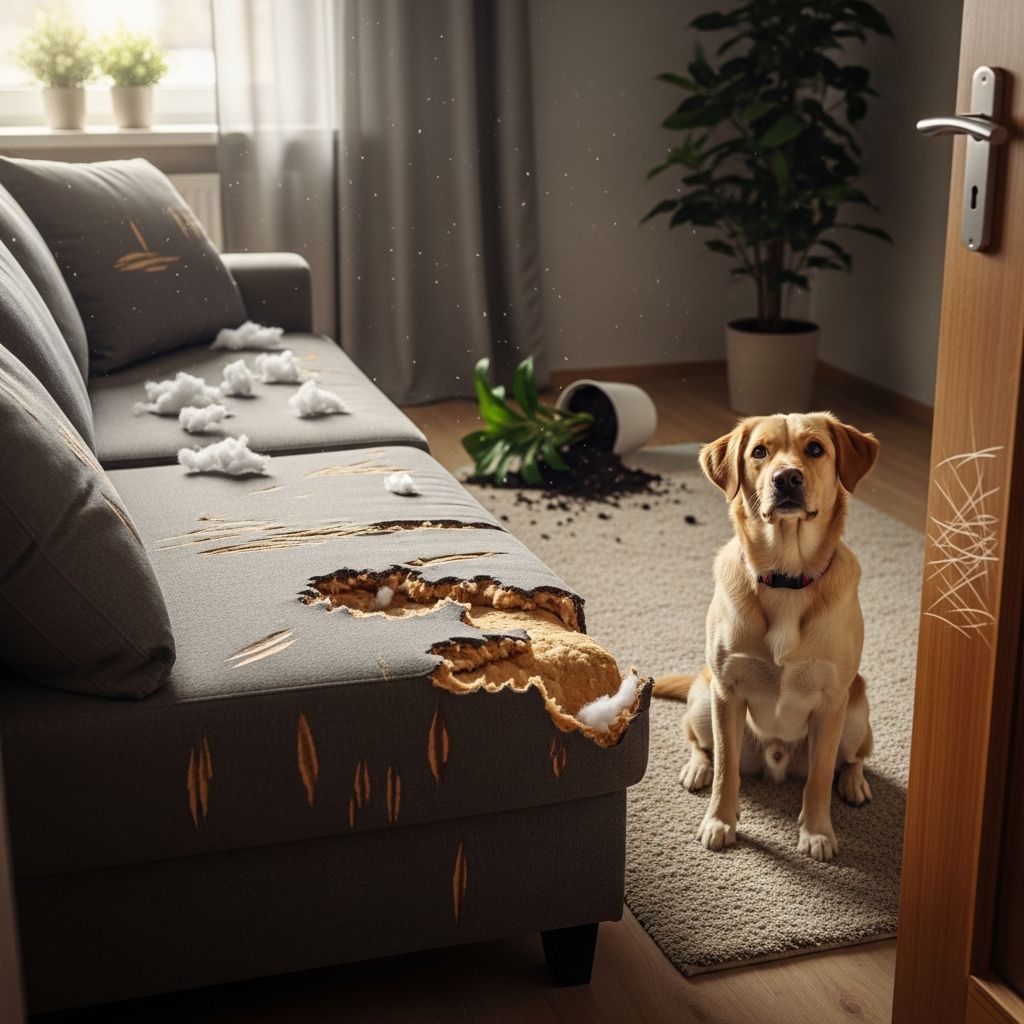
Owning a pet brings joy but also potential financial risks when they cause damage or injury. Homeowners insurance often provides liability protection for harm to others, yet excludes destruction to your own belongings. This comprehensive guide examines coverage nuances, common exclusions, and practical steps for pet owners to protect their assets.
Understanding Liability Protection for Pets
Standard homeowners policies include personal liability coverage that typically extends to incidents involving pets. If your animal injures a visitor or damages a neighbor’s belongings, this section can cover legal defense, medical bills, and repair costs, usually up to policy limits ranging from $100,000 to $500,000.
For instance, should a dog knock over a guest’s expensive vase or scratch their vehicle, the insurer might reimburse the affected party after investigating the claim. Coverage applies even off-property, such as at a park, provided the pet was under your responsibility.
What Counts as Covered Pet Liability?
- Bodily injury to non-household members: Bites, scratches, or knocks leading to medical treatment for visitors or passersby.
- Property harm to third parties: Chewed furniture at a friend’s home or trampled gardens belonging to neighbors.
- Legal fees: Defense costs if someone sues over pet-related harm.
These protections stem from the principle that pet owners are legally accountable for their animals’ actions. However, medical payments to others—a separate coverage—may handle minor injuries without proving fault, often up to $1,000 or $5,000 per person.
Key Exclusions: When Coverage Doesn’t Apply
While liability shields against third-party claims, homeowners insurance explicitly excludes pet-caused damage to your own home or possessions. Policies classify such events as preventable wear rather than sudden perils like fires or storms.
| Coverage Type | Your Property Damage | Third-Party Damage |
|---|---|---|
| Personal Property | Not covered (e.g., chewed couch) | Covered under liability |
| Dwelling/Structures | Not covered (e.g., scratched walls) | Covered under liability |
| Liability | Not applicable | Covered (e.g., neighbor’s fence) |
Household members injured by your pet also fall outside coverage, as policies prioritize external claims.
Breed and Behavior Restrictions
Many insurers impose limits on certain dog breeds deemed high-risk, such as pit bulls, Rottweilers, or Akitas, due to statistical bite data. Policies may deny claims or void coverage entirely for these animals.
- Undisclosed pets: Failing to report a restricted breed during application can lead to claim denials.
- Aggressive history: Prior bites or attacks often result in exclusions for future incidents.
- Exotic animals: Coverage rarely extends to non-traditional pets like reptiles or large birds.
Some companies offer endorsements for restricted breeds, but at higher premiums. Always review your declarations page for pet-specific clauses.
Real-World Examples of Pet Claims
Consider a cat scratching a repairman’s arm during a home service call: Liability coverage could pay for stitches and lost wages. Conversely, if that same cat ruins your curtains, expect no reimbursement—treat it as routine upkeep.
A dog’s destruction of a neighbor’s landscaping might trigger a $2,000 liability payout, including investigation costs. Yet, the same dog gnawing your drywall means self-funded repairs.
Options if You’re the Victim of a Neighbor’s Pet
When another person’s animal causes harm, start by notifying their insurer via your homeowners claim if needed. Your policy’s liability or property sections might cover initial costs, though premiums could rise.
- Contact the pet owner politely for reimbursement.
- File under your own policy as a last resort.
- Escalate to small claims court for disputes under local limits, often $5,000–$10,000.
Umbrella policies can provide extra liability layers beyond standard limits.
Enhancing Coverage for Pet Owners
Standard policies fall short for own-property damage, but alternatives exist:
- Accidental damage endorsements: Rare add-ons covering pet mishaps to your items, excluding wear from chewing or scratching.
- Pet-specific insurance: Separate policies for veterinary care, not property damage, but some bundle liability boosts.
- Umbrella liability: Extends protection to $1 million+, ideal for multi-pet homes.
Shop insurers without breed bans, like those specializing in high-risk pets.[10]
Preventing Costly Pet Incidents
Proactive measures reduce claims and premiums:
- Train pets with professional help for obedience and socialization.
- Secure yards with sturdy fencing to contain animals.
- Supervise interactions with guests, especially children or elderly visitors.
- Maintain records of vaccinations and behavior certifications for insurers.
Discounts may apply for safety features like alarms or leashes.
Navigating the Claims Process
For a valid liability claim:
- Document the scene with photos and witness statements.
- Report promptly to your agent, providing pet details.
- Cooperate with adjusters; avoid admitting fault.
- Track expenses for reimbursement.
Expect premium hikes post-claim, averaging 20–50%, depending on severity.
State Variations and Legal Considerations
Laws differ by location; some states mandate minimum liability for dog owners or “one-bite” rules allowing initial incidents without prior notice. Check local statutes for breed-specific legislation (BSL) in areas like Denver or Miami-Dade.
Cost Implications of Pet Ownership
Average liability claims from dog bites exceed $40,000, underscoring coverage value. Without insurance, owners face full liability, potentially bankrupting households. Pet damage to homes averages $500–$2,000 per incident, best handled through prevention or savings funds.
Frequently Asked Questions
Does homeowners insurance cover dog bites?
Yes, under liability for bites to non-household members, covering medical and legal costs.
Will my rates increase after a pet claim?
Often yes, by 10–50%, based on claim size and history.
Are cats treated differently than dogs?
Similar liability applies, though fewer breed restrictions exist for felines.
Can I get coverage for exotic pets?
Limited; specialty insurers may offer tailored policies.[10]
What if my pet injures a family member?
Not covered; consider health insurance or separate pet policies.
Choosing the Right Policy as a Pet Owner
Compare quotes emphasizing pet-friendly terms. Disclose all animals upfront to avoid voids. Bundle with auto for savings, and review annually as pet behaviors evolve. Informed choices ensure peace of mind alongside pet companionship.
References
- Does Homeowners Insurance Cover Pet Damage? — MoneyGeek. 2023. https://www.moneygeek.com/insurance/homeowners/does-homeowners-insurance-cover-pet-damage/
- Does Homeowners Insurance Cover Pet Damage? — Allstate. 2024-01-15. https://www.allstate.com/resources/home-insurance/homeowners-insurance-pet-damage
- Pet Damage and Homeowners Coverage — National General. 2023-05-10. https://nationalgeneral.com/about-us/news-and-blog/pet-damage-and-homeowners-coverage
- Does My Home Insurance Policy Cover Pet Damage? — InsureGV. 2024. https://www.insuregv.com/blog/does-my-home-insurance-policy-cover-pet-damage/
- Homeowners Insurance: Pet Damage and Bites — Dowd Agencies. 2023. https://www.dowd.com/pet-damage-and-bites/
Similar Articles








Read full bio of medha deb