Pest Inspections For Home Buying: Essential Guide For Buyers
Discover why pest inspections matter for homebuyers, what they reveal, and how they influence your mortgage process.
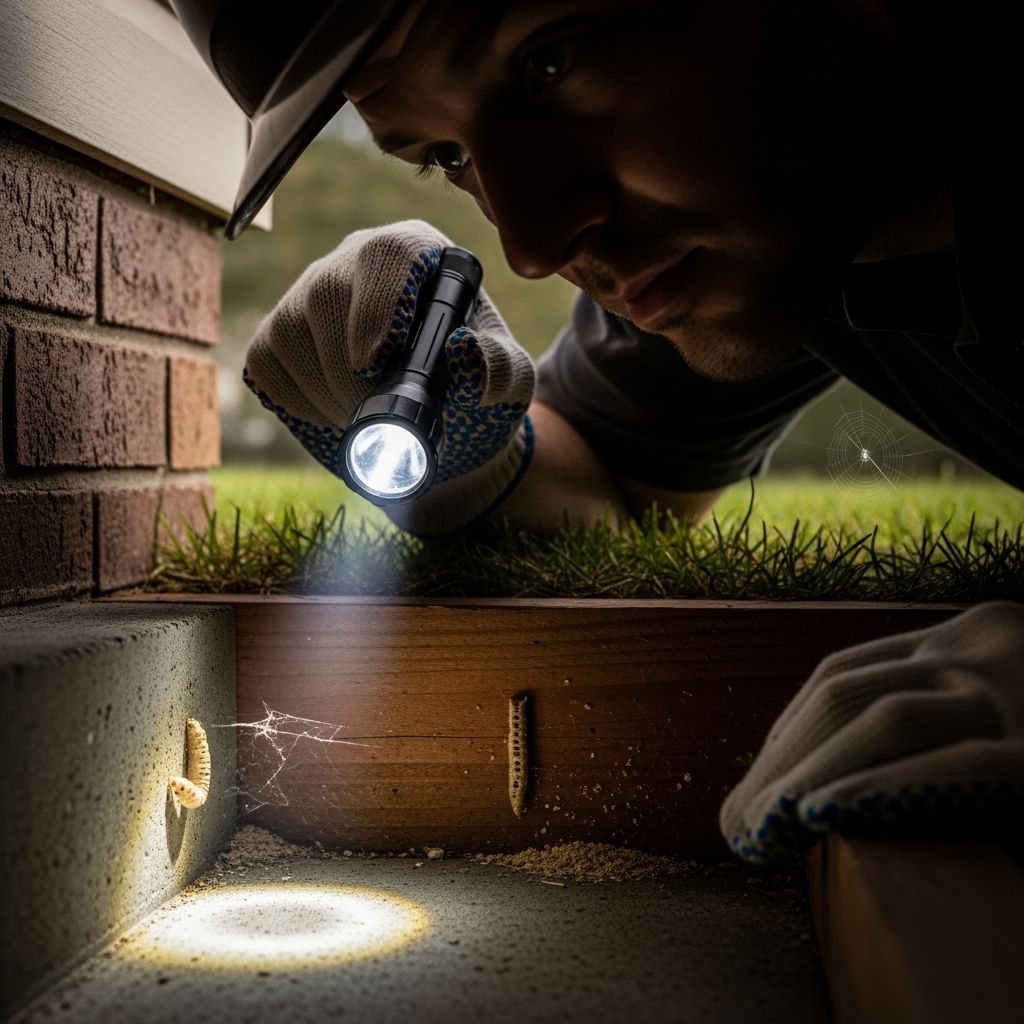
Pest inspections play a critical role in the home buying process by identifying hidden threats that could compromise a property’s structure and value. These evaluations focus on wood-destroying organisms and other invasive pests, helping buyers avoid costly surprises after closing.
Understanding the Necessity of Pest Checks
When purchasing a home, especially with government-backed financing, verifying the absence of pests becomes essential. Lenders require these assessments to mitigate risks associated with structural damage from infestations. For instance, properties in high-risk areas face mandatory reviews to ensure habitability and safety standards are met.
Buyers benefit from these inspections beyond lender mandates. They provide leverage in negotiations, reveal maintenance needs, and inform long-term upkeep plans. Even in low-risk regions, proactive checks can uncover issues invisible during casual walkthroughs.
When Lenders Demand a Pest Inspection
Certain mortgage types trigger pest inspection requirements based on location and loan guidelines. VA loans necessitate inspections in 35 states and territories with moderate to heavy termite risks, plus select counties in eight others. If an appraiser flags potential issues, even low-risk areas require follow-up.
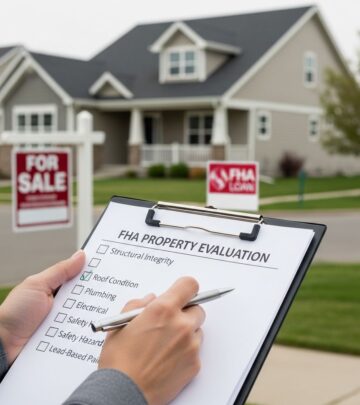
FHA loans similarly mandate reviews upon evidence of infestation noted in appraisals. Some states, like Florida, impose universal requirements due to prevalent pest activity. Conventional loans rarely demand them unless local customs or property conditions warrant it.
| Loan Type | Requirement Trigger | Example Locations |
|---|---|---|
| VA Loans | High-risk states/territories or appraiser notes | 35 states + 8 counties |
| FHA Loans | Appraisal evidence or state mandates | Florida statewide |
| Conventional | Rarely required | Property-specific |
The Detailed Inspection Process
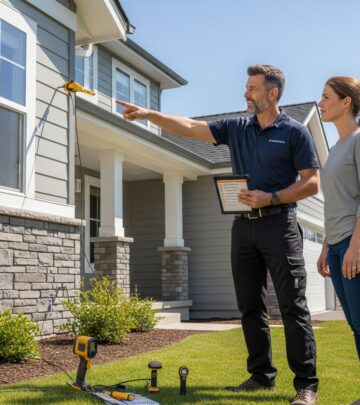
A licensed professional conducts a thorough visual survey of accessible areas. This includes exteriors like foundations and siding, interiors such as attics and basements, and hidden spots like crawl spaces.
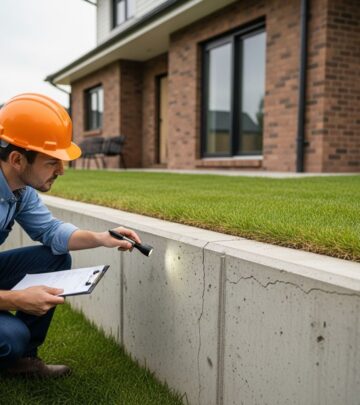
- Exterior Review: Inspectors scan for entry points, moisture buildup, and wood-soil contacts that attract subterranean pests.
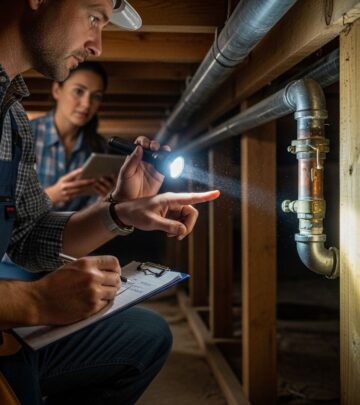
- Interior Scan: Focus on framing, insulation, and utilities for signs of activity.
- Structural Assessment: Probe for damage in beams, joists, and walls.
Tools like moisture meters aid in detecting conditions favorable to fungi and insects. The process adheres to standards from bodies like the National Pest Management Association.
Common Pests and Detection Signs
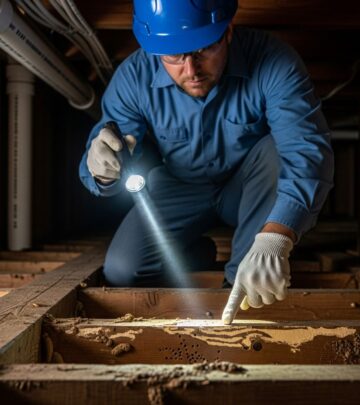
Inspectors target regionally prevalent threats. Termites top the list, with subterranean types building mud tubes from soil to wood. Carpenter ants excavate galleries, leaving smooth voids. Powderpost beetles produce fine dust (frass), while rodents leave droppings and gnaw marks.
- Mud tubes or tunneling on foundations
- Wing piles near entryways
- Hollow-sounding wood when tapped
- Moisture over 28% indicating fungal growth
- Nesting materials in insulation
Regional variations include scorpions in arid zones or snakes in rural settings. For new builds, checks verify soil treatments and barriers.
Interpreting the Inspection Report
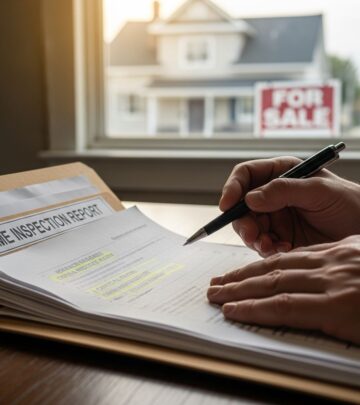
Post-inspection, a detailed report outlines findings, locations, damage extent, and remediation recommendations. This document goes to lenders and appraisers, potentially affecting valuations.
Sections typically cover:
- Pest species identified
- Infestation severity (active, prior, conducive conditions)
- Repair needs and cost estimates
- Treatment certifications if applicable
Serious issues halt loan approval until resolved, with re-inspections confirming fixes.
Timeline and Logistics
Standard inspections last 30-60 minutes for typical homes, extending for larger properties or complex access. Report delivery adds 1-2 days, plus time for treatments and clearances.
Schedule early in escrow to avoid delays. Coordinate with sellers for access, ideally alongside general home inspections.
Financial Aspects: Costs and Responsibilities
Average costs range around $165, varying by home size and location. Buyers typically pay, though sellers may cover in competitive markets or pre-listing checks.
| Factor | Average Cost | Who Pays? |
|---|---|---|
| Standard Single-Family | $150-$200 | Buyer (customary) |
| Large Home/Crawl Space | $250+ | Negotiable |
| Re-inspection | $100-$150 | Responsible party |
Protecting Your Investment Post-Inspection
Clear reports allow smooth closings, but even minor findings merit action. Implement preventive measures like proper grading, gutter maintenance, and woodpile relocation.
Consider warranties for treated areas. Regular professional monitoring deters re-infestations, especially in vulnerable climates.
Frequently Asked Questions
Is a pest inspection the same as a home inspection?
No. Home inspections cover general systems; pest checks specialize in wood-destroying organisms and related damage.
What if pests are found after closing?
Buyers may negotiate seller credits pre-closing. Post-sale, insurance rarely covers; opt for specialized policies.
Can I skip the inspection if not required?
Not advisable. Hidden damage could cost thousands; it’s a wise safeguard regardless of mandates.
How do I choose a qualified inspector?
Select licensed professionals following NPMA-33 standards. Check reviews and lender approvals.
Regional Considerations and Best Practices
Pest risks vary: humid South battles termites; dry West sees scorpions. Research local prevalence via USDA maps or extension services.
Best practices include combining with radon or mold tests for comprehensive due diligence. Involve real estate agents early for guidance.
References
- Pest inspection: A requirement to get a mortgage? — Rocket Mortgage. 2023. https://www.rocketmortgage.com/learn/pest-inspection
- What Do Inspectors Look For During a Pest Inspection? — Scott Home Inspection. 2024. https://scotthomeinspection.com/what-do-inspectors-look-for-during-pest-inspection/
- A Guide to Pest Inspections — Orchard. 2023. https://orchard.com/blog/posts/a-guide-to-pest-inspections
- Pest Inspection Requirements for Mortgages: 2026 Complete Guide — Amerisave. 2026-01-15. https://www.amerisave.com/learn/pest-inspection-requirements-for-mortgages-complete-guide
- Get Pest Inspection Before Closing to Offer Buyers Peace of Mind — HomeLight. 2024. https://www.homelight.com/blog/pest-inspection-before-closing/
Similar Articles








Read full bio of Sneha Tete