PEST Analysis: Definition, Framework & Strategic Application
Master external business environment analysis with PEST framework for strategic planning.
PEST Analysis: Understanding Your Business Environment
In today’s rapidly changing business landscape, understanding the external factors that influence your organization is more critical than ever. A PEST analysis is a strategic framework designed to help businesses evaluate and navigate the complex macro-environment in which they operate. This comprehensive assessment tool examines four fundamental categories of external influences that can impact your company’s operations, growth trajectory, and competitive positioning.
The acronym PEST stands for Political, Economic, Social, and Technological factors—four broad dimensions that collectively shape the external business environment. By systematically analyzing each of these elements, organizations can develop a more informed perspective on potential challenges and opportunities, enabling better strategic decision-making and resource allocation.
What Is PEST Analysis?
A PEST analysis is an assessment tool that evaluates the political, economic, social, and technological factors that could affect a business in the present and future. Unlike internal analysis tools that focus on organizational capabilities and weaknesses, PEST analysis concentrates exclusively on external macro-environmental factors that lie beyond direct organizational control.
The primary purpose of conducting a PEST analysis is to give a company’s management team a clearer understanding of the market they operate in and to prepare for potential shifts in external conditions. This includes regulatory changes, economic fluctuations, consumer behavior evolution, and technological disruption. By identifying these external pressures early, businesses can develop proactive strategies rather than reactive responses.
Core Components of PEST Analysis
Political Factors
Political factors encompass government policies, regulations, political stability, and legislative changes that directly or indirectly affect business operations. These include tariff structures, trade agreements, tax policies, labor laws, and government stability. Organizations operating internationally must pay particular attention to political relationships and geopolitical tensions that influence trade deals and market access.
Key political elements to assess include:
– Government policy and regulation changes- Political stability or instability- Tax policies and incentives- Trade restrictions and tariff structures- Labor laws and employment regulations- International trade agreements
Economic Factors
The economic dimension evaluates macroeconomic conditions that impact purchasing power, investment decisions, and business profitability. Economic factors include interest rates, inflation, unemployment, gross domestic product (GDP) growth, currency exchange rates, and credit availability. These elements directly influence consumer spending patterns, business investment decisions, and overall market demand.
Critical economic considerations include:
– GDP growth rates and economic cycles- Inflation and deflation trends- Interest rates and credit availability- Currency exchange rates- Unemployment levels- Disposable income and consumer purchasing power- Credit market conditions
Social Factors
Social factors relate to the cultural, demographic, and lifestyle characteristics of the target market and society at large. These encompass consumer behavior patterns, demographic shifts, cultural trends, social attitudes, and lifestyle preferences. Understanding social factors is essential for product development, marketing strategies, and market positioning.
Important social elements to evaluate include:
– Demographics and population trends- Consumer behavior and preferences- Cultural and lifestyle trends- Social attitudes and values- Health and wellness consciousness- Environmental awareness and sustainability concerns- Generational shifts in workforce participation
Technological Factors
Technological factors address advancements in technology, innovation, automation, and digital transformation that can positively or negatively impact business operations. The rapid pace of technological change creates both opportunities for competitive advantage and threats of disruption. Organizations must assess existing technologies, emerging innovations, and their industry’s technological trajectory.
Key technological considerations include:
– Emerging technologies and innovations- Automation and artificial intelligence- Digital transformation trends- Research and development advancements- Technology adoption rates- Data security and cybersecurity threats- Information technology infrastructure requirements
PEST vs. PESTLE Analysis
While PEST analysis focuses on four primary dimensions, an extended version called PESTLE analysis adds two additional factors: Legal and Environmental. The PESTLE framework provides a more comprehensive assessment, particularly beneficial for organizations operating in highly regulated industries or sectors where environmental impact is significant.
The Legal component examines legislation, compliance requirements, and regulatory frameworks specific to an industry, while the Environmental factor addresses sustainability issues, environmental regulations, climate change, and ecological considerations. Companies in the oil and gas sector, automotive industry, and environmental services typically benefit from utilizing PESTLE analysis rather than the standard PEST framework.
Steps to Conduct a PEST Analysis
Step 1: Identify Key Factors
Begin by identifying the political, economic, social, and technological factors that could impact your business. Conduct thorough research and gather data from reliable sources to understand each factor’s current state and potential future developments. This step requires input from multiple departments and stakeholder perspectives to ensure comprehensive coverage.
Step 2: Analyze Impact and Implications
Once factors are identified, analyze their potential impact on your business operations, strategic goals, and market position. Consider both opportunities that could arise and threats that could emerge from changes in each external factor. This analysis should evaluate how external changes could influence revenue, costs, competitive position, and long-term viability.
Step 3: Categorize and Prioritize Factors
Categorize identified factors based on their relevance and potential impact on your specific business. Not all external factors carry equal weight for every organization. Prioritizing factors helps focus strategic efforts on the most critical areas likely to significantly affect operations, allowing for more efficient resource allocation and strategic planning.
Step 4: Develop Strategic Responses
Based on your analysis, develop strategic responses to address identified opportunities and mitigate potential threats. This may involve adjusting business strategies, exploring new markets, modifying product offerings, or enhancing organizational capabilities to respond to anticipated external changes.
Primary Applications of PEST Analysis
PEST analysis serves multiple strategic purposes across different business scenarios and decision-making contexts. Understanding when and how to apply this framework maximizes its value as a strategic planning tool.
Developing Long-Term Strategies
If your business is planning for the future, PEST analysis helps anticipate how external factors might influence your operations and strategic direction. This forward-looking perspective enables organizations to position themselves advantageously for anticipated market changes and emerging opportunities.
Evaluating New Markets
When entering a new market or geographic region, a PEST analysis allows you to analyze the macro-environment to understand potential challenges and opportunities specific to that market. This assessment is critical for international expansion, new market entry, and localization strategies, as different regions have distinct political, economic, social, and technological characteristics.
Responding to Significant Change
In times of significant external shifts—such as political changes, economic downturns, or technological advancements—PEST analysis helps identify emerging trends that could create opportunities or pose threats. This application is particularly valuable during periods of market disruption or industry transformation.
Launching New Products or Services
Before introducing new offerings to the market, a PEST analysis can help assess how external factors might impact their success and adoption rates. This analysis can reveal market readiness, regulatory challenges, consumer demand, and technological feasibility before significant investment is committed.
Improving Organizational Adaptability
If your organization needs to enhance its ability to adapt to external changes, PEST analysis provides valuable insights into external pressures and opportunities. These insights help prioritize initiatives, allocate resources effectively, and build organizational resilience in the face of environmental uncertainty.
Key Benefits of PEST Analysis
PEST analysis provides several important advantages for strategic planning and decision-making. Understanding these benefits helps explain why this framework remains widely used across industries and organizational types.
Focused Macro-Environmental Insight
PEST analysis provides a targeted approach to understanding external factors that directly impact your business, giving you a clearer picture of the broader environment. Rather than attempting to monitor all possible external factors, this framework creates a structured focus on the most relevant dimensions.
Strategic Foresight and Anticipation
This framework helps you anticipate changes in the macro-environment, allowing for proactive strategic planning and preparation rather than reactive crisis management. Organizations can develop contingency plans and position themselves advantageously before market shifts occur.
Informed Strategic Adaptation
PEST analysis encourages continuous monitoring of external factors, helping businesses stay agile and responsive to changes in the macro-environment. This ongoing adaptability is crucial for maintaining competitiveness, particularly in fast-moving industry sectors.
Comprehensive Environmental Understanding
By systematically examining each external factor category, organizations develop a comprehensive understanding of the forces shaping their business environment. This holistic perspective supports better strategic decision-making and risk management.
PEST Analysis in Different Contexts
While PEST analysis is a versatile tool applicable across industries, its implementation and focus areas vary depending on organizational context and industry characteristics.
For Technology Companies
Technology organizations should emphasize technological factors, including emerging innovations, digital transformation, cybersecurity threats, and technology adoption rates. Political factors regarding data privacy and international tech regulations also merit particular attention.
For Healthcare Organizations
Healthcare providers and pharmaceutical companies must closely examine political and legal factors related to healthcare regulation, reimbursement policies, and compliance requirements. Social factors regarding health consciousness and aging demographics are equally important.
For Retail and Consumer Goods
Retail organizations should prioritize social factors including consumer behavior, demographic trends, and cultural shifts. Economic factors affecting consumer purchasing power and technological factors enabling e-commerce and omnichannel retail are also critical.
Integrating PEST Analysis with Other Strategic Tools
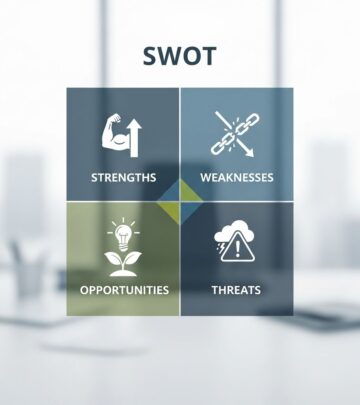
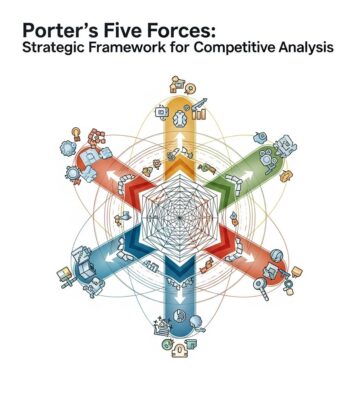
PEST analysis becomes even more powerful when used alongside complementary business analysis frameworks. Organizations often combine PEST analysis with SWOT analysis, Porter’s Five Forces, and other strategic tools to develop a comprehensive understanding of their competitive environment.
For example, while PEST analysis identifies external opportunities and threats, SWOT analysis evaluates internal strengths and weaknesses. Together, these frameworks enable organizations to align internal capabilities with external opportunities and develop strategies that leverage strengths while addressing weaknesses in response to environmental challenges.
Challenges and Limitations of PEST Analysis
While PEST analysis is valuable, organizations should recognize its limitations. The framework focuses exclusively on external factors and cannot capture internal organizational dynamics. Additionally, the rapid pace of external change means PEST analyses require regular updates to remain relevant. Organizations should view PEST analysis as one component of a broader strategic planning process rather than a standalone decision-making tool.
Frequently Asked Questions About PEST Analysis
Q: How often should a PEST analysis be updated?
A: PEST analyses should be reviewed and updated regularly, typically annually or whenever significant external changes occur. The frequency depends on your industry’s pace of change and how volatile the external environment is. Technology and retail industries may require more frequent updates than more stable sectors.
Q: How does PEST analysis differ from SWOT analysis?
A: PEST analysis focuses exclusively on external macro-environmental factors, while SWOT analysis evaluates both internal factors (strengths and weaknesses) and external factors (opportunities and threats). SWOT is typically more comprehensive but less detailed about external factors than PEST.
Q: What size organizations benefit from PEST analysis?
A: PEST analysis is beneficial for organizations of all sizes, from startups to large enterprises. Even small businesses can benefit from understanding how external factors impact their operations, though the complexity and scope of the analysis may vary.
Q: Can PEST analysis predict future market trends?
A: PEST analysis cannot definitively predict future trends, but it provides a structured framework for identifying emerging factors and trends that could influence your business. It helps organizations prepare for multiple scenarios rather than predict specific outcomes.
Q: Should all industries use PESTLE instead of PEST?
A: While PESTLE provides more comprehensive analysis, not all industries require the additional legal and environmental factors. PEST is sufficient for many sectors, though industries with significant regulatory or environmental concerns should consider using the PESTLE framework.
References
- PEST Analysis: Definition, Application, & Examples — Quantive. 2025. https://quantive.com/resources/articles/pest-analysis
- Understanding External Business Environments with PEST and PESTLE Analysis — The Strategy Institute. https://www.thestrategyinstitute.org/insights/understanding-external-business-environments-with-pest-and-pestle-analysis
- What Is a PEST Analysis? — BusinessNewsDaily.com. https://www.businessnewsdaily.com/5512-pest-analysis-definition-examples-template.html
- PESTEL Analysis — CIPD. https://www.cipd.org/en/knowledge/factsheets/pestle-analysis-factsheet/
- The Ultimate Guide to PEST Analysis — MindManager. https://www.mindmanager.com/en/tips/pest-analysis/
- A Quick Guide to Conducting a PEST Analysis — Personio. https://www.personio.com/hr-lexicon/pest-analysis/
Similar Articles








Read full bio of Sneha Tete