Personal vs. Commercial Car Insurance
Discover the essential differences between personal and commercial car insurance to ensure your coverage matches your driving needs and protects your assets effectively.
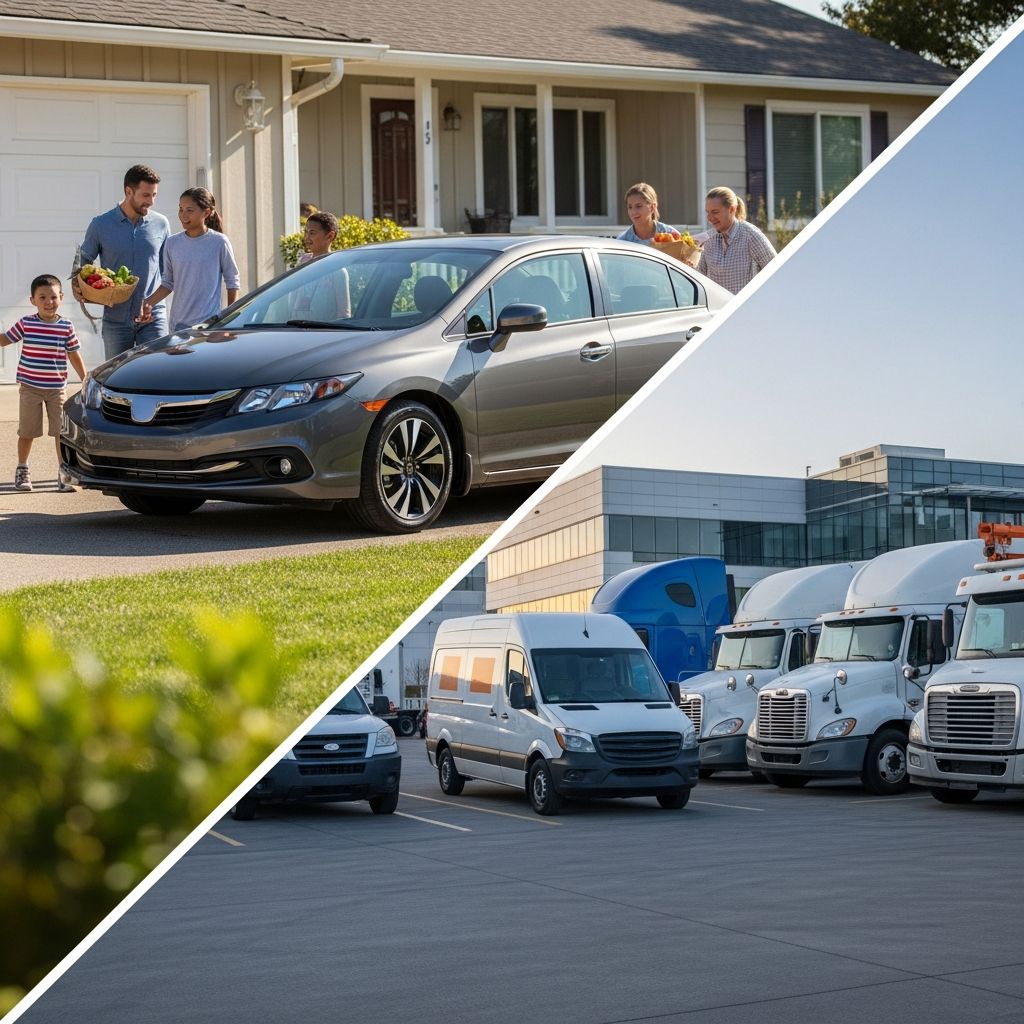
Personal car insurance protects vehicles used for everyday activities like commuting or errands, while commercial car insurance safeguards business-related driving, offering broader liability and specialized protections. Understanding these distinctions prevents coverage gaps that could lead to denied claims during work-related incidents.
Defining Personal Car Insurance
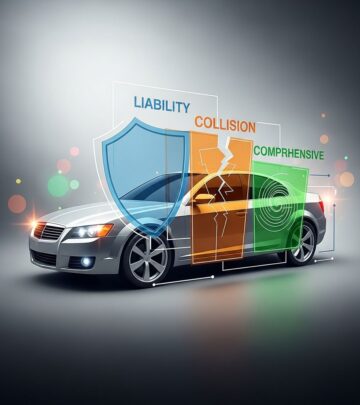
Personal car insurance, also known as private passenger auto insurance, is tailored for non-business use. It covers standard vehicles driven by individuals for personal purposes, such as daily commutes, grocery runs, or family vacations. Core components include liability for damages to others, collision for your vehicle’s accident repairs, and comprehensive for non-collision events like theft or weather damage.
- Liability Coverage: Pays for injuries or property damage you cause to others in an at-fault accident.
- Collision Coverage: Handles repairs to your car after crashing into another vehicle or object.
- Comprehensive Coverage: Addresses theft, vandalism, animal collisions, or natural disasters.
- Uninsured/Underinsured Motorist: Protects you if hit by a driver without sufficient insurance.
- Medical Payments or PIP: Covers medical bills and lost wages for you and passengers, regardless of fault in some states.
This policy suits most households but excludes business activities. Insurers often include a business use exclusion, voiding claims if you’re delivering goods or transporting clients.
Understanding Commercial Car Insurance
Commercial car insurance is designed for vehicles involved in business operations, from delivery vans to company fleets. It accounts for higher mileage, heavier loads, and greater liability risks associated with work. Policies typically feature elevated limits to shield business assets from large claims.
Businesses require this coverage for owned, leased, or employee-driven vehicles used in revenue-generating activities. It extends to specialized vehicles like trucks or those hauling equipment, which personal policies cannot handle due to weight or purpose restrictions.
- Higher Liability Limits: Often millions in coverage to protect against lawsuits impacting company finances.
- Hired and Non-Owned Auto (HNOA): Covers rented or employee personal vehicles used for work.
- Lease/Loan Payoff: Bridges gaps if a totaled leased vehicle owes more than its value.
- Employee Coverage: Includes drivers under your policy terms, even for rentals during business travel.
Unlike personal insurance, commercial policies can sometimes extend to personal use, providing flexibility for owners.
Major Coverage Comparisons
While both policies share basics like liability and collision, commercial insurance offers enhanced protections suited to operational demands. Personal policies cap limits at lower amounts, adequate for individual risks but insufficient for business exposures.
| Feature | Personal Car Insurance | Commercial Car Insurance |
|---|---|---|
| Liability Limits | Typically $100K-$500K | $1M+ standard |
| Vehicle Types | Cars, SUVs for personal use | Vans, trucks, fleets, heavy loads |
| Business Use | Excluded | Included, with special endorsements |
| Multiple Drivers | Household members | Employees and contractors |
| Cost Factors | Personal driving record | Business mileage, industry risks |
This table highlights why commercial policies demand more comprehensive safeguards.
Cost Analysis: Why Commercial is Pricier
Commercial car insurance costs more due to elevated risks: higher annual miles (often 20,000+), multiple drivers, and potential for severe accidents with cargo. Averages range from $150+ monthly per vehicle, varying by industry, location, and fleet size, compared to personal rates around $100-$200.
- Risk Exposure: Business vehicles face more road time and hazards like loading zones.
- Claims History: Commercial claims average higher payouts for property and injury damages.
- Customization: Add-ons like cargo coverage inflate premiums but are essential.
Sole proprietors using personal cars occasionally for work might qualify for riders, but frequent use necessitates full commercial coverage to avoid denials.
When Do You Need Commercial Coverage?
Switch to commercial if your vehicle supports income generation. Indicators include:
- Driving clients, employees, or goods for pay.
- Company-titled vehicles or tax-deducted mileage.
- Heavy-duty transport exceeding personal policy weights (e.g., over 10,000 lbs GVWR).
- Fleet operations or services like ridesharing, deliveries.
Even personal vehicles used regularly for business trigger the need; check endorsements, as standard personal policies exclude this.
Potential Coverage Gaps and Risks
Using personal insurance for business invites claim rejections, leaving you liable for damages, medical costs, and lawsuits. Commercial policies mitigate this but may overlook pure personal trips—supplement with personal coverage if needed.
Common pitfalls:
- Employee Vehicles: Personal policies of staff won’t cover work accidents fully.
- Rentals/Borrows: Without HNOA, businesses face out-of-pocket expenses.
- State Mandates: Some require commercial for certain loads or passenger fees.
How to Select the Right Policy
Assess your usage: pure personal? Stick with standard auto. Mixed or business-heavy? Opt for commercial. Consult agents for hybrids like business use endorsements. Factors include driving records, vehicle value, and operational scale.
Shop multiple insurers for quotes, prioritizing those offering fleet discounts or industry-specific tailoring. Review annually as business grows.
Frequently Asked Questions (FAQs)
Can personal car insurance cover business driving?
Rarely—most policies exclude it, risking claim denials. Add a rider if occasional, or get commercial for reliability.
Does commercial insurance cover personal errands?
Yes, many policies allow it, unlike the reverse. Confirm with your provider.
Who pays more: sole proprietors or fleets?
Fleets cost more overall due to scale, but per-vehicle rates depend on risk profiles. Sole ops might pay $150+/month.
What if an employee crashes their personal car on the job?
Commercial HNOA covers excess over their personal limits. Essential for protection.
Are there discounts for commercial policies?
Yes: safe driver, anti-theft devices, bundling with other business insurance.
Final Thoughts on Protection Strategies
Choosing between personal and commercial car insurance hinges on usage—personal for leisure, commercial for work. Mismatches expose you to financial ruin; align coverage with reality for peace of mind. Regularly audit policies as needs evolve.
References
- Personal vs. commercial auto insurance: What’s the difference? — Thimble. 2023. https://www.thimble.com/small-business-insurance/personal-vs-commercial-auto
- Commercial vs Personal Auto Insurance: Understanding Differences — GEICO. 2024. https://www.geico.com/commercial-auto-insurance/commercial-vs-personal-auto-insurance-differences/
- Commercial Auto Insurance Versus Personal Auto Insurance — The Hartford. 2024. https://www.thehartford.com/business-insurance/strategy/commercial-auto
- The Difference Between Personal and Commercial Auto Insurance — Valor Insurance. 2023. https://www.valorinsurance.com/blog/the-difference-between-personal-and-commercial-auto-insurance/
- Personal vs. Commercial Auto Insurance — Acrisure. 2024. https://www.acrisure.com/blog/personal-vs-commercial-auto-insurance
- Commercial Auto vs. Personal Auto Insurance — Insureon. 2024. https://www.insureon.com/small-business-insurance/compare/commercial-auto-vs-personal-auto
Similar Articles








Read full bio of Sneha Tete