Personal Vs Business Credit Cards: How To Choose
Discover key differences between personal and business credit cards to choose the right one for your financial needs and optimize rewards.
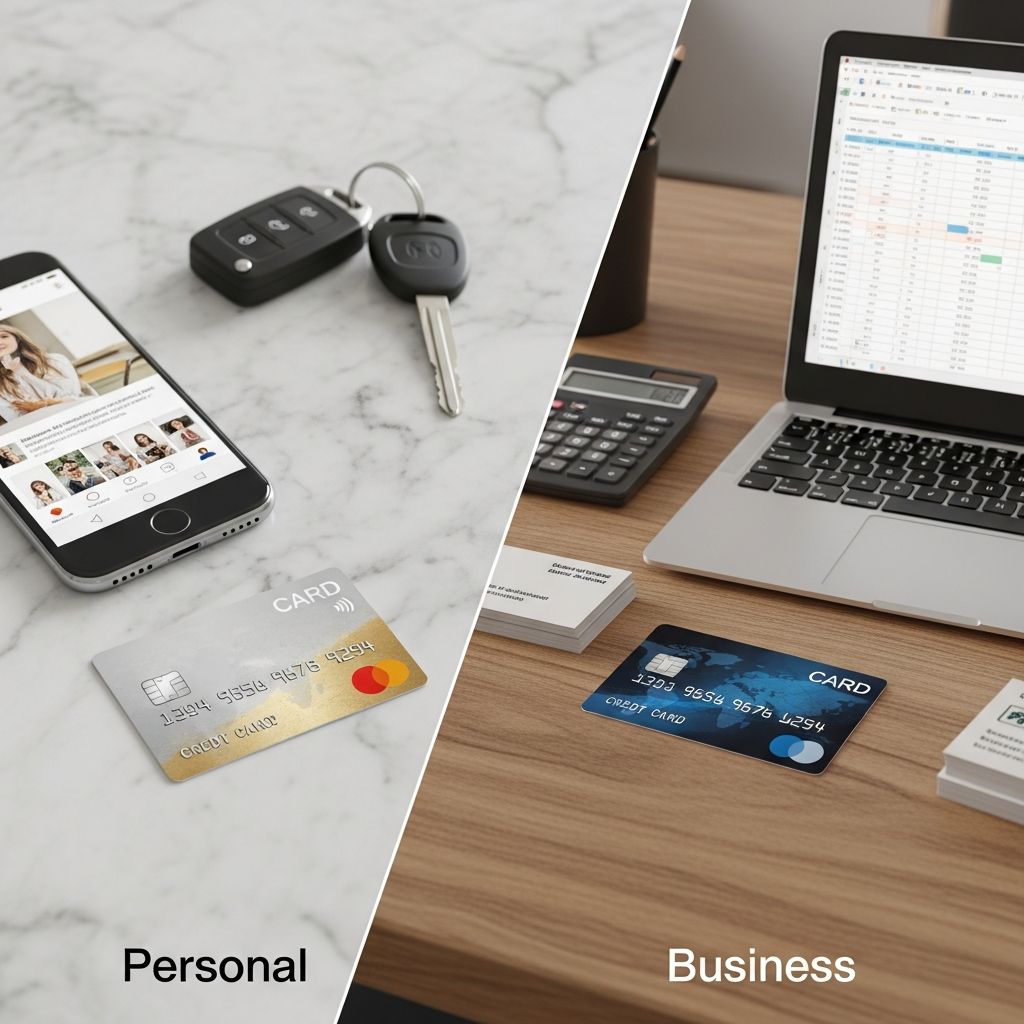
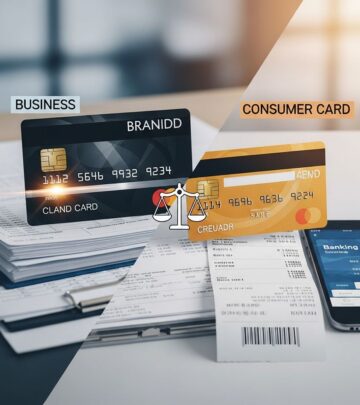
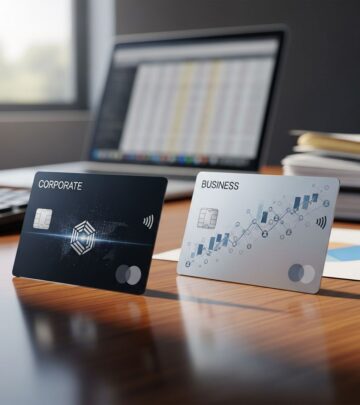
Choosing between a personal credit card and a business credit card depends on your spending patterns, financial goals, and whether you operate a company. Personal cards suit individual expenses with consumer-focused perks, while business cards support company operations with specialized tools and higher capacities.
Core Distinctions in Design and Usage
Personal credit cards target everyday individual purchases like groceries, dining, and entertainment. They emphasize rewards in consumer categories and come with legal safeguards for users. Business credit cards, by contrast, accommodate professional expenditures such as office supplies, travel, and advertising, often including features like employee cards and expense tracking integrations.
This separation aids in maintaining clear financial records, which simplifies tax preparation and legal protections. Mixing uses can complicate accounting and potentially harm credit profiles due to improper categorization.
Credit Limits and Approval Processes
Business credit cards generally offer higher spending limits, factoring in company revenue alongside personal credit, unlike personal cards that rely solely on individual income.
| Aspect | Personal Credit Card | Business Credit Card |
|---|---|---|
| Credit Limit Basis | Personal income and credit score | Business revenue, EIN, personal credit |
| Typical Limit Range | Lower, often $5,000–$20,000 | Higher, potentially $50,000+ |
| Approval Factors | Employment, personal history | Time in business, revenue |
Higher limits on business cards provide flexibility for bulk purchases or seasonal demands, essential for scaling operations.
Rewards Structures Tailored to Users
Rewards differ significantly: personal cards boost earnings on groceries, gas, and streaming services, whereas business cards prioritize office supplies, shipping, and telecom.
- Personal: Up to 5% back on dining or travel perks like lounge access.
- Business: 3–4% on advertising or tech purchases, plus statement credits for software.
Both may offer sign-up bonuses, but business variants often align with operational costs for maximum value.
Liability and Financial Responsibility
Personal cards tie liability directly to the individual, protected under laws like the CARD Act. Business cards frequently require a personal guarantee, blending risks, though some corporate options limit this.
Responsible use builds separate business credit profiles via bureaus like Dun & Bradstreet, aiding future financing without solely impacting personal scores.
Credit Reporting and Score Impacts
Personal card activity reports to Equifax, Experian, and TransUnion, directly affecting FICO scores. Business cards primarily report to commercial bureaus but may spill over to personal reports on delinquencies.
High business spending on personal cards can elevate utilization ratios, dropping scores since this factor weighs 30%.
Consumer Protections and Terms
Personal cards benefit from CARD Act rules capping sudden APR hikes and fees. Business cards lack these, allowing flexible but riskier terms.
Introductory 0% APR periods are longer on personal cards, often 12–21 months for purchases and transfers, versus shorter business offers.
Management Tools and Additional Cards
Business cards shine with employee sub-cards, spending controls, and integrations to QuickBooks or Expensify, streamlining oversight. Personal cards rarely provide these, making them less ideal for teams.
Tax and Accounting Advantages
Business cards simplify deductible expense tracking with automatic categorization, crucial at tax time. Personal use of business funds requires manual separation to avoid IRS issues.
Pros and Cons Overview
| Card Type | Pros | Cons |
|---|---|---|
| Personal |
|
|
| Business |
|
|
When to Choose Each Card Type
Opt for personal cards if you’re a sole individual without company needs or prefer consumer perks. Switch to business for revenue-generating activities, team spending, or credit separation. Freelancers may start personal but upgrade as income grows.
- Solopreneurs: Personal until scaling.
- Small teams: Business for controls.
- High spenders: Business for limits.
Strategies for Optimal Use
Maintain separate cards to preserve records. Pay balances fully to build credit. Review terms annually for better options. Monitor utilization below 30% on both.
Frequently Asked Questions
Can I use a personal card for business?
Yes, but it risks credit damage from high utilization and complicates taxes. Deductions require meticulous records.
Do business cards report to personal credit?
Many do not routinely, but late payments can. Check issuer policies.
What’s the best starter card for freelancers?
A personal card builds credit easily; transition to business as revenue stabilizes.
Are business card rewards more valuable?
Often yes for company spends, with higher rates on key categories.
How do intro APRs compare?
Personal offers longer terms, ideal for debt consolidation.
Final Considerations for Decision-Making
Evaluate your revenue, team size, and spending volume. Business cards foster growth through tools and credit building, while personal cards ensure everyday security. Consult financial advisors for tailored advice.
References
- Should I apply for a business or personal credit card? — Mercury. 2024. https://mercury.com/blog/business-vs-personal-credit-card
- Business Credit Card vs. Personal: 9 Key Differences — Ramp. 2024. https://ramp.com/blog/business-credit-card-vs-personal
- Business vs. Personal Credit Cards: 6 Differences — NerdWallet. 2024. https://www.nerdwallet.com/business/credit-cards/learn/major-differences-business-credit-cards-personal-credit-cards
- Business Credit Cards vs. Personal Credit Cards — Bankrate. 2024. https://www.bankrate.com/credit-cards/business/business-credit-cards-vs-personal-credit-cards/
- Business credit card vs personal: 8 key differences to know — Brex. 2024. https://www.brex.com/spend-trends/corporate-credit-cards/business-credit-card-vs-personal-credit-card
- Business vs Personal Credit Card: Key Differences — Capital One. 2024. https://www.capitalone.com/learn-grow/business-resources/personal-vs-business-credit/
Similar Articles








Read full bio of medha deb