Personal vs Business Credit Cards: A Financial Decision Guide
Understand why mixing personal and business expenses creates financial complications for growing companies.
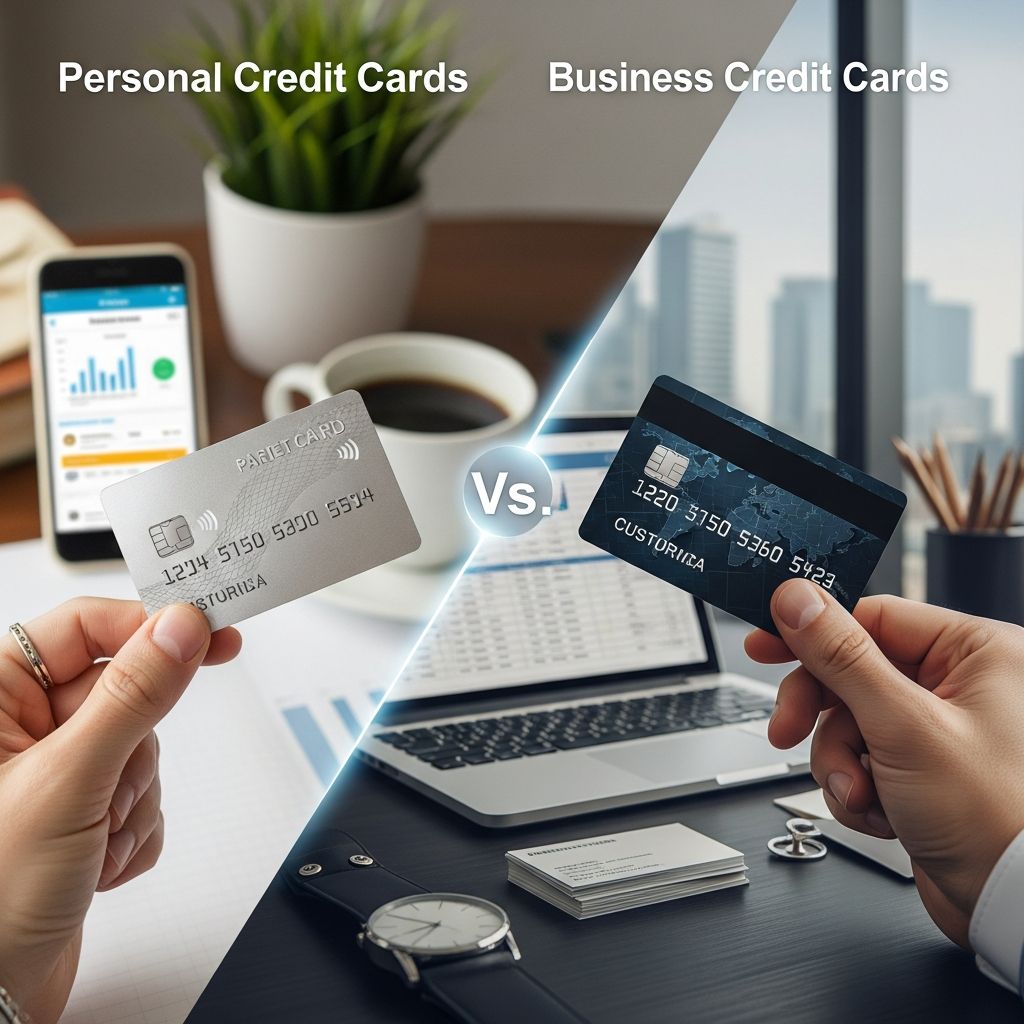
Many entrepreneurs and small business owners face a fundamental question when starting their ventures: should they use their existing personal credit cards to pay for business expenses, or should they open a dedicated business credit card account? While using a personal card might seem like a convenient, cost-effective solution in the short term, this approach creates substantial problems that can undermine your business’s financial health and your personal creditworthiness. Understanding the distinctions between these two card types and their implications is essential for making an informed decision that protects both your business and personal finances.
The Immediate Impact on Your Personal Credit Score
When you use a personal credit card to cover business expenses, one of the first consequences you’ll experience is damage to your personal credit score. This happens because of a metric known as credit utilization ratio, which represents the percentage of your available credit limit that you’re actively using. Credit utilization accounts for approximately 30% of your credit score calculation, making it one of the most influential factors beyond payment history.
Business expenses tend to be significantly larger and more frequent than typical personal purchases. A single equipment purchase worth $5,000 or an inventory order totaling $10,000 can dramatically spike your credit utilization ratio. If you have a $15,000 credit limit and charge $10,000 in business expenses, you’ve instantly consumed two-thirds of your available credit. This elevated utilization signals to credit bureaus that you’re carrying high balances, which lowers your credit score even if you pay off the full amount each month.
The damage becomes more pronounced if your business experiences seasonal fluctuations or if you have months with unusually high expenses. Multiple large charges across several months create a pattern of high utilization that can substantially reduce your creditworthiness. This lower score directly affects your ability to secure favorable interest rates on personal loans, mortgages, or additional credit cards.
Accounting Complexity and Tax Compliance Challenges
One of the most underestimated consequences of commingling personal and business expenses is the administrative nightmare it creates during tax season. When business purchases flow through personal credit card statements, accountants and bookkeepers must manually sort through transactions to determine which charges were business-related and which were personal.
This process becomes exponentially more difficult as your business grows and transaction volume increases. What might seem manageable with a handful of monthly charges becomes overwhelming when you’re processing hundreds of transactions. Months after purchases occur, memories fade and receipts become lost or disorganized, making accurate categorization nearly impossible.
During tax preparation, this confusion multiplies the work required. Instead of having organized records that clearly identify business deductions, your accountant must perform detailed line-by-line analysis of credit card statements to determine eligibility for deductions. This extra work translates directly into higher accounting fees. More importantly, it increases the risk of errors that could trigger IRS scrutiny or result in missed deductions that would lower your tax liability.
While the IRS does allow deduction of business expenses regardless of which card they were charged to—as long as the expenses are ordinary and necessary—the documentation and tracking requirements become far more burdensome without proper separation.
Building Business Credit: A Critical Advantage You’re Missing
Personal credit cards offer no mechanism for building your business’s credit profile. Your business credit score operates independently from your personal credit score and becomes increasingly important as your company grows. Business credit serves as a foundation for accessing favorable interest rates and terms on future loans for equipment, real estate, or expansion.
When you use a personal card for business expenses, those transactions don’t appear on your business credit report. This means you’re missing an opportunity to establish creditworthiness during your company’s early years. When the time comes to apply for a business loan or line of credit, lenders will find a thin or nonexistent business credit history, forcing them to rely more heavily on your personal credit score and personal guarantee.
Business credit cards, by contrast, report activity to business credit bureaus, creating a documented history of responsible credit management under your company’s name. Over time, this established history opens doors to higher credit limits, better terms, and improved financing options that personal cards simply cannot provide.
Legal Protection and Asset Vulnerability
Business structure matters significantly when considering how you finance operations. If your business is organized as a limited liability company (LLC) or corporation, one of the primary benefits is liability protection that shields your personal assets from business obligations. Using personal credit cards for business expenses can undermine this legal separation, potentially piercing the corporate veil and exposing your personal assets to business liability.
When business and personal finances are commingled through credit card transactions, courts and creditors may view them as integrated rather than separate entities. This can become catastrophic if your business faces a lawsuit, bankruptcy, or other financial crisis. What should have been a business liability could extend to your personal bank accounts, retirement savings, and property.
Conversely, dedicated business credit cards create clear documentation that expenses belong to the business entity. This separation maintains the legal boundaries that protect your personal assets. Even though you’ll still need to provide a personal guarantee on the business card, the formal separation demonstrates your intent to maintain distinct financial boundaries.
Reimbursement Complications and Employee Relations
When team members use their personal credit cards to cover business expenses, management becomes complicated. Employees front the company money out of pocket and must submit expense reports for reimbursement. Filing and approving these reports can be time-consuming, error-prone, and may increase the risk of expense fraud.
If your reimbursement process moves slowly, employee frustration increases. Waiting weeks to recover money they’ve personally paid out creates morale problems and cash flow concerns for your team members. Some employees cannot afford to front significant business expenses, creating equity and access issues that affect hiring and retention.
From a management perspective, you lack real-time visibility into business spending. Finance teams don’t see expenses until after employees submit reports and complete the approval workflow, creating delays in financial tracking and analysis.
Missed Rewards and Financial Optimization
Personal credit cards offer rewards structured around consumer spending patterns: groceries, gas, restaurants, and entertainment. Business credit cards, by contrast, provide rewards optimized for typical business expenses like office supplies, telecommunications, travel, advertising, and shipping.
Every time you use a personal card for business purchases, you’re earning rewards at a rate designed for consumer categories. You’re leaving money on the table with every transaction. Business cards often offer higher earning rates for categories where companies typically spend: office supplies at 2–5%, business travel at 1.5–3%, and purchases at specific vendors frequently visited by business owners.
Over months and years, this difference in rewards earning compounds into substantial lost value. A business that spends $50,000 annually on office and business expenses could capture several hundred dollars in additional rewards with the right business card—a meaningful amount for small operations.
When Personal Cards Might Make Sense
Despite the significant drawbacks, personal credit cards may be appropriate in limited circumstances:
- Very low business expenses: If your business is a side hustle with minimal monthly charges, the benefits of a business card may not justify the effort.
- Temporary measure during startup: If you cannot qualify for a business credit card due to limited business history or a lower personal credit score, a personal card can serve as a bridge while you establish business credit.
- Improved personal credit focus: If rebuilding personal credit is a priority and you cannot qualify for a business card, a personal card used exclusively for business expenses may be acceptable as a temporary solution.
In these scenarios, critical safeguards become essential: use the personal card only for business spending and never mix personal purchases into the same account. Separate tracking through accounting software ensures personal spending doesn’t contaminate your business records.
Violating Card Agreement Terms
Personal credit card issuers technically allow business use in many cases, but business card issuers strictly limit accounts to business expenses only. Using a business credit card for personal purchases violates the card agreement and provides card issuers grounds to close your account.
Understanding your card’s terms of service prevents unexpected account closures. Review the fine print to determine whether your personal card explicitly permits business use or restricts it entirely. This distinction affects your risk level when using personal cards.
Spending Control and Budget Oversight
Personal credit cards can create spending discipline challenges. Without dedicated business card tracking, it’s easy to lose track of total business spending and exceed your budget. When you blend personal and business charges on a single account, monitoring becomes difficult.
Business credit cards enable better spending controls through employee cards, spending limits by team member, and categorized reporting. These features help owners maintain budget discipline and identify spending trends. Personal cards lack these management tools, making it difficult to prevent overspending or monitor whether team members are charging within authorized limits.
Debt Accumulation and Interest Costs
When personal card balances aren’t paid in full monthly, interest charges accumulate quickly, creating unnecessary debt that a business credit card might help avoid. Business spending can easily result in balances that are difficult to pay off completely each month, especially during early growth phases.
If you cannot pay your balance in full, interest accrues on business expenses charged to your personal card. Over months and years, this interest cost becomes significant. Business credit cards often include introductory 0% APR periods or better ongoing rates that can reduce interest burden.
Making the Transition to Business Credit Cards
If you’ve been using personal cards for business expenses, transitioning to dedicated business cards involves several steps:
- Research business credit cards aligned with your spending patterns and needs
- Apply for one or two cards to avoid excessive hard inquiries
- Once approved, gradually shift business charges to the new business card account
- Continue paying personal card balances as you reduce business charges on that account
- Update your accounting software to track expenses through the new business card
- Establish reimbursement procedures if employees use the new cards
- Monitor your personal credit score as business spending removes from your personal card utilization
This gradual transition allows you to adjust to new card features and billing cycles while minimizing disruption to expense tracking.
Financial Credibility and Future Opportunities
Lenders, investors, and potential business partners assess how you manage company finances when evaluating partnerships, loans, or investment opportunities. Clean separation between personal and business finances demonstrates financial sophistication and responsibility.
When seeking a business loan, investors evaluate your financial statements and accounting practices. Commingled personal and business expenses raise red flags about organizational capability and financial discipline. Conversely, organized business credit cards and clear expense separation signal professional management.
Frequently Asked Questions
Can I deduct business expenses if I paid with my personal credit card?
Yes, the IRS allows deduction of ordinary and necessary business expenses regardless of payment method. However, documentation and tracking become more complicated, increasing audit risk.
What if I can’t qualify for a business credit card?
Your personal credit score or business history may limit business card eligibility. In this case, use a personal card exclusively for business expenses as a temporary measure while you build business credit history.
Do business credit cards report to personal credit bureaus?
Most business credit cards do not report all activity to consumer credit bureaus, protecting your personal credit score from business spending fluctuations. Capital One is a notable exception on some products.
Can employees use personal cards for business expenses?
Employees can use personal cards, but this creates reimbursement tracking complexity, cash flow concerns, and equity issues. Business credit cards with employee cards resolve these problems.
Conclusion: Making the Right Financial Decision
While personal credit cards are technically usable for business expenses, the disadvantages substantially outweigh any convenience benefits. From protecting your personal credit score and building business creditworthiness to maintaining legal asset protection and simplifying tax compliance, dedicated business credit cards provide superior financial management for any business beyond the most minimal side hustle.
The decision to separate business and personal finances through dedicated business credit cards represents a commitment to financial organization, legal protection, and long-term business growth. By making this distinction early in your business journey, you establish strong financial foundations that support future success, credibility, and opportunity.
References
- Business Credit Card vs Personal: 8 Key Differences to Know — Brex. 2024. https://www.brex.com/spend-trends/corporate-credit-cards/business-credit-card-vs-personal-credit-card
- Can I Use a Personal Credit Card for Business Expenses? — NerdWallet. 2024. https://www.nerdwallet.com/business/credit-cards/learn/personal-credit-card-for-business-expenses
- Can You Use a Personal Credit Card for Business Expenses? — Ramp. 2024. https://ramp.com/blog/using-personal-credit-card-for-business-expenses
- Should I Use a Personal Credit Card for Business Expenses? — Experian. 2024. https://www.experian.com/blogs/ask-experian/should-i-use-personal-credit-card-for-business-expenses/
- Why Your Business Should Stop Using Personal Cards for Business Spend — Venn. 2024. https://www.venn.ca/resources/stop-using-personal-cards-business-spend
- Avoid Using Personal Credit Cards for Business Expenses — Alaan. 2024. https://www.alaan.com/blog/personal-card-for-business-expenses
- Why Business Expenses Should Never Be on a Personal Credit Card — Business Insider. 2024. https://www.businessinsider.com/personal-finance/credit-cards/business-expenses-always-on-business-credit-card
Similar Articles








Read full bio of medha deb