Personal Loans with Cosigners Explained
Discover how a cosigner can unlock better personal loan terms, the risks involved, and smart strategies for borrowers and guarantors alike.

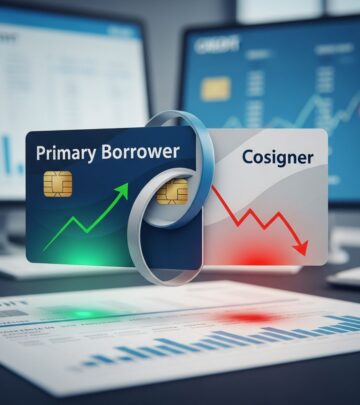
Securing a personal loan becomes feasible even with credit challenges when a cosigner steps in. This arrangement leverages the cosigner’s stronger financial profile to boost approval chances, lower rates, and expand loan amounts.
Understanding the Role of a Cosigner in Loan Applications
A cosigner acts as a guarantor on a personal loan, pledging to cover repayments if the primary borrower defaults. Lenders view this added security favorably, often extending credit to those who might otherwise be denied. The cosigner’s credit history and income become part of the application, potentially transforming a rejection into approval.
Primary borrowers typically turn to cosigners due to insufficient credit history, low scores from past issues, or limited income. For instance, young adults or recent immigrants building credit from scratch benefit immensely. The loan funds go solely to the primary borrower, who retains full responsibility for usage and initial payments.
Key Benefits for Primary Borrowers
- Enhanced Approval Odds: A qualified cosigner offsets weak personal credit, making lenders more willing to approve.
- Lower Interest Rates: Strong cosigner credentials can secure rates in the single digits, reducing overall costs.
- Higher Loan Limits: Borrowers access larger sums, ideal for major expenses like medical bills or home repairs.
- Flexible Terms: Options for longer repayment periods become available, easing monthly burdens.
These advantages shine brightest for those with scores below 580, where solo applications often fail. Data from credit bureaus indicates cosigned loans frequently carry 2-5% lower APRs compared to unsecured bad-credit options.
Cosigner vs. Co-Borrower: Critical Differences
Not all joint applicants are equal. A cosigner provides backup support without fund access, while a co-borrower shares equal rights and obligations from day one.
| Aspect | Cosigner | Co-Borrower |
|---|---|---|
| Responsibility | Secondary; steps in on default | Equal from start |
| Fund Access | No access | Shared access |
| Credit Impact | Affected only on missed payments | Immediate and equal reporting |
| Best For | Helping without ownership | Joint financial goals |
Co-borrowers suit couples funding shared purchases, like vehicles. Cosigners fit scenarios where one party needs help without ceding control.
Ideal Qualifications for a Strong Cosigner
Lenders scrutinize cosigners rigorously. Top candidates exhibit:
- Credit Score Above 700: Ensures competitive terms; minimum 580 for basic approval.
- Debt-to-Income (DTI) Under 36%: Calculated as monthly debts divided by gross income, signaling repayment capacity.
- Stable Employment: Verifiable income via pay stubs, at least two years preferred.
- Age 18+: Legal adulthood, sometimes higher per state laws.
Family members or close friends with these traits make prime choices. Avoid overburdening someone already stretched financially.
Risks and Responsibilities for Cosigners
Cosigning binds you legally to the debt. Key duties include:
- Repaying full balance plus fees if primary defaults.
- Impacted credit from late payments or delinquencies.
- Collection actions or lawsuits possible on non-payment.
Cosigners should demand loan copies, including Truth in Lending disclosures, per FTC guidelines. Open dialogues about payment plans prevent surprises. Statistically, 25-30% of cosigned loans see cosigners making payments within five years.
Step-by-Step Application Process
- Select Lender: Confirm cosigner acceptance; not all do.
- Gather Documents: IDs, SSNs, pay stubs, tax returns, bank statements for both parties.
- Submit Joint Application: Online or in-branch; expect hard credit pulls.
- Review Terms: Compare APR, fees, terms before signing.
- Receive Funds: Direct deposit to primary borrower, typically 1-7 days post-approval.
Both parties’ credit takes a temporary dip from inquiries, lasting months.
Alternatives if Cosigners Aren’t Viable
- Secured Loans: Collateral like savings secures better rates.
- Credit Unions: Member-focused with lenient criteria.
- Peer-to-Peer Lending: Platforms emphasize income over scores.
- Credit Building: Secured cards or small loans first.
Government-backed options exist for specific needs, like student aid, bypassing cosigners.
Common Pitfalls to Avoid
Steer clear of:
- Assuming cosigning won’t affect relationships—defaults strain bonds.
- Ignoring DTI calculations pre-application.
- Overborrowing beyond affordable payments.
- Skipping rate shopping across lenders.
Tools like online calculators help project affordability.
Real-World Scenarios Where Cosigners Help
Consider a recent graduate with 550 score needing $10,000 for relocation. A parent with 750 score cosigns, landing 8% APR versus 25% solo. Or debt consolidation: High-interest cards at 22% roll into 12% loan, saving thousands yearly.
Legal Protections for Cosigners
Federal rules mandate clear notices outlining default consequences. States vary on liabilities; check local laws. Cosigners retain rights to loan status updates from lenders.
Impact on Credit Profiles
Both parties see the loan on reports, influencing utilization and history. On-time payments boost scores mutually; lates harm equally.
FAQ
Can anyone be a cosigner?
No, they must meet lender criteria like strong credit and income.
Does cosigning build my credit?
Yes, positive history helps; negatives hurt.
What if the borrower dies?
Cosigner assumes full responsibility unless estate covers.
Can I remove myself as cosigner?
Rarely without refinancing or payoff.
Are there fees for cosigning?
No direct fees, but origination possible on loan.
Final Thoughts on Smart Borrowing
Cosigners bridge gaps to financial goals but demand caution. Weigh benefits against shared risks, communicate transparently, and explore all paths. Responsible use turns loans into stability tools.
References
- Cosigning a Loan FAQs — Federal Trade Commission (FTC). 2023-10-01. https://consumer.ftc.gov/articles/cosigning-loan-faqs
- Can You Get a Personal Loan With a Cosigner? — Experian. 2024-05-15. https://www.experian.com/blogs/ask-experian/can-you-get-a-personal-loan-with-a-cosigner/
- What Is a Personal Loan With a Cosigner? — Citibank. 2024-02-20. https://www.citi.com/personal-loans/learning-center/basics/personal-loan-with-cosigner
- Co-signers and co-borrowers: What it means when you apply — Achieve. 2023-11-10. https://www.achieve.com/learn/personal-loans/personal-loan-with-cosigner
- Cosigning a Personal Loan: Risks and Benefits — SoFi. 2024-01-05. https://www.sofi.com/learn/content/co-signing-personal-loans/
Similar Articles








Read full bio of Sneha Tete