Personal Loans vs. Business Loans: How to Choose
Understand the pros, cons, costs, and eligibility rules of personal loans versus business loans so you can fund your company wisely.

When you need money to launch or grow a company, you will often face a key choice: use a personal loan in your own name or apply for a dedicated business loan in the company’s name. Each option has different costs, qualification rules, risks, and long-term implications for your business finances.
This guide explains how personal and business loans work, compares their advantages and disadvantages, and helps you decide which type of funding makes the most sense at different stages of your business.
What Is a Personal Loan for Business Use?
A personal loan is a form of consumer credit that you take out as an individual, based primarily on your personal credit history, income, and debt-to-income ratio, not on your company’s financials.
Most personal loans are unsecured installment loans. You receive a lump sum and repay it with fixed monthly payments over a set term, typically two to seven years, at a fixed interest rate.
Can You Use a Personal Loan for Business Purposes?
Many lenders allow borrowers to use personal loan funds for a broad range of purposes, including starting or expanding a small business, as long as the use is legal and disclosed honestly on the application.
However, some banks and online lenders explicitly prohibit using personal loans for business expenses in their terms and conditions, so you must review the fine print before applying.
Typical Features of Personal Loans
- Loan size: Often up to about $50,000, sometimes higher for well-qualified borrowers.
- Term length: Around 2–7 years, with fixed monthly payments.
- Interest rate: Fixed APR based on your personal credit profile; good-credit borrowers may receive much lower rates than those with thin or damaged credit.
- Collateral: Typically unsecured, meaning you do not pledge business assets or real estate.
- Approval factors: Focus on your personal credit score, income, and existing debts.
What Is a Business Loan?
A business loan is financing granted specifically to a company, often underwritten based on the business’s revenues, cash flow, time in operation, and credit profile as well as the owner’s personal credit.
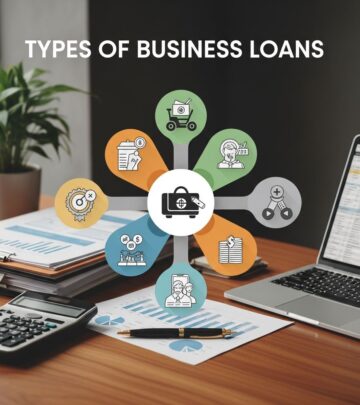
There are many types of business loans, including term loans, SBA-backed loans, business lines of credit, equipment financing, and microloans.
Common Types of Business Loans
- Term loans: A lump sum repaid over a fixed period, often used for expansion, equipment, or working capital.
- SBA loans: Loans partially guaranteed by the U.S. Small Business Administration, such as the 7(a) and 504 programs, which can offer relatively low rates and long terms.
- Business lines of credit: Revolving credit that lets you draw funds as needed and pay interest only on what you use.
- Equipment loans: Financing secured by machinery or other equipment; the asset itself acts as collateral.
- Microloans: Smaller loans, typically up to $50,000, often offered through nonprofits or SBA intermediaries, aimed at startups and underserved borrowers.
Typical Features of Business Loans
- Loan size: Can range from a few thousand dollars up to $5 million or more for SBA and commercial loans.
- Term length: From less than one year to as long as 25 years, depending on loan type and use.
- Interest rate: Fixed or variable, influenced by business risk, loan type, and government guarantees (for SBA loans).
- Collateral: Often secured by business assets, equipment, or real estate; personal guarantees from owners are common.
- Approval factors: Business revenues, time in operation, business credit, industry risk, and owner’s personal credit.
Key Differences Between Personal and Business Loans
The table below highlights the most important distinctions that affect cost, risk, and long-term flexibility.
| Feature | Personal Loan | Business Loan |
|---|---|---|
| Who borrows? | Individual (in your own name) | Business entity (often with personal guarantee) |
| Underwriting focus | Personal credit score, income, debt | Business revenues, financials, time in business, plus owner’s credit |
| Typical loan amounts | Generally smaller, often up to about $50,000 | Can be much higher, including up to $5 million for some SBA loans |
| Use of funds | Flexible; may include business use if allowed by lender | Must be for business purposes documented in the application |
| Interest rates | Fixed; based solely on personal profile | Fixed or variable; may be lower for strong businesses or SBA-backed loans |
| Tax treatment | Interest generally not deductible if loan is considered personal | Interest may be tax-deductible as a business expense if properly documented (subject to IRS rules) |
| Impact on credit | Directly affects your personal credit profile if you miss payments | Primarily affects business credit; personal credit impacted when you personally guarantee the loan |
| Documentation | Usually lighter: pay stubs, bank statements, ID | Can be more intensive: business tax returns, financial statements, business plan |
Pros and Cons of Personal Loans for Business
Advantages of Using a Personal Loan
- Easier to qualify for new businesses: Startups without established revenue or credit may struggle to get business financing, while a strong personal credit history can still support a personal loan.
- Simpler application: The process is often faster, with fewer documents and no need to compile detailed business financials.
- Quick funding: Many online lenders can approve and disburse personal loans in a few days or less, which helps when you need cash quickly.
- No business collateral required: Unsecured loans do not require you to pledge business equipment or real estate, though you are still personally liable.
- Predictable payments: Fixed interest rates and fixed terms provide clear, stable monthly obligations.
Disadvantages and Risks of Personal Loans for Business
- Personal liability: Because the debt is in your name, the lender can pursue your personal assets if you default, and late payments directly hurt your personal credit score.
- Lower borrowing limits: Personal loan amounts are usually smaller than what you can access through business loans or SBA programs.
- May be more expensive than secured business loans: Unsecured borrowing based solely on personal credit can mean higher rates than some business loans backed by collateral or government guarantees.
- Limited tax benefits: You may not receive the same interest deductibility as with clearly documented business debt; you need careful record-keeping and tax guidance.
- Blurs personal and business finances: Using personal credit for business costs can make accounting and bookkeeping more complex and obscure your company’s true financial picture.
Pros and Cons of Business Loans
Advantages of Business Loans
- Higher potential loan amounts: Business loans, including SBA 7(a) and 504 loans, can provide up to $5 million or more for eligible borrowers.
- Tailored to business needs: Products like equipment financing, commercial real estate loans, and lines of credit are structured specifically around business use cases.
- Potentially lower rates with strong qualifications: Well-established businesses and borrowers who qualify for SBA-backed loans may receive comparatively favorable rates and long repayment terms, which can reduce monthly costs.
- Builds business credit: Using and repaying business financing responsibly can help establish a separate credit profile for your company, which may improve access to capital over time.
- Clearer tax treatment: Interest on business loans is often deductible as a business expense if you document the use of funds and meet tax rules, which can reduce your overall cost of borrowing.
Disadvantages and Challenges of Business Loans
- Stricter eligibility requirements: Many banks and traditional lenders require a minimum time in business, sufficient revenues, and solid business and personal credit.
- More documentation: You may need to provide tax returns, financial statements, bank statements, and sometimes a detailed business plan.
- Longer approval times: Underwriting and, for SBA loans, government review can extend processing times to several weeks.
- Collateral and personal guarantees: Many business loans require you to pledge assets and personally guarantee repayment, which still exposes your personal finances to some risk.
- Potential fees: Origination fees, packaging fees (for SBA loans), and closing costs can increase the total cost of borrowing.
When a Personal Loan Might Make Sense for Your Business
A personal loan is rarely a long-term financing solution for a growing company, but it can be a practical option in several specific scenarios.
1. You Are Launching a Brand-New Business
Traditional business lenders are often reluctant to fund startups with no operating history or revenue. Using a personal loan based on your own credit can help you cover initial costs such as:
- Licensing, registrations, and basic legal setup
- Initial inventory and supplies
- Marketing, website development, or branding
- Small equipment purchases or software subscriptions
2. You Need a Small Amount of Capital Quickly
If you only need a modest amount of money and speed is essential—such as bridging a short-term cash gap or securing a time-sensitive opportunity—a personal loan may have faster approval than a traditional business loan.
3. Your Business Credit Is Limited but Your Personal Credit Is Strong
Owners with limited business history but excellent personal credit scores may receive better terms on a personal loan than on a high-cost, short-term business product.
When a Business Loan Is Likely the Better Choice
As your company grows or financing needs become more complex, choosing a proper business loan is usually more sustainable.
1. You Need Larger Sums or Long-Term Funding
Financing substantial investments—such as purchasing commercial property, major equipment, or large inventory orders—typically requires loan amounts beyond what personal loans provide. Business term loans, SBA loans, and commercial real estate loans are better suited for these uses.
2. You Want to Separate Business and Personal Finances
Keeping business borrowing in the company name helps maintain cleaner financial records, simplifies accounting, and supports more professional financial management as your business scales.
3. You Are Eligible for SBA or Bank Loans
If your business meets eligibility criteria—such as sufficient time in operation, strong cash flow, and solid credit—SBA-backed and traditional bank loans can offer relatively low interest rates and longer repayment terms.
How to Decide: Personal Loan vs. Business Loan
Use the following questions to guide your choice between a personal and business loan.
- How much money do you need? Small, one-time needs may be handled with a personal loan; larger or ongoing needs are usually better served by business financing.
- How established is your business? Pre-revenue or very young businesses often rely on personal credit; mature companies with predictable revenues can qualify for more favorable business products.
- What is your personal risk tolerance? A personal loan places all legal responsibility for repayment on you, regardless of how the business performs.
- How quickly do you need funding? Personal loans from online lenders may close faster than many SBA or bank business loans.
- Do you plan to grow and borrow again? Building business credit early with appropriate business loans and lines of credit can improve future financing options.
Tips for Applying for Either Type of Loan
Strengthen Your Credit Profile
Both personal and business lenders heavily consider credit scores. Paying existing debts on time, lowering credit utilization, and resolving errors on your credit report can improve your approval odds and interest rate.
Prepare Documentation in Advance
- For personal loans, gather proof of identity, proof of income, and recent bank statements.
- For business loans, compile business tax returns, profit and loss statements, bank statements, and a simple business plan if required.
Compare Multiple Lenders
Rates, fees, and terms can vary widely across banks, credit unions, online lenders, and nonprofit lenders. Comparing several offers helps you find the lowest total borrowing cost and the repayment structure that best fits your cash flow.
Frequently Asked Questions (FAQs)
Q: Is it legal to use a personal loan for business expenses?
A: In many cases, yes—personal loan funds can be used for business purposes if the lender’s terms allow it, but some lenders prohibit business use. Always review the loan agreement and answer application questions honestly.
Q: Does a personal loan for business build my business credit score?
A: Typically no. Personal loans are usually reported only to consumer credit bureaus, so they affect your personal credit, not your business credit history.
Q: Are business loans easier to get than personal loans?
A: Not usually. Business loans often have stricter eligibility requirements and require more documentation than personal loans, especially for startups or businesses with limited revenue.
Q: Which has lower interest rates: personal or business loans?
A: It depends on your situation. Strong, established businesses may secure lower rates on business loans—especially SBA-backed loans—while very new businesses may only qualify for affordable terms through personal loans if the owner has excellent personal credit.
Q: Can I deduct interest on a personal loan used for my business?
A: In some cases, the portion of interest attributable to genuine business use may be deductible, but you must keep detailed records and follow tax rules. Consult a qualified tax professional for advice on your specific situation.
References
- 9 Types of Business Loans: Find Your Best Option — Fundera by NerdWallet. 2024-03-05. https://www.fundera.com/business-loans/guides/types-of-business-loans
- 10 Types of Business Loans: Compare Financing — NerdWallet. 2024-01-10. https://www.nerdwallet.com/business/loans/learn/types
- 15 Types of Business Loans to Consider — SoFi. 2023-11-15. https://www.sofi.com/learn/content/types-of-business-loans/
- Types of 7(a) loans — U.S. Small Business Administration (SBA). 2024-05-01. https://www.sba.gov/partners/lenders/7a-loan-program/types-7a-loans
- Types of Business Loans: Your Different Options Explained — NBC Banking. 2023-06-20. https://www.nbcbanking.com/business-banking/business-lending-guide/types-of-business-loans/
Similar Articles








Read full bio of medha deb